What is EDA Technology? Key Applications and Uses
Introduction
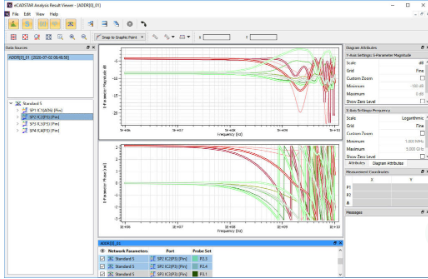
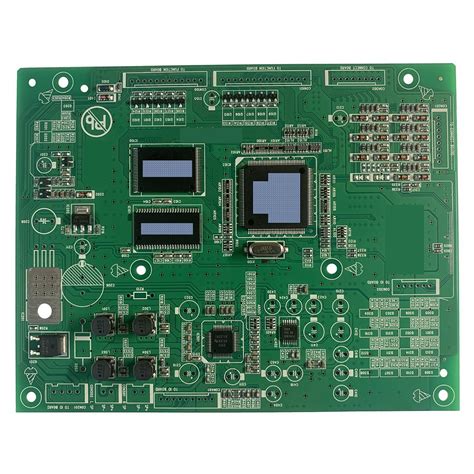
Electronic Design Automation (EDA) technology is a critical tool in the design and development of modern electronic systems. It encompasses a range of software tools that assist engineers in designing, simulating, and verifying complex integrated circuits (ICs), printed circuit boards (PCBs), and electronic systems. As electronic devices become more sophisticated, EDA plays an increasingly vital role in ensuring efficiency, accuracy, and innovation in hardware development.
This article explores the fundamentals of EDA technology, its key components, and its major applications across industries such as semiconductor manufacturing, consumer electronics, automotive, and aerospace.
1. What is EDA Technology?
EDA (Electronic Design Automation) refers to a category of software tools used to design and analyze electronic systems, including integrated circuits (ICs) and printed circuit boards (PCBs). These tools automate many aspects of the design process, reducing human error and accelerating time-to-market for new products.
Key Components of EDA

2. Major Applications of EDA Technology
EDA tools are widely used across multiple industries due to their ability to streamline complex electronic design processes. Below are some of the most significant applications:
A. Semiconductor Industry
The semiconductor sector heavily relies on EDA for designing microprocessors, memory chips, and application-specific integrated circuits (ASICs). Key uses include:
- Logic Synthesis – Converting high-level design descriptions into gate-level representations.
- Physical Design – Determining the placement of transistors and routing connections on a silicon chip.
- Design for Testability (DFT) – Incorporating test structures to ensure manufacturing defects are detectable.
Companies like Intel, TSMC, and Samsung use EDA tools to develop cutting-edge chips for computers, smartphones, and AI accelerators.
B. Consumer Electronics
EDA is essential in designing smartphones, laptops, wearables, and IoT devices. Applications include:
- Power Optimization – Ensuring minimal energy consumption for longer battery life.
- Signal Integrity Analysis – Preventing interference in high-speed circuits (e.g., 5G and Wi-Fi modules).
- Miniaturization – Enabling compact yet powerful circuit designs for modern gadgets.
C. Automotive Electronics
Modern vehicles incorporate numerous electronic control units (ECUs), sensors, and infotainment systems. EDA tools help in:
- Automotive IC Design – Developing chips for engine control, ADAS (Advanced Driver Assistance Systems), and autonomous driving.
- Reliability Testing – Ensuring electronic components withstand extreme temperatures and vibrations.
- Electric Vehicle (EV) Development – Designing battery management systems (BMS) and power electronics.
D. Aerospace & Defense
EDA is crucial in developing avionics, radar systems, and satellite communications. Key applications include:
- Radar & RF Design – Simulating high-frequency circuits for communication and defense systems.
- Radiation-Hardened Electronics – Ensuring chips operate reliably in space environments.
- Secure Hardware Design – Preventing vulnerabilities in military-grade electronics.
E. Medical Electronics
EDA tools contribute to advancements in medical devices such as:
- Implantable Devices – Pacemakers and neurostimulators require ultra-low-power ICs.
- Diagnostic Equipment – MRI machines and portable health monitors rely on precise circuit designs.
F. Industrial Automation & IoT
Industrial systems and IoT devices use EDA for:
- Embedded System Design – Developing microcontrollers for smart factories.
- Wireless Sensor Networks – Optimizing energy-efficient communication circuits.
3. Future Trends in EDA
As technology evolves, EDA continues to advance with new trends:
- AI-Driven Design – Machine learning algorithms optimize chip layouts and predict failures.
- 3D ICs & Advanced Packaging – Enabling higher performance with stacked chip designs.
- Quantum Computing Design Tools – Emerging EDA solutions for quantum circuits.
- Cloud-Based EDA – Remote simulation and collaboration for distributed engineering teams.
Conclusion
EDA technology is the backbone of modern electronics, enabling innovation across industries from semiconductors to automotive and healthcare. By automating complex design tasks, EDA tools reduce development time, improve accuracy, and facilitate the creation of cutting-edge electronic systems. As new technologies like AI, 5G, and quantum computing emerge, EDA will continue to play a pivotal role in shaping the future of electronics.
With ongoing advancements, EDA remains indispensable for engineers and companies striving to push the boundaries of what’s possible in electronic design.