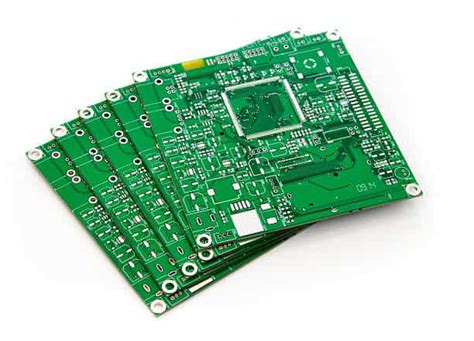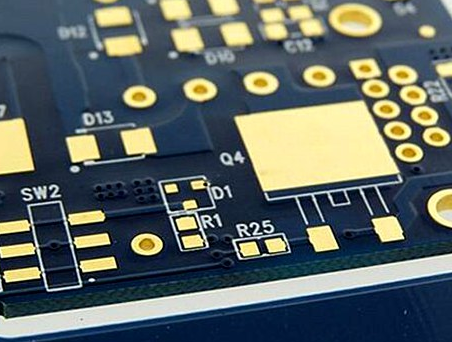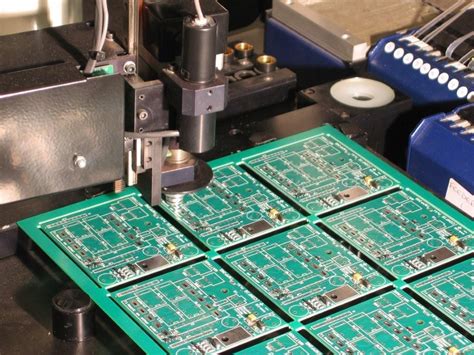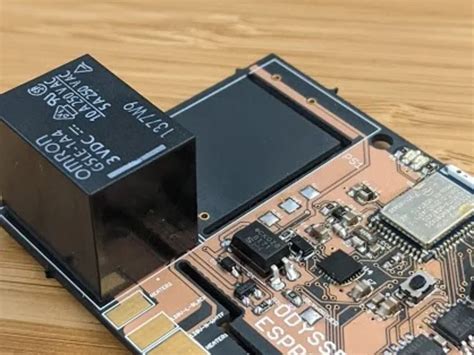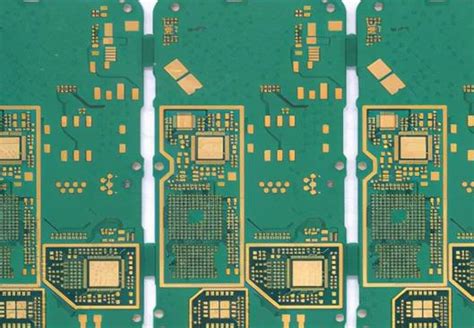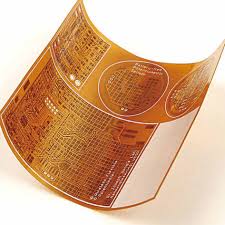
flexible pcb
1.What is flexible pcb
Flexible Printed Circuit (FPC) is a highly reliable and highly flexible printed circuit board made of polyimide or polyester film as the substrate. It has the characteristics of high wiring density, light weight, thin thickness and good bending.
Flexible Printed Circuit (FPC), also known as soft circuit board, flexible circuit board, is highly favored for its excellent characteristics such as light weight, thin thickness, free bending and folding…, but the quality inspection of FPC in China still mainly relies on manual visual inspection, which is costly and inefficient.
With the rapid development of the electronics industry, circuit board design is becoming more and more high-precision and high-density. Traditional manual inspection methods can no longer meet production needs. FPC defect automation detection has become an inevitable trend in industrial development.
2.What is the structural composition of a 10-layer PCB?
Flexible circuit (FPC) is a technology developed by the United States in the 1970s for the development of space rocket technology. It is a printed circuit with high reliability and excellent flexibility made of polyester film or polyimide as the substrate.
By embedding the circuit design on the bendable thin plastic sheet, a large number of precision components are stacked in a narrow and limited space, thus forming a bendable flexible circuit.
This kind of circuit can be bent and folded at will, is light in weight, small in size, has good heat dissipation, and is easy to install, breaking through the traditional interconnection technology. In the structure of the flexible circuit, the materials are insulating film, conductor and adhesive.
GET PCB MANUFACTURING AND ASSEMBLY QUOTE NOW!
3.What are the advantages of flexible PCB?
(1)exceptional flexibility
(2)the lightweight characteristics
(3)the high integration and design flexibility
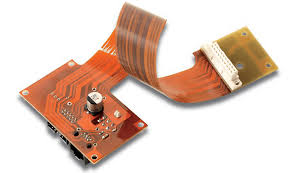
4.What are the disadvantages of flexible PCB?
(1)the manufacturing cost of flexible circuit boards is relatively high
(2)low mechanical strength
(3)In certain high-stress environments, flexible circuit boards may not provide sufficient durability, affecting device reliability.
First, one of the main advantages of flexible circuit boards is their exceptional flexibility. Compared to traditional rigid circuit boards, flexible circuit boards can bend, fold, and twist, which makes them great in applications where space is limited or dynamic movement is required. For example, in wearable devices, smartphones, and medical devices, the application of flexible circuit boards has greatly improved design freedom and device portability.
In addition, the lightweight nature of flexible circuit boards also makes them ideal for use in the aerospace and automotive industries, where weight requirements are very stringent.
However, despite the significant advantages of flexible circuit boards, they also have some disadvantages.
First, the manufacturing cost of flexible circuit boards is relatively high.
Because its production process is complex and requires special materials and equipment, its cost is often higher than traditional rigid circuit boards. This may limit its use in some cost-sensitive applications. In addition, flexible circuit boards have low mechanical strength and are susceptible to physical damage. In certain high-stress environments, flexible circuit boards may not provide sufficient durability, affecting device reliability.
Next, the design and manufacturing process of flexible circuit boards is also more complicated. Because it requires wiring and connections in three-dimensional space, designers must have higher expertise and skills.
At the same time, temperature, humidity and other environmental factors need to be strictly controlled during the manufacturing process to ensure product quality. These additional requirements increase the difficulty and cost of design and manufacturing.
Despite these disadvantages, flexible circuit boards still have broad application prospects. With the continuous advancement of technology, manufacturing costs are expected to gradually decrease, and improvements in materials and processes will also improve their mechanical strength and durability.
In addition, the application of flexible circuit boards in emerging fields, such as the Internet of Things and flexible displays, will further promote its development.
To sum up, flexible circuit boards have irreplaceable advantages in modern electronic devices, especially in applications that require high flexibility and lightweight. However, its high manufacturing cost and low mechanical strength also limit its application in certain fields.
Through continuous technological innovation and process improvement, the disadvantages of flexible circuit boards are expected to be overcome, allowing them to play a greater role in a wider range of fields.
GET PCB AND ASSEMBLY SERVICE QUOTE NOW!
5.Application of 10-layer PCB
(1)in modern electronic devices
(2)in modern electronic devices
(3)medical devices.
(4)in the field of automotive electronics.
It plays a vital role in modern electronic devices. Its application range is wide, covering various fields from consumer electronics to medical devices. First of all, flexible circuit boards are widely used in consumer electronic products. Smartphones, tablets, wearable devices, etc.
rely on the flexibility and lightness of FPC. These devices need to integrate a large number of electronic components in a limited space, and the bendable characteristics of flexible circuit boards enable them to adapt to various complex design requirements, thus realizing smaller, lighter and more efficient products.
In addition, the application of flexible circuit boards in medical devices is also increasing. Due to its soft and bendable characteristics, FPC can be used to manufacture a variety of portable and wearable medical devices, such as electrocardiogram monitors and insulin pumps.
These devices need to be in close contact with the human body, and the softness and durability of flexible circuit boards make them an ideal choice. By using FPC, medical devices can not only achieve higher precision and reliability, but also improve patient comfort and compliance.
At the same time, flexible circuit boards have also shown great potential in the field of automotive electronics. Modern cars are equipped with more and more electronic systems, such as navigation systems, entertainment systems, and driver assistance systems, which need to integrate a large number of electronic components in a limited space.
The high density and bendability of flexible circuit boards enable them to adapt to the complex spatial layout inside the car, thereby improving the integration and reliability of the system. In addition, the high temperature resistance and vibration resistance of FPC also enable it to perform well in automotive electronics and operate stably under harsh environmental conditions