What is high speed pcb design
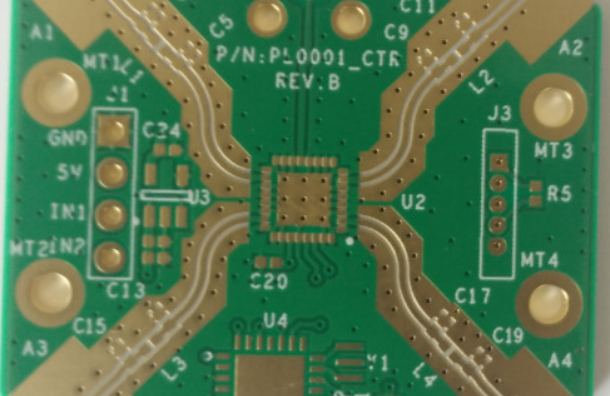
High speed PCB design refers to the process of designing printed circuit boards that can handle high frequency signals without signal degradation or loss.
This is achieved by carefully selecting components, using proper trace routing techniques,
and minimizing electromagnetic interference (EMI) and crosstalk.
High speed PCB design is essential for electronic devices that require fast data transfer rates,
such as computers, smartphones, and other communication devices.
high speed pcb layout guidelines contents
1. Introduction
2. PCB Design Considerations
a. Component Placement
b. Signal Traces
c. Power and Ground Planes
d. Decoupling Capacitors
e. Differential Pairs
f. Signal Integrity
g. EMI/EMC
3. High-Speed PCB Layout Techniques
a. Impedance Control
b. Routing Techniques
c. Via Placement
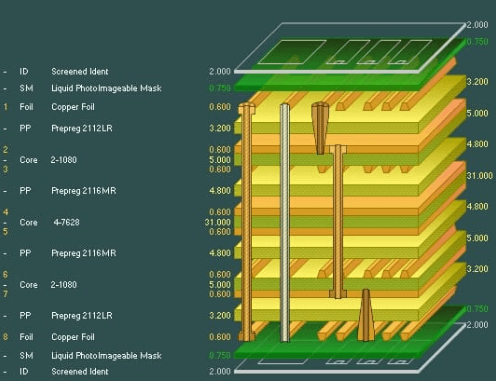
d. Layer Stacking
e. Differential Pair Routing
f. Signal Return Paths
g. Crosstalk Mitigation
4. PCB Manufacturing Considerations
a. Material Selection
b. Trace Width and Spacing
c. Copper Weight
d. Solder Mask and Silkscreen
e. Via Filling and Plugging
f. Surface Finish
5. Conclusion
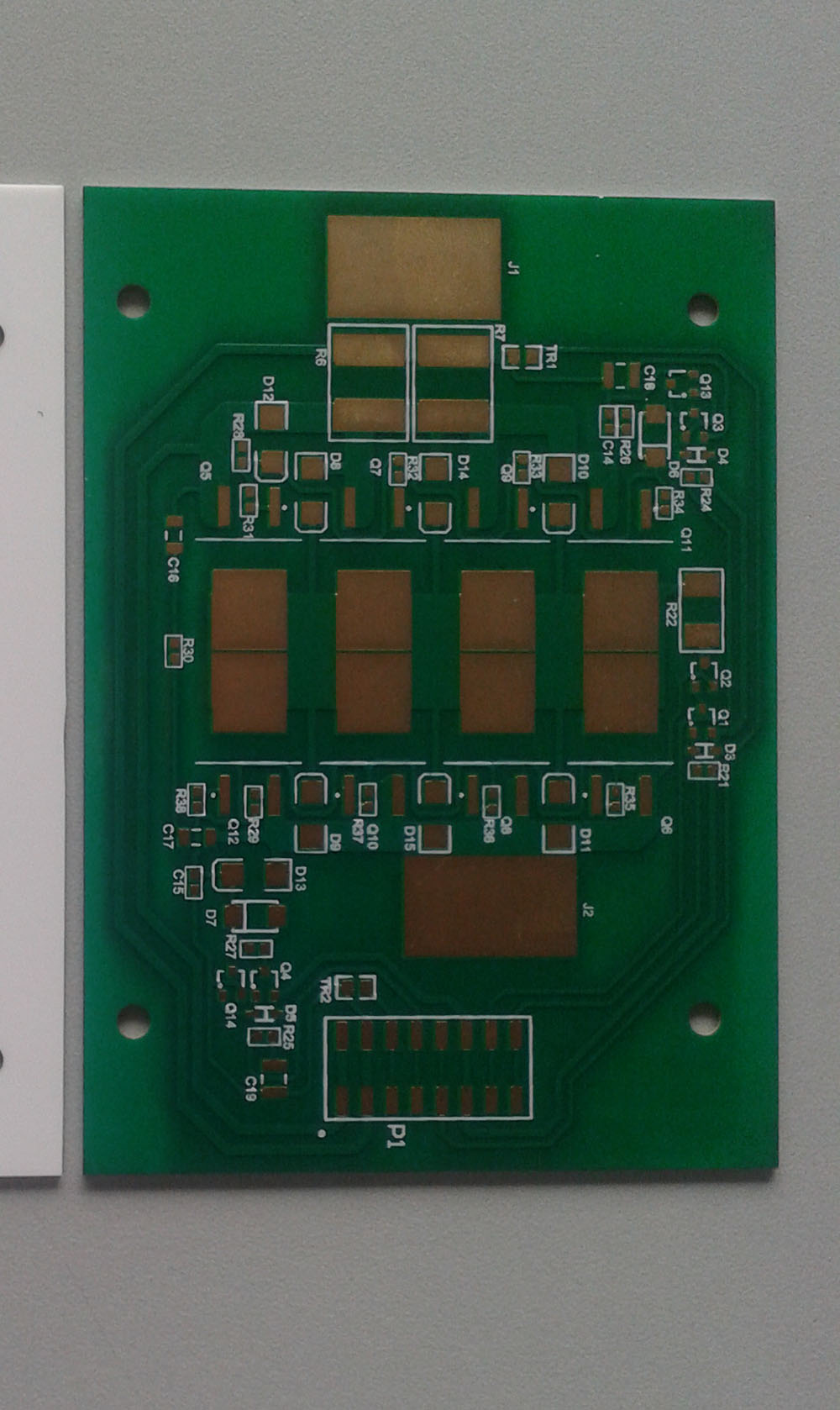
high speed pcb design book
“High-Speed Digital Design:
A Handbook of Black Magic” by Howard Johnson and Martin Graham is a highly recommended book for high-speed PCB design.
It covers topics such as signal integrity, crosstalk, power distribution, clock distribution, and EMI/EMC.
The book also includes practical design techniques and examples, as well as simulation and measurement techniques.
It is a comprehensive guide for engineers and designers working on high-speed digital systems.
the role of high speed pcb design book
The role of a high-speed PCB design book is to provide engineers and designers with the knowledge and techniques necessary to design and implement high-speed digital systems.
High-speed digital systems are becoming increasingly common in modern electronics,
and they require specialized design techniques to ensure that they operate reliably and efficiently.
A high-speed PCB design book typically covers topics such as signal integrity, crosstalk, power distribution, clock distribution,
and EMI/EMC. It may also include practical design techniques and examples, as well as simulation and measurement techniques.
The goal of a high-speed PCB design book is to help engineers and designers understand the challenges of high-speed digital design and provide them with the tools and techniques necessary to overcome those challenges.
By following the guidelines and best practices outlined in a high-speed PCB design book,
engineers and designers can ensure that their high-speed digital systems operate reliably and efficiently,
with minimal signal degradation and interference.