What Is Solder Resist?
Introduction
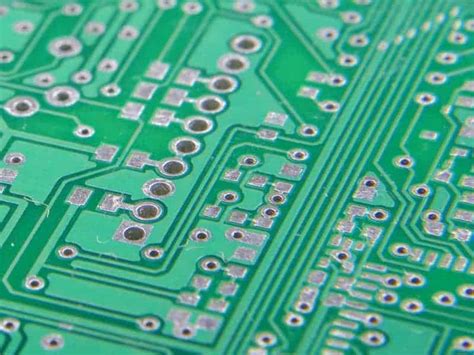
In the world of printed circuit boards (PCBs), solder resist (also known as solder mask) plays a crucial role in ensuring the reliability and functionality of electronic assemblies. This protective layer is applied over the copper traces of a PCB to prevent unintended electrical connections, corrosion, and physical damage during the soldering process.
This article explores solder resist in detail, covering its purpose, types, application methods, and key considerations in PCB manufacturing. By the end, readers will have a comprehensive understanding of why solder resist is essential in modern electronics.
The Purpose of Solder Resist
Solder resist serves several critical functions in PCB manufacturing:
1. Preventing Solder Bridges
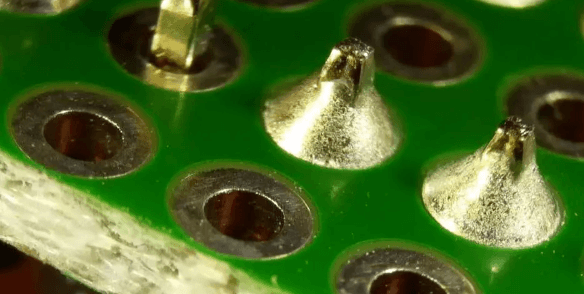
During soldering, molten solder can accidentally connect adjacent conductive traces, leading to short circuits. Solder resist acts as a barrier, ensuring solder only adheres to designated areas (pads and vias).
2. Protecting Copper Traces from Oxidation
Exposed copper can corrode over time due to moisture and environmental factors. Solder resist shields the copper, enhancing the PCB’s longevity.
3. Providing Electrical Insulation
The solder mask acts as an insulating layer, preventing unintended electrical contact between components and traces.
4. Improving Aesthetics and Readability
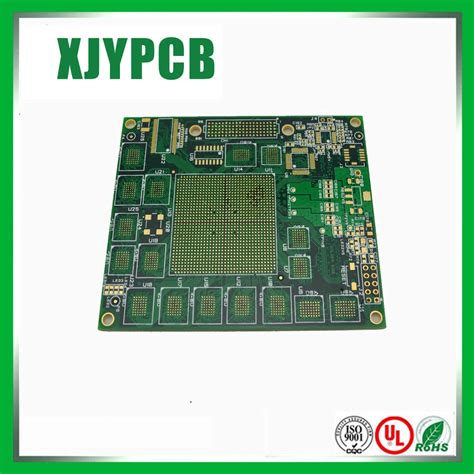
Solder resist is typically colored (green being the most common), making it easier to identify traces, components, and markings on the PCB.
5. Enhancing Mechanical Durability
The coating protects the PCB from scratches, dust, and minor physical damage during handling and assembly.
Types of Solder Resist
Solder resist comes in different formulations, each suited for specific manufacturing processes and performance requirements.
1. Liquid Photoimageable Solder Mask (LPSM)
- Applied as a liquid and then cured using UV light.
- Offers high precision and is commonly used in high-density PCBs.
- Available in various colors (green, blue, red, black, etc.).
2. Dry Film Solder Mask (DFSM)
- Comes as a solid film laminated onto the PCB.
- Provides uniform thickness and is ideal for fine-pitch components.
- Less common than LPSM due to higher cost and complexity.
3. Thermally Curable Solder Mask
- Requires heat to cure rather than UV light.
- Used in applications where UV curing is impractical.
- Less common in modern PCB manufacturing.
4. Epoxy-Based Solder Mask
- A traditional type with good durability but lower resolution.
- Typically applied via screen printing.

Application Methods
The method of applying solder resist depends on the type of mask and the PCB’s design requirements.
1. Screen Printing
- A stencil is used to apply the solder resist onto the PCB.
- Suitable for low-complexity designs with larger features.
- Less precise than photoimaging methods.
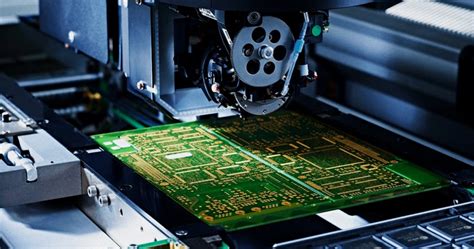
2. Photoimaging (UV Exposure)
- The PCB is coated with a liquid photoimageable solder mask.
- A photomask is placed over the PCB, and UV light is applied.
- The unexposed areas are washed away, leaving only the cured mask.
- Allows for extremely fine features (down to 25µm).
3. Electrostatic Spraying
- The solder resist is sprayed onto the PCB using an electrostatic charge.
- Ensures even coverage, especially on complex geometries.
4. Curtain Coating
- The PCB is passed under a curtain of liquid solder resist.
- Provides uniform thickness but is less precise than photoimaging.
Key Properties of Solder Resist
When selecting a solder resist, manufacturers consider several key properties:
1. Thermal Resistance
- Must withstand high soldering temperatures (typically up to 260°C).
2. Chemical Resistance
- Should resist flux, cleaning agents, and other chemicals used in PCB assembly.
3. Adhesion Strength
- Must bond firmly to the PCB surface without peeling.
4. Dielectric Strength
- Should provide sufficient electrical insulation.
5. Flexibility
- Important for flexible PCBs to prevent cracking under bending stress.
6. Color and Reflectivity
- Affects inspection under automated optical systems (e.g., white masks aid in contrast for inspection).
Common Solder Resist Colors
While green is the most traditional and widely used solder resist color, other options are available for different purposes:
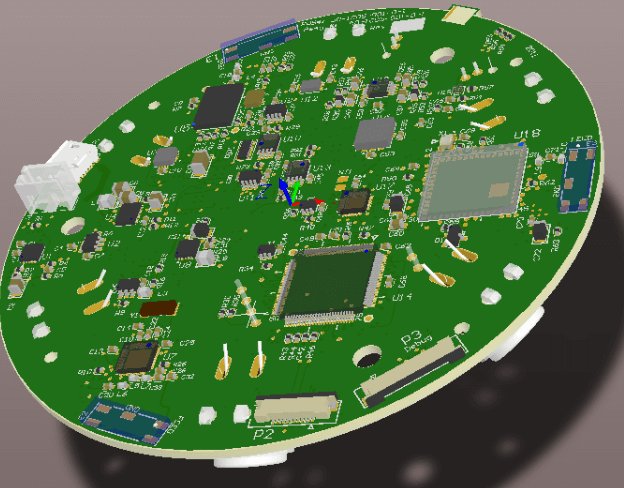
- Green: Standard, cost-effective, and provides good contrast for inspection.
- Blue/Red/Black: Often used for aesthetic or branding purposes.
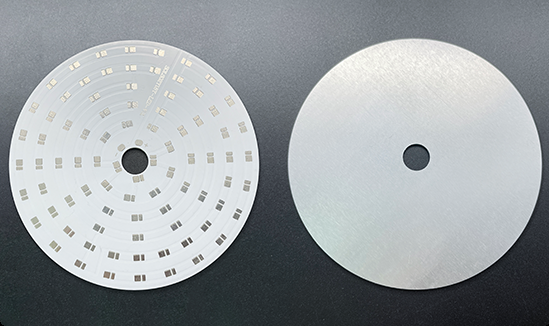
- White: Used in LED PCBs to reflect light.
- Yellow/Orange: Sometimes used for high-visibility debugging.
Challenges in Solder Resist Application
Despite its advantages, solder resist application can present challenges:
1. Misalignment in Photoimaging
- Poor alignment of the photomask can lead to exposed or covered pads.
2. Incomplete Curing
- Insufficient UV exposure can result in a weak or tacky surface.
3. Bubbles and Voids
- Air trapped during application can cause defects.
4. Thickness Variations
- Uneven coating can affect soldering and insulation performance.
5. Compatibility with High-Frequency PCBs
- Some solder masks may introduce signal loss in RF applications.
Advances in Solder Resist Technology
Recent developments in solder resist include:
1. Low-Dk (Dielectric Constant) Solder Masks
- Reduce signal loss in high-frequency PCBs.
2. Flexible Solder Masks for Flex PCBs
- Withstand repeated bending without cracking.
3. Halogen-Free and Eco-Friendly Formulations
- Comply with environmental regulations (e.g., RoHS).
4. Improved UV and Thermal Stability
- Better performance in harsh environments.
Conclusion
Solder resist is an indispensable component of PCB manufacturing, ensuring reliable soldering, electrical insulation, and long-term durability. With various types, application methods, and evolving technologies, selecting the right solder resist is critical for optimal PCB performance.
As electronics continue to advance, solder resist formulations will further improve, accommodating higher frequencies, flexible designs, and stricter environmental standards. Understanding its role helps engineers and manufacturers produce more reliable and efficient electronic devices.
Final Word
From preventing solder bridges to enhancing PCB longevity, solder resist may seem like a small detail, but its impact on electronic reliability is enormous. Whether you’re designing a simple circuit board or a complex multi-layer PCB, choosing the right solder resist is a decision that significantly influences performance and quality.