What Matters Most in PCB Prototyping: Key Factors to Consider
Printed Circuit Board (PCB) prototyping is a critical phase in electronics development, bridging the gap between design and mass production. The quality, speed, and reliability of PCB prototyping can significantly impact the success of a product. When selecting a PCB prototyping service, engineers and designers must evaluate several key factors to ensure optimal performance, cost-efficiency, and manufacturability.
This article explores the most important considerations in PCB prototyping, including design accuracy, material selection, turnaround time, cost, manufacturer capabilities, testing, and reliability.
1. Design Accuracy and File Preparation
The foundation of a successful PCB prototype lies in the design files. Even minor errors in the design can lead to costly rework or functional failures. Key aspects include:
- File Format Compliance – Manufacturers typically require Gerber files (RS-274X), drill files (Excellon), and a bill of materials (BOM). Ensuring these files are correctly formatted prevents misinterpretation.
- Design Rule Checks (DRC) – Running DRC in CAD software (e.g., Altium, KiCad, Eagle) helps detect spacing violations, missing connections, or manufacturing constraints.
- Layer Alignment – Misaligned layers can cause short circuits or open connections, so verifying layer registration is crucial.
A well-prepared design file minimizes delays and ensures the prototype matches the intended functionality.
2. Material Selection and PCB Stackup
The choice of materials affects electrical performance, thermal management, and durability. Key considerations include:
- Substrate Material – FR-4 is the most common due to its cost-effectiveness and good electrical insulation. High-frequency applications may require Rogers or PTFE materials for better signal integrity.
- Copper Weight – Thicker copper (e.g., 2 oz) improves current handling but requires careful etching to avoid undercutting.
- Surface Finish – Options like HASL (Hot Air Solder Leveling), ENIG (Electroless Nickel Immersion Gold), and OSP (Organic Solderability Preservative) impact solderability and shelf life.
- Dielectric Constant (Dk) and Loss Tangent (Df) – Critical for high-speed and RF designs to minimize signal loss.
Selecting the right materials ensures the prototype performs as expected in real-world conditions.
3. Turnaround Time and Rapid Prototyping
Speed is often a priority in prototyping, especially in iterative development cycles. Factors influencing turnaround time include:
- Standard vs. Expedited Services – Many manufacturers offer 24-hour to 5-day turnaround options for prototypes.
- Panel Utilization – Combining multiple designs into a single panel can reduce costs but may delay individual orders.
- Shipping Logistics – Local manufacturers may offer faster delivery than overseas suppliers.
Balancing speed with quality is essential—rushing production can lead to overlooked defects.
4. Cost Considerations in PCB Prototyping
While cost shouldn’t be the sole deciding factor, optimizing expenses without sacrificing quality is crucial. Key cost drivers include:
- Board Complexity – More layers, tighter tolerances, and advanced materials increase costs.
- Order Quantity – Small batches (1-10 pieces) are typical for prototyping but may have higher per-unit costs.
- Additional Services – Testing, conformal coating, and assembly add to the total expense.
Choosing a manufacturer that offers transparent pricing and avoids hidden fees helps in budgeting.
5. Manufacturer Capabilities and Technology Support
Not all PCB manufacturers support advanced requirements. Key capabilities to assess include:
- Minimum Trace/Space – For high-density designs, ensure the manufacturer can achieve the required precision (e.g., 3/3 mil trace/space).
- Layer Count – Standard prototypes may use 2-4 layers, but complex designs (e.g., HDI, rigid-flex) require specialized expertise.
- Via Types – Support for blind/buried vias or microvias is necessary for advanced PCBs.
- Quality Certifications – ISO 9001, UL, and IPC standards compliance indicates reliability.
A manufacturer with strong technical support can help resolve design-for-manufacturability (DFM) issues early.
6. Testing and Quality Assurance
Prototypes must be rigorously tested to catch defects before full-scale production. Common testing methods include:
- Automated Optical Inspection (AOI) – Detects soldering defects, missing components, and alignment issues.
- Electrical Testing (Flying Probe or Bed of Nails) – Verifies connectivity and identifies short/open circuits.
- Functional Testing – Ensures the PCB operates as intended under real conditions.
Skipping testing to save time or money can lead to costly failures later.
7. Reliability and Long-Term Performance
A prototype should not only work initially but also demonstrate long-term reliability. Factors affecting durability include:
- Thermal Management – Proper heat dissipation prevents premature failure in high-power designs.
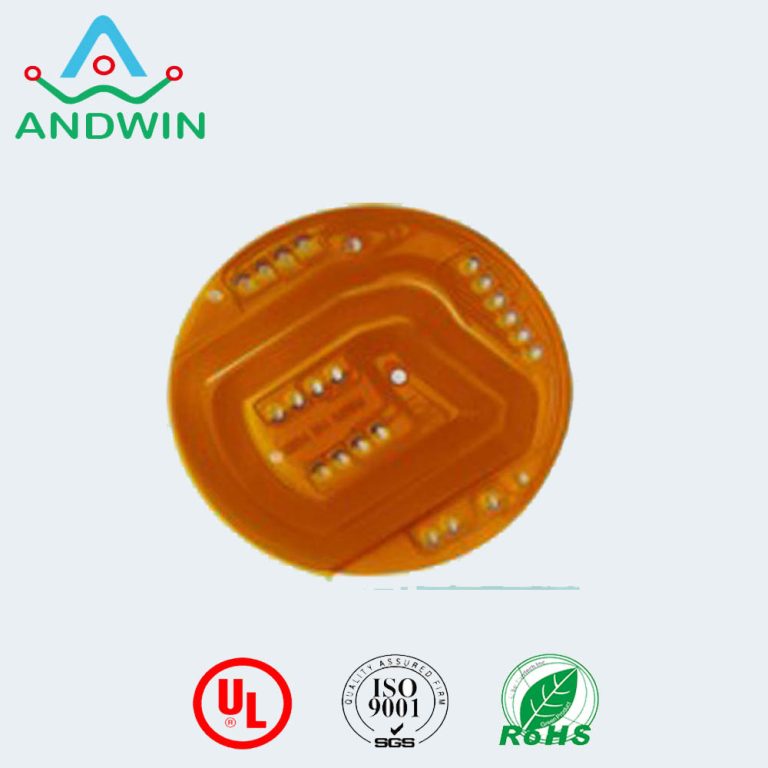
- Mechanical Strength – Flex and rigid-flex PCBs must withstand bending and vibration.
- Environmental Resistance – Conformal coating or specialized materials may be needed for harsh environments (e.g., automotive, aerospace).
A reliable prototype reduces the risk of redesigns and accelerates time-to-market.
Conclusion
PCB prototyping is a crucial step in electronics development, and selecting the right approach requires balancing multiple factors. Design accuracy, material selection, turnaround time, cost, manufacturer capabilities, testing, and reliability all play vital roles in ensuring a successful prototype.
By carefully evaluating these aspects, engineers and designers can minimize risks, reduce iterations, and transition smoothly from prototyping to mass production. Partnering with an experienced PCB manufacturer that offers strong technical support and quality assurance further enhances the likelihood of a successful outcome.
Ultimately, the goal of PCB prototyping is not just to create a working board but to validate design choices, uncover potential issues, and pave the way for a scalable, high-performance final product. Investing time and effort in selecting the right prototyping service pays dividends in product quality and development efficiency.