Where Is Inverter PCB: A Comprehensive Guide to Locating and Understanding Inverter Circuit Boards
Introduction to Inverter PCBs
Inverter PCBs (Printed Circuit Boards) are the fundamental components that form the backbone of modern power conversion systems. These specialized circuit boards are found in virtually every electronic device that requires power conversion from DC to AC or vice versa. From solar power systems to industrial machinery, uninterruptible power supplies (UPS) to electric vehicles, inverter PCBs play a crucial role in energy management and power distribution.
The question “Where is inverter PCB?” might seem simple, but the answer varies significantly depending on the application and device type. This article will explore the various locations where inverter PCBs are typically found, their physical characteristics, and how to identify them in different systems.
Common Locations of Inverter PCBs
1. Solar Power Systems
In solar energy installations, the inverter PCB is typically housed within the solar inverter unit, which may be located:
- On the side of a building (for microinverters)
- In a dedicated equipment room (for central inverters in large installations)
- Mounted near the solar panels (for string inverters)
- Integrated into solar power optimizers at the panel level
The PCB in solar inverters is usually protected within a weatherproof enclosure, often with cooling fins or fans to manage heat dissipation. These PCBs tend to be larger than those found in consumer electronics, with robust components capable of handling high voltages and currents.
2. Uninterruptible Power Supplies (UPS)
In UPS systems, the inverter PCB can be found:
- In the main enclosure of the UPS unit
- Positioned near the battery compartment
- Adjacent to the power input/output connections
UPS inverter PCBs are typically medium-sized boards with a mix of power transistors, capacitors, and control circuitry. They’re often mounted vertically to save space in the UPS enclosure.
3. Air Conditioners and Refrigeration Systems
Modern inverter-type air conditioners contain specialized PCBs that control compressor speed. These are located:
- In the outdoor unit (for split systems)
- Behind the control panel (for window units)
- In a dedicated electronics compartment (for central HVAC systems)
These PCBs are often coated with a protective layer to prevent damage from moisture and temperature fluctuations. They typically feature large heat sinks for power components.
4. Electric Vehicles and Hybrid Cars
In electric transportation, inverter PCBs are critical for motor control and are found:
- In the power electronics unit (usually near the battery pack)
- Integrated with the motor controller assembly
- Within the charging system
Automotive inverter PCBs are designed to withstand vibration and extreme temperatures, often using specialized materials and conformal coatings.
5. Consumer Electronics
Many household appliances now contain small inverter PCBs for power conversion:
- LCD/LED TVs (usually near the backlight section)
- Computer power supplies (as part of the DC-AC conversion stage)
- Microwave ovens (for magnetron control)
- Induction cooktops (for high-frequency power generation)
These PCBs are typically smaller but still contain high-voltage components that require careful handling.
Physical Characteristics of Inverter PCBs
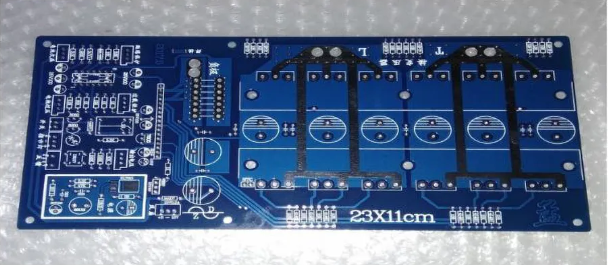
Identifying an inverter PCB among other circuit boards requires understanding their distinctive features:
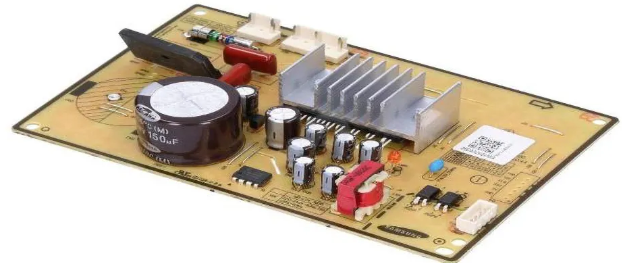
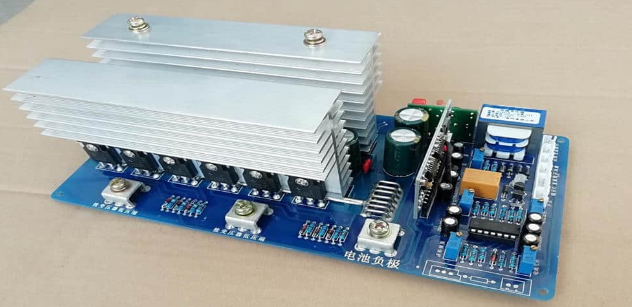
- Power Components: Look for large transistors (often MOSFETs or IGBTs), bulky capacitors, and substantial heat sinks.
- Transformer Presence: Most inverter PCBs will have at least one transformer for voltage conversion.
- Thick Copper Traces: The power-carrying traces are noticeably wider than signal traces.
- High-Voltage Warning Signs: Many have clear markings indicating high-voltage areas.
- Control ICs: Microcontrollers or specialized PWM (Pulse Width Modulation) chips for switching control.
- Current Sensors: Shunt resistors or current transformers for power monitoring.
Safety Considerations When Locating Inverter PCBs
Before attempting to locate or inspect an inverter PCB, consider these safety precautions:
- Power Disconnection: Always disconnect power before inspection, as inverter circuits often contain high-voltage capacitors that can retain dangerous charges.
- Personal Protective Equipment: Use insulated tools and wear appropriate safety gear when working with live circuits.
- Professional Assistance: For complex systems like solar arrays or industrial equipment, consult qualified technicians.
- Proper Grounding: Ensure proper grounding to prevent static damage to sensitive components.
- Capacitor Discharge: Learn proper techniques for discharging high-voltage capacitors safely.
Troubleshooting Inverter PCB Locations
When you’re having difficulty locating an inverter PCB in a device:
- Consult the Manual: Manufacturer documentation often includes exploded diagrams showing PCB locations.
- Follow the Power Path: Trace from the power input to identify conversion stages.
- Look for Cooling Systems: Inverter circuits generate heat, so they’re often near heat sinks or fans.
- Identify Characteristic Components: Large capacitors and transformers are good indicators.
- Use Visual Inspection: Many inverter PCBs are distinctly different from other boards in the system.
Industry-Specific Inverter PCB Locations
Medical Equipment
In medical devices like MRI machines or X-ray generators, inverter PCBs are typically:
- In shielded compartments to prevent electromagnetic interference
- With other power electronics in the equipment’s base unit
- Marked with high-voltage warnings due to their dangerous operating parameters
Industrial Machinery
For CNC machines, robotics, and other industrial equipment:
- In dedicated power cabinets
- Mounted on the machine frame near motor connections
- Integrated into servo drives for precise motor control
Telecommunications
In telecom infrastructure like cell towers:
- In power distribution units
- As part of backup power systems
- Within rectifier/inverter combinations for AC/DC conversion
Future Trends in Inverter PCB Design and Placement
The location and design of inverter PCBs are evolving with technological advancements:
- Miniaturization: Smaller, more efficient components allow for reduced PCB sizes and new placement options.
- Integrated Solutions: More systems are combining inverter functions with other electronics on single boards.
- Wide Bandgap Semiconductors: Materials like GaN and SiC enable higher frequency operation in smaller packages.
- Modular Designs: Field-replaceable inverter modules simplify maintenance and upgrades.
- Improved Thermal Management: Advanced cooling techniques allow for more flexible placement in tight spaces.
Conclusion
Understanding where to find inverter PCBs requires knowledge of both the specific application and the general characteristics of power conversion electronics. From the massive inverter boards in solar farms to the tiny power conversion circuits in your smartphone charger, these essential components come in many forms and locations.
When searching for an inverter PCB, always prioritize safety, consult available documentation, and look for the telltale signs of power electronics. As technology continues to advance, inverter PCBs will become even more integrated and ubiquitous, making their identification both more challenging and more important for maintenance, repair, and innovation in power electronics.