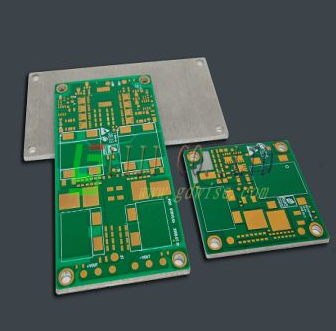
Wholesale pcb metal core
Benefits Of Using Metal Core PCBs In Wholesale Manufacturing
Metal Core Printed Circuit Boards (MCPCBs) have emerged as a pivotal component in the electronics manufacturing industry, particularly in wholesale manufacturing. These specialized PCBs are designed with a metal core, typically aluminum or copper, which offers a range of benefits that make them highly advantageous for various applications. Understanding these benefits can provide valuable insights into why MCPCBs are increasingly favored in large-scale production environments.
One of the primary advantages of using metal core PCBs in wholesale manufacturing is their superior thermal management capabilities.
Traditional PCBs often struggle with heat dissipation, which can lead to overheating and potential failure of electronic components. In contrast, the metal core in MCPCBs acts as a heat sink, efficiently dissipating heat away from critical components. This enhanced thermal conductivity ensures that the electronic devices operate within safe temperature ranges, thereby improving their reliability and longevity. Consequently, manufacturers can produce high-performance products that meet stringent quality standards, reducing the likelihood of returns and warranty claims.
In addition to thermal management, metal core PCBs offer enhanced mechanical stability.
The metal core provides a robust foundation that can withstand mechanical stresses and vibrations, which are common in industrial and automotive applications. This durability is particularly beneficial in wholesale manufacturing, where products are often subjected to rigorous testing and handling processes. By incorporating MCPCBs, manufacturers can ensure that their products maintain structural integrity throughout their lifecycle, thereby enhancing customer satisfaction and brand reputation.
Furthermore, metal core PCBs are known for their excellent electrical performance.
The metal core not only aids in heat dissipation but also reduces the electrical resistance of the PCB. This results in lower power losses and improved energy efficiency, which is crucial for high-power applications such as LED lighting, power supplies, and motor drives. In wholesale manufacturing, where efficiency and cost-effectiveness are paramount, the use of MCPCBs can lead to significant energy savings and reduced operational costs. This, in turn, can translate to more competitive pricing and higher profit margins for manufacturers.
Another notable benefit of metal core PCBs is their versatility.
They can be used in a wide range of applications, from consumer electronics to industrial machinery. This adaptability makes them an attractive option for wholesale manufacturers who cater to diverse markets. By standardizing on MCPCBs, manufacturers can streamline their production processes, reduce inventory complexity, and achieve economies of scale. This flexibility also allows for quicker adaptation to market demands and technological advancements, ensuring that manufacturers remain competitive in a rapidly evolving industry.
Moreover, the environmental benefits of metal core PCBs cannot be overlooked.
The efficient thermal management and energy-saving properties of MCPCBs contribute to a reduction in the overall carbon footprint of electronic devices. As sustainability becomes an increasingly important consideration for consumers and regulatory bodies, manufacturers that adopt eco-friendly practices can enhance their market appeal and comply with environmental regulations. This proactive approach to sustainability can also open up new business opportunities and partnerships with environmentally conscious organizations.
In conclusion, the use of metal core PCBs in wholesale manufacturing offers a multitude of benefits, including superior thermal management, enhanced mechanical stability, excellent electrical performance, versatility, and environmental advantages. These attributes make MCPCBs an invaluable asset for manufacturers seeking to produce high-quality, reliable, and efficient electronic products. As the demand for advanced electronics continues to grow, the adoption of metal core PCBs is likely to become even more prevalent, driving innovation and excellence in the manufacturing industry.
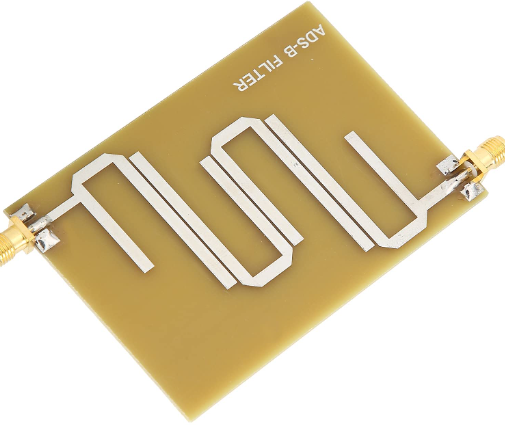
Key Considerations When Sourcing Wholesale Metal Core PCBs
When sourcing wholesale metal core printed circuit boards (PCBs), several key considerations must be taken into account to ensure optimal performance and cost-effectiveness. Metal core PCBs, known for their superior heat dissipation properties, are increasingly utilized in high-power applications such as LED lighting, automotive systems, and industrial machinery. As such, understanding the nuances of these components is crucial for making informed procurement decisions.
First and foremost, the thermal conductivity of the metal core material is a critical factor.
Typically, aluminum and copper are the metals of choice due to their excellent thermal properties. Aluminum is often preferred for its balance of cost and performance, while copper, though more expensive, offers superior thermal conductivity. The choice between these materials should be guided by the specific thermal management requirements of the application. For instance, high-power LED systems may necessitate the use of copper to effectively dissipate heat and prolong the lifespan of the components.
In addition to thermal conductivity, the thickness of the metal core is another important consideration.
The core thickness directly impacts the PCB’s ability to manage heat. Thicker cores provide better heat dissipation but may also increase the overall weight and cost of the PCB. Therefore, it is essential to strike a balance between thermal performance and economic feasibility. Consulting with suppliers to understand the available options and their implications can aid in making a well-informed decision.
Another pivotal aspect is the quality and reliability of the supplier.
When sourcing wholesale metal core PCBs, it is imperative to partner with reputable manufacturers who adhere to stringent quality control standards. This ensures that the PCBs meet the required specifications and perform reliably in their intended applications. Evaluating the supplier’s track record, certifications, and customer reviews can provide valuable insights into their reliability and quality assurance practices.
Furthermore, the design and layout of the PCB play a significant role in its overall performance.
Metal core PCBs require careful consideration of trace routing, component placement, and thermal vias to optimize heat dissipation. Collaborating with experienced PCB designers who are well-versed in metal core technology can help in creating efficient and effective designs. This collaboration can also facilitate the identification of potential design issues early in the process, thereby reducing the risk of costly revisions later on.
Cost considerations are also paramount when sourcing wholesale metal core PCBs.
While it is tempting to opt for the lowest-priced option, it is essential to consider the total cost of ownership. This includes not only the initial purchase price but also factors such as reliability, lifespan, and potential downtime due to failures. Investing in higher-quality PCBs may result in lower long-term costs by reducing maintenance and replacement expenses.
Lastly, logistical factors such as lead times, shipping costs, and minimum order quantities should be taken into account.
Efficient supply chain management is crucial to ensure timely delivery and avoid production delays. Engaging with suppliers who offer flexible logistics solutions and have a robust supply chain infrastructure can help in mitigating these challenges.
In conclusion, sourcing wholesale metal core PCBs involves a multifaceted evaluation of thermal properties, material selection, supplier reliability, design considerations, cost implications, and logistical factors. By carefully assessing these elements, businesses can make informed decisions that enhance the performance and cost-effectiveness of their high-power applications.
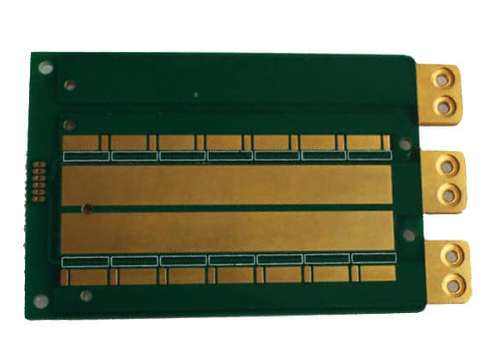
Innovations In Metal Core PCB Technology For Wholesale Markets
The landscape of printed circuit board (PCB) technology has undergone significant transformations over the past few decades, with metal core PCBs (MCPCBs) emerging as a pivotal innovation. These advancements have not only revolutionized the electronics industry but have also created new opportunities for wholesale markets. Metal core PCBs, characterized by their ability to efficiently dissipate heat, are increasingly becoming the preferred choice for high-power applications. This shift is driven by the growing demand for reliable and durable electronic components in sectors such as automotive, aerospace, and consumer electronics.
One of the primary reasons for the rising popularity of MCPCBs in wholesale markets is their superior thermal management capabilities.
Traditional PCBs, typically made from materials like FR4, often struggle with heat dissipation, leading to potential failures in high-power applications. In contrast, MCPCBs incorporate a metal core, usually aluminum or copper, which acts as a heat sink, effectively drawing heat away from critical components. This enhanced thermal performance not only extends the lifespan of electronic devices but also improves their overall efficiency and reliability.
Moreover, the wholesale market for MCPCBs is benefiting from advancements in manufacturing technologies.
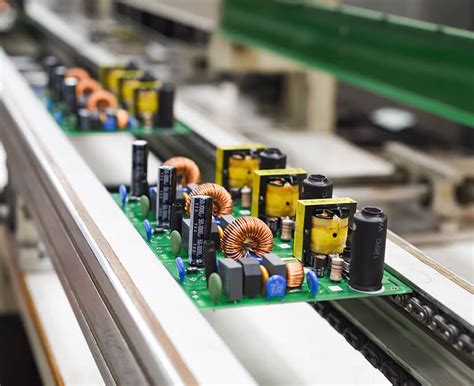
Innovations such as automated production lines and precision machining have significantly reduced production costs, making MCPCBs more accessible to a broader range of industries. Additionally, the development of new materials and fabrication techniques has enabled manufacturers to produce MCPCBs with higher thermal conductivity and improved mechanical properties. These advancements are particularly beneficial for applications that require robust and reliable performance under extreme conditions.
Another factor contributing to the growth of the MCPCB wholesale market is the increasing adoption of LED lighting systems.
LEDs are known for their energy efficiency and long lifespan, but they also generate a considerable amount of heat. MCPCBs are ideally suited for LED applications due to their excellent thermal management properties. By effectively dissipating heat, MCPCBs help maintain the optimal operating temperature of LEDs, thereby enhancing their performance and longevity. This has led to a surge in demand for MCPCBs in the LED lighting industry, further driving the growth of the wholesale market.
In addition to thermal management, MCPCBs offer several other advantages that make them attractive to wholesale buyers.
For instance, their robust construction provides better mechanical stability and resistance to environmental factors such as moisture and vibration. This makes them ideal for use in harsh environments, such as automotive and aerospace applications, where reliability and durability are paramount. Furthermore, MCPCBs can be designed with multiple layers, allowing for greater design flexibility and the integration of more complex circuitry.
As the demand for high-performance electronic components continues to rise, the wholesale market for MCPCBs is poised for significant growth.
Companies that invest in the latest manufacturing technologies and materials will be well-positioned to capitalize on this trend. Moreover, the ongoing development of new applications and industries that require advanced thermal management solutions will further drive the demand for MCPCBs.
In conclusion, the innovations in metal core PCB technology are transforming the wholesale market by offering superior thermal management, enhanced mechanical properties, and greater design flexibility. As industries continue to seek reliable and efficient electronic components, the demand for MCPCBs is expected to grow, presenting lucrative opportunities for manufacturers and wholesalers alike. By staying at the forefront of technological advancements and understanding the evolving needs of various industries, companies can successfully navigate the dynamic landscape of the MCPCB market.
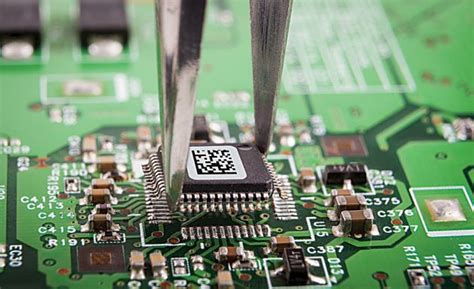
Cost-Effective Strategies For Purchasing Wholesale Metal Core PCBs
When considering the acquisition of wholesale metal core printed circuit boards (PCBs), it is essential to adopt cost-effective strategies to ensure both quality and affordability. Metal core PCBs, known for their superior thermal management properties, are increasingly in demand across various industries, including automotive, aerospace, and consumer electronics.
To navigate the complexities of purchasing these specialized components, several key strategies can be employed.
Firstly, it is crucial to conduct thorough market research.
Understanding the landscape of suppliers and manufacturers is fundamental. By comparing different vendors, one can identify those offering competitive pricing without compromising on quality. Engaging in market research also allows buyers to stay informed about the latest technological advancements and trends in metal core PCB manufacturing, which can influence purchasing decisions.
Another effective strategy is to establish long-term relationships with reputable suppliers.
Building a strong rapport with suppliers can lead to better pricing, priority service, and access to exclusive deals. Suppliers are often more willing to negotiate prices and offer discounts to loyal customers who place regular, bulk orders. Additionally, long-term partnerships can foster better communication and collaboration, ensuring that specific requirements and standards are consistently met.
Leveraging economies of scale is another pivotal approach.
Purchasing in bulk can significantly reduce the per-unit cost of metal core PCBs. This strategy is particularly beneficial for companies with high-volume production needs. By consolidating orders and negotiating bulk purchase agreements, businesses can achieve substantial cost savings. However, it is important to balance bulk purchasing with inventory management to avoid overstocking and potential obsolescence.
Furthermore, exploring alternative sourcing options can yield cost benefits.
While domestic suppliers may offer convenience and shorter lead times, international suppliers, particularly those in regions with lower manufacturing costs, can provide more competitive pricing. However, it is essential to weigh the potential risks associated with international sourcing, such as longer shipping times, customs regulations, and potential communication barriers. Conducting due diligence and vetting international suppliers thoroughly can mitigate these risks.
In addition to sourcing strategies, optimizing the design and specifications of metal core PCBs can lead to cost reductions.
Collaborating with suppliers during the design phase can result in more efficient manufacturing processes and material usage. For instance, simplifying the PCB layout, reducing the number of layers, or selecting cost-effective materials can lower production costs. Design for manufacturability (DFM) principles should be applied to ensure that the PCB design is optimized for cost-effective production without sacrificing performance.
Moreover, taking advantage of technological advancements in PCB manufacturing can also contribute to cost savings.
Innovations such as automated production lines, advanced testing methods, and improved material science can enhance efficiency and reduce production costs. Staying abreast of these advancements and incorporating them into the procurement strategy can provide a competitive edge.
Lastly, it is important to consider the total cost of ownership (TCO) when purchasing wholesale metal core PCBs.
TCO encompasses not only the initial purchase price but also factors such as shipping costs, lead times, quality assurance, and potential warranty or repair expenses. A comprehensive evaluation of TCO ensures that all cost factors are accounted for, leading to more informed and financially sound purchasing decisions.
In conclusion, purchasing wholesale metal core PCBs requires a multifaceted approach that includes market research, supplier relationships, bulk purchasing, alternative sourcing, design optimization, technological advancements, and TCO analysis. By implementing these cost-effective strategies, businesses can secure high-quality metal core PCBs at competitive prices, ultimately enhancing their operational efficiency and profitability.