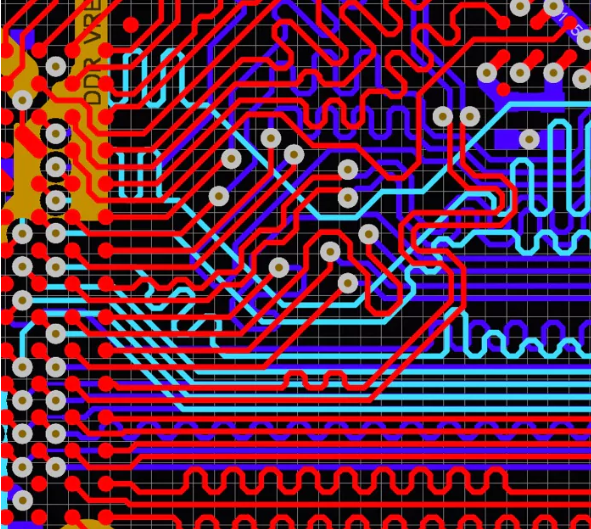
Why copper is used in pcb
Conductivity: Why copper is used in pcb
Copper is widely used in printed circuit boards (PCBs) primarily due to its superior electrical conductivity. This characteristic is crucial for the efficient functioning of electronic devices, as it ensures that electrical signals are transmitted with minimal resistance and energy loss. The high conductivity of copper, which is second only to silver among metals, makes it an ideal material for creating the intricate pathways that connect various components on a PCB.
One of the primary reasons for copper’s exceptional conductivity is its atomic structure.
Copper atoms have a single electron in their outermost shell, which can move freely and facilitate the flow of electric current. This free movement of electrons is what allows copper to conduct electricity so effectively. In comparison to other metals, copper’s low resistivity means that it can carry more current with less energy dissipation, which is essential for maintaining the performance and reliability of electronic circuits.
Moreover, the use of copper in PCBs is not only about its conductivity but also about its ability to maintain this property under various conditions.
Copper is highly resistant to oxidation and corrosion, which ensures that the conductive pathways on a PCB remain intact and functional over time. This durability is particularly important in environments where electronic devices are exposed to moisture, chemicals, or extreme temperatures. The stability of copper under such conditions helps in prolonging the lifespan of electronic devices and reducing the need for frequent repairs or replacements.
In addition to its electrical properties, copper is also favored for its mechanical characteristics.
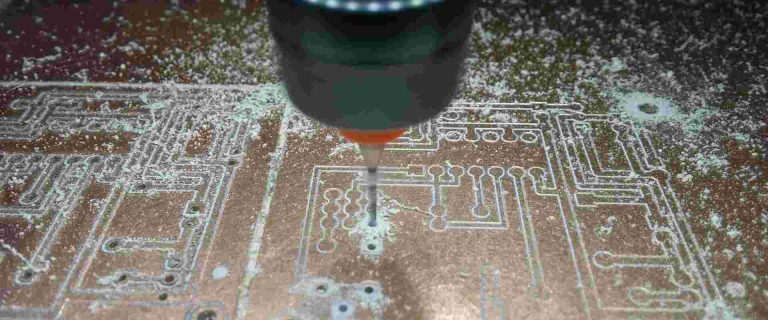
It is a ductile and malleable metal, which means it can be easily shaped and formed into thin sheets or intricate patterns without breaking. This flexibility is essential in the manufacturing process of PCBs, where precise and complex designs are required to fit the compact and densely packed nature of modern electronic devices. The ability to etch fine copper traces on a PCB allows for the creation of highly efficient and compact circuits, which are necessary for the miniaturization of electronic components.
Furthermore, copper’s thermal conductivity is another significant advantage in PCB applications.
Electronic components generate heat during operation, and efficient heat dissipation is crucial to prevent overheating and potential damage. Copper’s high thermal conductivity allows it to effectively spread and dissipate heat away from critical components, thereby enhancing the overall thermal management of the device. This property is particularly important in high-performance applications, such as in computing and telecommunications, where maintaining optimal operating temperatures is essential for performance and reliability.
The cost-effectiveness of copper also plays a role in its widespread use in PCBs.
While silver has a slightly higher electrical conductivity, it is significantly more expensive, making it less practical for large-scale manufacturing. Copper, on the other hand, offers an excellent balance between performance and cost, making it the preferred choice for most electronic applications. Its abundance and relatively low cost ensure that manufacturers can produce high-quality PCBs without incurring prohibitive expenses.
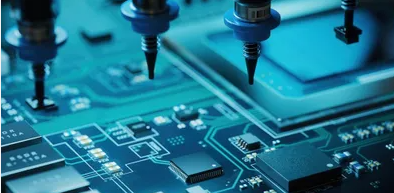
In conclusion, the superior electrical conductivity of copper, combined with its resistance to corrosion, mechanical flexibility, thermal conductivity, and cost-effectiveness, makes it the material of choice for printed circuit boards. These properties ensure that copper-based PCBs can deliver reliable performance, durability, and efficiency, which are essential for the functioning of modern electronic devices. As technology continues to advance, the role of copper in PCBs will remain pivotal, supporting the development of increasingly sophisticated and compact electronic systems.
Durability: Copper’s Long-Lasting Performance In PCBs
Copper’s long-lasting performance in printed circuit boards (PCBs) is a testament to its durability, which is a critical factor in the reliability and longevity of electronic devices. The use of copper in PCBs is not merely a matter of tradition or convenience; it is a deliberate choice driven by the metal’s exceptional properties. One of the primary reasons for copper’s widespread use in PCBs is its excellent electrical conductivity. Copper’s ability to conduct electricity efficiently ensures that signals can travel through the circuit with minimal resistance, thereby reducing energy loss and enhancing the overall performance of the electronic device.
Moreover, copper’s durability is evident in its resistance to oxidation and corrosion.
Unlike other metals that may degrade over time when exposed to environmental factors such as moisture and air, copper forms a protective oxide layer that shields it from further corrosion. This characteristic is particularly important in PCBs, which are often subjected to varying environmental conditions. The longevity of copper ensures that the circuits remain functional and reliable over extended periods, reducing the need for frequent repairs or replacements.
In addition to its resistance to corrosion, copper also exhibits excellent thermal conductivity.
This property is crucial in PCBs, where heat dissipation is a significant concern. Electronic components generate heat during operation, and if this heat is not effectively managed, it can lead to overheating and potential failure of the device. Copper’s ability to conduct heat away from critical components helps maintain optimal operating temperatures, thereby enhancing the durability and performance of the PCB.
Furthermore, copper’s mechanical properties contribute to its durability in PCBs.
Copper is a ductile metal, meaning it can be drawn into thin wires or sheets without breaking. This flexibility allows for the creation of intricate circuit patterns that are essential for modern electronic devices. The metal’s strength ensures that these patterns remain intact even under mechanical stress, such as bending or vibration, which are common in portable and wearable electronics.
The manufacturing process of PCBs also benefits from copper’s properties.
Copper can be easily etched and plated, allowing for precise and efficient production of circuit boards. The metal’s compatibility with various fabrication techniques ensures that PCBs can be produced with high accuracy and consistency, further contributing to their durability and reliability.
Additionally, the economic aspect of using copper in PCBs cannot be overlooked.
While copper is not the cheapest metal available, its long-term benefits in terms of durability and performance make it a cost-effective choice. The reduced need for maintenance and replacement, coupled with the enhanced performance of electronic devices, justifies the initial investment in copper-based PCBs.
In conclusion, copper’s long-lasting performance in PCBs is a result of its exceptional electrical and thermal conductivity, resistance to corrosion, mechanical strength, and compatibility with manufacturing processes. These properties ensure that PCBs remain reliable and efficient over extended periods, making copper an indispensable material in the electronics industry. The durability of copper not only enhances the performance of electronic devices but also contributes to their overall cost-effectiveness, underscoring the metal’s critical role in modern technology.
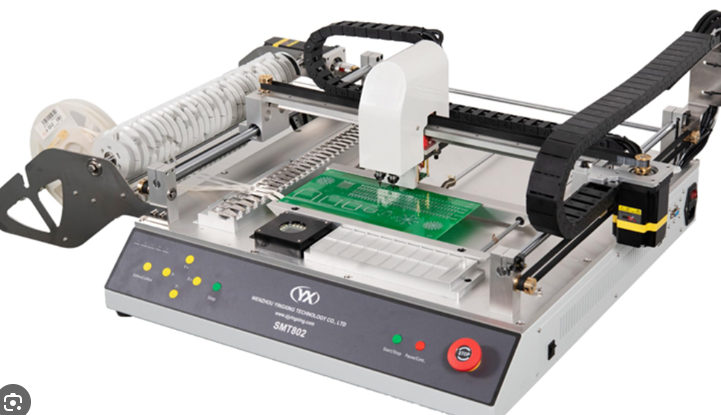
Heat Dissipation: Efficient Thermal Management With Copper
Copper is a fundamental material in the construction of printed circuit boards (PCBs) due to its exceptional thermal and electrical properties. One of the most critical aspects of PCB design is efficient thermal management, and copper plays a pivotal role in this regard. The ability of copper to dissipate heat effectively is paramount in ensuring the reliability and longevity of electronic devices.
To begin with, copper’s high thermal conductivity is a primary reason for its widespread use in PCBs.
Thermal conductivity refers to a material’s ability to conduct heat. Copper boasts a thermal conductivity of approximately 400 watts per meter per degree Celsius (W/m·K), which is significantly higher than many other metals. This high thermal conductivity allows copper to efficiently transfer heat away from critical components, thereby preventing overheating and potential damage. In electronic devices, where components are densely packed and generate substantial heat, the role of copper in heat dissipation becomes even more crucial.
Moreover, the integration of copper in PCBs facilitates the creation of thermal vias and heat sinks, which are essential for effective thermal management.
Thermal vias are small holes filled with copper that connect different layers of a PCB, allowing heat to be transferred from the surface to the inner layers or vice versa. This vertical heat transfer mechanism ensures that heat is evenly distributed throughout the PCB, reducing hotspots and enhancing overall thermal performance. Additionally, copper heat sinks, which are often attached to high-power components, further aid in dissipating heat into the surrounding environment. The combination of thermal vias and heat sinks made of copper significantly improves the thermal management capabilities of PCBs.
Furthermore, the use of copper in PCBs is not limited to its thermal properties alone.
Copper’s excellent electrical conductivity, which is second only to silver, ensures minimal electrical resistance and efficient signal transmission. This dual functionality of copper—providing both superior thermal and electrical conductivity—makes it an indispensable material in PCB manufacturing. The synergy between these properties ensures that electronic devices operate efficiently and reliably, even under demanding conditions.
In addition to its inherent properties, copper’s malleability and ductility make it an ideal material for creating intricate PCB designs.
The ability to form thin copper traces and layers allows for the development of compact and complex circuits, which are essential in modern electronic devices. This versatility in design, coupled with copper’s thermal and electrical advantages, underscores its importance in the PCB industry.
It is also worth noting that advancements in PCB technology have led to the development of various copper-based materials and techniques aimed at enhancing thermal management. For instance, the use of copper-clad laminates and copper-filled microvias has become increasingly common in high-performance PCBs. These innovations further leverage copper’s thermal properties to improve heat dissipation and overall device performance.
In conclusion, copper’s role in efficient thermal management within PCBs cannot be overstated. Its high thermal conductivity, combined with excellent electrical properties, makes it an essential material in ensuring the reliability and performance of electronic devices. The integration of copper in thermal vias, heat sinks, and intricate circuit designs highlights its versatility and indispensability in the PCB industry. As technology continues to advance, the importance of copper in effective thermal management will only grow, solidifying its position as a cornerstone of modern electronics.
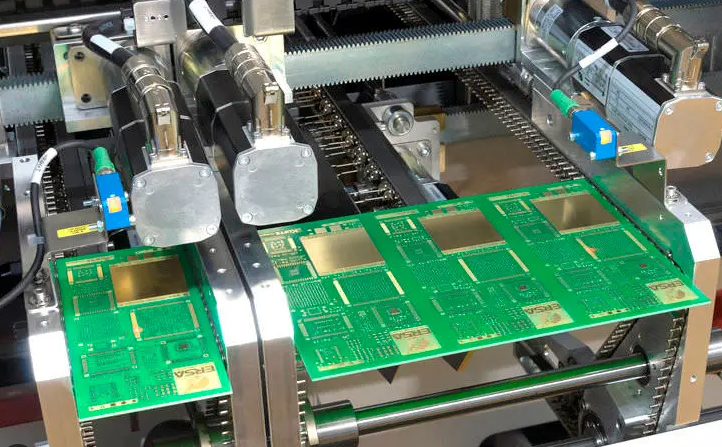
Cost-Effectiveness: Economic Benefits Of Using Copper In PCBs
Copper is a fundamental material in the manufacturing of printed circuit boards (PCBs), and its selection is not arbitrary. One of the primary reasons for its widespread use is its cost-effectiveness, which brings numerous economic benefits to the table. Understanding these benefits requires a comprehensive look at the properties of copper, its availability, and the overall impact on the production process.
Firstly, copper’s excellent electrical conductivity is a significant factor contributing to its cost-effectiveness.
High conductivity means that less material is needed to achieve the same level of performance compared to other metals. This efficiency translates into lower material costs, as manufacturers can use thinner layers of copper to achieve the desired electrical performance. Consequently, the reduction in material usage directly impacts the overall cost of production, making copper an economically viable choice.
Moreover, copper is relatively abundant and widely available, which helps stabilize its price in the market.
Unlike precious metals such as gold or silver, copper’s abundance ensures that its cost remains relatively low and predictable. This stability is crucial for manufacturers who need to manage production costs and maintain competitive pricing for their products. The predictability of copper prices allows for better budgeting and financial planning, further enhancing its cost-effectiveness.
In addition to its material properties and availability, copper’s compatibility with existing manufacturing processes also contributes to its economic benefits.
The infrastructure for producing and processing copper is well-established, meaning that there is no need for significant investment in new technologies or equipment. This compatibility reduces the initial capital expenditure required for setting up production lines, thereby lowering the overall cost of manufacturing PCBs. Furthermore, the widespread use of copper has led to the development of efficient and optimized production techniques, which further drive down costs.
Another aspect to consider is the durability and reliability of copper in PCBs.
Copper’s resistance to corrosion and its ability to maintain performance over time ensure that PCBs have a longer lifespan. This longevity reduces the need for frequent replacements and repairs, leading to cost savings for both manufacturers and end-users. The reliability of copper-based PCBs also enhances the reputation of manufacturers, potentially leading to increased demand and higher sales volumes, which can offset production costs.
Additionally, the recyclability of copper adds another layer of economic benefit.
Copper can be easily recycled without losing its properties, making it an environmentally friendly and cost-effective option. The recycling process is less energy-intensive compared to the extraction and processing of new copper, resulting in lower production costs. Manufacturers can also benefit from selling scrap copper, generating additional revenue streams and further improving the cost-effectiveness of using copper in PCBs.
In conclusion, the economic benefits of using copper in PCBs are multifaceted. Its excellent electrical conductivity, relative abundance, compatibility with existing manufacturing processes, durability, and recyclability all contribute to its cost-effectiveness. These factors not only reduce production costs but also enhance the overall efficiency and sustainability of the manufacturing process. As a result, copper remains the material of choice for PCB production, offering a balance of performance and economic viability that is difficult to match with alternative materials.