
Flex pcb stack up
A flexible printed circuit board (flex PCB) stack-up refers to the arrangement of layers of materials that make up the flex PCB.
The stack-up is critical to the design and performance of the flex PCB,
as it determines the electrical, mechanical, and thermal properties of the board.
Typically, a flex PCB stack-up consists of the following layers:
1. Coverlay: A protective layer that covers the copper traces and provides insulation.
2. Copper traces: Conductive pathways that carry electrical signals.
3. Adhesive: A layer that bonds the copper traces to the substrate.
4. Substrate: The base material of the flex PCB, which can be made of polyimide, polyester, or other materials.
5. Adhesive: Another layer of adhesive that bonds the substrate to the stiffener.
6. Stiffener: A rigid layer that provides support and stability to the flex PCB.
The number and order of these layers can vary depending on the specific requirements of the flex PCB design.
For example, additional layers may be added for shielding, impedance control, or thermal management.
The stack-up also determines the flexibility of the flex PCB.
A thinner substrate and fewer layers of adhesive can result in a more flexible board,
while a thicker substrate and more layers of adhesive can result in a stiffer board.
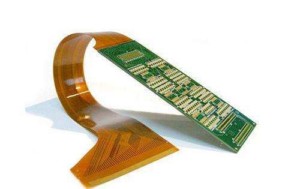
the role of flex pcb stack up
Flex PCB stack up plays a crucial role in determining the performance, reliability, and durability of a flexible printed circuit board.
The stack up refers to the arrangement of the different layers of the flex PCB,
including the conductive and insulating layers, adhesive layers, and cover layers.
The primary function of the flex PCB stack up is to provide a stable and reliable electrical connection between the different components of the circuit.
The stack up also helps to protect the circuit from environmental factors such as moisture, heat, and mechanical stress.
The choice of materials and the arrangement of the layers in the stack up can significantly impact the performance of the flex PCB.
For example, using high-quality materials and optimizing the layer arrangement can improve the signal integrity,
reduce interference, and increase the overall reliability of the circuit.
In summary, the flex PCB stack up is a critical factor in the design and manufacture of flexible printed circuit boards.
It plays a crucial role in ensuring the performance, reliability, and durability of the circuit,
and should be carefully considered during the design process.