
Rigid Flex PCB Price
Rigid flex PCBs, a combination of rigid and flexible printed circuit boards, have gained immense popularity in various industries due to their unique design and functionality.
These boards offer the benefits of both rigid and flexible PCBs, making them ideal for applications where space constraints, durability, and reliability are crucial. However, one aspect that often concerns potential buyers is the price of rigid flex PCBs.
When it comes to determining the price of rigid flex PCBs, several factors come into play. These factors include the complexity of the design, the number of layers, the quantity required, the materials used, and the manufacturing processes involved. Let’s delve deeper into these factors to understand how they influence the pricing of rigid flex PCBs.
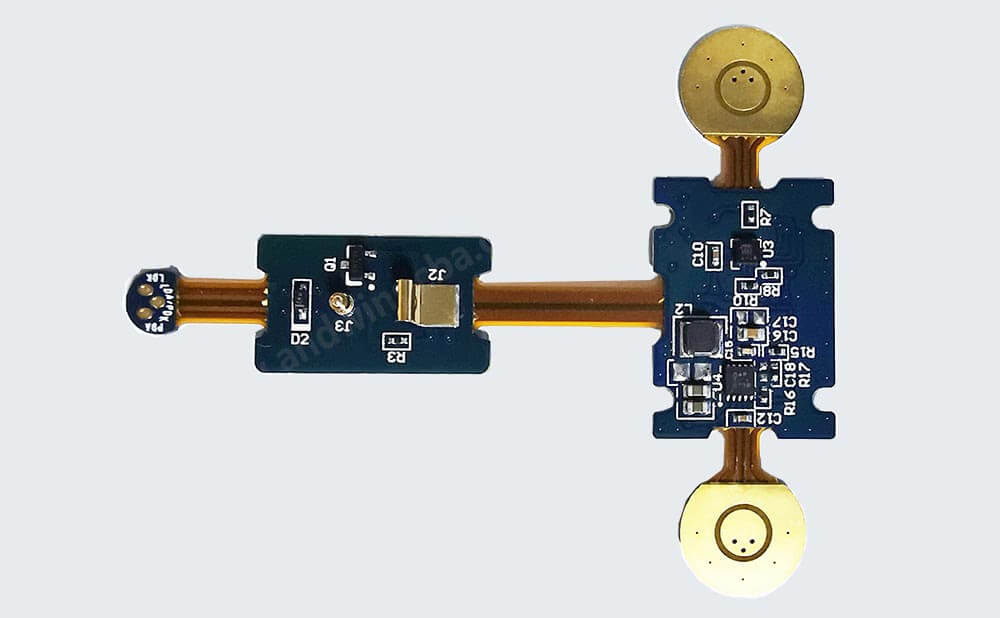
Firstly, the complexity of the design plays a significant role in determining the price. Rigid flex PCBs can be designed in various intricate shapes and sizes to fit specific applications. The more complex the design, the higher the manufacturing cost, and subsequently, the price. Designs with multiple bends, cutouts, or intricate routing patterns require advanced manufacturing techniques, which can increase the overall cost.
The number of layers in a rigid flex PCB also affects the price. The more layers required, the more materials and manufacturing steps are involved, leading to a higher price. Each layer adds complexity and requires additional processing steps, such as lamination and drilling, which contribute to the overall cost.
The quantity of rigid flex PCBs needed also impacts the price. Generally, ordering larger quantities reduces the per-unit cost, as manufacturers can optimize their production processes and achieve economies of scale. However, for smaller quantities, the price per unit may be higher due to setup costs and the need for specialized manufacturing processes.
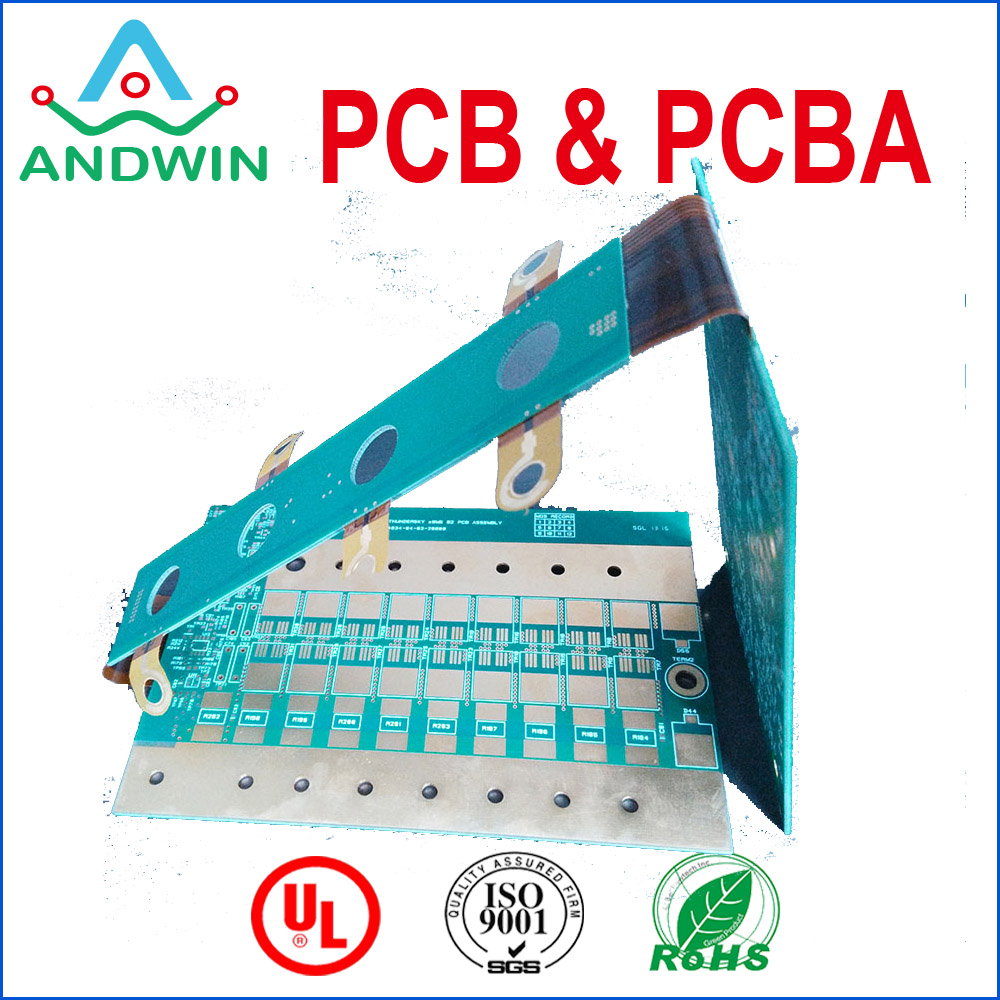
The choice of materials used in rigid flex PCBs is another factor influencing the price. High-quality materials, such as advanced laminates and flexible substrates, tend to be more expensive. These materials offer superior performance, durability, and reliability, making them ideal for demanding applications. However, they contribute to an increased overall cost.
Furthermore, the manufacturing processes involved in producing rigid flex PCBs impact the price. Advanced manufacturing techniques, such as laser drilling, sequential lamination, and selective plating, require specialized equipment and skilled labor. These processes add value to the final product but also contribute to higher manufacturing costs.
To get an accurate price for rigid flex PCBs, it is crucial to consult with reputable PCB manufacturers or suppliers. They can provide detailed quotations based on the specific requirements of the project, taking into account factors like design complexity, number of layers, quantity, materials, and manufacturing processes.
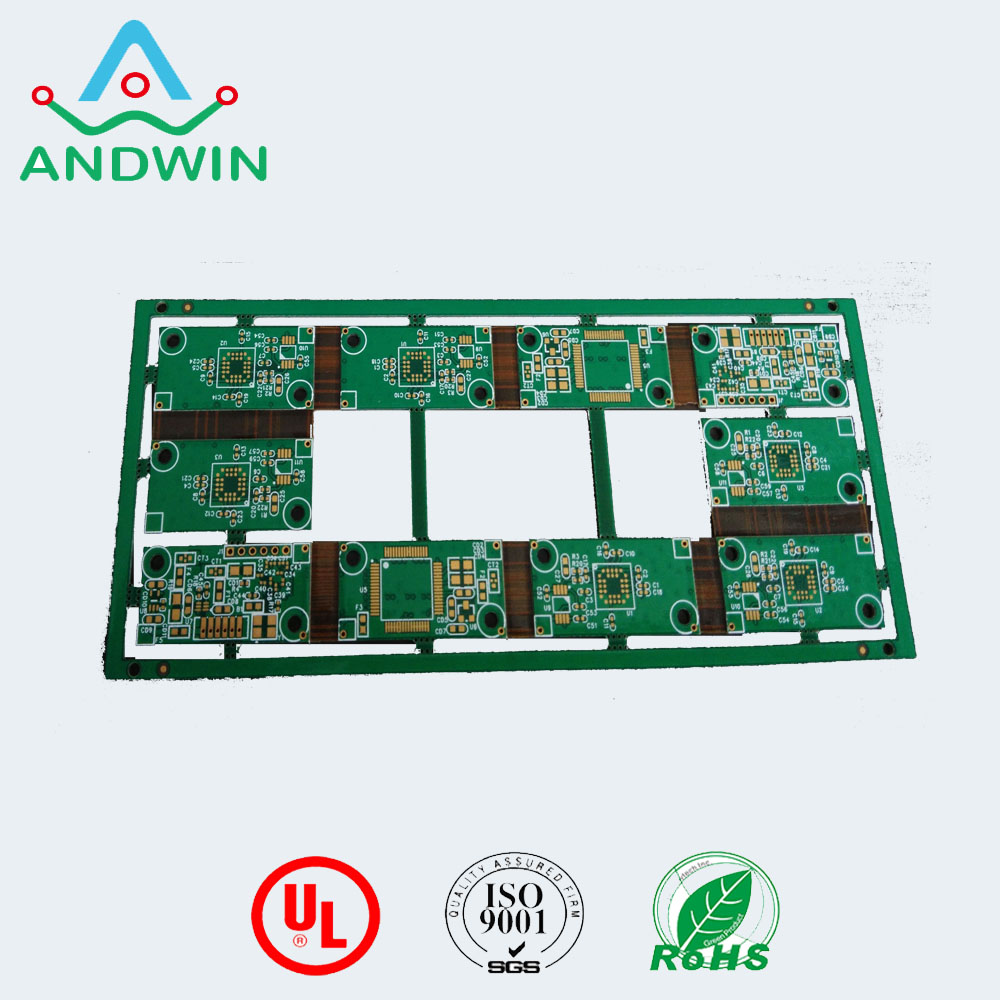
While rigid flex PCBs may have a higher price compared to traditional rigid or flexible PCBs, their unique capabilities and advantages justify the investment. These boards offer enhanced reliability, improved signal integrity, reduced assembly time, and space savings, making them an excellent choice for applications where performance and durability are critical.
In conclusion, the price of rigid flex PCBs is influenced by various factors, including design complexity, number of layers, quantity, materials, and manufacturing processes.
While these boards may come at a higher cost compared to other PCB types, their unique features and benefits make them a worthwhile investment. When considering the price of rigid flex PCBs, it is essential to consult with reputable manufacturers to obtain accurate quotations based on specific project requirements.