
How to do about ceramic pcb wiki ?
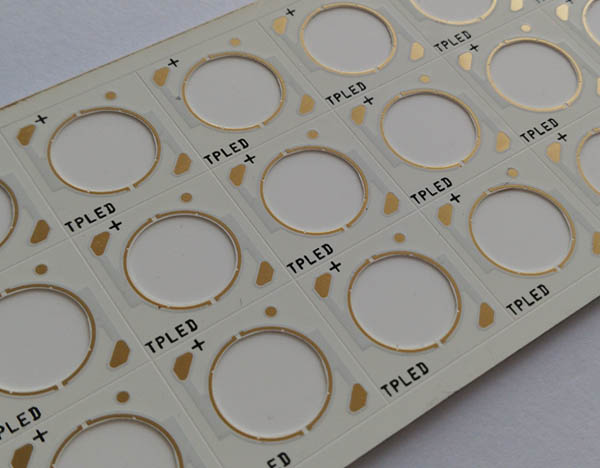
Ceramic PCB, also known as ceramic printed circuit board, is a type of circuit
board that uses ceramic as the base material instead of traditional materials like
fiberglass or epoxy. It offers several advantages over conventional PCBs, such
as high thermal conductivity, excellent mechanical stability, and superior electrical performance.
Ceramic PCBs are commonly used in applications that require high power or
high-frequency circuits, such as power modules, LED lighting, aerospace and
defense systems, and electronic devices for automotive and telecommunications
industries. The ceramic material used in these PCBs is typically alumina (Al2O3)
or aluminum nitride (AlN), which have good thermal conductivity properties.
The manufacturing process of ceramic PCBs involves several steps, including
ceramic material preparation, circuit design, printing of conductive traces, and
firing at high temperatures to achieve the desired electrical and mechanical
properties. The ceramic material provides a stable and durable platform for
electronic components, allowing for better heat dissipation and improved overall performance.
Overall, ceramic PCBs offer enhanced reliability, thermal management,
and electrical performance, making them suitable for various demanding
applications in the electronics industry.
How to do about ceramic pcb wiki ?
To create a wiki page about ceramic PCB, you can follow these steps:
1. Research: Gather information about ceramic PCBs from reliable sources
such as books, research papers, industry websites, and technical documents.
Understand the basics, applications, advantages, and manufacturing processes of ceramic PCBs.
2. Outline: Create an outline for your wiki page. Divide the content into sections
such as Introduction, Advantages, Applications, Manufacturing Process, and References.
3. Write the content: Start writing the content for each section based on your
research. Ensure that the information is accurate, concise, and easy to
understand. Use simple language and avoid technical jargon as much as possible.

4. Include images: Find relevant images or diagrams that can help illustrate the
concepts and processes related to ceramic PCBs. Ensure that you have the
necessary permissions to use these images and provide proper attribution.
5. Format the page: Use appropriate formatting techniques to make the wiki page
visually appealing and easy to navigate. Use headings, subheadings, bullet points,
and numbered lists to organize the content. Add links to related articles or external
resources wherever necessary.
6. Proofread and edit: Review the content for any grammatical or factual errors.
Make necessary edits to improve clarity and readability. Ensure that the information
is up-to-date and reflects the latest developments in the field of ceramic PCBs.
7. Publish the page: Once you are satisfied with the content, publish the wiki page
on a suitable platform such as Wikipedia or any other wiki hosting site. Follow the
guidelines provided by the platform to create an account, format the page, and submit your content.