
PCB in wireless communication technology in the Internet of Things
Wireless communication technologies mainly include Wireless Personal Area Network (WPAN), Wireless Local Area Network (WLAN), Wireless Metropolitan Area Network (WMAN) and Wireless Wide Area Network (WWAN). These technologies transmit information through wireless signals, are flexible, convenient, and fast, and are suitable for various IoT application scenarios.
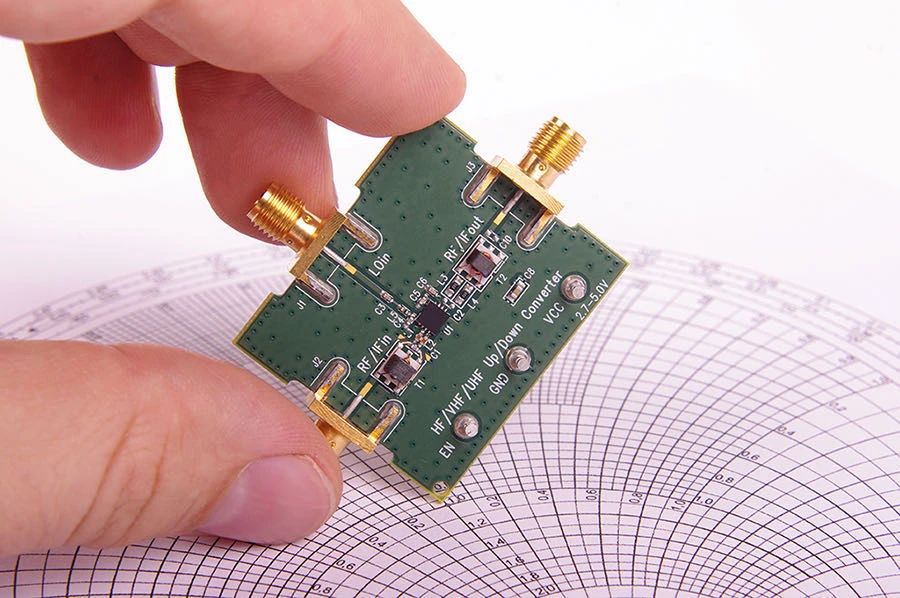
In the Internet of Things, the main role of wireless communication technology is to realize information transmission and communication between devices. Through wireless networks, multimedia information such as data, voice, and video can be transmitted between devices in real time, enabling information sharing and interaction between devices. This method of information transmission does not require cable connections, reducing wiring costs and difficulty, while also improving the mobility and flexibility of the device.
Wireless communication technology is widely used in the Internet of Things, covering many fields such as smart homes, smart transportation, smart medical care, and smart industry. For example, in smart homes, wireless communication technology can realize the interconnection and interoperability of smart devices, making it convenient for users to remotely control and manage home devices; in smart transportation, wireless communication technology can realize information between vehicles and vehicles, and between vehicles and roads. transmission and communications to improve traffic efficiency and safety.
With the continuous development of the Internet of Things, wireless communication technology is also constantly innovating and improving. Future wireless communication technology will be more efficient, reliable, and secure, and can meet the needs of the Internet of Things for massive data transmission, low power consumption, and low latency. At the same time, wireless communication technology will also be integrated with other emerging technologies such as artificial intelligence and cloud computing to jointly promote the development and application of the Internet of Things. Wireless communication technology plays an important role in the Internet of Things and is one of the key technologies to achieve information transmission and communication between devices. With the popularity and development of the Internet of Things, wireless communication technology will continue to play its advantages and role, providing strong support for the development and application of the Internet of Things.
GET PCB MANUFACTURING AND ASSEMBLY QUOTE NOW!
The following is a detailed introduction to wireless communication technology in the Internet of Things:
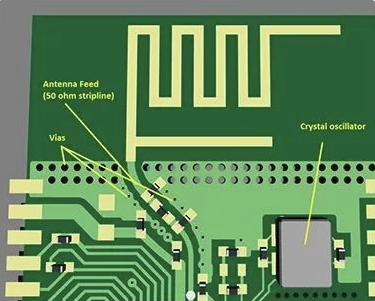
1.WPAN wireless communication technology
(1)Bluetooth: It is a wireless transmission technology that supports short-distance communication between devices. It uses the 2.4GHz frequency band to support data transmission, voice communication and interoperability between devices. Bluetooth technology is widely used in smart home, smart medical and other fields.
(2)ZigBee: A low-power LAN protocol based on the IEEE802.15.4 standard. ZigBee has the advantages of low power consumption, low cost, low speed, short distance, short delay, large network capacity, and high security, and is suitable for various automatic control and remote control fields.
(3).NFC (Near Field Communication): It is a communication technology based on radio frequencies that can realize data transmission and exchange between devices within a short distance. NFC technology is widely used in mobile payment, identity recognition, smart posters and other fields.
2.WLAN wireless communication technology
WiFi (Wireless Fidelity): is a technology that allows electronic devices to connect to a wireless local area network (WLAN), usually using 2.4G UHF or 5G SHF
ISM radio frequency band. WiFi has the advantages of wide coverage and fast transmission rate, and is widely used in smart homes, smart medical care, smart transportation and other fields.
3.WMAN wireless communication technology
WiMAX (Worldwide Interoperability for Microwave
Access): It is a wireless metropolitan area network technology that provides wireless broadband access and high-speed data transmission services. WiMAX has the advantages of long transmission distance, high transmission rate, and high reliability, and is suitable for urban-wide communications and broadband access.
4. WWAN wireless communication technology
2G, 3G, 4G, and 5G mobile communication networks: These technologies are mainly used for mobile terminal access and data transmission, and can achieve global mobile communications and Internet access. With the development of technology, the transmission rate, coverage and reliability of mobile communication networks continue to improve to meet the growing demand for mobile communication.
5. LPWAN wireless communication technology
LoRa(LongRange): It is a low-power wide area network technology based on spread spectrum technology, which realizes the connection and control of IoT devices through long-distance wireless communication. LoRa has the advantages of long transmission distance, low power consumption, and low cost, and is suitable for remote monitoring and management of IoT devices.
NB-IoT(Narrowband Internet ofThings): It is a narrowband IoT technology that realizes the connection and control of IoT devices through narrowband communication. NB-IoT has the advantages of wide coverage, large number of connections, and low power consumption, and is suitable for various low-power, low-rate IoT application scenarios.
6. Other wireless communication technologies
SigFox: It is an ultra-narrowband communication technology for Internet of Things devices that realizes data transmission and control between devices through a dedicated wireless network. SigFox has the advantages of long transmission distance, low power consumption, and low cost, and is suitable for various IoT application scenarios.
Weightless: It is a radio-based communication technology that enables the connection and control of IoT devices through radio waves. Weightless has the advantages of long transmission distance, high reliability, and low power consumption, and is suitable for various remote monitoring and management scenarios.
GET PCB AND ASSEMBLY SERVICE QUOTE NOW!
The above are common wireless communication technologies in the Internet of Things. They have wide application and development prospects in their respective fields. With the continuous development and improvement of Internet of Things technology
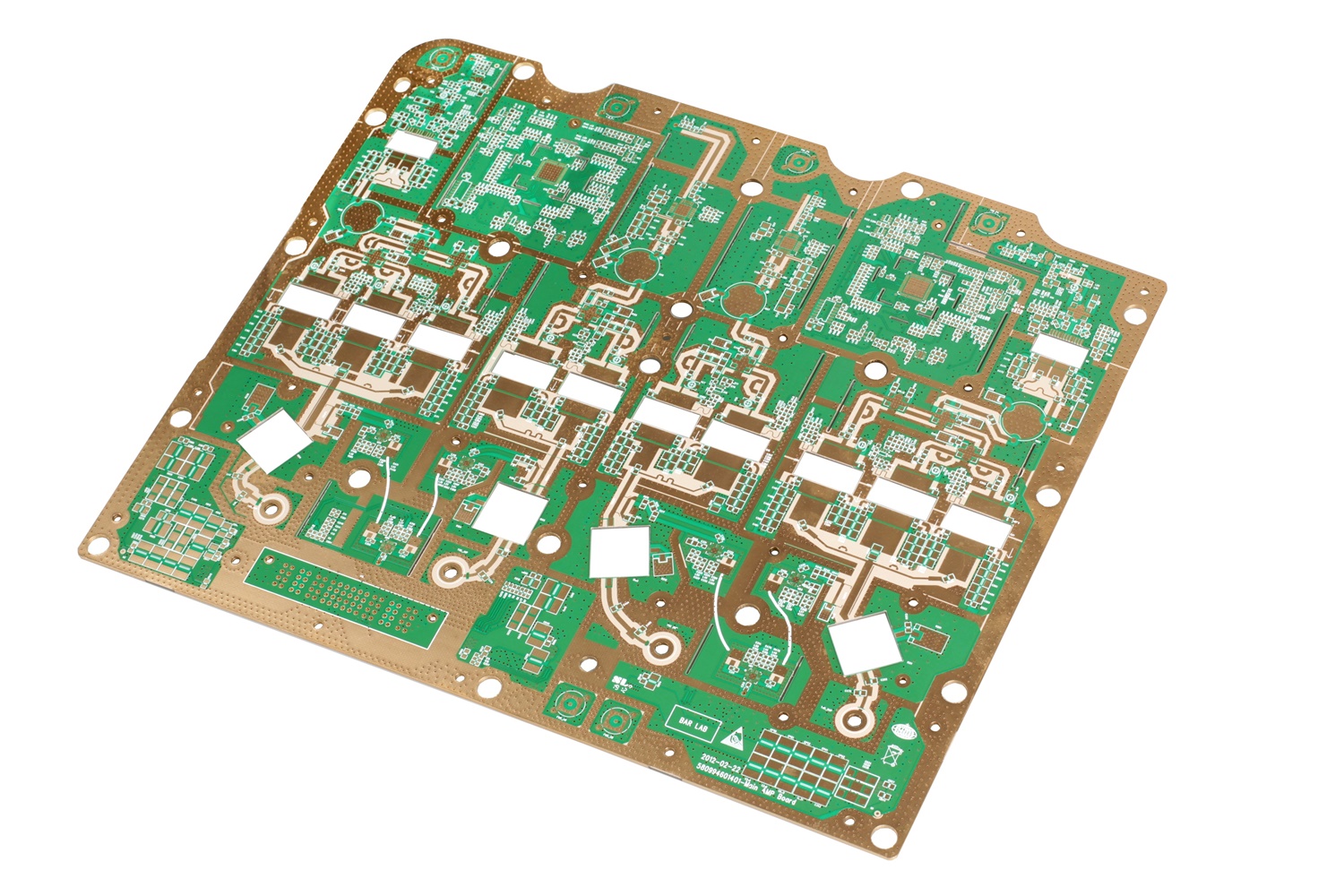
Wireless communication technology has revolutionized the way we connect, communicate and interact with the world around us. At the heart of this technological advancement lies the intricate and precise design of printed circuit boards (PCBs). These important components serve as the backbone of wireless devices, enabling seamless communication and efficient data transfer. The role of PCB design in advancing wireless communications technology cannot be overstated, as it directly impacts the performance, reliability, and miniaturization of modern wireless systems.
First, PCB design is critical to ensuring efficient transmission and reception of wireless signals. High-frequency signals characterize wireless communications and require precise routing and minimal signal loss. PCB designers must carefully plan the layout to minimize interference and crosstalk between different signal paths. This involves the use of advanced techniques such as controlled impedance routing, differential pair routing, and the incorporation of ground planes. By optimizing these design elements, the PCB can maintain signal integrity, thereby improving the overall performance of the wireless communications device.
In addition, the miniaturization of wireless devices has become an important trend in recent years, driven by consumer demand for compact portable devices. PCB design plays a key role in achieving this miniaturization. Designers use technologies such as high-density interconnect (HDI) technology to place more components on a smaller board area. Additionally, the use of multilayer PCBs allows the integration of complex circuits within limited space. These advances in PCB design have led to the development of smaller but more powerful wireless devices, from smartphones to wearable technology.
In addition to size reduction, the reliability of wireless communication devices depends heavily on the robustness of the PCB design. Wireless devices often operate in diverse and challenging environments where factors such as temperature fluctuations, humidity, and mechanical stress can impact performance. To address these challenges, PCB designers implement various reliability-enhancing features. For example, the use of heat dissipation holes and radiators helps to effectively dissipate heat, prevent overheating and ensure stable operation. Additionally, selecting high-quality materials and adhering to strict manufacturing standards can help increase the durability and longevity of your PCB.
Transitioning to power management, efficient PCB design is critical to optimizing power consumption in wireless devices. As the demand for longer battery life continues to increase, especially in portable devices, designers must focus on reducing power consumption and improving energy efficiency. This involves the strategic placement of power components, the use of low-power design techniques, and the implementation of power management circuitry. By optimizing power distribution and minimizing energy waste, PCBs can significantly extend the battery life of wireless communications devices.
In addition, the emergence of emerging wireless technologies such as 5G and the Internet of Things (IoT) has brought new challenges and opportunities to PCB design. These technologies require higher data rates, lower latency, and greater connectivity, thus requiring more complex PCB designs. For example, 5G technology requires the use of millimeter-wave frequencies, which require precise impedance control and minimal signal loss. PCB designers must keep up with these technological advances and continue to innovate to meet the ever-changing requirements of wireless communication systems.
In summary, the role of PCB design in advancing wireless communications technology is multifaceted and integral. From ensuring signal integrity and miniaturization to improving reliability and power efficiency, PCB design is at the core of enabling seamless operation of modern wireless devices. As wireless technology continues to evolve, the importance of innovative and robust PCB design will only grow, driving further advancements and shaping the future of wireless communications.