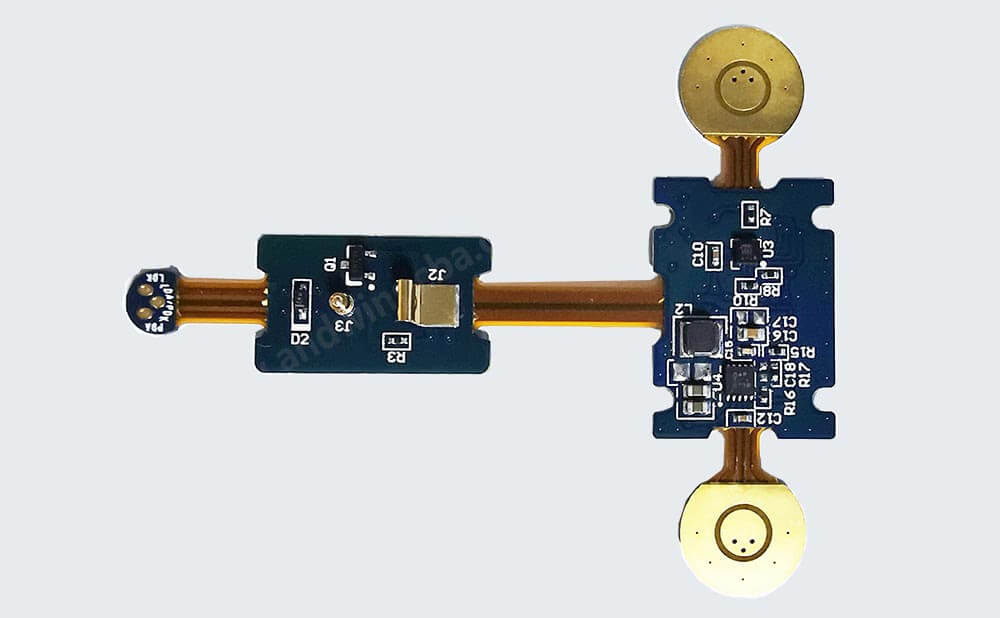
Bare flex pcb

Advantages Of Using Bare Flex PCBs In Modern Electronics

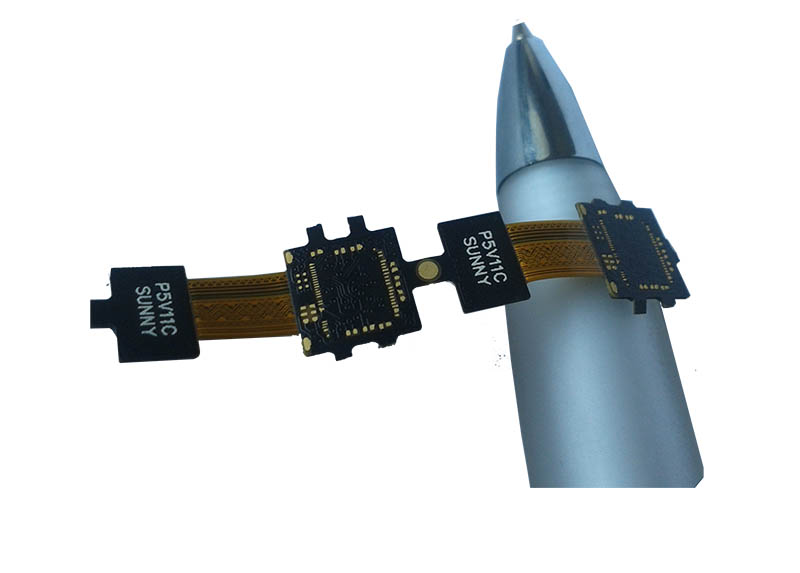
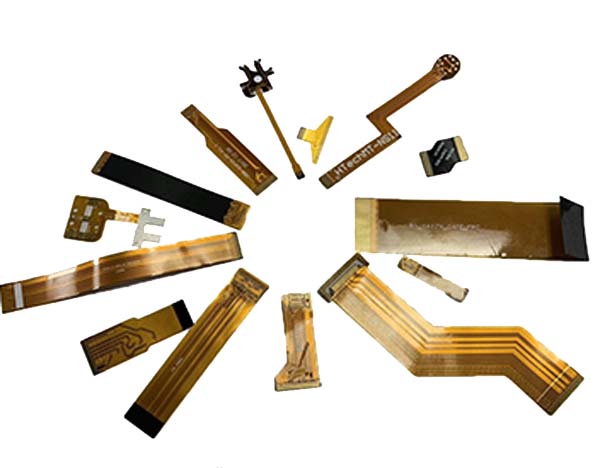
Bare flex PCBs, or bare flexible printed circuit boards, have become increasingly prevalent in modern electronics due to their numerous advantages over traditional rigid PCBs.

These flexible circuits are composed of a thin, flexible substrate material, typically polyimide, which allows them to bend and conform to various shapes and spaces. This inherent flexibility offers a range of benefits that make them particularly suitable for contemporary electronic applications.

One of the primary advantages of bare flex PCBs is their ability to save space and reduce weight.

In an era where miniaturization is paramount, especially in consumer electronics such as smartphones, wearables, and medical devices, the compact nature of flexible circuits is invaluable. By allowing components to be placed closer together and enabling the circuit to fit into tight or irregular spaces, bare flex PCBs contribute significantly to the overall reduction in device size and weight. This is particularly beneficial in portable devices where every gram and millimeter count.

Moreover, the flexibility of these PCBs enhances their durability and reliability.

Traditional rigid PCBs are prone to damage from vibrations and mechanical stress, which can lead to circuit failure. In contrast, bare flex PCBs can absorb and dissipate mechanical stress more effectively due to their pliable nature. This makes them ideal for applications in automotive, aerospace, and industrial sectors where devices are often subjected to harsh conditions and constant movement. The ability to withstand such environments without compromising performance ensures a longer lifespan and reduced maintenance costs.

In addition to their physical advantages, bare flex PCBs also offer significant electrical benefits.

The shorter and more direct routing of electrical paths in flexible circuits can lead to improved signal integrity and reduced electromagnetic interference (EMI). This is crucial in high-frequency applications where signal clarity and precision are essential. Furthermore, the use of advanced materials and manufacturing techniques in the production of bare flex PCBs can result in lower resistance and capacitance, enhancing overall circuit performance.

Another notable advantage is the potential for cost savings in both manufacturing and assembly.

The streamlined design of bare flex PCBs can reduce the number of interconnects and connectors required, simplifying the assembly process and lowering production costs.

Additionally, the ability to integrate multiple functions into a single flexible circuit can eliminate the need for multiple rigid boards and connectors, further reducing material and labor expenses. This cost efficiency is particularly advantageous in high-volume production runs where even small savings can accumulate significantly.

Environmental considerations also play a role in the growing adoption of bare flex PCBs.

The reduced material usage and potential for fewer interconnects contribute to a lower environmental footprint. Moreover, the durability and reliability of flexible circuits mean that devices are less likely to require frequent replacements, leading to less electronic waste. As sustainability becomes an increasingly important factor in electronics design and manufacturing, the eco-friendly aspects of bare flex PCBs are likely to drive their continued adoption.

In conclusion, the advantages of using bare flex PCBs in modern electronics are manifold. Their ability to save space and weight, enhance durability and reliability, improve electrical performance, reduce manufacturing and assembly costs, and contribute to environmental sustainability make them an attractive option for a wide range of applications. As technology continues to evolve and the demand for smaller, more efficient, and more reliable electronic devices grows, the role of bare flex PCBs is set to become even more significant.

Design Considerations For Bare Flex PCBs

When designing bare flex PCBs, several critical considerations must be taken into account to ensure optimal performance and reliability. One of the primary factors to consider is the material selection. Flex PCBs are typically made from polyimide or polyester substrates, which offer excellent flexibility and thermal stability. Polyimide is often preferred due to its superior thermal resistance and mechanical properties, making it suitable for high-temperature applications. However, polyester can be a cost-effective alternative for less demanding environments.

Another crucial aspect is the thickness of the flex PCB.

The thickness must be carefully chosen to balance flexibility and mechanical strength. Thinner substrates provide greater flexibility but may be more prone to mechanical damage, while thicker substrates offer enhanced durability but reduced flexibility. Therefore, the intended application and mechanical stress the PCB will endure must be considered when determining the appropriate thickness.

The layout design of a bare flex PCB also requires meticulous attention.

Trace routing should be optimized to minimize stress on the conductive paths. Sharp bends and tight radii should be avoided, as they can lead to stress concentration and potential failure points. Instead, gradual curves and larger bend radii are recommended to distribute mechanical stress more evenly. Additionally, the use of staggered or offset traces can help reduce the risk of trace cracking and improve overall reliability.

Furthermore, the choice of adhesive and coverlay materials is essential in the design of bare flex PCBs.

Adhesives are used to bond the layers of the flex PCB together, and their selection should be based on factors such as thermal performance, chemical resistance, and flexibility. Coverlays, on the other hand, provide insulation and protection to the conductive traces.

Polyimide coverlays are commonly used due to their excellent thermal and mechanical properties, but other materials like liquid photoimageable (LPI) coverlays can also be considered for specific applications.

Thermal management is another critical consideration in the design of bare flex PCBs. Flex PCBs are often used in applications where space is limited, and heat dissipation can be challenging. Therefore, it is essential to incorporate thermal vias, heat sinks, or other thermal management techniques to ensure efficient heat dissipation. Proper thermal management not only enhances the performance of the flex PCB but also extends its lifespan by preventing overheating and thermal degradation.

In addition to thermal management, electrical performance must be carefully evaluated. The impedance of the conductive traces should be controlled to ensure signal integrity, especially in high-frequency applications. This can be achieved by maintaining consistent trace widths, spacing, and dielectric thicknesses. Additionally, the use of ground planes and shielding can help reduce electromagnetic interference (EMI) and crosstalk, further enhancing the electrical performance of the flex PCB.

Finally, the manufacturing process of bare flex PCBs should be considered during the design phase. Flex PCBs require specialized manufacturing techniques, such as roll-to-roll processing and laser cutting, to achieve the desired flexibility and precision. Collaborating with experienced manufacturers can help ensure that the design is optimized for manufacturability and that potential issues are addressed early in the design process.

In conclusion, designing bare flex PCBs involves a comprehensive understanding of material properties, mechanical and electrical considerations, and manufacturing processes. By carefully addressing these factors, designers can create reliable and high-performance flex PCBs that meet the specific requirements of their applications.

Common Applications Of Bare Flex PCBs In Industry

Bare flex PCBs, or bare flexible printed circuit boards, have become increasingly prevalent in various industries due to their unique properties and advantages over traditional rigid PCBs. These flexible circuits are composed of a thin, flexible substrate material, typically polyimide, which allows them to bend and conform to different shapes and spaces.

This adaptability makes them particularly valuable in applications where space constraints and mechanical flexibility are critical. As we delve into the common applications of bare flex PCBs in industry, it becomes evident that their versatility and reliability are key factors driving their widespread adoption.

One of the primary industries that benefit from bare flex PCBs is the consumer electronics sector.

In this fast-paced industry, the demand for smaller, lighter, and more efficient devices is ever-growing. Flexible PCBs are integral to the design and functionality of smartphones, tablets, and wearable technology. Their ability to bend and fold without compromising electrical performance allows manufacturers to create more compact and ergonomic devices. For instance, in smartphones, bare flex PCBs are often used to connect various components within the limited space of the device, ensuring seamless communication between the display, battery, and other critical parts.

Transitioning to the automotive industry, bare flex PCBs play a crucial role in modern vehicle design and functionality.

As vehicles become more technologically advanced, the need for reliable and flexible electronic systems has increased. Flexible PCBs are used in various automotive applications, including dashboard displays, infotainment systems, and advanced driver-assistance systems (ADAS). Their ability to withstand harsh environmental conditions, such as extreme temperatures and vibrations, makes them ideal for automotive use. Additionally, the lightweight nature of flexible PCBs contributes to overall vehicle weight reduction, which is essential for improving fuel efficiency and reducing emissions.

In the medical field, bare flex PCBs are indispensable in the development of advanced medical devices and equipment.

The miniaturization of medical devices, such as pacemakers, hearing aids, and diagnostic tools, relies heavily on the use of flexible circuits. These PCBs enable the creation of compact and reliable devices that can be comfortably worn or implanted by patients. Moreover, the biocompatibility of certain flexible PCB materials ensures that they can be safely used in medical applications without causing adverse reactions. The flexibility of these circuits also allows for innovative designs in medical imaging equipment, where they can be used to create more accurate and detailed images.

Furthermore, the aerospace and defense industries have also embraced the use of bare flex PCBs due to their robustness and reliability.

In aerospace applications, where weight and space are critical considerations, flexible PCBs offer significant advantages. They are used in various systems, including communication equipment, navigation systems, and control panels. The ability of flexible PCBs to endure extreme conditions, such as high altitudes and rapid temperature changes, makes them suitable for use in both aircraft and spacecraft. In defense applications, the durability and reliability of flexible PCBs are essential for mission-critical systems, where failure is not an option.

In conclusion, the common applications of bare flex PCBs in industry highlight their versatility, reliability, and unique advantages over traditional rigid PCBs. From consumer electronics to automotive, medical, aerospace, and defense sectors, flexible PCBs have proven to be indispensable in the development of advanced technologies. Their ability to adapt to various shapes and environments, coupled with their lightweight and durable nature, ensures that they will continue to play a vital role in the evolution of electronic systems across multiple industries.

Manufacturing Process Of Bare Flex PCBs

The manufacturing process of bare flex PCBs, or flexible printed circuit boards, is a sophisticated and intricate procedure that demands precision and expertise. These PCBs are designed to be flexible, allowing them to be bent, twisted, and folded without damaging the circuits. This flexibility makes them ideal for a wide range of applications, from consumer electronics to medical devices. To understand the manufacturing process, it is essential to delve into the various stages involved, each of which plays a crucial role in ensuring the final product’s quality and functionality.

Initially, the process begins with the selection of the base material, typically a flexible substrate such as polyimide or polyester.

These materials are chosen for their excellent thermal stability and mechanical properties. Once the substrate is selected, it is cleaned thoroughly to remove any contaminants that could affect the adhesion of subsequent layers. This cleaning process is critical, as even the smallest particles can lead to defects in the final product.

Following the cleaning, a layer of copper is laminated onto the substrate.

This copper layer serves as the conductive material for the circuit. The lamination process involves applying heat and pressure to bond the copper to the substrate securely. After lamination, the next step is to create the circuit pattern on the copper layer. This is achieved through a process called photolithography. In photolithography, a photosensitive resist is applied to the copper surface, and the desired circuit pattern is transferred onto the resist using ultraviolet light. The exposed areas of the resist are then developed, leaving behind the circuit pattern on the copper.

Subsequently, the uncovered copper areas are etched away using a chemical solution, leaving only the desired circuit traces.

This etching process must be carefully controlled to ensure that the copper is removed precisely, without undercutting or over-etching the circuit traces. Once the etching is complete, the remaining photoresist is stripped away, revealing the bare flex PCB with its intricate circuit pattern.

To enhance the durability and performance of the flex PCB, additional layers such as coverlays or solder masks may be applied. Coverlays are typically made of polyimide and are used to protect the circuit traces from environmental factors and mechanical damage. Solder masks, on the other hand, are applied to prevent solder bridges during the assembly process. These protective layers are laminated onto the PCB using heat and pressure, similar to the initial lamination process.

After the protective layers are applied, the flex PCB undergoes a series of inspections and tests to ensure its quality and functionality. These inspections may include visual examinations, electrical testing, and reliability testing. Any defects or issues identified during these inspections must be addressed before the PCB can proceed to the final stages of manufacturing.

The final steps in the manufacturing process involve cutting the flex PCB to its desired shape and size, as well as adding any necessary connectors or components. This cutting process, known as routing or die-cutting, must be performed with precision to avoid damaging the circuit traces. Once the PCB is cut and any additional components are added, it undergoes a final inspection to ensure it meets all specifications and quality standards.

In conclusion, the manufacturing process of bare flex PCBs is a complex and meticulous procedure that requires careful attention to detail at every stage. From selecting the base material to applying protective layers and conducting thorough inspections, each step is crucial in producing a high-quality, reliable flex PCB. This intricate process enables the creation of flexible circuits that are essential for a wide range of modern technological applications.

Similar Posts

Leave a Reply