
How to design a rigid flex pcb
Understanding The Basics Of How to design a rigid flex pcb
Designing a rigid-flex PCB involves a nuanced understanding of both rigid and flexible circuit board technologies. To begin with, it is essential to grasp the fundamental principles that differentiate rigid-flex PCBs from their traditional counterparts. Rigid-flex PCBs combine the best attributes of rigid and flexible circuits, offering enhanced reliability and design versatility. This hybrid nature allows for more complex and compact designs, which are particularly beneficial in applications where space and weight are critical factors.
The first step in designing a rigid-flex PCB is to clearly define the requirements and constraints of the project.
This includes understanding the electrical, mechanical, and environmental conditions the PCB will be subjected to. For instance, knowing the operating temperature range, the level of mechanical stress, and the type of electrical signals the board will handle is crucial. These parameters will influence the choice of materials, the layout design, and the overall architecture of the PCB.
Once the requirements are established, the next phase involves selecting the appropriate materials.
Rigid-flex PCBs typically use a combination of rigid FR4 materials and flexible polyimide substrates. The rigid sections provide structural support and house components that require a stable platform, while the flexible sections allow for bending and folding, facilitating connections between different rigid sections. The choice of materials must consider factors such as thermal stability, flexibility, and adhesive properties to ensure the board’s reliability and performance.
Transitioning to the layout design, it is imperative to adopt a meticulous approach.
The layout should be optimized to minimize stress on the flexible sections, as excessive bending or twisting can lead to mechanical failure. This involves strategically placing components and routing traces to distribute mechanical loads evenly. Additionally, incorporating features such as bend radii and strain reliefs can significantly enhance the durability of the flexible sections. It is also advisable to use staggered vias and teardrop pads to reduce stress concentrations and improve the board’s overall robustness.
Another critical aspect of rigid-flex PCB design is the stack-up configuration.
The stack-up defines the arrangement of conductive and insulating layers within the PCB. A well-designed stack-up ensures signal integrity, minimizes electromagnetic interference, and provides adequate power distribution. For rigid-flex PCBs, the stack-up must account for the transition between rigid and flexible sections, ensuring seamless electrical and mechanical integration. This often involves using specialized adhesives and bonding techniques to maintain the integrity of the connections.
Furthermore, it is essential to conduct thorough simulations and analyses during the design process.
Tools such as finite element analysis (FEA) can predict the mechanical behavior of the flexible sections under various conditions, allowing designers to identify potential failure points and optimize the design accordingly. Similarly, signal integrity simulations can help in assessing the performance of high-speed signals and mitigating issues such as crosstalk and signal degradation.
Finally, collaboration with the manufacturing partner is crucial to ensure the design’s feasibility and manufacturability.
Engaging with the manufacturer early in the design process can provide valuable insights into material selection, fabrication techniques, and assembly processes. This collaborative approach helps in identifying potential challenges and implementing design adjustments to streamline production and reduce costs.
In conclusion, designing a rigid-flex PCB requires a comprehensive understanding of both rigid and flexible circuit technologies, meticulous planning, and a collaborative approach. By carefully defining requirements, selecting appropriate materials, optimizing the layout, configuring the stack-up, and leveraging simulations, designers can create robust and reliable rigid-flex PCBs that meet the demands of modern electronic applications.

Key Considerations For Layer Stack-Up In Rigid-Flex PCBs
Designing a rigid-flex PCB involves a meticulous process that requires careful consideration of various factors to ensure optimal performance and reliability. One of the most critical aspects of this design process is the layer stack-up. The layer stack-up in a rigid-flex PCB is not merely a matter of stacking layers of materials; it is a complex task that demands a thorough understanding of the electrical, mechanical, and thermal properties of the materials involved. Consequently, several key considerations must be taken into account to achieve a successful design.
Firstly, the selection of materials is paramount.
The materials used in the rigid sections of the PCB are typically different from those used in the flexible sections. Rigid sections often employ materials like FR4, which provide structural stability and support for components. In contrast, the flexible sections use materials such as polyimide, which offer the necessary flexibility and durability. The compatibility of these materials is crucial, as any mismatch can lead to mechanical failures or signal integrity issues. Therefore, it is essential to choose materials that can withstand the environmental conditions and mechanical stresses they will encounter during the PCB’s lifecycle.
Transitioning from material selection, the next consideration is the layer count and arrangement.
The number of layers in a rigid-flex PCB can vary significantly depending on the complexity of the design and the requirements of the application. A higher layer count can provide more routing options and better signal integrity but also increases the overall thickness and cost of the PCB. It is essential to strike a balance between these factors to achieve an efficient and cost-effective design. Additionally, the arrangement of layers must be carefully planned to ensure that the flexible sections can bend and flex without causing damage to the traces or components.
Another critical factor to consider is the impedance control.
In high-speed applications, maintaining consistent impedance is vital to ensure signal integrity. The layer stack-up must be designed to provide controlled impedance paths for high-speed signals. This involves carefully calculating the trace widths, spacing, and the dielectric properties of the materials used. Any variations in these parameters can lead to signal reflections, crosstalk, and other issues that can degrade the performance of the PCB.
Thermal management is also a significant consideration in the layer stack-up design.
Rigid-flex PCBs are often used in applications where space is limited, and heat dissipation can be a challenge. The layer stack-up must be designed to facilitate efficient heat dissipation to prevent overheating and ensure the reliability of the PCB. This may involve incorporating thermal vias, heat sinks, or other thermal management techniques into the design.
Furthermore, the mechanical properties of the layer stack-up must be carefully evaluated.
The flexible sections of the PCB must be able to withstand repeated bending and flexing without causing damage to the traces or components. This requires a thorough understanding of the mechanical properties of the materials used and the stresses they will encounter during operation. The layer stack-up must be designed to distribute these stresses evenly and prevent any weak points that could lead to mechanical failure.
In conclusion, designing a rigid-flex PCB requires careful consideration of several key factors in the layer stack-up. Material selection, layer count and arrangement, impedance control, thermal management, and mechanical properties all play a crucial role in ensuring the performance and reliability of the PCB. By meticulously addressing these considerations, designers can create rigid-flex PCBs that meet the demanding requirements of modern electronic applications.
Best Practices For Routing And Trace Layout In Rigid-Flex PCBs
Designing a rigid-flex PCB requires meticulous attention to detail, particularly when it comes to routing and trace layout. The unique structure of rigid-flex PCBs, which combines flexible and rigid substrates, necessitates a nuanced approach to ensure both mechanical reliability and electrical performance. To achieve optimal results, it is essential to adhere to best practices that address the specific challenges posed by this hybrid technology.
First and foremost, understanding the mechanical constraints is crucial.
The flexible sections of the PCB must be designed to withstand repeated bending and flexing without compromising the integrity of the traces. Therefore, it is advisable to use curved traces instead of sharp angles in the flex regions. Sharp angles can act as stress concentrators, leading to potential cracking or delamination over time. By employing smooth, curved traces, the mechanical stress is distributed more evenly, enhancing the durability of the flexible sections.
In addition to mechanical considerations, electrical performance must also be prioritized.
Signal integrity can be significantly affected by the layout of traces, particularly in high-speed applications. To mitigate issues such as signal reflection and crosstalk, it is recommended to maintain consistent trace widths and spacing. Differential pairs should be routed together with controlled impedance to ensure signal integrity. Furthermore, the use of ground planes in both rigid and flexible sections can help to reduce electromagnetic interference (EMI) and provide a stable reference for signal traces.
Transitioning from rigid to flex sections presents another set of challenges.
It is important to avoid placing vias or components too close to the transition zones, as these areas are prone to mechanical stress. Instead, vias should be placed in the rigid sections, away from the flex-to-rigid transition. This practice not only enhances mechanical reliability but also simplifies the manufacturing process. Additionally, staggered vias can be used to distribute stress more evenly across the board.
Thermal management is another critical aspect to consider.
The different materials used in rigid-flex PCBs have varying thermal expansion coefficients, which can lead to thermal stress during operation. To address this, it is advisable to use materials with similar thermal properties and to design the layout in a way that minimizes thermal gradients. Proper thermal management ensures that the PCB can operate reliably under varying temperature conditions.
Moreover, the choice of materials plays a significant role in the overall performance of the rigid-flex PCB.
High-quality polyimide films are commonly used for the flexible sections due to their excellent thermal and mechanical properties. For the rigid sections, materials such as FR4 are typically used. Ensuring compatibility between these materials is essential for the long-term reliability of the PCB.
Finally, collaboration with the manufacturer during the design phase can provide valuable insights and help to avoid potential pitfalls. Manufacturers can offer guidance on material selection, layer stack-up, and other critical aspects of the design. By leveraging their expertise, designers can create more robust and reliable rigid-flex PCBs.
In conclusion, designing a rigid-flex PCB involves a careful balance of mechanical and electrical considerations. By adhering to best practices for routing and trace layout, such as using curved traces, maintaining consistent trace widths, and avoiding vias near transition zones, designers can enhance the reliability and performance of their PCBs. Additionally, proper thermal management and material selection are crucial for ensuring long-term durability. Collaboration with manufacturers further aids in optimizing the design, ultimately leading to a successful and reliable rigid-flex PCB.
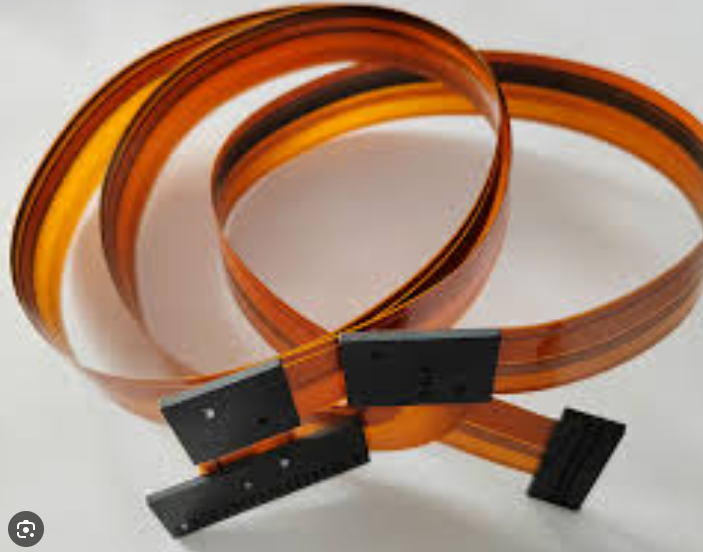
Material Selection And Its Impact On Rigid-Flex PCB Performance
When designing a rigid-flex PCB, the selection of materials plays a crucial role in determining the overall performance and reliability of the final product. The unique structure of rigid-flex PCBs, which combines both rigid and flexible substrates, necessitates careful consideration of material properties to ensure optimal functionality. The choice of materials impacts not only the electrical performance but also the mechanical durability and thermal stability of the PCB.
To begin with, the rigid sections of the PCB typically use materials such as FR-4, a widely recognized and cost-effective option known for its excellent electrical insulation and mechanical strength. FR-4 is composed of woven fiberglass cloth with an epoxy resin binder, which provides a stable and robust platform for mounting components. However, the selection of FR-4 must be balanced with the specific requirements of the application, such as the need for higher thermal resistance or improved signal integrity, which might necessitate the use of advanced materials like high-frequency laminates or low-loss dielectrics.
Transitioning to the flexible sections, polyimide is the material of choice due to its exceptional flexibility, thermal stability, and chemical resistance.
Polyimide films, such as Kapton, offer the necessary bendability and resilience required for dynamic flexing applications. The thickness of the polyimide layer must be carefully chosen to provide adequate flexibility while maintaining sufficient mechanical strength. Additionally, the adhesive used to bond the polyimide to the copper traces must be selected to withstand the thermal and mechanical stresses encountered during both the manufacturing process and the operational life of the PCB.
The copper foil used in rigid-flex PCBs also demands careful selection.
For the rigid sections, standard electrodeposited (ED) copper is commonly used due to its cost-effectiveness and good adhesion properties. In contrast, the flexible sections often require rolled annealed (RA) copper, which offers superior ductility and fatigue resistance, essential for withstanding repeated bending and flexing. The thickness of the copper foil must be optimized to balance electrical performance with mechanical flexibility, ensuring reliable signal transmission without compromising the PCB’s structural integrity.
Furthermore, the choice of solder mask and coverlay materials significantly influences the performance and durability of rigid-flex PCBs.
In rigid sections, solder masks protect the copper traces from oxidation and environmental damage while providing electrical insulation. In flexible sections, coverlays, typically made from polyimide films, serve a similar protective function but must also accommodate the bending and flexing of the PCB. The adhesion and thermal properties of these materials are critical to maintaining the integrity of the PCB under various operating conditions.
In addition to material selection, the design and layout of the rigid-flex PCB must account for the different thermal expansion coefficients of the chosen materials. Mismatched thermal expansion can lead to mechanical stresses and potential failure points, particularly at the junctions between rigid and flexible sections. Therefore, careful design practices, such as staggered vias and controlled impedance routing, are essential to mitigate these risks and ensure reliable performance.
In conclusion, the selection of materials for rigid-flex PCBs is a complex and multifaceted process that directly impacts the performance, reliability, and longevity of the final product. By carefully considering the properties and compatibility of materials such as FR-4, polyimide, copper foils, solder masks, and coverlays, designers can optimize their rigid-flex PCB designs to meet the demanding requirements of modern electronic applications. The interplay between material properties and design considerations underscores the importance of a holistic approach to rigid-flex PCB design, ensuring that each component works harmoniously to deliver a robust and high-performing solution.