
Rigid flex pcb applications
Medical Device Innovations Using Rigid Flex PCB applications
Rigid flex printed circuit boards (PCBs) have emerged as a pivotal technology in the realm of medical device innovations, offering a unique combination of flexibility and durability that is essential for modern healthcare applications. These advanced PCBs integrate the benefits of both rigid and flexible circuits, enabling the creation of compact, reliable, and high-performance medical devices.
As the medical industry continues to evolve, the demand for sophisticated electronic components that can meet stringent regulatory standards and deliver exceptional performance has never been higher. Rigid flex PCBs are at the forefront of this technological revolution, providing solutions that address the complex needs of contemporary medical devices.
One of the primary advantages of rigid flex PCBs in medical applications is their ability to reduce the size and weight of devices.
This is particularly important in the development of wearable medical devices, which require compact and lightweight components to ensure patient comfort and compliance. For instance, devices such as portable heart monitors, insulin pumps, and hearing aids benefit significantly from the miniaturization made possible by rigid flex PCBs. By combining rigid and flexible layers, these PCBs can be designed to fit into small, irregularly shaped spaces without compromising on functionality or reliability.
Moreover, the inherent flexibility of rigid flex PCBs allows for greater design versatility, which is crucial for medical devices that need to conform to the human body’s contours.
This adaptability is especially beneficial in the creation of implantable medical devices, such as pacemakers and neurostimulators, where the circuit board must withstand the dynamic environment within the human body. The robust construction of rigid flex PCBs ensures that these devices can endure mechanical stress and maintain their performance over extended periods, thereby enhancing patient safety and device longevity.
In addition to their physical advantages, rigid flex PCBs also offer superior electrical performance, which is essential for the precise operation of medical devices.
The seamless integration of rigid and flexible sections minimizes the need for connectors and solder joints, reducing potential points of failure and improving signal integrity. This is particularly critical in diagnostic equipment, such as MRI machines and ultrasound devices, where accurate and reliable data transmission is paramount. The enhanced electrical performance of rigid flex PCBs ensures that these devices can deliver high-quality diagnostic results, aiding in the timely and accurate diagnosis of medical conditions.
Furthermore, the use of rigid flex PCBs in medical devices contributes to improved manufacturing efficiency and cost-effectiveness.
The ability to design complex circuits with fewer components simplifies the assembly process, reducing production time and costs. This is advantageous for medical device manufacturers who must adhere to strict regulatory requirements while maintaining competitive pricing. The streamlined manufacturing process also facilitates rapid prototyping and iterative design, enabling faster development cycles and quicker time-to-market for innovative medical devices.
As the medical industry continues to advance, the role of rigid flex PCBs in driving innovation cannot be overstated.
Their unique combination of flexibility, durability, and superior electrical performance makes them an ideal choice for a wide range of medical applications. From wearable and implantable devices to sophisticated diagnostic equipment, rigid flex PCBs are instrumental in enhancing the functionality, reliability, and efficiency of modern medical technology. As a result, they are poised to play an increasingly important role in the development of next-generation medical devices, ultimately contributing to improved patient outcomes and the advancement of healthcare.
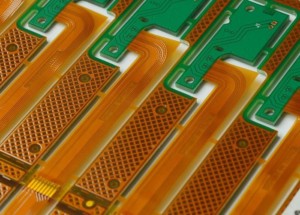
Aerospace Advancements with Rigid Flex PCB Technology
The aerospace industry has always been at the forefront of technological advancements, constantly seeking innovative solutions to enhance performance, reliability, and efficiency. One such innovation that has significantly impacted aerospace engineering is the development and application of rigid flex printed circuit boards (PCBs). These advanced PCBs combine the best attributes of both rigid and flexible circuits, offering a unique blend of durability, flexibility, and space-saving capabilities. As a result, rigid flex PCBs have become indispensable in various aerospace applications, driving advancements and enabling new possibilities.
To begin with, the inherent design of rigid flex PCBs makes them particularly well-suited for the demanding conditions of aerospace environments.
Traditional rigid PCBs, while robust, often fall short in applications requiring flexibility and adaptability to complex geometries. Conversely, flexible PCBs, though adaptable, may lack the structural integrity needed for certain high-stress applications. Rigid flex PCBs bridge this gap by integrating flexible layers with rigid sections, providing the necessary mechanical support while allowing for intricate designs and movements. This hybrid nature ensures that the PCBs can withstand the extreme temperatures, vibrations, and mechanical stresses commonly encountered in aerospace applications.
Moreover, the space-saving advantages of rigid flex PCBs are particularly beneficial in the aerospace sector, where every millimeter of space and gram of weight is critical.
The ability to fold and bend the flexible sections of these PCBs allows for more compact and efficient designs, reducing the overall footprint of electronic systems. This is especially important in spacecraft and satellites, where space constraints are stringent, and optimizing every component’s size and weight can lead to significant performance improvements. Consequently, rigid flex PCBs enable the development of more sophisticated and miniaturized electronic systems, contributing to the advancement of aerospace technology.
In addition to their physical advantages, rigid flex PCBs also offer enhanced reliability and performance.
The seamless integration of rigid and flexible sections reduces the need for connectors and interconnects, which are potential points of failure in traditional PCB designs. Fewer interconnections mean fewer chances for mechanical failures, improving the overall reliability of the electronic systems. This reliability is crucial in aerospace applications, where system failures can have catastrophic consequences. Furthermore, the improved signal integrity and reduced electromagnetic interference (EMI) in rigid flex PCBs ensure that the electronic systems operate efficiently and accurately, which is vital for the precise control and communication systems used in aerospace technology.
Another significant application of rigid flex PCBs in aerospace is in the development of advanced avionics systems.
Modern aircraft rely heavily on sophisticated avionics for navigation, communication, and control. The compact and reliable nature of rigid flex PCBs makes them ideal for these systems, allowing for the integration of complex circuitry in limited spaces. This integration not only enhances the functionality of avionics systems but also contributes to the overall safety and efficiency of aircraft operations. Additionally, the durability of rigid flex PCBs ensures that these critical systems can withstand the harsh conditions of flight, maintaining their performance over extended periods.
In conclusion, the application of rigid flex PCB technology in the aerospace industry represents a significant advancement, offering numerous benefits in terms of design flexibility, space-saving, reliability, and performance. As aerospace technology continues to evolve, the role of rigid flex PCBs is likely to expand, driving further innovations and enabling new possibilities in this dynamic field. The integration of these advanced PCBs into aerospace systems underscores the industry’s commitment to leveraging cutting-edge technology to achieve greater heights in performance and reliability.
Consumer Electronics Enhanced by Rigid Flex PCBs
Rigid flex printed circuit boards (PCBs) have become a cornerstone in the advancement of consumer electronics, offering a unique combination of flexibility and durability that traditional rigid PCBs cannot match. These hybrid circuits, which integrate flexible and rigid substrates into a single board, are increasingly being utilized to meet the growing demand for compact, reliable, and high-performance electronic devices. As consumer electronics continue to evolve, the role of rigid flex PCBs in enhancing these devices becomes ever more significant.
One of the primary applications of rigid flex PCBs in consumer electronics is in the development of smartphones.
Modern smartphones require intricate designs that can accommodate a multitude of components within a limited space. Rigid flex PCBs provide the necessary flexibility to connect different parts of the device, such as the display, battery, and motherboard, without the need for bulky connectors or cables. This not only reduces the overall weight and size of the smartphone but also enhances its durability by minimizing the risk of connection failures due to mechanical stress.
In addition to smartphones, wearable technology has also greatly benefited from the integration of rigid flex PCBs.
Devices such as smartwatches and fitness trackers demand lightweight and compact designs that can withstand constant movement and physical activity. Rigid flex PCBs offer the perfect solution by allowing for the creation of flexible circuits that can conform to the contours of the human body while maintaining the structural integrity required for reliable performance. This flexibility is crucial for ensuring that wearable devices remain comfortable and functional during prolonged use.
Moreover, the application of rigid flex PCBs extends to the realm of portable computing devices, including tablets and laptops.
These devices often feature complex internal architectures that necessitate the use of flexible connections to link various components. Rigid flex PCBs enable designers to create more streamlined and efficient layouts, which can lead to improved thermal management and enhanced overall performance. By reducing the need for multiple interconnects and simplifying the assembly process, rigid flex PCBs contribute to the production of thinner, lighter, and more robust portable computing devices.
Furthermore, the consumer electronics industry has seen a surge in the popularity of virtual reality (VR) and augmented reality (AR) devices.
These cutting-edge technologies require sophisticated circuitry to deliver immersive experiences while maintaining a lightweight and ergonomic design. Rigid flex PCBs are instrumental in achieving these goals, as they allow for the integration of high-density interconnects and flexible circuits within the confined spaces of VR and AR headsets. This integration ensures that the devices can support high-resolution displays and advanced sensors without compromising on comfort or usability.
In conclusion, the adoption of rigid flex PCBs in consumer electronics has revolutionized the design and functionality of a wide range of devices.
From smartphones and wearables to portable computing and VR/AR headsets, the unique properties of rigid flex PCBs have enabled manufacturers to create more compact, reliable, and high-performance products. As the demand for innovative consumer electronics continues to grow, the importance of rigid flex PCBs in driving technological advancements and meeting consumer expectations cannot be overstated. The seamless integration of flexible and rigid elements within a single circuit board will undoubtedly continue to play a pivotal role in shaping the future of consumer electronics.
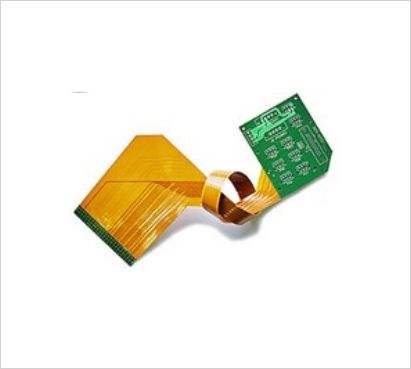
Automotive Industry Applications of Rigid Flex PCBs
Rigid flex printed circuit boards (PCBs) have become increasingly significant in the automotive industry due to their unique combination of flexibility and durability. These PCBs integrate the benefits of both rigid and flexible circuits, making them ideal for a variety of automotive applications. As the automotive industry continues to evolve, the demand for more sophisticated electronic systems has grown, and rigid flex PCBs have emerged as a critical component in meeting these demands.
One of the primary applications of rigid flex PCBs in the automotive industry is in advanced driver-assistance systems (ADAS).
These systems, which include features such as adaptive cruise control, lane departure warning, and automatic emergency braking, rely heavily on complex electronic circuits. Rigid flex PCBs provide the necessary reliability and performance to ensure these systems function correctly under various conditions. Their ability to withstand high temperatures and vibrations, common in automotive environments, makes them particularly suitable for ADAS applications.
In addition to ADAS, rigid flex PCBs are also used in infotainment systems.
Modern vehicles are equipped with sophisticated infotainment systems that offer navigation, entertainment, and connectivity features. These systems require compact and reliable electronic circuits to function effectively. Rigid flex PCBs, with their ability to be shaped and bent to fit into tight spaces, are ideal for these applications. They allow for the integration of multiple functions into a single board, reducing the overall weight and space requirements of the system.
Furthermore, rigid flex PCBs play a crucial role in the development of electric vehicles (EVs)
As the automotive industry shifts towards more sustainable solutions, the demand for EVs has surged. These vehicles require highly efficient and reliable electronic systems to manage battery power, control electric motors, and ensure overall vehicle performance. Rigid flex PCBs offer the necessary durability and flexibility to meet these requirements. Their ability to handle high current loads and resist environmental stressors makes them indispensable in the design and manufacturing of EVs.
Moreover, rigid flex PCBs are essential in the implementation of vehicle-to-everything (V2X) communication systems.
V2X technology enables vehicles to communicate with each other and with infrastructure, enhancing safety and traffic management. The complex electronic circuits required for V2X systems benefit from the robustness and reliability of rigid flex PCBs. These PCBs ensure that the communication systems remain operational under various environmental conditions, contributing to the overall safety and efficiency of the transportation network.
Additionally, the use of rigid flex PCBs extends to the development of autonomous vehicles.
Autonomous driving technology relies on a multitude of sensors, cameras, and processing units to navigate and make decisions. The integration of these components into a cohesive system necessitates the use of reliable and flexible electronic circuits. Rigid flex PCBs provide the necessary support for these components, ensuring that the autonomous systems function seamlessly.
In conclusion, the automotive industry has greatly benefited from the advancements in rigid flex PCB technology. From enhancing the performance of ADAS and infotainment systems to supporting the development of electric and autonomous vehicles, rigid flex PCBs have proven to be a versatile and reliable solution. As the industry continues to innovate, the role of rigid flex PCBs is expected to expand, further solidifying their importance in the future of automotive technology.