
Rogers pcb
Designing High-Frequency Circuits with Rogers PCB Materials
Designing high-frequency circuits requires meticulous attention to detail, particularly when it comes to selecting the appropriate materials.
One of the most critical choices in this process is the type of printed circuit board (PCB) material used.
Among the various options available, Rogers PCB materials have emerged as a preferred choice for high-frequency applications. These materials offer a unique combination of properties that make them particularly well-suited for such demanding environments.
Rogers Corporation, a leading manufacturer of high-performance materials, has developed a range of PCB laminates specifically designed for high-frequency circuits.
These materials are known for their low dielectric constant (Dk) and low dissipation factor (Df), which are essential for maintaining signal integrity at high frequencies. The low Dk ensures minimal signal delay, while the low Df reduces signal loss, both of which are crucial for the performance of high-frequency circuits.
In addition to their electrical properties, Rogers PCB materials also exhibit excellent thermal stability.
This is particularly important in high-frequency applications, where components can generate significant amounts of heat. The thermal stability of Rogers materials ensures that the PCB can withstand these high temperatures without degrading, thereby maintaining the reliability and longevity of the circuit. Furthermore, these materials have a low coefficient of thermal expansion (CTE), which means they expand and contract very little with temperature changes. This property is vital for maintaining the mechanical integrity of the PCB, especially in applications where the circuit is subjected to varying thermal conditions.
Another significant advantage of Rogers PCB materials is their ease of fabrication.
These materials can be processed using standard PCB manufacturing techniques, which simplifies the production process and reduces costs. Moreover, they are compatible with a wide range of surface finishes, including gold, silver, and tin, providing designers with flexibility in their choice of components and assembly methods. This compatibility extends to various types of solder masks and adhesives, further enhancing the versatility of Rogers materials in high-frequency circuit design.
The benefits of using Rogers PCB materials are not limited to their electrical and thermal properties.
These materials also offer excellent mechanical strength and durability, which are essential for ensuring the long-term performance of high-frequency circuits. Their robust construction makes them resistant to mechanical stresses, such as bending and vibration, which can be encountered in various applications, from telecommunications to aerospace.
Despite their numerous advantages, it is essential to consider certain factors when designing high-frequency circuits with Rogers PCB materials.
For instance, the choice of laminate thickness can significantly impact the performance of the circuit. Thicker laminates may offer better mechanical strength but can also introduce additional signal delay. Therefore, designers must carefully balance these factors to achieve optimal performance. Additionally, the layout and routing of the circuit must be meticulously planned to minimize signal loss and interference. This often involves using techniques such as controlled impedance routing and proper grounding to ensure signal integrity.
In conclusion, Rogers PCB materials provide a robust and reliable solution for designing high-frequency circuits. Their unique combination of low dielectric constant, low dissipation factor, excellent thermal stability, and ease of fabrication make them an ideal choice for a wide range of high-frequency applications. By carefully considering the specific requirements of their designs, engineers can leverage the advantages of Rogers materials to create high-performance circuits that meet the demanding needs of modern technology.
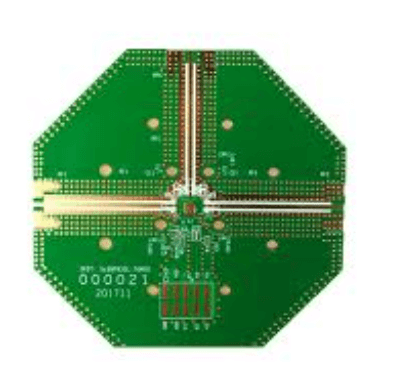
Advantages of Using Rogers PCB for RF Applications
Rogers PCBs, known for their superior performance in radio frequency (RF) applications, have become a cornerstone in the design and manufacturing of high-frequency electronic circuits. One of the primary advantages of using Rogers PCBs is their exceptional dielectric properties. These materials exhibit low dielectric constant (Dk) and low dissipation factor (Df), which are crucial for maintaining signal integrity and minimizing signal loss at high frequencies. Consequently, this ensures that the performance of RF circuits remains consistent and reliable, even in demanding environments.
In addition to their dielectric properties, Rogers PCBs offer excellent thermal management capabilities
. High-frequency applications often generate significant amounts of heat, which can adversely affect the performance and longevity of electronic components. Rogers materials are designed to dissipate heat efficiently, thereby reducing the risk of thermal-related failures. This thermal stability is particularly beneficial in applications such as power amplifiers and microwave circuits, where maintaining optimal operating temperatures is critical.
Moreover, Rogers PCBs are renowned for their dimensional stability.
Unlike traditional FR-4 materials, which can exhibit significant dimensional changes under varying environmental conditions, Rogers materials maintain their structural integrity. This stability is essential for ensuring precise impedance control, which is a key factor in RF circuit design. Precise impedance control helps in minimizing signal reflections and losses, thereby enhancing the overall performance of the RF system.
Another significant advantage of Rogers PCBs is their compatibility with advanced manufacturing processes.
These materials can be easily integrated into various fabrication techniques, including multilayer constructions and hybrid designs. This flexibility allows designers to create complex and highly integrated RF circuits that meet the specific requirements of their applications. Additionally, Rogers PCBs support fine-line etching and high-density interconnects, which are essential for miniaturizing RF components and achieving higher levels of integration.
Furthermore, the mechanical robustness of Rogers PCBs cannot be overlooked.
These materials exhibit high tensile strength and resistance to mechanical stress, making them suitable for use in harsh environments. Whether in aerospace, military, or industrial applications, Rogers PCBs can withstand extreme conditions without compromising their performance. This durability ensures that RF circuits remain operational and reliable over extended periods, even in the most challenging settings.
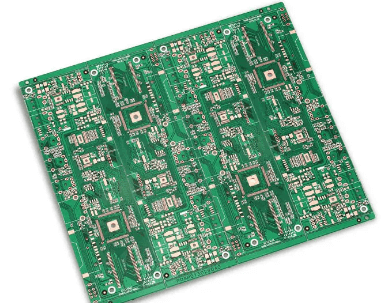
The versatility of Rogers PCBs also extends to their compatibility with a wide range of surface finishes and soldering techniques.
This adaptability simplifies the assembly process and ensures reliable connections between components. Additionally, Rogers materials are available in various thicknesses and configurations, providing designers with the flexibility to tailor their PCBs to specific application needs. This customization capability is particularly advantageous in RF applications, where precise material properties are often required to achieve optimal performance.
In conclusion, the advantages of using Rogers PCBs for RF applications are manifold. Their superior dielectric properties, excellent thermal management, dimensional stability, and compatibility with advanced manufacturing processes make them an ideal choice for high-frequency electronic circuits. Moreover, their mechanical robustness and versatility further enhance their suitability for a wide range of demanding applications. By leveraging the unique benefits of Rogers PCBs, designers can achieve reliable, high-performance RF systems that meet the stringent requirements of modern technology.
Comparing Rogers PCB to FR4: Which is Better for Your Project?
When embarking on a new electronics project, one of the critical decisions involves selecting the appropriate type of printed circuit board (PCB) material. Among the myriad of options available, Rogers PCB and FR4 stand out as two of the most commonly used materials. Each has its unique properties and advantages, making the choice between them highly dependent on the specific requirements of the project at hand. Understanding the differences between Rogers PCB and FR4 can significantly impact the performance, cost, and overall success of your project.
Rogers PCB is renowned for its superior performance in high-frequency applications.
This material is composed of a ceramic-filled hydrocarbon, which provides excellent electrical properties, including low dielectric constant and low loss tangent. These characteristics make Rogers PCB an ideal choice for applications such as RF (radio frequency) and microwave circuits, where signal integrity and minimal signal loss are paramount. Additionally, Rogers PCB exhibits excellent thermal management properties, which is crucial for high-power applications that generate significant heat.
In contrast, FR4 is a widely used PCB material made from woven glass fabric and epoxy resin.
It is known for its versatility and cost-effectiveness, making it a popular choice for a broad range of applications. FR4 offers good mechanical strength, electrical insulation, and resistance to moisture, which are essential for general-purpose electronic circuits. However, FR4’s dielectric constant and loss tangent are higher compared to Rogers PCB, which can result in greater signal loss and reduced performance in high-frequency applications.
When comparing the two materials, one must consider the specific requirements of the project.
For instance, if the project involves high-frequency signals or requires precise impedance control, Rogers PCB would be the superior choice due to its low dielectric constant and low loss tangent. These properties ensure that the signal integrity is maintained, and the performance of the circuit is optimized. On the other hand, if the project is more cost-sensitive and does not involve high-frequency signals, FR4 may be more suitable. Its lower cost and adequate performance for general-purpose applications make it a practical choice for many projects.
Another factor to consider is the thermal management capabilities of the materials.
Rogers PCB’s excellent thermal conductivity makes it well-suited for applications that generate significant heat, such as power amplifiers and LED lighting. Effective thermal management is crucial in these applications to prevent overheating and ensure the longevity of the components. While FR4 also offers decent thermal properties, it may not be as effective as Rogers PCB in dissipating heat, which could be a limiting factor in high-power applications.
Moreover, the manufacturing process and availability of materials can influence the decision.
Rogers PCB materials are generally more expensive and may require specialized manufacturing processes, which can increase the overall cost and lead time of the project. In contrast, FR4 is widely available and can be easily manufactured using standard PCB fabrication techniques, making it a more accessible option for many designers.
In conclusion, the choice between Rogers PCB and FR4 depends on the specific needs of the project. Rogers PCB offers superior performance for high-frequency and high-power applications, while FR4 provides a cost-effective solution for general-purpose electronic circuits. By carefully evaluating the requirements of your project, including signal integrity, thermal management, and budget constraints, you can make an informed decision that will ensure the success of your electronic design.

Tips for Manufacturing and Handling Rogers PCB
Rogers PCBs, known for their superior performance in high-frequency applications, are a popular choice in industries such as telecommunications, aerospace, and advanced computing.
To ensure optimal performance and reliability, it is crucial to follow best practices in manufacturing and handling these specialized circuit boards.
One of the first considerations in the manufacturing process is the selection of the appropriate Rogers material.
Rogers Corporation offers a variety of laminates, each with unique properties tailored to specific applications. For instance, Rogers RO4000 series is ideal for high-frequency applications, while the RO3000 series is better suited for high-speed digital designs. Understanding the specific requirements of your project will guide you in choosing the right material.
Once the material is selected, attention must be paid to the design phase.
Rogers PCBs require precise design considerations due to their unique dielectric properties. It is essential to use design software that supports high-frequency PCB design and to follow guidelines provided by Rogers Corporation. This includes maintaining controlled impedance, minimizing signal loss, and ensuring proper thermal management. Additionally, it is advisable to collaborate with experienced PCB designers who are familiar with Rogers materials to avoid common pitfalls.
Transitioning to the fabrication stage, it is important to work with a PCB manufacturer experienced in handling Rogers materials.
These materials can be more challenging to process compared to standard FR-4 laminates. For instance, Rogers laminates often require specialized drilling techniques to prevent delamination and ensure clean hole walls. Moreover, the etching process must be carefully controlled to achieve the desired trace widths and spacing, as Rogers materials can be more sensitive to over-etching. Ensuring that your manufacturer has the necessary expertise and equipment will significantly impact the quality of the final product.
During the assembly process, special care must be taken to handle Rogers PCBs properly.
These materials can be more susceptible to damage from mechanical stress and thermal cycling. Therefore, it is crucial to use appropriate soldering techniques and temperature profiles to avoid damaging the board. For example, using a lower temperature solder paste and a controlled reflow process can help mitigate the risk of thermal damage. Additionally, it is important to avoid excessive handling and to use proper ESD protection to prevent static discharge from damaging sensitive components.
In terms of storage and transportation, Rogers PCBs should be handled with care to maintain their integrity.
They should be stored in a clean, dry environment to prevent moisture absorption, which can affect their performance. Using anti-static packaging and ensuring that boards are not subjected to mechanical stress during transportation will help preserve their quality.
Finally, testing and inspection are critical steps in ensuring the reliability of Rogers PCBs.
Due to their specialized nature, these boards may require more rigorous testing compared to standard PCBs. This includes electrical testing to verify signal integrity and impedance control, as well as thermal cycling tests to ensure durability under operating conditions. Implementing a thorough inspection process will help identify any potential issues early and ensure that the final product meets the required specifications.
In conclusion, manufacturing and handling Rogers PCBs require a meticulous approach and adherence to best practices. From selecting the appropriate material and designing with precision to working with experienced manufacturers and ensuring proper handling, each step plays a crucial role in achieving a high-quality, reliable product. By following these tips, you can maximize the performance and longevity of your Rogers PCBs, ensuring they meet the demanding requirements of high-frequency applications.