
Flex pcb zif connector
Advantages Of Using Flex PCB ZIF Connectors In Modern Electronics
Flex PCB ZIF connectors, or Flexible Printed Circuit Zero Insertion Force connectors, have become increasingly prevalent in modern electronics due to their numerous advantages. These connectors are designed to facilitate the connection of flexible printed circuits (FPCs) to other electronic components, offering a range of benefits that enhance the performance, reliability, and manufacturability of electronic devices.
One of the primary advantages of using Flex PCB ZIF connectors is their ability to accommodate high-density interconnections.
As electronic devices continue to shrink in size while increasing in functionality, the need for compact and efficient interconnection solutions has become paramount. Flex PCB ZIF connectors address this need by allowing for the integration of multiple signal paths within a limited space. This capability is particularly beneficial in applications such as smartphones, tablets, and wearable devices, where space constraints are a significant design consideration.
In addition to their space-saving properties, Flex PCB ZIF connectors also offer superior flexibility and durability.
The flexible nature of the FPCs allows them to bend and conform to various shapes and contours, making them ideal for use in applications where traditional rigid PCBs would be impractical. This flexibility not only enhances the design versatility of electronic devices but also contributes to their overall robustness. The ability to withstand repeated bending and flexing without compromising performance is a critical factor in ensuring the longevity and reliability of modern electronics.
Moreover, the zero insertion force feature of these connectors simplifies the assembly process and reduces the risk of damage to delicate components.
Traditional connectors often require significant force to insert or remove, which can lead to mechanical stress and potential damage to the FPCs or the connectors themselves. In contrast, Flex PCB ZIF connectors are designed to allow for easy insertion and removal with minimal force, thereby minimizing the risk of damage and improving the overall reliability of the connection. This ease of assembly is particularly advantageous in high-volume manufacturing environments, where efficiency and consistency are crucial.
Another notable benefit of Flex PCB ZIF connectors is their ability to support high-speed data transmission.
As the demand for faster and more efficient data transfer continues to grow, the need for connectors that can handle high-frequency signals without significant signal degradation has become increasingly important. Flex PCB ZIF connectors are engineered to provide excellent signal integrity, ensuring that high-speed data can be transmitted with minimal loss or interference. This capability is essential in applications such as data communication, consumer electronics, and automotive systems, where reliable and high-speed data transfer is critical.
Furthermore, the use of Flex PCB ZIF connectors can lead to cost savings in both the design and manufacturing stages.
The ability to integrate multiple functions into a single flexible circuit reduces the need for additional components and interconnections, thereby simplifying the overall design and reducing material costs. Additionally, the ease of assembly and the reduced risk of damage during the manufacturing process can lead to lower production costs and higher yields.
In conclusion, Flex PCB ZIF connectors offer a multitude of advantages that make them an ideal choice for modern electronic applications. Their ability to accommodate high-density interconnections, provide superior flexibility and durability, simplify the assembly process, support high-speed data transmission, and contribute to cost savings underscores their importance in the ever-evolving landscape of electronic design and manufacturing. As technology continues to advance, the role of Flex PCB ZIF connectors in enabling the development of smaller, more powerful, and more reliable electronic devices is likely to become even more significant.
Design Considerations For Flex PCB ZIF Connectors
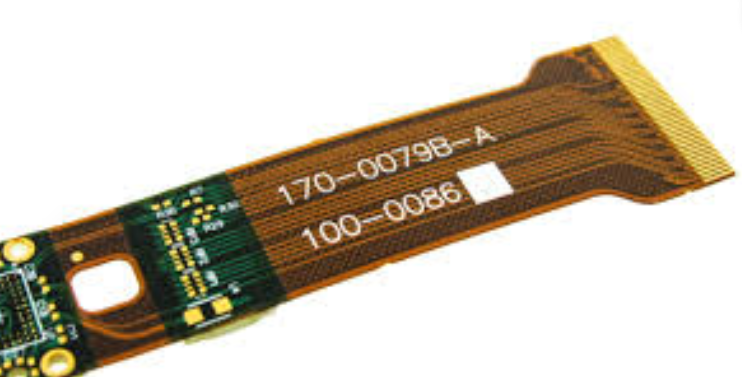
When designing with Flex PCB ZIF (Zero Insertion Force) connectors, several critical considerations must be taken into account to ensure optimal performance and reliability. These connectors, known for their ease of use and minimal mechanical stress on the flexible printed circuit board (FPCB), are integral in applications where space constraints and flexibility are paramount. To begin with, understanding the specific requirements of the application is essential. This includes evaluating the electrical, mechanical, and environmental conditions the connector will be subjected to. For instance, the current-carrying capacity, signal integrity, and thermal performance must align with the operational demands of the device.
Transitioning to the mechanical aspects, the physical layout of the FPCB and the ZIF connector must be meticulously planned.
The connector’s footprint on the FPCB should be designed to accommodate the precise dimensions and pin configuration of the ZIF connector. This ensures a secure and reliable connection, minimizing the risk of misalignment or poor contact. Additionally, the bend radius of the FPCB should be carefully considered to prevent undue stress on the copper traces, which could lead to potential failures. The flexibility of the FPCB allows for innovative design solutions, but it also necessitates a thorough understanding of the material properties and mechanical limits.
Moreover, the choice of materials for both the FPCB and the ZIF connector plays a pivotal role in the overall performance.
The FPCB typically consists of a polyimide substrate, which offers excellent flexibility and thermal stability. However, the adhesive and copper layers must also be compatible with the ZIF connector to ensure a robust and durable connection. The ZIF connector itself should be selected based on its contact material, plating, and housing, which contribute to its longevity and reliability under various operating conditions.
In addition to material selection, the environmental factors must be addressed.
Flex PCBs and ZIF connectors are often used in environments that expose them to temperature extremes, humidity, and potential contaminants. Therefore, it is crucial to choose connectors that are rated for the specific environmental conditions they will encounter. This includes considering the ingress protection (IP) rating, which indicates the level of protection against dust and moisture. Furthermore, the thermal expansion coefficients of the materials used in the FPCB and the ZIF connector should be compatible to prevent mechanical stress during temperature fluctuations.
Another important consideration is the assembly process.
The method of attaching the ZIF connector to the FPCB should be compatible with the overall manufacturing process. This includes ensuring that the connector can withstand the soldering temperatures and that the assembly process does not introduce mechanical stress or misalignment. Additionally, the ease of insertion and removal of the FPCB into the ZIF connector should be evaluated to ensure it meets the requirements of the end application, particularly in scenarios where frequent disconnections are necessary.
Lastly, testing and validation are critical steps in the design process.
Rigorous testing under simulated operating conditions can help identify potential issues and ensure that the design meets all performance and reliability criteria. This includes electrical testing to verify signal integrity and continuity, as well as mechanical testing to assess the durability of the connection under various stress conditions.
In conclusion, designing with Flex PCB ZIF connectors requires a comprehensive approach that considers electrical, mechanical, material, environmental, and assembly factors. By meticulously addressing these considerations, designers can ensure that their solutions are both reliable and efficient, meeting the stringent demands of modern electronic applications.
Common Applications Of Flex PCB ZIF Connectors In Consumer Devices
Flex PCB ZIF connectors, or Flexible Printed Circuit Zero Insertion Force connectors, have become integral components in the design and functionality of modern consumer devices. These connectors are prized for their ability to facilitate reliable and efficient connections between flexible printed circuits and other electronic components, without the need for excessive force during assembly. This characteristic makes them particularly valuable in a variety of consumer electronics, where space constraints and the need for durability are paramount.
One of the most prevalent applications of flex PCB ZIF connectors is in smartphones.
As these devices continue to evolve, becoming thinner and more powerful, the internal architecture must adapt accordingly. Flex PCB ZIF connectors enable the seamless integration of various components, such as touchscreens, cameras, and sensors, into the compact form factor of modern smartphones. Their ability to maintain strong electrical connections while accommodating the device’s slim profile is crucial for ensuring both performance and reliability.
In addition to smartphones, tablets also benefit significantly from the use of flex PCB ZIF connectors.
Tablets, much like smartphones, require a high degree of component integration within a limited space. The connectors facilitate the connection of displays, batteries, and other critical components, ensuring that the device remains functional and efficient. Moreover, the flexibility of these connectors allows for innovative design solutions, such as foldable or detachable screens, which are becoming increasingly popular in the tablet market.
Wearable technology, including smartwatches and fitness trackers, represents another domain where flex PCB ZIF connectors are indispensable.
These devices demand a high level of durability and compactness, as they are often subjected to various environmental conditions and physical stresses. Flex PCB ZIF connectors provide the necessary robustness and flexibility, enabling the secure connection of sensors, displays, and other electronic components within the confined spaces of wearable devices. This ensures that the devices can withstand daily wear and tear while maintaining their functionality.
Furthermore, the application of flex PCB ZIF connectors extends to the realm of laptops and ultrabooks.
As these devices strive to offer enhanced performance in increasingly slimmer designs, the need for efficient and reliable internal connections becomes more pronounced. Flex PCB ZIF connectors facilitate the integration of keyboards, touchpads, and display panels, contributing to the overall sleekness and functionality of the device. Their ability to support high-speed data transmission is particularly beneficial in maintaining the performance standards expected from modern computing devices.
Another significant application of flex PCB ZIF connectors is found in digital cameras.
These devices require precise and reliable connections between various components, such as image sensors, lenses, and memory modules. The connectors’ ability to provide stable connections without exerting excessive force is crucial in maintaining the delicate balance of these intricate systems. This ensures that digital cameras can deliver high-quality images and videos, meeting the expectations of both amateur and professional photographers.
In conclusion, flex PCB ZIF connectors play a vital role in the development and functionality of a wide range of consumer devices. Their unique properties, including the ability to facilitate reliable connections in compact and flexible designs, make them indispensable in the ever-evolving landscape of consumer electronics. From smartphones and tablets to wearable technology, laptops, and digital cameras, these connectors ensure that devices remain efficient, durable, and capable of meeting the demands of modern consumers. As technology continues to advance, the importance of flex PCB ZIF connectors in consumer devices is likely to grow, further cementing their role as a cornerstone of electronic design.
Troubleshooting Tips For Flex PCB ZIF Connector Issues
Flex PCB ZIF connectors are integral components in modern electronic devices, offering a reliable and efficient means of connecting flexible printed circuit boards (PCBs) to other circuitry. However, like any electronic component, they can encounter issues that may disrupt functionality. Understanding common problems and their solutions is essential for maintaining the performance and longevity of these connectors.
One prevalent issue with Flex PCB ZIF connectors is improper insertion, which can lead to poor electrical contact or even damage to the connector or the flexible PCB.
To address this, it is crucial to ensure that the flexible PCB is aligned correctly with the ZIF connector before insertion. Gently guiding the PCB into the connector without applying excessive force can prevent misalignment and potential damage. Additionally, verifying that the locking mechanism of the ZIF connector is fully engaged can help secure the connection and maintain consistent electrical contact.
Another common problem is contamination, which can occur due to dust, debris, or oils from handling.
Contaminants can interfere with the electrical connection, leading to intermittent or complete loss of signal. To mitigate this issue, it is advisable to handle the connectors and flexible PCBs with clean, lint-free gloves. Regularly inspecting and cleaning the connectors with appropriate solvents or compressed air can also help maintain optimal performance. Ensuring a clean working environment can further reduce the risk of contamination.
Flex PCB ZIF connectors can also suffer from wear and tear over time, especially in applications that involve frequent mating and unmating cycles.
This wear can manifest as physical damage to the connector contacts or the flexible PCB itself. To prolong the lifespan of these components, it is important to follow the manufacturer’s specifications regarding the number of mating cycles the connector can withstand. If a connector is approaching its rated cycle limit, preemptively replacing it can prevent unexpected failures. Additionally, using connectors with higher durability ratings in high-cycle applications can enhance reliability.
Thermal stress is another factor that can affect the performance of Flex PCB ZIF connectors.
Exposure to extreme temperatures, whether high or low, can cause expansion and contraction of materials, leading to mechanical stress and potential failure. To address thermal-related issues, it is essential to select connectors and flexible PCBs that are rated for the operating temperature range of the application. Implementing proper thermal management techniques, such as heat sinks or thermal pads, can also help mitigate the effects of temperature fluctuations.
Electrical noise and signal integrity issues can arise in Flex PCB ZIF connectors, particularly in high-frequency applications.
Ensuring proper grounding and shielding can help minimize electromagnetic interference (EMI) and maintain signal integrity. Using connectors with built-in shielding or adding external shielding to the flexible PCB can be effective strategies. Additionally, maintaining a consistent impedance throughout the connection can reduce signal reflections and improve overall performance.
In conclusion, troubleshooting Flex PCB ZIF connector issues involves a combination of careful handling, regular maintenance, and adherence to manufacturer guidelines. By addressing common problems such as improper insertion, contamination, wear and tear, thermal stress, and electrical noise, it is possible to maintain the reliability and functionality of these critical components. Implementing these troubleshooting tips can help ensure that Flex PCB ZIF connectors continue to perform optimally in a wide range of electronic applications.