
tTri-mode non-flex cut hotswap pcb
Advantages Of Tri-Mode Non-Flex Cut Hotswap PCB In Modern Electronics
The advent of tri-mode non-flex cut hotswap PCBs has marked a significant milestone in the evolution of modern electronics, offering a plethora of advantages that cater to the ever-growing demands of the industry.
One of the most notable benefits of these PCBs is their enhanced durability.
Traditional PCBs often suffer from wear and tear due to repeated insertions and removals of components. However, the non-flex cut design of tri-mode hotswap PCBs mitigates this issue by providing a more robust and stable structure, thereby extending the lifespan of the electronic device.
In addition to durability, tri-mode non-flex cut hotswap PCBs offer unparalleled versatility.
These PCBs support multiple modes of operation, which can be particularly advantageous in applications requiring diverse functionalities. For instance, a single PCB can be configured to operate in different modes, such as wired, wireless, or Bluetooth, without the need for additional hardware. This flexibility not only simplifies the design process but also reduces the overall cost and complexity of the electronic system.
Moreover, the hotswap feature of these PCBs significantly enhances user convenience.
Hotswapping allows components to be replaced or upgraded without powering down the entire system. This is particularly beneficial in critical applications where downtime can result in substantial losses. For example, in data centers, the ability to hotswap components ensures continuous operation and minimizes disruptions. Similarly, in consumer electronics, users can easily upgrade their devices without the need for technical expertise or professional assistance.
Another key advantage of tri-mode non-flex cut hotswap PCBs is their improved signal integrity.
The non-flex cut design minimizes the risk of signal degradation, which is a common issue in traditional PCBs. This is achieved by maintaining a consistent and stable connection between components, thereby ensuring reliable and high-quality signal transmission. Enhanced signal integrity is crucial in applications such as telecommunications and high-speed data transfer, where even minor signal disruptions can lead to significant performance issues.
Furthermore, these PCBs contribute to the overall miniaturization of electronic devices.
As the demand for compact and portable devices continues to rise, the ability to integrate multiple functionalities into a single PCB becomes increasingly important. Tri-mode non-flex cut hotswap PCBs enable designers to achieve this by consolidating various components and modes of operation into a single, compact unit. This not only saves space but also reduces the weight of the device, making it more convenient for users.
In terms of environmental impact, tri-mode non-flex cut hotswap PCBs offer a more sustainable solution.
The extended lifespan and reduced need for frequent replacements result in less electronic waste. Additionally, the ability to upgrade components without discarding the entire PCB further contributes to environmental conservation. This aligns with the growing emphasis on sustainability and eco-friendly practices in the electronics industry.
In conclusion, the advantages of tri-mode non-flex cut hotswap PCBs in modern electronics are manifold. From enhanced durability and versatility to improved signal integrity and environmental sustainability, these PCBs address several critical challenges faced by the industry. As technology continues to advance, the adoption of tri-mode non-flex cut hotswap PCBs is likely to become more widespread, paving the way for more efficient, reliable, and sustainable electronic devices.
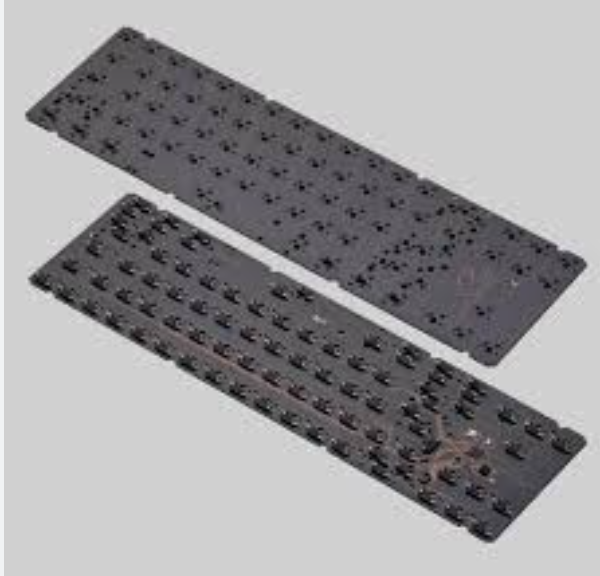
How To Install And Maintain A Tri-Mode Non-Flex Cut Hotswap PCB
Installing and maintaining a tri-mode non-flex cut hotswap PCB requires a methodical approach to ensure optimal performance and longevity. The process begins with understanding the specific requirements and capabilities of the PCB. Tri-mode refers to the PCB’s ability to support three different connection modes: wired, Bluetooth, and 2.4GHz wireless. Non-flex cut indicates that the PCB is designed without flex cuts, which are typically used to enhance the flexibility of the board. Hotswap functionality allows for the easy replacement of switches without the need for soldering, making it a versatile choice for keyboard enthusiasts.
To install a tri-mode non-flex cut hotswap PCB, start by preparing your workspace.
Ensure that you have a clean, static-free environment to prevent any damage to the electronic components. Gather all necessary tools and materials, including the PCB, switches, keycaps, stabilizers, and a case. Begin by installing the stabilizers on the PCB. Stabilizers are essential for larger keys such as the spacebar, enter, and shift keys, as they prevent wobbling and ensure a smooth typing experience. Carefully insert the stabilizers into the designated slots on the PCB, making sure they are securely in place.
Next, proceed to install the switches.
Since the PCB is hotswap, you can easily insert the switches into the sockets without soldering. Align each switch with the corresponding socket and press down firmly until you hear a click, indicating that the switch is properly seated. It is crucial to ensure that all switches are fully inserted to avoid any connectivity issues. Once all switches are installed, place the PCB into the keyboard case. Secure the PCB using the screws provided, ensuring that it is firmly attached to the case.
After securing the PCB, connect the battery if you plan to use the Bluetooth or 2.4GHz wireless modes.
The battery should be placed in the designated compartment within the case, and the connector should be attached to the corresponding port on the PCB. For wired mode, connect the USB cable to the PCB and route it through the case’s cable management system.
To maintain your tri-mode non-flex cut hotswap PCB, regular cleaning and inspection are essential.
Dust and debris can accumulate over time, potentially affecting the performance of the switches and other components. Use a soft brush or compressed air to gently remove any dust from the PCB and switches. Avoid using liquid cleaners, as they can damage the electronic components.
Periodically check the switches and stabilizers for any signs of wear or damage.
If a switch becomes unresponsive or feels different, it can be easily replaced thanks to the hotswap functionality. Simply remove the faulty switch and insert a new one in its place. Additionally, inspect the battery and connections to ensure they are secure and functioning correctly. If you notice any issues with the wireless modes, try resetting the connections or replacing the battery if necessary.
In conclusion, installing and maintaining a tri-mode non-flex cut hotswap PCB involves careful preparation, precise installation, and regular upkeep. By following these steps, you can ensure that your PCB remains in excellent condition, providing a reliable and enjoyable typing experience. Whether you are a seasoned keyboard enthusiast or a newcomer to custom keyboards, understanding the intricacies of your PCB will help you make the most of its features and capabilities.
Comparing Tri-Mode Non-Flex Cut Hotswap PCB With Traditional PCBs
In the ever-evolving landscape of electronic components, the tri-mode non-flex cut hotswap PCB has emerged as a significant innovation, offering distinct advantages over traditional PCBs. To understand the comparative benefits, it is essential to delve into the specific features and functionalities that set these two types of printed circuit boards apart.
Traditional PCBs have long been the backbone of electronic devices, providing a reliable platform for mounting and interconnecting various components.
These PCBs are typically rigid, with a fixed layout that requires soldering components directly onto the board. While this method ensures a stable and secure connection, it also presents certain limitations. For instance, the process of soldering is time-consuming and requires precision, making it less suitable for rapid prototyping or frequent modifications. Additionally, once components are soldered, they are not easily replaceable, which can be a drawback in scenarios where component failure or upgrades are anticipated.
In contrast, the tri-mode non-flex cut hotswap PCB introduces a more versatile and user-friendly approach.
One of the most notable features of this type of PCB is its hotswap capability, which allows components to be inserted and removed without the need for soldering. This is particularly advantageous in applications where components may need to be frequently replaced or upgraded, such as in mechanical keyboards or modular electronic systems. The hotswap functionality not only simplifies the assembly process but also significantly reduces downtime, as components can be swapped out quickly and efficiently.
Moreover, the tri-mode non-flex cut design enhances the structural integrity of the PCB.
Traditional PCBs often incorporate flex cuts to accommodate various shapes and sizes, which can sometimes compromise the board’s durability. The non-flex cut design, however, maintains a uniform structure, thereby increasing the overall robustness of the PCB. This is especially beneficial in environments where the PCB may be subjected to mechanical stress or vibrations, as it ensures a longer lifespan and greater reliability.
Another critical aspect to consider is the tri-mode capability of these advanced PCBs.
This feature allows the board to operate in three distinct modes, providing greater flexibility and adaptability in different applications. For example, a tri-mode PCB can support wired, wireless, and Bluetooth connections, making it suitable for a wide range of devices and use cases. This versatility is a significant improvement over traditional PCBs, which are typically limited to a single mode of operation.
Furthermore, the integration of tri-mode functionality does not compromise the performance or efficiency of the PCB.
On the contrary, it often enhances the overall performance by providing multiple pathways for data transmission and power delivery. This can lead to improved signal integrity and reduced latency, which are critical factors in high-performance electronic systems.
In conclusion, while traditional PCBs have served the electronics industry well for many years, the advent of tri-mode non-flex cut hotswap PCBs represents a substantial leap forward. By offering hotswap capabilities, enhanced structural integrity, and versatile tri-mode functionality, these advanced PCBs address many of the limitations associated with their traditional counterparts. As technology continues to advance, it is likely that the adoption of tri-mode non-flex cut hotswap PCBs will become increasingly prevalent, driving further innovation and efficiency in electronic design and manufacturing.
Common Applications Of Tri-Mode Non-Flex Cut Hotswap PCB In Industry
Tri-mode non-flex cut hotswap PCBs have become increasingly prevalent in various industries due to their versatility, reliability, and ease of use. These printed circuit boards (PCBs) are designed to support three modes of connectivity—wired, wireless, and Bluetooth—while maintaining a rigid structure that enhances durability. The hotswap feature allows for the easy replacement of components without the need for soldering, making them particularly advantageous in dynamic environments where quick modifications are often required. This article explores the common applications of tri-mode non-flex cut hotswap PCBs across different sectors, highlighting their significant impact on modern technology.
In the consumer electronics industry, tri-mode non-flex cut hotswap PCBs are widely used in the development of high-end keyboards and gaming peripherals.
The hotswap capability allows users to customize their devices by easily swapping out switches to suit their preferences, thereby enhancing the user experience. Additionally, the tri-mode connectivity ensures that these devices can seamlessly switch between wired and wireless modes, providing flexibility and convenience. This adaptability is particularly beneficial for gamers who require reliable and responsive input devices.
The telecommunications sector also benefits from the implementation of tri-mode non-flex cut hotswap PCBs. In this industry, the need for robust and reliable hardware is paramount, as any failure can lead to significant disruptions.
The rigid structure of these PCBs ensures that they can withstand the physical stresses associated with telecommunications equipment.
Moreover, the hotswap feature allows for quick and efficient maintenance, reducing downtime and ensuring continuous operation. The tri-mode connectivity further enhances the versatility of these PCBs, enabling seamless integration with various communication systems.
In the medical field, the use of tri-mode non-flex cut hotswap PCBs is becoming increasingly common in the development of advanced medical devices.
These PCBs are integral to the functionality of equipment such as patient monitors, diagnostic machines, and portable medical devices.
The hotswap capability is particularly valuable in this context, as it allows for the rapid replacement of faulty components, thereby minimizing the risk of device failure during critical procedures. The tri-mode connectivity ensures that these devices can operate in different environments, whether in a hospital setting or in remote locations, providing reliable performance and enhancing patient care.
The automotive industry is another sector where tri-mode non-flex cut hotswap PCBs are making a significant impact.
Modern vehicles are equipped with a multitude of electronic systems, from infotainment units to advanced driver-assistance systems (ADAS). The hotswap feature allows for the easy replacement of components, facilitating quick updates and repairs. The rigid structure of these PCBs ensures that they can endure the harsh conditions within a vehicle, such as vibrations and temperature fluctuations. The tri-mode connectivity supports the integration of various communication protocols, enhancing the overall functionality and connectivity of automotive systems.
In the realm of industrial automation, tri-mode non-flex cut hotswap PCBs are utilized in the development of control systems and robotic equipment.
The hotswap capability allows for the rapid replacement of components, ensuring minimal disruption to production processes. The rigid structure of these PCBs provides the durability required to withstand the demanding conditions of industrial environments. The tri-mode connectivity enables seamless communication between different systems, enhancing the efficiency and reliability of automated processes.
In conclusion, tri-mode non-flex cut hotswap PCBs are proving to be invaluable across a range of industries. Their versatility, reliability, and ease of use make them an ideal choice for applications that require robust and adaptable electronic solutions. As technology continues to advance, the adoption of these PCBs is likely to increase, further driving innovation and efficiency in various sectors.