
Thermal pad without heatsink
Benefits Of Using Thermal Pads Without Heatsinks
Thermal pads, often used in conjunction with heatsinks, play a crucial role in managing the thermal performance of electronic devices. However, the use of thermal pads without heatsinks is an emerging practice that offers several benefits, particularly in specific applications where traditional cooling solutions may not be feasible or necessary.
Understanding these benefits requires a closer examination of the properties and functions of thermal pads, as well as the contexts in which they are employed.
To begin with, thermal pads are designed to enhance the thermal conductivity between electronic components and their cooling solutions.
They are typically made from materials with high thermal conductivity, such as silicone or graphite, which allow them to efficiently transfer heat away from sensitive components. When used without heatsinks, thermal pads can still provide significant thermal management benefits by facilitating the dissipation of heat through other means, such as the device’s chassis or ambient air.
One of the primary advantages of using thermal pads without heatsinks is the reduction in overall system complexity and weight.
Heatsinks, while effective, add bulk and require additional mounting hardware, which can complicate the design and assembly of electronic devices. By eliminating the need for heatsinks, manufacturers can create more streamlined and lightweight products, which is particularly beneficial in applications where space and weight are critical considerations, such as in portable electronics and aerospace technology.
Moreover, the use of thermal pads without heatsinks can lead to cost savings.
Heatsinks are often made from materials like aluminum or copper, which can be expensive and add to the overall cost of the device. In contrast, thermal pads are generally more affordable and easier to produce. This cost efficiency can be especially advantageous in high-volume manufacturing, where even small savings per unit can result in significant financial benefits.
Another important benefit is the potential for improved reliability and longevity of electronic components.
Heatsinks, due to their rigid structure, can sometimes exert mechanical stress on delicate components, leading to potential damage or failure over time. Thermal pads, being more flexible and conformable, can provide effective thermal management without imposing such stresses. This can enhance the durability of the device and reduce the likelihood of thermal-related failures.
Furthermore, thermal pads without heatsinks can offer greater design flexibility.
In some cases, the physical constraints of a device may not allow for the inclusion of a heatsink. Thermal pads can be cut to fit specific shapes and sizes, making them adaptable to a wide range of applications. This adaptability ensures that even in the absence of traditional cooling solutions, electronic components can still be adequately protected from overheating.
In addition, the use of thermal pads without heatsinks can contribute to quieter operation.
Heatsinks often require the use of fans to enhance their cooling performance, which can generate noise. By relying solely on thermal pads, devices can achieve passive cooling, eliminating the need for fans and resulting in a quieter user experience. This is particularly desirable in environments where noise reduction is a priority, such as in medical equipment or consumer electronics.
In conclusion, while heatsinks have long been a staple in thermal management, the use of thermal pads without heatsinks presents a viable alternative that offers numerous benefits. These include reduced system complexity and weight, cost savings, improved reliability, design flexibility, and quieter operation. As technology continues to advance and the demand for more compact and efficient electronic devices grows, the role of thermal pads in thermal management is likely to become increasingly significant.
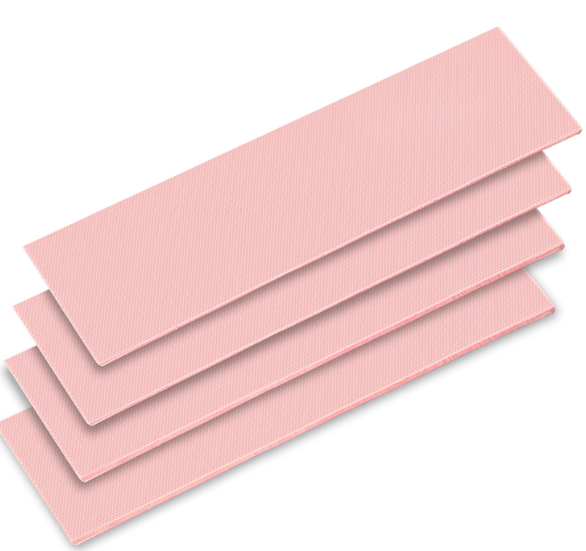
How To Choose The Right Thermal Pad For Your Device
When selecting a thermal pad for your device, especially in scenarios where a heatsink is not utilized, it is crucial to consider several factors to ensure optimal thermal management. The primary function of a thermal pad is to facilitate efficient heat transfer between components, thereby preventing overheating and maintaining performance. Without the additional cooling provided by a heatsink, the choice of thermal pad becomes even more significant.
Firstly, the thermal conductivity of the pad is a critical parameter.
Thermal conductivity, measured in watts per meter-kelvin (W/mK), indicates how effectively the pad can transfer heat. For devices without a heatsink, a higher thermal conductivity is generally preferable. This ensures that heat is rapidly conducted away from the component, reducing the risk of thermal throttling or damage. Pads with thermal conductivities ranging from 6 W/mK to 12 W/mK are often suitable for such applications, though specific requirements may vary based on the device’s power output and thermal design.
In addition to thermal conductivity, the thickness of the thermal pad must be carefully considered.
The gap between the heat-generating component and the surface to which the pad will adhere determines the appropriate thickness. A pad that is too thick may not provide adequate thermal transfer, while one that is too thin may not fill the gap effectively, leading to poor contact and inefficient heat dissipation. It is advisable to measure the gap accurately and select a pad that matches this dimension closely, ensuring optimal contact and performance.
Another important aspect is the compressibility of the thermal pad.
Compressibility refers to the pad’s ability to conform to the surfaces it contacts, which is particularly important in the absence of a heatsink. A highly compressible pad can accommodate surface irregularities and ensure a more uniform contact area, thereby enhancing thermal transfer. This property is especially beneficial in devices with uneven or rough surfaces, where achieving a good thermal interface can be challenging.
The operating temperature range of the thermal pad is also a key consideration.
Different materials have varying temperature tolerances, and it is essential to choose a pad that can withstand the operating conditions of your device. Silicone-based thermal pads, for instance, typically offer a wide temperature range and are suitable for most consumer electronics. However, for high-performance or industrial applications, materials such as graphite or phase-change pads may be more appropriate due to their superior thermal properties and higher temperature resistance.
Furthermore, the electrical insulation properties of the thermal pad should not be overlooked.
In many electronic devices, it is crucial to prevent electrical shorts between components. Thermal pads with good dielectric strength can provide effective thermal management while also serving as an electrical insulator. This dual functionality is particularly valuable in compact devices where space constraints necessitate close proximity of components.
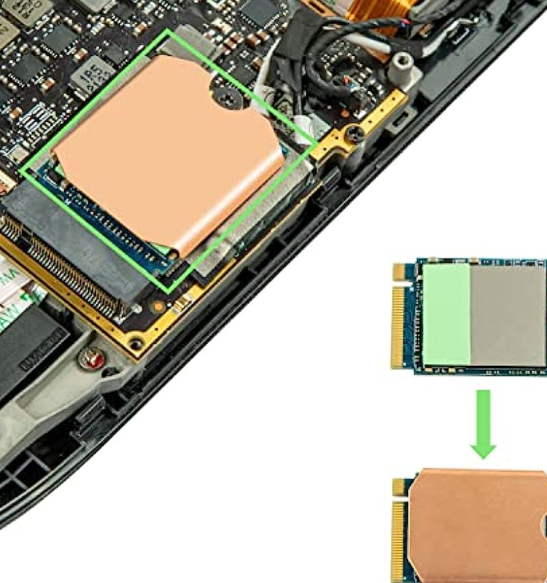
Lastly, ease of installation and reusability are practical considerations that can influence your choice.
Some thermal pads come with adhesive backing, simplifying the installation process. Others may be designed for multiple uses, allowing for easy removal and repositioning without significant degradation in performance. These features can be particularly advantageous in prototyping or iterative design processes.
In conclusion, selecting the right thermal pad for your device, especially in the absence of a heatsink, involves a careful evaluation of thermal conductivity, thickness, compressibility, operating temperature range, electrical insulation properties, and practical installation considerations. By taking these factors into account, you can ensure effective thermal management, thereby enhancing the reliability and performance of your device.
Installation Guide For Thermal Pads Without Heatsinks
When installing thermal pads without heatsinks, it is crucial to follow a meticulous process to ensure optimal thermal conductivity and efficient heat dissipation. The absence of a heatsink necessitates a precise approach to maximize the performance of the thermal pad. This guide will walk you through the essential steps to achieve a successful installation.
First and foremost, it is imperative to select the appropriate thermal pad for your specific application.
Thermal pads come in various thicknesses and thermal conductivity ratings, so it is essential to choose one that matches the requirements of your electronic component. Once you have the correct thermal pad, the next step is to prepare the surfaces that will come into contact with the pad. This involves thoroughly cleaning both the component and the surface it will be mounted on. Use isopropyl alcohol and a lint-free cloth to remove any dust, grease, or residue. Ensuring a clean surface is vital for achieving maximum thermal transfer efficiency.
After cleaning, allow the surfaces to dry completely before proceeding.
Next, carefully measure and cut the thermal pad to fit the dimensions of the component. Precision is key here; an improperly sized pad can lead to inadequate coverage and reduced thermal performance. Use a sharp blade or scissors to make clean cuts, avoiding any jagged edges that could compromise the pad’s effectiveness.
With the thermal pad cut to size, the next step is to apply it to the component.
Gently peel off the protective backing from one side of the pad, taking care not to touch the adhesive surface with your fingers. Align the pad with the component and press it down firmly to ensure good adhesion. It is important to avoid trapping any air bubbles between the pad and the component, as this can significantly reduce thermal conductivity.
Once the thermal pad is securely in place, remove the protective backing from the other side.
Carefully position the component onto the mounting surface, ensuring that it is properly aligned. Apply even pressure to the component to ensure that the thermal pad makes full contact with both surfaces. This step is crucial for achieving optimal heat transfer.
In the absence of a heatsink, it is essential to consider additional methods to enhance heat dissipation.
One effective approach is to ensure adequate airflow around the component. This can be achieved by strategically placing the component in a well-ventilated area or by using fans to increase air circulation. Additionally, using thermal interface materials with higher thermal conductivity ratings can help compensate for the lack of a heatsink.
Regular maintenance is also important to ensure continued thermal performance.
Periodically check the thermal pad for signs of wear or degradation, and replace it if necessary. Over time, thermal pads can lose their effectiveness due to factors such as thermal cycling and mechanical stress. By staying vigilant and proactive, you can maintain optimal thermal management for your electronic components.
In conclusion, installing thermal pads without heatsinks requires careful attention to detail and adherence to best practices. By selecting the appropriate thermal pad, preparing surfaces meticulously, and ensuring proper application, you can achieve efficient heat dissipation even in the absence of a heatsink. Additionally, considering supplementary methods such as enhancing airflow can further improve thermal performance. Regular maintenance and monitoring will help sustain the effectiveness of the thermal pad, ensuring the longevity and reliability of your electronic components.
Comparing Thermal Pads And Thermal Paste For Heat Management
When it comes to managing heat in electronic devices, the choice of thermal interface materials is crucial. Two common options are thermal pads and thermal paste, each with its own set of advantages and disadvantages. Understanding the differences between these materials can help in making an informed decision for optimal heat management.
Thermal pads are solid, pre-formed sheets made from materials such as silicone, graphite, or other thermally conductive compounds.
They are designed to fill the gaps between heat-generating components and heat-dissipating surfaces, such as heatsinks or metal casings. One of the primary benefits of thermal pads is their ease of application. Unlike thermal paste, which requires careful spreading to achieve a uniform layer, thermal pads can simply be cut to size and placed directly onto the component. This makes them particularly useful in situations where quick and straightforward installation is necessary.
In contrast, thermal paste, also known as thermal grease or thermal compound,
is a viscous substance that is applied in a thin layer between the heat source and the heatsink. Thermal paste is known for its superior thermal conductivity compared to most thermal pads, making it a preferred choice for high-performance applications. However, applying thermal paste requires a certain level of precision to avoid air bubbles and ensure an even distribution, which can be a drawback for those unfamiliar with the process.
When comparing thermal pads and thermal paste, one must consider the specific requirements of the application.
For instance, in scenarios where the thermal interface material must conform to irregular surfaces or fill larger gaps, thermal pads are often more effective. Their ability to maintain consistent thickness and provide reliable thermal contact makes them suitable for a wide range of electronic devices, from consumer electronics to industrial equipment.
On the other hand, thermal paste excels in applications where maximum thermal conductivity is essential.
High-performance computing systems, such as gaming PCs and servers, often rely on thermal paste to manage the intense heat generated by powerful processors and graphics cards. The superior thermal conductivity of thermal paste ensures efficient heat transfer, thereby maintaining optimal operating temperatures and preventing thermal throttling.
It is also important to consider the longevity and maintenance of these materials.
Thermal pads generally have a longer lifespan and require less maintenance compared to thermal paste. Over time, thermal paste can dry out and lose its effectiveness, necessitating periodic reapplication. This can be a significant consideration for devices that are difficult to access or require continuous operation.
In conclusion, both thermal pads and thermal paste have their respective merits and are suited to different applications. Thermal pads offer ease of use, consistent performance, and low maintenance, making them ideal for a wide range of devices. Conversely, thermal paste provides superior thermal conductivity, which is crucial for high-performance systems. Ultimately, the choice between thermal pads and thermal paste should be guided by the specific thermal management needs of the application, taking into account factors such as ease of application, thermal performance, and maintenance requirements. By carefully evaluating these factors, one can ensure effective heat management and enhance the reliability and performance of electronic devices.