
Rogers gold plating pcb circuit board
Benefits Of Rogers Gold Plating PCB Circuit Boards
Rogers gold plating for PCB circuit boards offers a multitude of benefits that significantly enhance the performance, reliability, and longevity of electronic devices.
One of the primary advantages of using Rogers materials in conjunction with gold plating is the superior electrical performance they provide.
Rogers materials are known for their low dielectric constant and low loss tangent, which are crucial for high-frequency applications. When these materials are combined with gold plating, the result is a circuit board that exhibits excellent signal integrity and minimal signal loss, making it ideal for applications in telecommunications, aerospace, and advanced computing.
Moreover, gold plating on Rogers PCB circuit boards ensures exceptional corrosion resistance.
Gold is an inert metal, meaning it does not react with most chemicals and environmental conditions. This property is particularly beneficial in harsh environments where other metals might corrode or degrade over time. Consequently, gold-plated PCBs maintain their performance and reliability even in challenging conditions, thereby extending the lifespan of the electronic devices they are part of.
In addition to corrosion resistance, gold plating provides excellent conductivity.
Gold is one of the best conductors of electricity, second only to silver. This high conductivity ensures that electrical signals can travel through the circuit board with minimal resistance, reducing power loss and improving overall efficiency. This is especially important in high-speed and high-frequency applications where even small losses can significantly impact performance.
Furthermore, the use of Rogers materials with gold plating enhances thermal management.
Rogers materials are designed to have excellent thermal properties, including high thermal conductivity and low thermal expansion. When combined with gold plating, these properties help to dissipate heat more effectively, preventing overheating and ensuring stable operation of the electronic components. This is particularly critical in applications where high power densities are involved, such as in power amplifiers and RF circuits.
Another significant benefit of Rogers gold plating for PCB circuit boards is the improvement in solderability.
Gold plating provides a smooth and uniform surface that is ideal for soldering. This results in stronger and more reliable solder joints, which are essential for the mechanical and electrical integrity of the circuit board. Improved solderability also reduces the risk of defects during the manufacturing process, leading to higher yields and lower production costs.
Additionally, gold plating on Rogers PCBs enhances the overall durability of the circuit board.
Gold is a soft metal, but when used as a thin plating layer, it provides a hard and wear-resistant surface. This makes the circuit board more resistant to physical damage, such as scratches and abrasions, which can occur during handling and assembly. The increased durability ensures that the circuit board can withstand the rigors of manufacturing and operation without compromising its performance.
In conclusion, the benefits of Rogers gold plating for PCB circuit boards are manifold. The combination of Rogers materials and gold plating results in circuit boards with superior electrical performance, excellent corrosion resistance, high conductivity, enhanced thermal management, improved solderability, and increased durability. These advantages make Rogers gold-plated PCBs an ideal choice for a wide range of high-performance and high-reliability applications, ensuring that electronic devices operate efficiently and reliably over their intended lifespan.
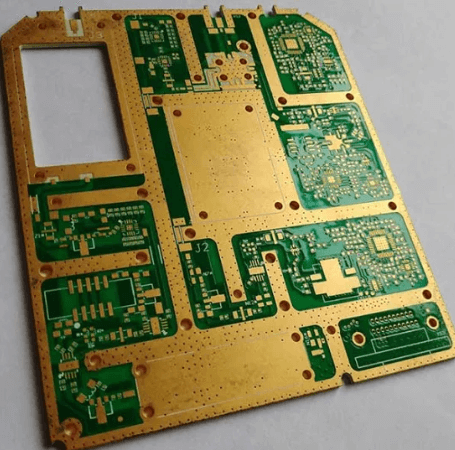
How To Achieve Optimal Performance With Rogers Gold Plated PCBs
Achieving optimal performance with Rogers gold-plated PCBs requires a meticulous approach that integrates material selection, design considerations, and manufacturing precision. Rogers Corporation is renowned for its high-frequency laminate materials, which are essential for applications demanding superior electrical performance. When these materials are combined with gold plating, the result is a printed circuit board (PCB) that excels in conductivity, durability, and reliability. To harness the full potential of Rogers gold-plated PCBs, it is crucial to understand the interplay between these elements and the steps necessary to optimize their performance.
First and foremost, the choice of Rogers material is pivotal.
Rogers offers a variety of laminates, each tailored for specific applications. For instance, Rogers RO4000 series is ideal for high-frequency applications due to its low dielectric loss and stable dielectric constant. Selecting the appropriate laminate ensures that the PCB can handle the intended electrical loads and frequencies without significant signal degradation. This foundational step sets the stage for achieving optimal performance.
Transitioning to the design phase, it is essential to consider the unique properties of Rogers materials.
These laminates exhibit low thermal expansion, which minimizes the risk of mechanical stress and potential failure during thermal cycling. Designers must account for this by ensuring that the PCB layout accommodates the material’s characteristics. Additionally, the use of controlled impedance traces is critical in high-frequency applications. Proper impedance matching reduces signal reflection and loss, thereby enhancing the overall performance of the PCB.
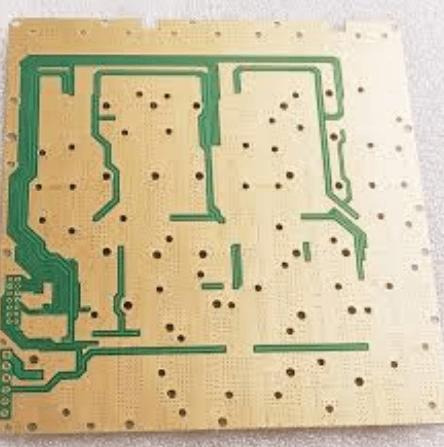
Gold plating further enhances the performance of Rogers PCBs by providing excellent conductivity and resistance to oxidation.
The process of gold plating involves depositing a thin layer of gold onto the surface of the PCB, typically over a nickel barrier. This layer not only improves electrical conductivity but also offers superior protection against environmental factors such as humidity and corrosion. To achieve optimal results, it is imperative to ensure that the gold plating is uniform and adheres well to the underlying materials. This can be accomplished through precise control of the plating process parameters, including temperature, current density, and plating time.
Manufacturing precision is another critical factor in optimizing the performance of Rogers gold-plated PCBs.
The fabrication process must be meticulously controlled to maintain the integrity of the Rogers material and the gold plating. This includes careful handling to prevent contamination and damage, as well as stringent quality control measures to detect and rectify any defects. Advanced manufacturing techniques, such as laser drilling and precision etching, can further enhance the accuracy and performance of the final product.
In addition to these technical considerations, collaboration between designers, material suppliers, and manufacturers is essential.
Open communication ensures that all parties are aligned on the requirements and specifications of the PCB, leading to a more efficient and effective production process. This collaborative approach also facilitates the identification and resolution of potential issues early in the design and manufacturing stages, thereby reducing the risk of costly rework and delays.
In conclusion, achieving optimal performance with Rogers gold-plated PCBs is a multifaceted endeavor that requires careful material selection, thoughtful design, precise manufacturing, and effective collaboration. By understanding and addressing the unique properties and requirements of Rogers materials and gold plating, it is possible to create PCBs that deliver exceptional electrical performance, durability, and reliability. This holistic approach not only maximizes the potential of the PCB but also ensures its long-term success in demanding applications.
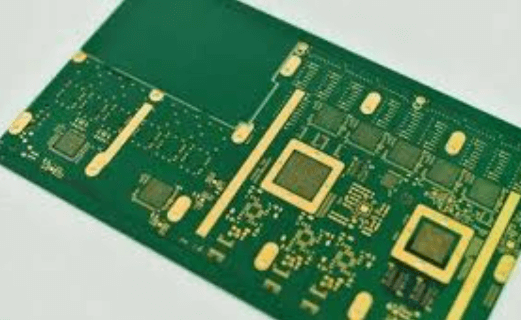
Comparing Rogers Gold Plating To Other PCB Surface Finishes
When it comes to printed circuit boards (PCBs), the choice of surface finish is a critical decision that can significantly impact the performance, reliability, and cost of the final product. Among the various options available, Rogers gold plating stands out as a premium choice, particularly for high-frequency and high-performance applications. To understand its advantages, it is essential to compare Rogers gold plating to other commonly used PCB surface finishes, such as Hot Air Solder Leveling (HASL), Electroless Nickel Immersion Gold (ENIG), and Organic Solderability Preservative (OSP).
Rogers gold plating involves the application of a thin layer of gold over a nickel barrier,
which is itself deposited on the copper traces of the PCB. This method offers several benefits, including excellent conductivity, superior corrosion resistance, and enhanced durability. These attributes make Rogers gold plating particularly suitable for applications where signal integrity and longevity are paramount, such as in aerospace, telecommunications, and medical devices.
In contrast, HASL is one of the most widely used surface finishes due to its cost-effectiveness and ease of application.
HASL involves dipping the PCB into molten solder and then leveling the surface with hot air. While this method provides good solderability and is relatively inexpensive, it has several drawbacks. The uneven surface finish can be problematic for fine-pitch components, and the thermal stress involved in the process can potentially damage sensitive components. Additionally, HASL is not ideal for high-frequency applications due to its relatively poor signal integrity compared to Rogers gold plating.
ENIG, another popular surface finish, consists of a layer of nickel followed by a thin layer of gold.
This method offers a flat and smooth surface, making it suitable for fine-pitch components and providing excellent solderability. ENIG also offers good corrosion resistance and is more suitable for high-frequency applications than HASL. However, it is more expensive than HASL and can suffer from issues such as “black pad” syndrome, where the nickel layer becomes corroded, leading to poor solder joints. While ENIG shares some similarities with Rogers gold plating, the latter typically offers better performance in terms of signal integrity and durability, making it a preferred choice for more demanding applications.
OSP is another surface finish that is gaining popularity due to its environmentally friendly nature and cost-effectiveness.
OSP involves the application of an organic compound that protects the copper surface from oxidation. This method provides excellent solderability and is relatively inexpensive. However, OSP is not as durable as other finishes and is more susceptible to handling damage. It also does not offer the same level of corrosion resistance or signal integrity as Rogers gold plating, making it less suitable for high-performance applications.
In summary, while each PCB surface finish has its own set of advantages and disadvantages, Rogers gold plating stands out for its superior conductivity, corrosion resistance, and durability. These attributes make it particularly well-suited for high-frequency and high-performance applications where signal integrity and longevity are critical. While other finishes like HASL, ENIG, and OSP may be more cost-effective or easier to apply, they often fall short in terms of performance and reliability when compared to Rogers gold plating. Therefore, for applications that demand the highest standards, Rogers gold plating remains a top choice.
Common Applications Of Rogers Gold Plated PCB Circuit Boards
Rogers gold plated PCB circuit boards are renowned for their superior performance and reliability in various high-frequency applications. These circuit boards are constructed using Rogers materials, which are known for their excellent dielectric properties, thermal stability, and low signal loss. The addition of gold plating further enhances their performance by providing exceptional conductivity, corrosion resistance, and durability. Consequently, Rogers gold plated PCB circuit boards are widely utilized in several critical and demanding applications.
One of the most common applications of Rogers gold plated PCB circuit boards is in the telecommunications industry. With the ever-increasing demand for faster and more reliable communication networks, these circuit boards play a crucial role in the development of advanced telecommunication equipment. They are used in the fabrication of antennas, satellite communication systems, and high-frequency signal transmission devices. The low signal loss and high-frequency performance of Rogers materials, combined with the excellent conductivity of gold plating, ensure that these circuit boards can handle the stringent requirements of modern telecommunication systems.
In addition to telecommunications, Rogers gold plated PCB circuit boards are extensively used in the aerospace and defense sectors.
These industries require electronic components that can withstand harsh environmental conditions, including extreme temperatures, high levels of radiation, and mechanical stress. The thermal stability and reliability of Rogers materials make them an ideal choice for aerospace and defense applications. Gold plating further enhances the durability and corrosion resistance of these circuit boards, ensuring their long-term performance in critical systems such as radar, avionics, and missile guidance systems.
The medical industry also benefits significantly from the use of Rogers gold plated PCB circuit boards.
Medical devices and equipment often require high precision and reliability to ensure accurate diagnostics and effective treatment. These circuit boards are used in various medical applications, including imaging systems, diagnostic equipment, and patient monitoring devices. The excellent dielectric properties and low signal loss of Rogers materials contribute to the high performance of these medical devices, while the gold plating ensures reliable electrical connections and long-lasting performance.
Moreover, Rogers gold plated PCB circuit boards find applications in the automotive industry, particularly in advanced driver-assistance systems (ADAS) and electric vehicles (EVs). The increasing complexity of automotive electronics necessitates the use of high-performance circuit boards that can handle high frequencies and provide reliable signal transmission. Rogers materials, with their low dielectric constant and low signal loss, are well-suited for these applications. The gold plating further enhances the conductivity and reliability of the circuit boards, ensuring the efficient operation of critical automotive systems.
Furthermore, the consumer electronics industry also leverages the advantages of Rogers gold plated PCB circuit boards.
High-frequency devices such as smartphones, tablets, and wireless communication devices require circuit boards that can support fast data transmission and maintain signal integrity. The combination of Rogers materials and gold plating provides the necessary performance characteristics to meet these demands. As a result, these circuit boards are commonly used in the production of high-end consumer electronics, contributing to their superior performance and reliability.
In conclusion, Rogers gold plated PCB circuit boards are indispensable in various high-frequency and demanding applications across multiple industries. Their superior dielectric properties, thermal stability, and low signal loss, combined with the exceptional conductivity and durability of gold plating, make them an ideal choice for telecommunications, aerospace and defense, medical, automotive, and consumer electronics applications. As technology continues to advance, the demand for these high-performance circuit boards is expected to grow, further solidifying their importance in the modern world.