
Pcb vs Plate mount
Differences In Sound Quality: PCB Vs Plate Mount
When comparing the sound quality of PCB mount and plate mount mechanical keyboards, it is essential to understand the structural differences and how they influence the auditory experience. The mounting style of a keyboard switch can significantly affect the sound profile, and each type offers distinct characteristics that cater to different preferences.
PCB mount switches are directly attached to the printed circuit board (PCB) without the need for an additional mounting plate.
This design allows for a more flexible and less rigid structure, which can result in a softer and more muted sound. The absence of a metal or plastic plate means that the vibrations produced by keystrokes are less likely to be amplified, leading to a quieter typing experience. Additionally, the flexibility of the PCB can absorb some of the impact noise, further contributing to a subdued acoustic profile. This can be particularly appealing to users who prefer a less intrusive sound, especially in shared or quiet environments.
In contrast, plate mount switches are installed onto a metal or plastic plate before being attached to the PCB.
This additional layer of material provides a more rigid and stable foundation for the switches, which can significantly alter the sound characteristics. The rigidity of the plate mount design tends to produce a louder and more resonant sound, as the plate can amplify the vibrations from each keystroke. This results in a more pronounced and crisp auditory feedback, which many typists find satisfying and enjoyable. The increased stability also contributes to a more consistent sound across all keys, as the uniform structure ensures that each switch is equally supported.
Moreover, the material of the mounting plate can further influence the sound quality.
Metal plates, such as those made from aluminum or steel, tend to produce a sharper and more metallic sound, while plastic plates can offer a slightly softer and less resonant tone. The choice of material can thus be a critical factor for users seeking a specific auditory experience.
Another aspect to consider is the impact of keycap material and design on the overall sound profile.
Key caps made from different materials, such as ABS or PBT plastic, can interact differently with the mounting style, further shaping the sound. For instance, thicker PBT key caps are known to produce a deeper and more thocky sound, which can complement the characteristics of both PCB and plate mount designs in unique ways.
Furthermore, the type of switches used can also play a significant role in determining the sound quality.
Linear switches, which lack tactile feedback, generally produce a smoother and quieter sound compared to tactile or click switches. The combination of switch type and mounting style can thus create a wide range of auditory experiences, allowing users to tailor their keyboards to their specific preferences.
In conclusion, the differences in sound quality between PCB mount and plate mount mechanical keyboards are primarily influenced by the structural design and materials used. PCB mount keyboards offer a softer and more muted sound, ideal for quieter environments, while plate mount keyboards provide a louder and more resonant auditory feedback, appealing to those who enjoy a more pronounced typing experience. By considering factors such as mounting plate material, keycap design, and switch type, users can make informed decisions to achieve their desired sound profile.
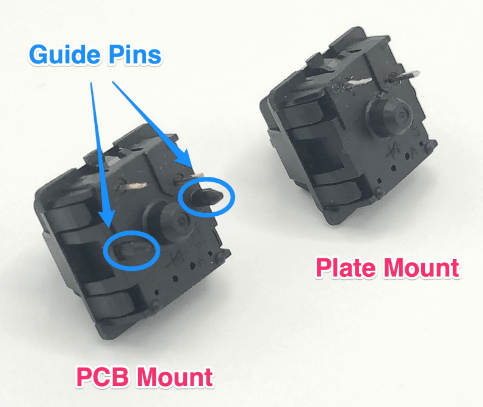
Durability And Stability: Comparing PCB And Plate Mount Keyboards
When evaluating the durability and stability of mechanical keyboards, the mounting style of the switches plays a crucial role. Two predominant mounting styles are PCB (Printed Circuit Board) mount and plate mount. Each has distinct characteristics that influence the overall robustness and steadiness of the keyboard. Understanding these differences is essential for making an informed decision, particularly for users who prioritize longevity and a stable typing experience.
PCB mount keyboards feature switches that are directly soldered onto the printed circuit board.
This design allows for a more straightforward assembly process and can be advantageous for those who prefer a lighter keyboard. However, the absence of an additional support structure means that the PCB itself bears the brunt of the mechanical stress exerted during typing. Over time, this can lead to potential issues such as PCB flexing or even cracking, especially if the keyboard is subjected to heavy use or physical impacts. Consequently, while PCB mount keyboards may offer a more streamlined and potentially cost-effective solution, they may not provide the same level of durability as their plate mount counterparts.
In contrast, plate mount keyboards incorporate a metal or plastic plate that sits between the switches and the PCB.
This plate serves as an additional layer of support, distributing the mechanical stress more evenly across the keyboard. The presence of this plate significantly enhances the structural integrity of the keyboard, making it more resistant to flexing and other forms of physical deformation. As a result, plate mount keyboards are generally considered to be more durable and stable, particularly in demanding environments or for users who engage in intensive typing sessions.
Moreover, the plate in plate mount keyboards contributes to a more consistent and satisfying typing experience.
The added rigidity provided by the plate ensures that the switches remain firmly in place, reducing the likelihood of wobbling or misalignment. This stability is particularly beneficial for typists who require precise and reliable key actuation. Additionally, the plate can influence the acoustic properties of the keyboard, often resulting in a more solid and less hollow sound, which many users find preferable.
However, it is important to note that the increased durability and stability of plate mount keyboards come with certain trade-offs.
The inclusion of a plate adds to the overall weight and thickness of the keyboard, which may not be ideal for users seeking a more portable or compact solution. Furthermore, the assembly process for plate mount keyboards is generally more complex, potentially leading to higher manufacturing costs and, consequently, a higher price point for the end consumer.
In summary, the choice between PCB mount and plate mount keyboards hinges on a balance between durability, stability, and other user-specific preferences. PCB mount keyboards offer a lighter and potentially more cost-effective option but may fall short in terms of long-term durability and stability.
On the other hand, plate mount keyboards provide enhanced structural integrity and a more stable typing experience, albeit at the expense of increased weight and complexity. By carefully considering these factors, users can select a keyboard that best aligns with their needs and expectations, ensuring a satisfactory and enduring typing experience.
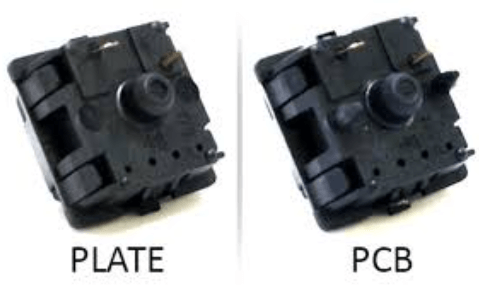
Customization Options: PCB Mount Vs Plate Mount Keyboards
When considering customization options for mechanical keyboards, enthusiasts often find themselves deliberating between PCB mount and plate mount configurations. Each mounting style offers distinct advantages and disadvantages, which can significantly influence the overall typing experience, durability, and customization potential of the keyboard. Understanding these differences is crucial for making an informed decision that aligns with one’s preferences and requirements.
PCB mount keyboards, also known as “plate-less” keyboards, have switches that are directly mounted onto the printed circuit board (PCB).
This configuration allows for a more flexible typing experience, as the absence of a metal plate provides a softer and more cushioned feel. The flexibility of the PCB can also contribute to a quieter typing experience, as the vibrations and sounds produced by keystrokes are less pronounced. Additionally, PCB mount keyboards often facilitate easier switch replacement and customization, as the switches are not secured by a plate and can be desoldered and resoldered with relative ease. This makes PCB mount keyboards particularly appealing to those who frequently modify their keyboards or experiment with different switch types.
On the other hand, plate mount keyboards incorporate a metal or plastic plate that sits between the switches and the PCB.
This plate provides additional structural support, resulting in a more rigid and stable typing experience. The increased stability can be particularly beneficial for typists who prefer a firmer and more consistent keystroke. Furthermore, the plate helps to distribute the force of each keystroke more evenly across the keyboard, potentially enhancing the overall durability and longevity of the device. Plate mount keyboards also tend to exhibit less flex, which can be advantageous for users who prioritize a solid and robust build quality.
However, the presence of a plate in plate mount keyboards can complicate the process of switch replacement and customization.
The switches are typically secured to the plate, necessitating the removal of the plate to access the switches for desoldering and resoldering. This additional step can be time-consuming and may require more advanced technical skills, making plate mount keyboards less ideal for those who frequently modify their keyboards. Despite this, many users appreciate the enhanced stability and durability provided by the plate, which can outweigh the potential inconvenience of more complex switch replacement procedures.
In terms of aesthetics, both PCB mount and plate mount keyboards offer unique visual appeal.
PCB mount keyboards often showcase a minimalist design, with the absence of a plate allowing for a cleaner and more streamlined appearance. Conversely, plate mount keyboards can feature a variety of plate materials and finishes, adding an extra layer of customization and personalization to the keyboard’s overall look. The choice between the two ultimately depends on individual preferences and the desired balance between form and function.
In conclusion, the decision between PCB mount and plate mount keyboards hinges on several factors, including typing feel, ease of customization, durability, and aesthetic preferences.
PCB mount keyboards offer a softer and more flexible typing experience, with easier switch replacement and a minimalist design.
In contrast, plate mount keyboards provide increased stability, durability, and a variety of aesthetic options, albeit with more complex switch replacement procedures. By carefully considering these aspects, keyboard enthusiasts can select the mounting style that best aligns with their needs and enhances their overall typing experience.
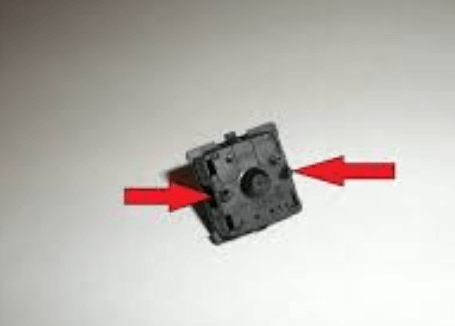
Installation And Maintenance: PCB Mount Vs Plate Mount Keyboards
When considering the installation and maintenance of mechanical keyboards, the choice between PCB mount and plate mount designs is a critical factor that can significantly influence both the ease of assembly and the long-term upkeep of the device. Understanding the distinctions between these two mounting styles is essential for enthusiasts and professionals alike, as each offers unique advantages and challenges.
To begin with, PCB mount keyboards are characterized by switches that are directly soldered onto the printed circuit board (PCB).
This design simplifies the initial installation process, as it eliminates the need for an additional mounting plate. Consequently, the assembly of PCB mount keyboards can be more straightforward, particularly for those who are new to keyboard building. The absence of a mounting plate also allows for a more flexible and customizable typing experience, as the PCB itself can be designed to accommodate various switch layouts and configurations.
However, the simplicity of PCB mount keyboards comes with certain trade-offs.
One notable drawback is the potential for reduced structural stability. Without a mounting plate to provide additional support, the PCB may be more susceptible to flexing and bending, especially under heavy typing or prolonged use. This can lead to a less consistent typing feel and may necessitate more frequent maintenance to ensure the longevity of the keyboard. Additionally, the direct soldering of switches to the PCB can complicate repairs and modifications. If a switch becomes faulty or if the user wishes to change the switch type, desoldering and resoldering are required, which can be a time-consuming and technically demanding process.
In contrast, plate mount keyboards incorporate a metal or plastic plate that sits between the switches and the PCB.
The switches are mounted onto this plate, which is then secured to the PCB. This design offers several advantages in terms of installation and maintenance. The mounting plate provides enhanced structural integrity, reducing the likelihood of PCB flex and ensuring a more consistent and stable typing experience. The added rigidity can also contribute to a more satisfying tactile response, as the switches are held firmly in place.
Moreover, plate mount keyboards often facilitate easier maintenance and customization.
Since the switches are not directly soldered to the PCB, they can be more readily swapped out or replaced without the need for extensive desoldering. This is particularly beneficial for users who enjoy experimenting with different switch types or who may need to replace a faulty switch. The presence of a mounting plate also allows for the use of hot-swappable PCBs, which further simplifies the process of changing switches and can significantly reduce downtime during repairs or modifications.
Despite these advantages, plate mount keyboards are not without their own set of challenges.
The inclusion of a mounting plate adds an additional layer of complexity to the assembly process, which may be daunting for beginners. The alignment of the switches with both the plate and the PCB requires careful attention to detail to ensure proper functionality. Furthermore, the added components can increase the overall cost and weight of the keyboard, which may be a consideration for those seeking a more budget-friendly or portable option.
In conclusion, the choice between PCB mount and plate mount keyboards involves a careful consideration of the trade-offs between ease of installation, structural stability, and maintenance requirements. While PCB mount keyboards offer a simpler assembly process and greater flexibility, they may require more frequent maintenance and present challenges during repairs. On the other hand, plate mount keyboards provide enhanced stability and easier switch customization, albeit with a more complex installation process and potentially higher costs. Ultimately, the decision will depend on the specific needs and preferences of the user, as well as their level of experience and willingness to engage in ongoing maintenance.