
Pcb sample preservation
Best Practices For Long-Term PCB Sample Storage
Preserving printed circuit board (PCB) samples for long-term storage is a critical aspect of ensuring their integrity and functionality over time. Proper storage practices are essential to prevent degradation, contamination, and damage, which can compromise the performance and reliability of these intricate electronic components. To achieve optimal preservation, several best practices should be meticulously followed.
First and foremost, controlling the environment in which PCB samples are stored is paramount.
Temperature and humidity are two key factors that can significantly impact the longevity of PCBs. Ideally, PCB samples should be stored in a climate-controlled environment where the temperature is maintained between 20°C and 25°C (68°F to 77°F) and the relative humidity is kept below 50%. Excessive heat can cause the materials in the PCB to expand and contract, leading to potential warping or delamination. Conversely, high humidity levels can result in moisture absorption, which can cause corrosion and electrical failures.
In addition to environmental control, it is crucial to protect PCB samples from electrostatic discharge (ESD).
ESD can cause immediate or latent damage to the sensitive electronic components on the PCB. To mitigate this risk, PCB samples should be stored in anti-static bags or containers. These specialized storage solutions are designed to dissipate static charges and shield the PCBs from ESD events. Furthermore, it is advisable to handle PCB samples using ESD-safe gloves and tools to prevent the introduction of static electricity during the storage process.
Another important consideration is the cleanliness of the storage area.
Dust, dirt, and other contaminants can settle on PCB samples and interfere with their functionality. To maintain a clean storage environment, it is recommended to use sealed containers or cabinets that can protect the PCBs from airborne particles. Additionally, regular cleaning and maintenance of the storage area can help minimize the risk of contamination.
Labeling and documentation are also essential components of effective PCB sample preservation.
Each PCB sample should be clearly labeled with relevant information, such as the date of manufacture, part number, and any specific storage requirements. This information can be invaluable for future reference and can help ensure that the correct storage conditions are maintained. Moreover, maintaining detailed records of the storage conditions and any inspections or maintenance performed on the PCB samples can provide a comprehensive history that can be useful for troubleshooting and quality control purposes.
Furthermore, it is important to consider the physical protection of PCB samples.
Storing PCBs in sturdy, impact-resistant containers can help prevent physical damage from accidental drops or impacts. Additionally, using foam inserts or other cushioning materials can provide extra protection by absorbing shocks and vibrations that could potentially harm the delicate components on the PCB.
Lastly, periodic inspection and testing of stored PCB samples can help identify any potential issues before they become critical.
Regularly checking the condition of the PCBs and verifying their functionality can ensure that any signs of degradation or damage are promptly addressed. This proactive approach can help extend the lifespan of the PCB samples and maintain their reliability for future use.
In conclusion, the long-term storage of PCB samples requires careful attention to environmental control, ESD protection, cleanliness, labeling, physical protection, and regular inspection. By adhering to these best practices, it is possible to preserve the integrity and functionality of PCB samples, ensuring their availability and reliability for future applications.
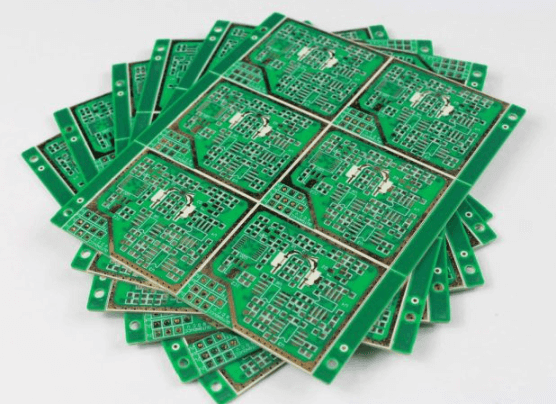
Environmental Factors Affecting PCB Sample Preservation
Polychlorinated biphenyls (PCBs) are synthetic organic chemicals that have been widely used in various industrial applications due to their chemical stability and insulating properties. However, their persistence in the environment and potential health risks have necessitated rigorous monitoring and analysis. The preservation of PCB samples is critical to ensure the accuracy and reliability of analytical results. Several environmental factors can significantly impact the integrity of PCB samples, and understanding these factors is essential for effective sample preservation.
Temperature is one of the most crucial environmental factors affecting PCB sample preservation.
PCBs are relatively stable compounds, but extreme temperatures can lead to degradation or volatilization. High temperatures can accelerate the breakdown of PCBs, leading to the formation of degradation products that may interfere with analytical results. Conversely, low temperatures can cause PCBs to solidify, making it difficult to obtain a representative sample. Therefore, it is recommended to store PCB samples at a consistent, moderate temperature, typically around 4°C, to minimize these risks.
Another important factor is light exposure. PCBs are susceptible to photodegradation when exposed to ultraviolet (UV) light.
This degradation can alter the chemical composition of the sample, leading to inaccurate analytical results. To mitigate this risk, PCB samples should be stored in opaque containers that prevent light penetration. Additionally, samples should be kept in dark storage areas to further reduce the potential for photodegradation.
Moisture and humidity also play a significant role in PCB sample preservation.
PCBs are hydrophobic compounds, meaning they do not readily dissolve in water. However, the presence of moisture can facilitate the hydrolysis of PCBs, leading to the formation of hydroxylated derivatives. These derivatives can complicate the analysis and interpretation of PCB concentrations. To prevent moisture-related degradation, samples should be stored in airtight containers with desiccants to maintain a dry environment.
The type of container used for storing PCB samples is another critical consideration.
Glass containers are generally preferred due to their inert nature and resistance to chemical interactions with PCBs. However, plastic containers can also be used if they are made from materials that do not leach contaminants or absorb PCBs. It is essential to ensure that the containers are clean and free from any residues that could contaminate the samples. Proper sealing of the containers is also necessary to prevent the ingress of air, moisture, or other contaminants.
In addition to these factors, the duration of storage can impact the preservation of PCB samples.
Prolonged storage can increase the likelihood of sample degradation or contamination. Therefore, it is advisable to analyze PCB samples as soon as possible after collection. If long-term storage is unavoidable, regular monitoring of the storage conditions and periodic reanalysis of the samples can help ensure their integrity.
In conclusion, the preservation of PCB samples is influenced by various environmental factors, including temperature, light exposure, moisture, container type, and storage duration. By carefully controlling these factors, it is possible to maintain the integrity of PCB samples and ensure accurate analytical results. This is essential for effective monitoring and assessment of PCB contamination in the environment, ultimately contributing to better protection of human health and the ecosystem.

Innovative Methods For PCB Sample Preservation
Printed Circuit Boards (PCBs) are integral components in modern electronic devices, and their preservation is crucial for both ongoing research and historical documentation. As technology advances, innovative methods for PCB sample preservation have emerged, ensuring that these vital components remain intact and functional for extended periods.
One of the primary challenges in PCB preservation is protecting the delicate circuitry from environmental factors such as moisture, dust, and temperature fluctuations.
To address this, researchers have developed advanced encapsulation techniques. Encapsulation involves coating the PCB with a protective layer, typically made of epoxy resin or silicone, which acts as a barrier against external contaminants. This method not only shields the PCB from physical damage but also prevents oxidation and corrosion of the metal components.
In addition to encapsulation, vacuum sealing has proven to be an effective preservation method.
By removing air from the storage environment, vacuum sealing minimizes the risk of oxidation and moisture ingress, both of which can degrade PCB performance over time. This technique is particularly beneficial for long-term storage, as it maintains the integrity of the PCB without the need for frequent inspections or maintenance. Furthermore, vacuum-sealed PCBs can be easily transported without the risk of damage, making this method ideal for archival purposes and inter-laboratory exchanges.
Another innovative approach to PCB preservation is the use of inert gas storage.
Inert gases, such as nitrogen or argon, create a non-reactive atmosphere that significantly reduces the likelihood of chemical reactions that could compromise the PCB’s functionality. By storing PCBs in an environment filled with inert gas, researchers can effectively halt the degradation process, ensuring that the samples remain in pristine condition for future analysis. This method is particularly advantageous for preserving rare or valuable PCBs that require meticulous care.
Temperature control is also a critical factor in PCB preservation.
Extreme temperatures can cause thermal expansion and contraction, leading to mechanical stress and potential failure of the PCB components. To mitigate this risk, climate-controlled storage facilities have been developed. These facilities maintain a stable temperature and humidity level, providing an optimal environment for PCB preservation. By preventing thermal cycling and moisture accumulation, climate-controlled storage ensures the longevity of the PCB samples.
Moreover, advancements in digital preservation techniques have complemented physical preservation methods.
High-resolution imaging and 3D scanning technologies allow for the creation of detailed digital replicas of PCBs. These digital models can be used for virtual analysis and testing, reducing the need for physical handling of the original samples. Additionally, digital preservation provides a valuable backup in case of physical damage or loss, ensuring that the information contained within the PCB is not permanently lost.
In conclusion, the preservation of PCB samples is a multifaceted challenge that requires a combination of physical and digital methods. Encapsulation, vacuum sealing, inert gas storage, and climate-controlled facilities offer robust solutions for protecting PCBs from environmental threats. Meanwhile, digital preservation techniques provide an additional layer of security, safeguarding the valuable data contained within these critical components. As technology continues to evolve, it is likely that even more innovative methods for PCB preservation will emerge, further enhancing our ability to maintain these essential elements of modern electronics.
Importance Of Proper Handling In PCB Sample Longevity
The importance of proper handling in PCB sample longevity cannot be overstated, as it plays a crucial role in ensuring the reliability and functionality of printed circuit boards (PCBs). Proper handling begins with understanding the delicate nature of PCBs, which are composed of multiple layers of conductive and insulating materials. These layers are susceptible to damage from physical stress, environmental factors, and contamination. Therefore, meticulous care must be taken from the moment a PCB sample is fabricated to its final deployment in electronic devices.
One of the primary considerations in PCB sample preservation is the prevention of physical damage.
PCBs are often thin and fragile, making them vulnerable to bending, cracking, and other forms of mechanical stress. To mitigate these risks, it is essential to use appropriate packaging materials, such as anti-static bags and cushioned containers, which provide both physical protection and electrostatic discharge (ESD) shielding. Additionally, handling PCBs with clean, dry hands or using gloves can prevent oils and moisture from contaminating the board, which could lead to corrosion or short circuits.
Environmental factors also play a significant role in the longevity of PCB samples.
Exposure to extreme temperatures, humidity, and UV light can degrade the materials used in PCBs, leading to reduced performance and potential failure. To combat these issues, PCBs should be stored in climate-controlled environments where temperature and humidity levels are carefully monitored and maintained. Desiccant packs can be used within storage containers to absorb excess moisture, further protecting the PCBs from humidity-related damage.
Contamination is another critical factor that can adversely affect PCB samples.
Dust, dirt, and other particulates can settle on the surface of a PCB, potentially causing short circuits or interfering with the soldering process. To minimize contamination, PCBs should be handled in cleanroom environments whenever possible. Cleanrooms are designed to maintain low levels of airborne particulates, ensuring that the PCBs remain free from contaminants. Additionally, regular cleaning of workspaces and equipment can help reduce the risk of contamination.
Proper handling also extends to the transportation of PCB samples.
During transit, PCBs are exposed to various risks, including vibration, shock, and temperature fluctuations. To ensure safe transportation, PCBs should be securely packaged in anti-static materials and cushioned to absorb any impact. Furthermore, using temperature-controlled shipping options can help maintain the integrity of the PCBs by preventing exposure to extreme temperatures.
In addition to physical and environmental considerations, proper documentation and labeling are essential for PCB sample preservation.
Accurate records of the PCB’s fabrication date, materials used, and any testing or modifications performed can provide valuable information for future reference. Clear labeling of PCB samples, including serial numbers and other identifying information, can help prevent mix-ups and ensure that the correct samples are used in subsequent stages of development and testing.
In conclusion, the longevity of PCB samples is heavily dependent on proper handling practices. By taking measures to prevent physical damage, control environmental factors, minimize contamination, ensure safe transportation, and maintain accurate documentation, the integrity and functionality of PCB samples can be preserved. These practices not only enhance the reliability of the PCBs but also contribute to the overall success of electronic devices that rely on these critical components. Therefore, it is imperative for individuals and organizations involved in the design, fabrication, and testing of PCBs to prioritize proper handling techniques to ensure the longevity and performance of their PCB samples.