
pcba service
Benefits Of Outsourcing PCBA Services For Startups
Outsourcing Printed Circuit Board Assembly (PCBA) services has become an increasingly popular strategy for startups aiming to optimize their operations and focus on core competencies. This approach offers a multitude of benefits that can significantly enhance a startup’s ability to compete in the fast-paced technology market. By leveraging the expertise and resources of specialized PCBA service providers, startups can achieve greater efficiency, cost-effectiveness, and product quality, which are crucial for their growth and sustainability.
One of the primary advantages of outsourcing PCBA services is the access to advanced technology and expertise that these providers offer.
Startups often face resource constraints, making it challenging to invest in the latest equipment and hire skilled personnel for in-house assembly. By partnering with a PCBA service provider, startups can benefit from cutting-edge technology and a team of experienced professionals who are well-versed in the intricacies of circuit board assembly. This not only ensures high-quality products but also accelerates the time-to-market, giving startups a competitive edge.
Moreover, outsourcing PCBA services allows startups to focus on their core business activities.
Developing innovative products and solutions requires significant time and effort, and managing the complexities of PCBA can divert valuable resources away from these critical tasks. By entrusting the assembly process to a specialized provider, startups can concentrate on research and development, marketing, and customer engagement, thereby enhancing their overall business performance. This strategic focus is essential for startups aiming to establish a strong market presence and build a loyal customer base.
In addition to technological and strategic benefits, cost savings are a significant factor driving startups to outsource PCBA services.
Establishing an in-house assembly line involves substantial capital investment in equipment, facilities, and workforce training. For startups operating on limited budgets, these expenses can be prohibitive. Outsourcing eliminates the need for such investments, allowing startups to allocate their financial resources more effectively. Furthermore, PCBA service providers often have established relationships with component suppliers, enabling them to procure materials at lower costs, which translates into further savings for startups.
Another critical benefit of outsourcing PCBA services is the flexibility it offers.
Startups often experience fluctuating demand as they scale their operations and respond to market changes. An outsourced PCBA partner can quickly adjust production volumes to meet these variations, ensuring that startups can efficiently manage their supply chain without the burden of maintaining excess inventory or facing production delays. This adaptability is particularly valuable in the dynamic startup environment, where agility and responsiveness are key to success.
Furthermore, outsourcing PCBA services can enhance a startup’s risk management capabilities.
The complexities of circuit board assembly involve potential risks such as production errors, component shortages, and compliance issues. Experienced PCBA providers have robust quality control processes and industry knowledge to mitigate these risks effectively. By relying on their expertise, startups can reduce the likelihood of costly mistakes and ensure that their products meet industry standards and regulations.
In conclusion, outsourcing PCBA services presents a compelling opportunity for startups to optimize their operations and focus on their core strengths. By accessing advanced technology, reducing costs, and enhancing flexibility, startups can improve their competitiveness and accelerate their growth trajectory. As the technology landscape continues to evolve, the strategic decision to outsource PCBA services will likely remain a vital component of successful startup strategies.

Key Considerations When Choosing A PCBA Service Provider
When selecting a Printed Circuit Board Assembly (PCBA) service provider, several key considerations must be taken into account to ensure that the partnership will meet your specific needs and expectations. The choice of a PCBA service provider can significantly impact the quality, efficiency, and cost-effectiveness of your electronic products. Therefore, it is crucial to evaluate potential providers carefully, considering various factors that can influence the success of your projects.
First and foremost, the technical capabilities of the PCBA service provider should be thoroughly assessed.
This includes their ability to handle the complexity of your designs, the range of technologies they can support, and their proficiency in using advanced equipment. Providers with state-of-the-art facilities and a skilled workforce are more likely to deliver high-quality assemblies that meet stringent industry standards. Additionally, it is beneficial to inquire about their experience with similar projects, as this can provide insight into their ability to manage your specific requirements.
Another critical consideration is the provider’s quality assurance processes.
A reliable PCBA service provider should have robust quality control measures in place, including certifications such as ISO 9001 or IPC standards. These certifications indicate a commitment to maintaining high-quality standards throughout the production process. Furthermore, it is advisable to review their testing procedures, as comprehensive testing can help identify and rectify potential issues before the final product is delivered.
Cost is inevitably a significant factor in the decision-making process.
While it may be tempting to choose the provider with the lowest quote, it is essential to consider the overall value they offer. This includes not only the price but also the quality of the components used, the reliability of their services, and their ability to meet deadlines. A provider that offers a competitive price while maintaining high standards of quality and reliability is often a more prudent choice in the long run.
The geographical location of the PCBA service provider can also play a role in your decision.
Proximity can lead to reduced shipping costs and shorter lead times, which are crucial for time-sensitive projects. However, it is also important to weigh these benefits against the potential advantages of working with an overseas provider, such as access to specialized expertise or lower labor costs. Ultimately, the decision should align with your strategic priorities and logistical considerations.
Communication and customer service are additional factors that should not be overlooked.
A provider that is responsive and transparent in their communication can significantly enhance the collaboration process. This includes providing regular updates on project progress, being open to feedback, and addressing any concerns promptly. Strong communication can help build a trusting relationship, which is vital for successful long-term partnerships.
Finally, consider the scalability and flexibility of the PCBA service provider.
As your business grows, your production needs may change, requiring a provider that can adapt to increased volumes or new technological demands. A provider with scalable operations and a willingness to accommodate your evolving needs can be a valuable asset as you expand your product offerings.
In conclusion, choosing the right PCBA service provider involves a comprehensive evaluation of their technical capabilities, quality assurance processes, cost-effectiveness, geographical location, communication practices, and scalability. By carefully considering these factors, you can select a partner that not only meets your current needs but also supports your future growth and success in the competitive electronics market.
Innovations In PCBA Technology And Their Impact On Manufacturing
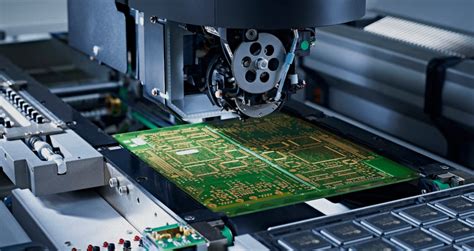
Printed Circuit Board Assembly (PCBA) services have undergone significant transformations in recent years, driven by technological innovations that have reshaped the manufacturing landscape. These advancements have not only enhanced the efficiency and precision of PCBA processes but have also broadened the scope of applications across various industries. As we delve into the innovations in PCBA technology, it is essential to understand their profound impact on manufacturing practices and the broader implications for industry stakeholders.
To begin with, one of the most notable innovations in PCBA technology is the advent of surface mount technology (SMT).
SMT has revolutionized the way components are mounted onto circuit boards, allowing for smaller, more compact designs. This shift from traditional through-hole technology to SMT has enabled manufacturers to produce more complex and densely packed circuit boards, which are essential for modern electronic devices. Consequently, this has led to a reduction in manufacturing costs and an increase in production speed, as SMT allows for automated assembly processes that are both faster and more reliable.
In addition to SMT, the integration of advanced robotics and automation in PCBA services has further enhanced manufacturing capabilities.
Automated optical inspection (AOI) systems, for instance, have become a staple in quality control processes, ensuring that each circuit board meets stringent standards before it reaches the market. These systems use high-resolution cameras and sophisticated algorithms to detect defects and inconsistencies, thereby minimizing human error and improving overall product quality. Moreover, the use of robotics in assembly lines has streamlined operations, reducing the need for manual intervention and allowing for 24/7 production cycles.
Another significant innovation is the implementation of Internet of Things (IoT) technologies in PCBA manufacturing.
IoT-enabled devices and systems facilitate real-time monitoring and data collection, providing manufacturers with valuable insights into their production processes. This data-driven approach allows for predictive maintenance, where potential issues can be identified and addressed before they lead to costly downtime. Furthermore, IoT technologies enable greater connectivity and communication between different stages of the manufacturing process, resulting in more cohesive and efficient operations.
The rise of artificial intelligence (AI) and machine learning (ML) in PCBA services has also had a transformative impact.
AI and ML algorithms are being used to optimize design processes, improve supply chain management, and enhance decision-making capabilities. For example, AI-driven design tools can analyze vast amounts of data to suggest optimal component placements and routing paths, leading to more efficient and reliable circuit board designs. Additionally, AI-powered analytics can help manufacturers predict demand patterns and adjust production schedules accordingly, ensuring that resources are allocated effectively.
As these innovations continue to evolve, their impact on manufacturing is becoming increasingly evident.
The integration of advanced technologies in PCBA services has led to shorter lead times, reduced costs, and improved product quality, all of which are critical factors in maintaining a competitive edge in today’s fast-paced market. Moreover, these advancements have opened up new possibilities for customization and personalization, allowing manufacturers to cater to specific customer needs and preferences.
In conclusion, the innovations in PCBA technology have significantly influenced manufacturing practices, driving efficiency, precision, and adaptability. As the industry continues to embrace these technological advancements, it is poised to meet the growing demands of an ever-evolving market, paving the way for future developments and opportunities. The ongoing evolution of PCBA services underscores the importance of staying at the forefront of technological innovation to remain competitive and responsive to the needs of a dynamic global economy.
How PCBA Services Enhance Product Development Efficiency
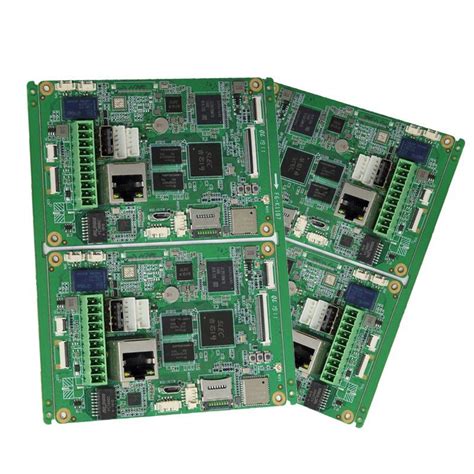
In the rapidly evolving landscape of electronics manufacturing, Printed Circuit Board Assembly (PCBA) services have emerged as a pivotal component in enhancing product development efficiency. As companies strive to bring innovative products to market faster and more cost-effectively, the role of PCBA services becomes increasingly significant. These services encompass a range of processes, from design and prototyping to assembly and testing, all of which contribute to streamlining the product development cycle.
To begin with, PCBA services offer a comprehensive approach to the design and prototyping phase
By leveraging advanced design software and simulation tools, service providers can assist in creating optimized circuit layouts that meet specific performance and reliability criteria. This not only reduces the likelihood of design errors but also accelerates the transition from concept to prototype. Furthermore, the ability to rapidly produce prototypes allows for iterative testing and refinement, ensuring that any potential issues are identified and addressed early in the development process. Consequently, this reduces the time and cost associated with subsequent design revisions.
In addition to design and prototyping, PCBA services play a crucial role in the assembly process.
Utilizing state-of-the-art equipment and techniques, such as surface mount technology (SMT) and through-hole technology, these services ensure precise component placement and soldering. This level of precision is essential for maintaining the integrity and functionality of the final product. Moreover, by outsourcing assembly to specialized PCBA providers, companies can benefit from economies of scale, as these providers often have the capacity to handle large volumes efficiently. This not only reduces production costs but also allows companies to allocate resources more effectively, focusing on core competencies such as research and development.
Another significant advantage of PCBA services is the rigorous testing and quality assurance processes they incorporate.
Comprehensive testing, including in-circuit testing (ICT) and functional testing, is conducted to verify that the assembled boards meet all specified requirements. This ensures that any defects are identified and rectified before the product reaches the market, thereby enhancing reliability and customer satisfaction. Additionally, many PCBA service providers adhere to international quality standards, such as ISO 9001 and IPC-A-610, which further guarantees the quality and consistency of the products they deliver.
Furthermore, PCBA services facilitate supply chain optimization by offering end-to-end solutions that encompass component sourcing and logistics management.
By partnering with established suppliers, PCBA providers can secure high-quality components at competitive prices, reducing the risk of supply chain disruptions. This integrated approach not only simplifies the procurement process but also ensures that all components are compatible and meet the necessary specifications, thereby minimizing delays and enhancing overall efficiency.
In conclusion, PCBA services significantly enhance product development efficiency by streamlining the design, assembly, and testing processes. Through advanced design tools, precise assembly techniques, rigorous quality assurance, and optimized supply chain management, these services enable companies to bring high-quality products to market more quickly and cost-effectively. As the demand for innovative electronic products continues to grow, the importance of PCBA services in the product development lifecycle is likely to increase, making them an indispensable asset for companies seeking to maintain a competitive edge in the industry.
Benefits Of Outsourcing PCBA Services For Startups
Outsourcing Printed Circuit Board Assembly (PCBA) services has become an increasingly popular strategy for startups aiming to optimize their operations and focus on core competencies. This approach offers a multitude of benefits that can significantly enhance a startup’s ability to compete in the fast-paced technology market. By leveraging the expertise and resources of specialized PCBA service providers, startups can achieve greater efficiency, cost-effectiveness, and product quality, which are crucial for their growth and sustainability.
One of the primary advantages of outsourcing PCBA services is the access to advanced technology and expertise that these providers offer.
Startups often face resource constraints, making it challenging to invest in the latest equipment and hire skilled personnel for in-house assembly. By partnering with a PCBA service provider, startups can benefit from cutting-edge technology and a team of experienced professionals who are well-versed in the intricacies of circuit board assembly. This not only ensures high-quality products but also accelerates the time-to-market, giving startups a competitive edge.
Moreover, outsourcing PCBA services allows startups to focus on their core business activities.
Developing innovative products and solutions requires significant time and effort, and managing the complexities of PCBA can divert valuable resources away from these critical tasks. By entrusting the assembly process to a specialized provider, startups can concentrate on research and development, marketing, and customer engagement, thereby enhancing their overall business performance. This strategic focus is essential for startups aiming to establish a strong market presence and build a loyal customer base.
In addition to technological and strategic benefits, cost savings are a significant factor driving startups to outsource PCBA services.
Establishing an in-house assembly line involves substantial capital investment in equipment, facilities, and workforce training. For startups operating on limited budgets, these expenses can be prohibitive. Outsourcing eliminates the need for such investments, allowing startups to allocate their financial resources more effectively. Furthermore, PCBA service providers often have established relationships with component suppliers, enabling them to procure materials at lower costs, which translates into further savings for startups.
Another critical benefit of outsourcing PCBA services is the flexibility it offers.
Startups often experience fluctuating demand as they scale their operations and respond to market changes. An outsourced PCBA partner can quickly adjust production volumes to meet these variations, ensuring that startups can efficiently manage their supply chain without the burden of maintaining excess inventory or facing production delays. This adaptability is particularly valuable in the dynamic startup environment, where agility and responsiveness are key to success.
Furthermore, outsourcing PCBA services can enhance a startup’s risk management capabilities.
The complexities of circuit board assembly involve potential risks such as production errors, component shortages, and compliance issues. Experienced PCBA providers have robust quality control processes and industry knowledge to mitigate these risks effectively. By relying on their expertise, startups can reduce the likelihood of costly mistakes and ensure that their products meet industry standards and regulations.
In conclusion, outsourcing PCBA services presents a compelling opportunity for startups to optimize their operations and focus on their core strengths. By accessing advanced technology, reducing costs, and enhancing flexibility, startups can improve their competitiveness and accelerate their growth trajectory. As the technology landscape continues to evolve, the strategic decision to outsource PCBA services will likely remain a vital component of successful startup strategies.
Key Considerations When Choosing A PCBA Service Provider
When selecting a Printed Circuit Board Assembly (PCBA) service provider, several key considerations must be taken into account to ensure that the partnership will meet your specific needs and expectations. The choice of a PCBA service provider can significantly impact the quality, efficiency, and cost-effectiveness of your electronic products. Therefore, it is crucial to evaluate potential providers carefully, considering various factors that can influence the success of your projects.
First and foremost, the technical capabilities of the PCBA service provider should be thoroughly assessed.
This includes their ability to handle the complexity of your designs, the range of technologies they can support, and their proficiency in using advanced equipment. Providers with state-of-the-art facilities and a skilled workforce are more likely to deliver high-quality assemblies that meet stringent industry standards. Additionally, it is beneficial to inquire about their experience with similar projects, as this can provide insight into their ability to manage your specific requirements.
Another critical consideration is the provider’s quality assurance processes.
A reliable PCBA service provider should have robust quality control measures in place, including certifications such as ISO 9001 or IPC standards. These certifications indicate a commitment to maintaining high-quality standards throughout the production process. Furthermore, it is advisable to review their testing procedures, as comprehensive testing can help identify and rectify potential issues before the final product is delivered.
Cost is inevitably a significant factor in the decision-making process.
While it may be tempting to choose the provider with the lowest quote, it is essential to consider the overall value they offer. This includes not only the price but also the quality of the components used, the reliability of their services, and their ability to meet deadlines. A provider that offers a competitive price while maintaining high standards of quality and reliability is often a more prudent choice in the long run.
The geographical location of the PCBA service provider can also play a role in your decision.
Proximity can lead to reduced shipping costs and shorter lead times, which are crucial for time-sensitive projects. However, it is also important to weigh these benefits against the potential advantages of working with an overseas provider, such as access to specialized expertise or lower labor costs. Ultimately, the decision should align with your strategic priorities and logistical considerations.
Communication and customer service are additional factors that should not be overlooked.
A provider that is responsive and transparent in their communication can significantly enhance the collaboration process. This includes providing regular updates on project progress, being open to feedback, and addressing any concerns promptly. Strong communication can help build a trusting relationship, which is vital for successful long-term partnerships.
Finally, consider the scalability and flexibility of the PCBA service provider.
As your business grows, your production needs may change, requiring a provider that can adapt to increased volumes or new technological demands. A provider with scalable operations and a willingness to accommodate your evolving needs can be a valuable asset as you expand your product offerings.
In conclusion, choosing the right PCBA service provider involves a comprehensive evaluation of their technical capabilities, quality assurance processes, cost-effectiveness, geographical location, communication practices, and scalability. By carefully considering these factors, you can select a partner that not only meets your current needs but also supports your future growth and success in the competitive electronics market.
Innovations In PCBA Technology And Their Impact On Manufacturing
Printed Circuit Board Assembly (PCBA) services have undergone significant transformations in recent years, driven by technological innovations that have reshaped the manufacturing landscape. These advancements have not only enhanced the efficiency and precision of PCBA processes but have also broadened the scope of applications across various industries. As we delve into the innovations in PCBA technology, it is essential to understand their profound impact on manufacturing practices and the broader implications for industry stakeholders.
To begin with, one of the most notable innovations in PCBA technology is the advent of surface mount technology (SMT).
SMT has revolutionized the way components are mounted onto circuit boards, allowing for smaller, more compact designs. This shift from traditional through-hole technology to SMT has enabled manufacturers to produce more complex and densely packed circuit boards, which are essential for modern electronic devices. Consequently, this has led to a reduction in manufacturing costs and an increase in production speed, as SMT allows for automated assembly processes that are both faster and more reliable.
In addition to SMT, the integration of advanced robotics and automation in PCBA services has further enhanced manufacturing capabilities.
Automated optical inspection (AOI) systems, for instance, have become a staple in quality control processes, ensuring that each circuit board meets stringent standards before it reaches the market. These systems use high-resolution cameras and sophisticated algorithms to detect defects and inconsistencies, thereby minimizing human error and improving overall product quality. Moreover, the use of robotics in assembly lines has streamlined operations, reducing the need for manual intervention and allowing for 24/7 production cycles.
Another significant innovation is the implementation of Internet of Things (IoT) technologies in PCBA manufacturing.
IoT-enabled devices and systems facilitate real-time monitoring and data collection, providing manufacturers with valuable insights into their production processes. This data-driven approach allows for predictive maintenance, where potential issues can be identified and addressed before they lead to costly downtime. Furthermore, IoT technologies enable greater connectivity and communication between different stages of the manufacturing process, resulting in more cohesive and efficient operations.
The rise of artificial intelligence (AI) and machine learning (ML) in PCBA services has also had a transformative impact.
AI and ML algorithms are being used to optimize design processes, improve supply chain management, and enhance decision-making capabilities. For example, AI-driven design tools can analyze vast amounts of data to suggest optimal component placements and routing paths, leading to more efficient and reliable circuit board designs. Additionally, AI-powered analytics can help manufacturers predict demand patterns and adjust production schedules accordingly, ensuring that resources are allocated effectively.
As these innovations continue to evolve, their impact on manufacturing is becoming increasingly evident.
The integration of advanced technologies in PCBA services has led to shorter lead times, reduced costs, and improved product quality, all of which are critical factors in maintaining a competitive edge in today’s fast-paced market. Moreover, these advancements have opened up new possibilities for customization and personalization, allowing manufacturers to cater to specific customer needs and preferences.
In conclusion, the innovations in PCBA technology have significantly influenced manufacturing practices, driving efficiency, precision, and adaptability. As the industry continues to embrace these technological advancements, it is poised to meet the growing demands of an ever-evolving market, paving the way for future developments and opportunities. The ongoing evolution of PCBA services underscores the importance of staying at the forefront of technological innovation to remain competitive and responsive to the needs of a dynamic global economy.
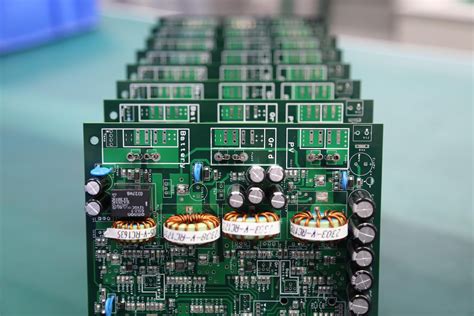
How PCBA Services Enhance Product Development Efficiency
In the rapidly evolving landscape of electronics manufacturing, Printed Circuit Board Assembly (PCBA) services have emerged as a pivotal component in enhancing product development efficiency. As companies strive to bring innovative products to market faster and more cost-effectively, the role of PCBA services becomes increasingly significant. These services encompass a range of processes, from design and prototyping to assembly and testing, all of which contribute to streamlining the product development cycle.
To begin with, PCBA services offer a comprehensive approach to the design and prototyping phase.
By leveraging advanced design software and simulation tools, service providers can assist in creating optimized circuit layouts that meet specific performance and reliability criteria. This not only reduces the likelihood of design errors but also accelerates the transition from concept to prototype. Furthermore, the ability to rapidly produce prototypes allows for iterative testing and refinement, ensuring that any potential issues are identified and addressed early in the development process. Consequently, this reduces the time and cost associated with subsequent design revisions.
In addition to design and prototyping, PCBA services play a crucial role in the assembly process.
Utilizing state-of-the-art equipment and techniques, such as surface mount technology (SMT) and through-hole technology, these services ensure precise component placement and soldering. This level of precision is essential for maintaining the integrity and functionality of the final product. Moreover, by outsourcing assembly to specialized PCBA providers, companies can benefit from economies of scale, as these providers often have the capacity to handle large volumes efficiently. This not only reduces production costs but also allows companies to allocate resources more effectively, focusing on core competencies such as research and development.
Another significant advantage of PCBA services is the rigorous testing and quality assurance processes they incorporate.
Comprehensive testing, including in-circuit testing (ICT) and functional testing, is conducted to verify that the assembled boards meet all specified requirements. This ensures that any defects are identified and rectified before the product reaches the market, thereby enhancing reliability and customer satisfaction. Additionally, many PCBA service providers adhere to international quality standards, such as ISO 9001 and IPC-A-610, which further guarantees the quality and consistency of the products they deliver.
Furthermore, PCBA services facilitate supply chain optimization by offering end-to-end solutions that encompass component sourcing and logistics management.
By partnering with established suppliers, PCBA providers can secure high-quality components at competitive prices, reducing the risk of supply chain disruptions. This integrated approach not only simplifies the procurement process but also ensures that all components are compatible and meet the necessary specifications, thereby minimizing delays and enhancing overall efficiency.
In conclusion, PCBA services significantly enhance product development efficiency by streamlining the design, assembly, and testing processes. Through advanced design tools, precise assembly techniques, rigorous quality assurance, and optimized supply chain management, these services enable companies to bring high-quality products to market more quickly and cost-effectively. As the demand for innovative electronic products continues to grow, the importance of PCBA services in the product development lifecycle is likely to increase, making them an indispensable asset for companies seeking to maintain a competitive edge in the industry.