
Flexible pcb function
Understanding The Causes Of Flexible PCB Heating
Flexible printed circuit boards (PCBs) have become an integral component in modern electronic devices due to their versatility, lightweight nature, and ability to conform to various shapes. However, one of the challenges associated with flexible PCBs is the issue of heating, which can affect their performance and longevity. Understanding the causes of flexible PCB heating is crucial for engineers and designers to mitigate potential problems and enhance the reliability of electronic devices.
One primary cause of heating in flexible PCBs is the electrical resistance of the conductive traces.
As current flows through these traces, it encounters resistance, which results in the generation of heat. This phenomenon, known as Joule heating, is directly proportional to the square of the current and the resistance of the material. Therefore, higher currents or increased resistance can lead to significant heat generation. To address this, designers often opt for materials with lower resistivity and ensure that the width and thickness of the traces are adequate to handle the expected current loads.
In addition to electrical resistance, the thermal conductivity of the materials used in flexible PCBs plays a significant role in heat dissipation.
Materials with low thermal conductivity can trap heat, causing localized temperature increases that may lead to thermal stress and potential failure of the PCB. Consequently, selecting materials with higher thermal conductivity can help in efficiently spreading and dissipating heat across the board, thereby reducing the risk of overheating.
Another factor contributing to flexible PCB heating is the density of components mounted on the board.
As electronic devices become more compact, the demand for miniaturization leads to a higher concentration of components in a limited space. This increased component density can exacerbate heat generation, as multiple components may simultaneously produce heat during operation. Effective thermal management strategies, such as the use of heat sinks, thermal vias, and strategic component placement, are essential to manage the heat generated and maintain optimal operating temperatures.
Moreover, environmental conditions can also influence the heating of flexible PCBs.
High ambient temperatures can exacerbate the heat generated by the PCB itself, leading to elevated operating temperatures. In such scenarios, it is crucial to consider the operating environment during the design phase and incorporate appropriate cooling mechanisms, such as forced air cooling or liquid cooling systems, to ensure that the PCB remains within safe temperature limits.
Furthermore, the frequency of operation can impact the heating of flexible PCBs.
High-frequency signals can lead to increased dielectric losses, which contribute to additional heat generation. This is particularly relevant in applications involving radio frequency (RF) or microwave signals. To mitigate this, designers can use materials with low dielectric loss and optimize the layout to minimize signal losses and associated heating.
In conclusion, understanding the causes of flexible PCB heating is essential for developing effective strategies to manage and mitigate heat-related issues. By considering factors such as electrical resistance, thermal conductivity, component density, environmental conditions, and operational frequency, engineers can design flexible PCBs that maintain optimal performance and reliability. Through careful material selection, thoughtful design, and the implementation of appropriate thermal management techniques, the challenges associated with flexible PCB heating can be effectively addressed, ensuring the longevity and efficiency of electronic devices.
Effective Design Strategies To Minimize Flexible PCB Heating
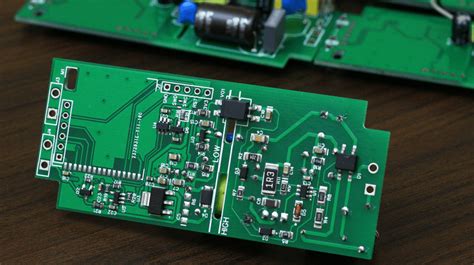
Flexible printed circuit boards (PCBs) have become an integral component in modern electronic devices due to their lightweight, compact, and versatile nature. However, one of the challenges associated with flexible PCBs is managing heat dissipation effectively. Excessive heating can lead to performance degradation, reduced lifespan, and even failure of electronic components. Therefore, implementing effective design strategies to minimize flexible PCB heating is crucial for ensuring the reliability and efficiency of electronic devices.
To begin with, selecting appropriate materials is fundamental in minimizing heat generation and dissipation in flexible PCBs.
Polyimide is a commonly used substrate material due to its excellent thermal stability and mechanical properties. It can withstand high temperatures without deforming, making it ideal for applications where heat management is critical. Additionally, using copper with a higher thickness for the conductive traces can enhance heat dissipation, as copper is an excellent conductor of heat. By optimizing the thickness of the copper layers, designers can effectively manage the thermal performance of the PCB.
Moreover, the layout of the PCB plays a significant role in heat management.
Strategically placing components that generate significant heat away from each other can prevent localized hotspots. This can be achieved by distributing power-hungry components evenly across the board and ensuring adequate spacing between them. Furthermore, incorporating thermal vias—small holes filled with conductive material—can facilitate the transfer of heat from the surface of the PCB to the inner layers or to an external heat sink. This technique helps in spreading the heat more evenly across the board, thereby reducing the risk of overheating.
In addition to layout considerations, the use of thermal management components such as heat sinks and thermal pads can be highly effective.
Heat sinks, typically made of aluminum or copper, can be attached to components that generate a significant amount of heat. They work by increasing the surface area available for heat dissipation, thereby allowing heat to be dissipated more efficiently into the surrounding environment. Thermal pads, on the other hand, are used to fill air gaps between components and heat sinks, improving thermal conductivity and ensuring efficient heat transfer.
Another strategy involves optimizing the power distribution network within the PCB.
By designing power and ground planes with sufficient width and thickness, designers can minimize resistive losses and reduce heat generation. Additionally, employing a multi-layer PCB design can help in distributing power more effectively, as it allows for separate layers dedicated to power and ground planes. This not only improves electrical performance but also aids in thermal management by providing additional pathways for heat dissipation.
Furthermore, simulation tools can be invaluable in predicting and analyzing thermal behavior during the design phase.
By using thermal simulation software, designers can model the heat distribution across the PCB and identify potential hotspots. This allows for iterative design improvements before the physical prototype is built, saving both time and resources.
In conclusion, minimizing flexible PCB heating requires a comprehensive approach that encompasses material selection, layout optimization, the use of thermal management components, and effective power distribution. By implementing these strategies, designers can enhance the thermal performance of flexible PCBs, ensuring the reliability and longevity of electronic devices. As technology continues to advance, the importance of effective thermal management in flexible PCBs will only grow, making it a critical consideration in the design process.
Materials And Technologies To Enhance Heat Dissipation In Flexible PCBs
Flexible printed circuit boards (PCBs) have become an integral component in modern electronic devices, offering unparalleled versatility and adaptability. As the demand for compact and efficient electronic devices continues to rise, the need for effective heat dissipation in flexible PCBs becomes increasingly critical. The materials and technologies employed in these PCBs play a pivotal role in enhancing their thermal management capabilities, ensuring optimal performance and longevity.
To begin with, the choice of substrate material is fundamental in determining the thermal properties of flexible PCBs.
Polyimide is a commonly used substrate due to its excellent thermal stability and mechanical flexibility. It can withstand high temperatures without deforming, making it ideal for applications where heat dissipation is a concern. Additionally, polyimide’s low thermal expansion coefficient minimizes the risk of mechanical stress, which can lead to circuit failure. However, while polyimide is effective, advancements in material science have introduced alternatives such as liquid crystal polymer (LCP), which offers even lower moisture absorption and better dimensional stability, further enhancing heat dissipation.
In conjunction with substrate materials, the incorporation of thermal interface materials (TIMs) is crucial for efficient heat transfer
TIMs are designed to fill the microscopic air gaps between the heat-generating components and the heat spreaders or sinks, thereby reducing thermal resistance. Materials such as thermal greases, phase change materials, and thermally conductive adhesives are commonly used as TIMs. These materials ensure that heat is effectively conducted away from critical components, preventing overheating and maintaining the integrity of the flexible PCB.
Moreover, the integration of advanced technologies such as embedded heat spreaders has significantly improved the thermal management of flexible PCBs.
These heat spreaders, often made from materials like copper or aluminum, are embedded within the PCB layers to distribute heat evenly across the board. By doing so, they prevent localized hotspots that can lead to component failure. The use of metal core PCBs, where a metal layer is incorporated into the PCB stack-up, is another innovative approach that enhances heat dissipation. This method not only improves thermal conductivity but also provides additional mechanical support to the flexible PCB.
Furthermore, the design and layout of the flexible PCB can greatly influence its thermal performance.
Strategic placement of components, along with the use of thermal vias, can facilitate better heat flow. Thermal vias are small holes filled with conductive material that connect different layers of the PCB, allowing heat to be transferred away from the surface. By optimizing the design, engineers can ensure that heat is efficiently managed, even in densely packed circuits.
In addition to these materials and technologies, ongoing research and development continue to push the boundaries of thermal management in flexible PCBs.
Innovations such as graphene-based materials, which offer exceptional thermal conductivity, are being explored for their potential to revolutionize heat dissipation. As these technologies mature, they promise to provide even more effective solutions for managing heat in flexible PCBs.
In conclusion, the enhancement of heat dissipation in flexible PCBs is a multifaceted challenge that requires a combination of advanced materials and innovative technologies. By carefully selecting substrate materials, incorporating effective thermal interface materials, and employing strategic design techniques, engineers can significantly improve the thermal performance of flexible PCBs. As technology continues to evolve, the development of new materials and methods will undoubtedly lead to even more efficient and reliable solutions for heat management in these critical components.
The Impact Of Flexible PCB Heating On Device Performance And Longevity
Flexible printed circuit boards (PCBs) have become a cornerstone in modern electronic design, offering unparalleled versatility and adaptability in a wide range of applications. As devices become increasingly compact and complex, the demand for flexible PCBs continues to rise. However, one critical aspect that significantly influences the performance and longevity of these devices is the heating of flexible PCBs. Understanding the impact of flexible PCB heating is essential for engineers and designers aiming to optimize device functionality and durability.
To begin with, flexible PCBs are designed to bend and conform to various shapes, which makes them ideal for use in compact and irregularly shaped devices.
This flexibility, however, introduces unique thermal management challenges. As electronic components operate, they generate heat, which can accumulate and lead to elevated temperatures on the PCB. If not properly managed, this heat can adversely affect the performance of the device. For instance, excessive heat can cause changes in the electrical properties of the materials used in the PCB, leading to increased resistance and potential signal integrity issues. Consequently, this can result in reduced device performance, such as slower processing speeds or diminished signal quality.
Moreover, the longevity of a device is closely tied to the thermal conditions it experiences during operation.
Prolonged exposure to high temperatures can accelerate the degradation of materials used in flexible PCBs. This degradation can manifest as delamination, where layers of the PCB separate, or as thermal expansion, which can cause mechanical stress and lead to cracks or breaks in the circuit. Such physical damage not only compromises the structural integrity of the PCB but also poses a risk of complete device failure. Therefore, effective thermal management strategies are crucial to ensure the long-term reliability of devices utilizing flexible PCBs.
In addition to affecting performance and longevity, flexible PCB heating can also influence the energy efficiency of a device.
As temperatures rise, components may require more power to maintain their functionality, leading to increased energy consumption. This is particularly concerning in battery-powered devices, where energy efficiency is paramount. By mitigating excessive heat, designers can enhance the energy efficiency of devices, thereby extending battery life and reducing the overall environmental impact.
To address these challenges, several strategies can be employed to manage the heating of flexible PCBs.
One approach is to use materials with higher thermal conductivity, which can help dissipate heat more effectively. Additionally, incorporating thermal vias or heat sinks can facilitate the transfer of heat away from critical components. Another strategy involves optimizing the layout of the PCB to minimize heat concentration in specific areas. By strategically placing components and routing traces, designers can distribute heat more evenly across the board.
Furthermore, advancements in simulation and modeling tools have enabled engineers to predict thermal behavior more accurately during the design phase.
These tools allow for the identification of potential hotspots and the evaluation of different thermal management solutions before physical prototypes are built. This proactive approach not only saves time and resources but also enhances the overall design process.
In conclusion, the impact of flexible PCB heating on device performance and longevity is a multifaceted issue that requires careful consideration and strategic planning. By understanding the thermal dynamics of flexible PCBs and implementing effective thermal management techniques, designers can optimize device performance, enhance energy efficiency, and ensure the long-term reliability of their products. As technology continues to evolve, the importance of addressing flexible PCB heating will remain a critical aspect of electronic design.