
Rs pcb assembly
Understanding The Basics Of RS PCB Assembly
RS PCB assembly, or Rapid Service Printed Circuit Board assembly, is a critical process in the electronics manufacturing industry, serving as the backbone for a wide array of electronic devices. Understanding the basics of RS PCB assembly involves delving into the intricate processes that transform a simple board into a functional component of electronic equipment. This process begins with the design phase, where engineers create a schematic representation of the circuit. This schematic is then translated into a layout that dictates the placement of components and the routing of electrical connections on the PCB.
Once the design is finalized, the next step is the fabrication of the PCB itself.
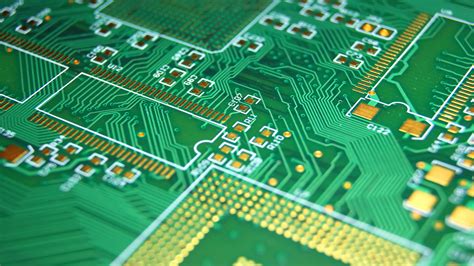
This involves creating the physical board, typically made from a non-conductive substrate such as fiberglass, with copper layers laminated onto it. The copper layers are etched away to leave behind the desired circuit pattern. This stage is crucial as it lays the foundation for the subsequent assembly process. The precision and accuracy of the fabrication process directly impact the performance and reliability of the final product.
Following fabrication, the assembly process begins with the application of solder paste to the board.
Solder paste, a mixture of powdered solder and flux, is applied to the areas where components will be mounted. This is typically done using a stencil that ensures the paste is applied only to the designated pads. The application of solder paste is a delicate process that requires precision to ensure proper adhesion and electrical connectivity of the components.
Once the solder paste is applied, the components are placed onto the board.
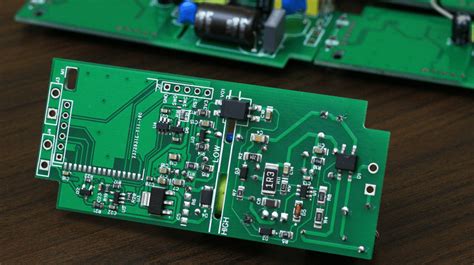
This is often done using automated machines that can accurately position thousands of components per hour. The components used in RS PCB assembly can range from tiny resistors and capacitors to larger integrated circuits and connectors. The placement of these components must be precise to ensure the functionality of the circuit and to avoid potential issues such as short circuits or component failure.
After component placement, the board undergoes a reflow soldering process.
During reflow soldering, the board is passed through a controlled heat source, causing the solder paste to melt and form a permanent bond between the components and the board. This step is critical as it ensures the mechanical and electrical integrity of the assembly. The reflow process must be carefully controlled to prevent overheating, which can damage components or the board itself.
Following reflow soldering, the assembled PCB is subjected to a series of inspections and tests to verify its functionality and quality.
These inspections may include visual checks, automated optical inspection (AOI), and X-ray inspection to detect any defects such as solder bridges or misaligned components. Functional testing is also performed to ensure that the board operates as intended within its specified parameters.
In conclusion, RS PCB assembly is a complex and precise process that requires careful attention to detail at every stage. From design and fabrication to assembly and testing, each step plays a vital role in ensuring the production of high-quality electronic devices. Understanding these basics provides insight into the intricate world of electronics manufacturing and highlights the importance of precision and quality control in producing reliable and efficient electronic products.
Key Benefits Of Using RS PCB Assembly Services
RS PCB assembly services have become an integral part of the electronics manufacturing industry, offering a range of benefits that enhance the efficiency and quality of electronic products. One of the primary advantages of utilizing RS PCB assembly services is the significant reduction in production time. By outsourcing the assembly process to a specialized provider, companies can focus on their core competencies, such as design and innovation, while the assembly is handled by experts. This division of labor not only accelerates the production timeline but also ensures that each component is assembled with precision and expertise.
Moreover, RS PCB assembly services offer a high level of quality assurance.
These services are equipped with advanced technology and skilled personnel who adhere to stringent quality control measures. This ensures that each printed circuit board (PCB) meets the required standards and specifications, minimizing the risk of defects and malfunctions. Consequently, companies can deliver reliable and durable products to their customers, enhancing their reputation and customer satisfaction.
In addition to quality assurance, cost-effectiveness is another key benefit of using RS PCB assembly services.
By leveraging economies of scale, these services can offer competitive pricing, which is often more economical than in-house assembly. This cost advantage is particularly beneficial for small and medium-sized enterprises that may not have the resources to invest in expensive assembly equipment and personnel. Furthermore, outsourcing assembly allows companies to convert fixed costs into variable costs, providing greater financial flexibility and the ability to scale production according to demand.
Another significant benefit is the access to cutting-edge technology and innovation.
RS PCB assembly services are at the forefront of technological advancements, continuously updating their equipment and processes to stay competitive. By partnering with such services, companies can take advantage of the latest assembly techniques and materials, which can lead to improved product performance and functionality. This access to innovation is crucial in an industry where technological advancements occur rapidly, and staying ahead of the curve is essential for success.
Furthermore, RS PCB assembly services offer a high degree of customization and flexibility.
They can accommodate a wide range of design specifications and production volumes, from small prototype runs to large-scale manufacturing. This flexibility allows companies to tailor their products to meet specific market needs and customer preferences, providing a competitive edge in a crowded marketplace. Additionally, the ability to quickly adapt to changes in design or production requirements ensures that companies can respond swiftly to market trends and consumer demands.
Lastly, utilizing RS PCB assembly services can lead to improved supply chain management.
These services often have established relationships with component suppliers, which can streamline the procurement process and reduce lead times. This efficient supply chain management ensures that all necessary components are available when needed, preventing delays in production and enabling companies to meet tight deadlines.
In conclusion, RS PCB assembly services offer a multitude of benefits that can significantly enhance the efficiency, quality, and competitiveness of electronic products. From reducing production time and ensuring quality assurance to providing cost-effectiveness and access to the latest technology, these services are an invaluable asset to any company in the electronics manufacturing industry. By leveraging the expertise and resources of RS PCB assembly services, companies can focus on innovation and growth, ultimately delivering superior products to their customers.
Common Challenges In RS PCB Assembly And How To Overcome Them
In the realm of electronics manufacturing, RS PCB (Printed Circuit Board) assembly is a critical process that demands precision and expertise. Despite advancements in technology, several challenges persist in this field, often complicating the assembly process. Understanding these challenges and implementing effective strategies to overcome them is essential for ensuring high-quality outcomes and maintaining efficiency.
One of the most prevalent challenges in RS PCB assembly is the miniaturization of components.
As electronic devices become increasingly compact, the components used in PCBs are correspondingly smaller. This miniaturization necessitates precise placement and soldering, which can be difficult to achieve without advanced equipment and skilled technicians. To address this issue, manufacturers can invest in state-of-the-art pick-and-place machines that offer high accuracy and speed. Additionally, training personnel to handle these sophisticated machines can significantly reduce errors and improve assembly quality.
Another significant challenge is the complexity of PCB designs.
Modern PCBs often feature multiple layers and intricate circuitry, which can complicate the assembly process. This complexity increases the likelihood of errors, such as incorrect component placement or soldering defects. To mitigate these risks, manufacturers can employ design for manufacturability (DFM) principles during the design phase. By considering the assembly process early on, designers can create PCBs that are easier to assemble, reducing the potential for errors and rework.
Moreover, the quality of solder joints is a critical factor in the reliability of RS PCB assemblies.
Poor soldering can lead to weak connections, which may result in device failure. Ensuring optimal soldering conditions, such as the correct temperature and solder paste composition, is crucial. Implementing automated optical inspection (AOI) systems can help identify soldering defects early in the process, allowing for timely corrections and minimizing the impact on production schedules.
In addition to technical challenges, supply chain issues can also pose significant obstacles in RS PCB assembly.
The availability of components can be unpredictable, leading to delays and increased costs. To overcome this, manufacturers can establish strong relationships with multiple suppliers to ensure a steady supply of components. Additionally, maintaining a buffer stock of critical components can help mitigate the impact of supply chain disruptions.
Furthermore, environmental factors, such as temperature and humidity, can affect the assembly process and the performance of the final product.
Controlling these factors within the manufacturing environment is essential to prevent issues such as solder paste drying or component oxidation. Implementing climate control systems and regularly monitoring environmental conditions can help maintain optimal assembly conditions.
Finally, the rapid pace of technological advancements presents a continuous challenge for RS PCB assembly.
Keeping up with new materials, processes, and standards requires ongoing investment in research and development. Manufacturers can stay competitive by fostering a culture of innovation and continuous improvement. Encouraging collaboration between design and manufacturing teams can lead to the development of more efficient assembly processes and the adoption of cutting-edge technologies.
In conclusion, while RS PCB assembly presents several challenges, understanding these issues and implementing strategic solutions can significantly enhance the quality and efficiency of the assembly process. By investing in advanced technology, optimizing design practices, and maintaining robust supply chain and environmental controls, manufacturers can overcome these challenges and achieve success in the ever-evolving electronics industry.

Future Trends In RS PCB Assembly Technology
The realm of RS PCB (Printed Circuit Board) assembly technology is undergoing a transformative evolution, driven by rapid advancements in electronics and the increasing demand for more efficient, compact, and reliable electronic devices. As we look to the future, several trends are poised to redefine the landscape of PCB assembly, offering both challenges and opportunities for manufacturers and designers alike.
To begin with, the miniaturization of electronic components continues to be a significant trend.
As consumer electronics become more compact, the need for smaller and more densely packed PCBs is paramount. This shift necessitates advancements in assembly techniques, such as surface mount technology (SMT), which allows for the placement of smaller components with greater precision. Moreover, the development of advanced materials that can withstand higher temperatures and offer better electrical performance is crucial to support this miniaturization trend.
In addition to miniaturization, the integration of more functionalities into single PCBs is becoming increasingly common.
This trend is driven by the demand for multifunctional devices that can perform a variety of tasks without the need for multiple separate components. Consequently, this requires more sophisticated design and assembly processes, including the use of multi-layer PCBs and advanced interconnection techniques. As a result, manufacturers are investing in cutting-edge design software and automated assembly lines to meet these complex requirements.
Another significant trend is the growing emphasis on sustainability and environmental responsibility in PCB assembly.
With increasing awareness of the environmental impact of electronic waste, there is a push towards developing more eco-friendly manufacturing processes. This includes the use of lead-free soldering techniques, recyclable materials, and energy-efficient production methods. Furthermore, the adoption of circular economy principles, where products are designed for easier disassembly and recycling, is gaining traction in the industry.
The rise of the Internet of Things (IoT) is also influencing the future of RS PCB assembly technology.
As more devices become interconnected, there is a need for PCBs that can support wireless communication and data processing capabilities. This has led to the development of PCBs with embedded antennas and sensors, as well as the integration of advanced communication protocols. Consequently, manufacturers are focusing on enhancing the reliability and performance of these PCBs to ensure seamless connectivity and data transfer.
Moreover, the advent of Industry 4.0 and smart manufacturing is revolutionizing the PCB assembly process.
The implementation of automation, robotics, and artificial intelligence in production lines is enhancing efficiency, reducing errors, and lowering costs. Real-time monitoring and data analytics are enabling manufacturers to optimize their processes and improve product quality. As a result, the PCB assembly industry is becoming more agile and responsive to market demands.
In conclusion, the future of RS PCB assembly technology is characterized by a convergence of miniaturization, multifunctionality, sustainability, IoT integration, and smart manufacturing. These trends are driving innovation and reshaping the industry, presenting both challenges and opportunities for stakeholders. As technology continues to advance, it is imperative for manufacturers to stay abreast of these developments and adapt their strategies accordingly to remain competitive in this dynamic landscape. By embracing these trends, the PCB assembly industry can continue to thrive and meet the evolving needs of the global electronics market.