
New flex pcb
Innovative Applications of New Flex PCB in Wearable Technology
The advent of new flexible printed circuit boards (PCBs) has ushered in a transformative era for wearable technology, offering unprecedented opportunities for innovation and design. As the demand for more sophisticated and versatile wearable devices continues to grow, the integration of flexible PCBs has become a pivotal factor in meeting these evolving needs. These advanced circuit boards, characterized by their thin, lightweight, and bendable nature, are redefining the boundaries of what is possible in the realm of wearable technology.
To begin with, the inherent flexibility of these PCBs allows for seamless integration into a variety of wearable devices, ranging from fitness trackers to smart clothing.
Unlike traditional rigid circuit boards, flexible PCBs can conform to the contours of the human body, providing a more comfortable and unobtrusive user experience. This adaptability is particularly beneficial in the development of health-monitoring devices, where continuous contact with the skin is essential for accurate data collection. For instance, flexible PCBs can be embedded into patches that monitor vital signs such as heart rate and body temperature, offering real-time health insights without impeding the wearer’s daily activities.
Moreover, the durability and resilience of flexible PCBs make them ideal for use in wearable technology that is subject to constant movement and environmental exposure.
These circuit boards are designed to withstand bending, twisting, and stretching, ensuring reliable performance even under strenuous conditions. This robustness is crucial for wearables used in sports and outdoor activities, where devices must endure rigorous physical demands. Consequently, athletes and outdoor enthusiasts can benefit from wearables that not only track performance metrics but also withstand the elements, enhancing both safety and efficiency.
In addition to their physical advantages, flexible PCBs also contribute to the miniaturization of wearable devices.
As consumers increasingly seek compact and discreet technology, the ability to design smaller and more efficient circuits is paramount. Flexible PCBs facilitate this by allowing components to be arranged in a more space-efficient manner, reducing the overall size and weight of the device. This miniaturization opens up new possibilities for wearables that are not only functional but also aesthetically pleasing, catering to the fashion-conscious consumer.
Furthermore, the integration of flexible PCBs in wearable technology is driving advancements in connectivity and interactivity.
These circuit boards support the incorporation of sensors, antennas, and other components necessary for wireless communication, enabling wearables to connect seamlessly with other devices and networks. This connectivity is essential for the development of the Internet of Things (IoT), where wearables play a crucial role in creating a connected ecosystem. As a result, users can enjoy enhanced functionality, such as receiving notifications, controlling smart home devices, and accessing personalized data, all from their wearable technology.
In conclusion, the innovative applications of new flexible PCBs in wearable technology are revolutionizing the industry, offering a myriad of benefits that enhance both functionality and user experience. From improved comfort and durability to miniaturization and connectivity, these advanced circuit boards are paving the way for a new generation of wearables that are more integrated into our daily lives than ever before. As technology continues to evolve, the role of flexible PCBs in wearable devices is set to expand, promising exciting developments and opportunities in the years to come.
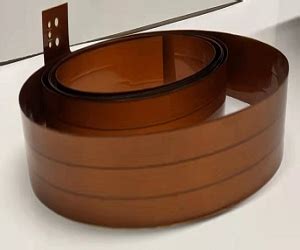
The Advantages of New Flex PCB in Modern Electronics Design
The advent of new flexible printed circuit boards (PCBs) marks a significant milestone in the evolution of modern electronics design. As technology continues to advance at a rapid pace, the demand for more adaptable and efficient electronic components has never been greater. Flexible PCBs, often referred to as flex PCBs, offer a myriad of advantages that cater to the needs of contemporary electronic applications, making them an indispensable component in the design and manufacturing of cutting-edge devices.
One of the most notable advantages of new flex PCBs is their unparalleled flexibility.
Unlike traditional rigid PCBs, flex PCBs can be bent, folded, and twisted without compromising their functionality. This unique characteristic allows for greater design freedom, enabling engineers to create more compact and lightweight devices. As a result, flex PCBs are particularly well-suited for applications where space is at a premium, such as in wearable technology, medical devices, and compact consumer electronics. The ability to conform to complex shapes and contours also facilitates the integration of electronic components into unconventional form factors, thereby expanding the possibilities for innovative product designs.
In addition to their physical flexibility, new flex PCBs offer enhanced reliability and durability.
The materials used in the construction of flex PCBs are typically more resilient to environmental stressors, such as vibration, shock, and temperature fluctuations. This robustness ensures that devices incorporating flex PCBs can withstand harsh operating conditions, making them ideal for use in automotive, aerospace, and industrial applications. Furthermore, the reduced number of interconnects and solder joints in flex PCBs minimizes the risk of mechanical failure, thereby enhancing the overall reliability of the electronic system.
Another significant advantage of new flex PCBs is their potential for cost savings in both manufacturing and assembly processes.
The inherent flexibility of these PCBs allows for the reduction of connectors and cables, which not only simplifies the assembly process but also reduces material costs. Moreover, the ability to integrate multiple functions into a single flex PCB can lead to a reduction in the number of components required, further driving down production costs. As manufacturers strive to optimize their operations and reduce expenses, the cost-effectiveness of flex PCBs becomes an increasingly attractive proposition.
The versatility of new flex PCBs also extends to their compatibility with a wide range of materials and technologies.
Flex PCBs can be fabricated using various substrates, such as polyimide and polyester, which offer different levels of thermal and mechanical performance. This adaptability allows designers to select the most appropriate material for their specific application requirements. Additionally, flex PCBs can be combined with other technologies, such as rigid PCBs and surface mount devices, to create hybrid solutions that leverage the strengths of each component type. This integration capability further enhances the design possibilities and functional capabilities of electronic devices.
In conclusion, the new generation of flexible PCBs presents a host of advantages that are transforming the landscape of modern electronics design.
Their flexibility, reliability, cost-effectiveness, and versatility make them an ideal choice for a wide array of applications, from consumer electronics to industrial systems. As the demand for more sophisticated and compact devices continues to grow, the role of flex PCBs in enabling innovative and efficient electronic solutions is set to become increasingly prominent. Consequently, embracing the potential of new flex PCBs is not only a strategic move for designers and manufacturers but also a necessary step towards meeting the evolving needs of the technology-driven world.

How New Flex PCB is Revolutionizing the Automotive Industry
The automotive industry is undergoing a significant transformation, driven by technological advancements that are reshaping the way vehicles are designed, manufactured, and operated. Among these innovations, the introduction of new flexible printed circuit boards (PCBs) is playing a pivotal role in revolutionizing automotive electronics. As the demand for smarter, more efficient, and environmentally friendly vehicles increases, the integration of flexible PCBs is becoming increasingly essential.
Flexible PCBs, unlike their rigid counterparts, offer a unique set of advantages that make them particularly well-suited for automotive applications.
One of the most notable benefits is their ability to conform to the complex and irregular shapes often found in vehicle designs. This flexibility allows for more efficient use of space within the vehicle, enabling manufacturers to incorporate more electronic components without compromising on design or functionality. Consequently, this leads to the development of more compact and lightweight vehicles, which are crucial for improving fuel efficiency and reducing emissions.
Moreover, the durability and reliability of flexible PCBs are significant factors contributing to their growing adoption in the automotive sector.
Vehicles are subject to harsh operating conditions, including extreme temperatures, vibrations, and exposure to moisture. Flexible PCBs are designed to withstand these challenges, offering enhanced performance and longevity compared to traditional rigid PCBs. This resilience ensures that the electronic systems within vehicles remain operational and reliable over extended periods, thereby enhancing overall vehicle safety and performance.
In addition to their physical advantages, flexible PCBs also facilitate the integration of advanced technologies that are becoming increasingly prevalent in modern vehicles.
For instance, the rise of electric and autonomous vehicles has necessitated the development of sophisticated electronic systems capable of managing complex tasks such as battery management, sensor integration, and data processing. Flexible PCBs provide the necessary platform for these systems, allowing for seamless integration and efficient operation. This capability is crucial as the automotive industry continues to move towards more intelligent and connected vehicles.
Furthermore, the use of flexible PCBs supports the trend towards increased customization and personalization in the automotive market.
As consumers demand more personalized driving experiences, manufacturers are leveraging flexible PCBs to create customizable electronic interfaces and control systems. This adaptability not only enhances the user experience but also allows manufacturers to differentiate their products in a competitive market.
The environmental impact of automotive manufacturing is another area where flexible PCBs are making a difference.
The production of flexible PCBs typically involves fewer materials and generates less waste compared to traditional PCBs. This reduction in resource consumption aligns with the automotive industry’s broader goals of sustainability and environmental responsibility. By adopting flexible PCBs, manufacturers can contribute to a more sustainable production process, ultimately reducing the environmental footprint of their vehicles.
In conclusion, the introduction of new flexible PCBs is revolutionizing the automotive industry by offering a range of benefits that address the evolving demands of modern vehicles. From enhancing design flexibility and durability to enabling the integration of advanced technologies and supporting sustainability efforts, flexible PCBs are proving to be a critical component in the future of automotive electronics. As the industry continues to evolve, the role of flexible PCBs is likely to expand, driving further innovation and transformation in the way vehicles are designed and manufactured.
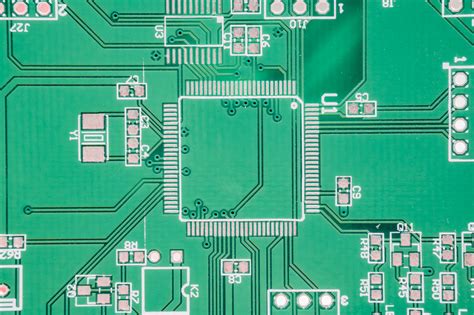
Challenges and Solutions in Manufacturing New Flex PCB
The advent of new flexible printed circuit boards (flex PCBs) has revolutionized the electronics industry, offering unprecedented versatility and adaptability in design. However, the manufacturing of these advanced components presents a unique set of challenges that require innovative solutions. As the demand for smaller, lighter, and more efficient electronic devices continues to grow, manufacturers are compelled to address these challenges to meet the evolving needs of the market.
One of the primary challenges in manufacturing new flex PCBs is the complexity of their design.
Unlike traditional rigid PCBs, flex PCBs must be able to bend and twist without compromising their functionality. This requires the use of specialized materials that can withstand mechanical stress while maintaining electrical integrity. Polyimide films, for instance, are commonly used due to their excellent thermal stability and flexibility. However, sourcing high-quality materials that meet stringent industry standards can be a daunting task, often leading to increased production costs and extended lead times.
In addition to material selection, the manufacturing process itself poses significant challenges.
Flex PCBs require precise fabrication techniques to ensure that the circuits remain intact during bending and flexing. This necessitates the use of advanced equipment and technologies, such as laser cutting and automated optical inspection systems, to achieve the desired level of precision. Moreover, the integration of multiple layers in flex PCBs adds another layer of complexity, as it requires meticulous alignment and bonding processes to prevent delamination and ensure reliable performance.
To address these challenges, manufacturers are increasingly turning to innovative solutions that enhance the efficiency and reliability of flex PCB production.
One such solution is the adoption of additive manufacturing techniques, which allow for the creation of complex circuit patterns with minimal material waste. By leveraging 3D printing technologies, manufacturers can produce intricate designs with greater accuracy and speed, reducing both production time and costs. Furthermore, advancements in material science have led to the development of new conductive inks and adhesives that improve the durability and conductivity of flex PCBs, thereby enhancing their overall performance.
Another promising solution lies in the implementation of automated manufacturing processes.
Automation not only increases production efficiency but also minimizes the risk of human error, which is crucial in maintaining the quality and consistency of flex PCBs. By utilizing robotic assembly lines and machine learning algorithms, manufacturers can streamline the production process, ensuring that each component meets the required specifications. This not only reduces the likelihood of defects but also enables manufacturers to scale up production to meet growing demand.
Moreover, collaboration between manufacturers and designers plays a pivotal role in overcoming the challenges associated with flex PCB manufacturing.
By working closely with design teams, manufacturers can gain a deeper understanding of the specific requirements and constraints of each project, allowing them to tailor their processes accordingly. This collaborative approach fosters innovation and facilitates the development of customized solutions that address the unique needs of each application.
In conclusion, while the manufacturing of new flex PCBs presents a myriad of challenges, the industry is making significant strides in developing solutions that enhance their production and performance. Through the adoption of advanced materials, additive manufacturing techniques, and automated processes, manufacturers are well-equipped to meet the demands of an ever-evolving market. As technology continues to advance, it is likely that these solutions will become even more refined, paving the way for the next generation of flexible electronic devices.