
Unlocking Innovation with Custom PCB Assembly Solutions
Key Takeaways
In today’s fast-paced technological landscape, custom PCB assembly (or PCBA) has emerged as a critical enabler for innovation across various sectors. These tailored solutions provide enhanced design flexibility, allowing engineers and designers to customize circuits that meet specific requirements while optimizing performance. The ability to modify circuitry not only caters to unique product specifications but also ensures that manufacturers can quickly adapt to changing market demands. By streamlining the production process, custom PCB assembly significantly reduces time-to-market, thereby providing companies with a competitive edge. Furthermore, industries ranging from consumer electronics to automotive systems are increasingly adopting these advanced solutions, realizing their potential in fostering product differentiation and enhancing operational efficiency. As businesses continue to explore these versatile options, the future of PCB assembly looks promising, with ongoing advancements likely to further elevate its role in driving innovation and efficiency across all operational frameworks.
Introduction to Custom PCB Assembly: A Catalyst for Innovation
The world of technology is rapidly evolving, and custom PCB assembly plays a pivotal role in driving this transformation. At its core, PCB assembly (or PCBA) is the process of soldering electrical components onto a printed circuit board (PCB). This fundamental process empowers engineers and designers to innovate without constraints, enabling the creation of bespoke solutions tailored to specific applications.
As industries increasingly demand unique functionalities, the versatility afforded by custom PCB solutions enhances design flexibility. For instance, in sectors such as automotive, medical, and consumer electronics, companies are leveraging tailored circuit boards to integrate advanced features while optimizing size and efficiency. This adaptability not only improves overall performance but also reduces time-to-market for new products.
To illustrate the transformational impact of pcba, consider the following table showcasing key benefits across different sectors:
| Industry | Benefits of Custom PCB Assembly |
|---|---|
| Automotive | Enhanced safety features and connectivity |
| Medical devices | Miniaturization for portable health monitoring |
| Consumer Electronics | Custom designs that cater to individual user preferences |
In summary, the integration of custom PCB assembly into product development has become essential for companies striving to remain competitive in today’s fast-paced technological environment. By focusing on specific needs and challenges, businesses can foster innovation that propels their success into the future.
The Benefits of Tailored Circuit Boards in Modern Design
In the realm of modern design, custom PCB assembly solutions are revolutionizing how products are conceived and produced. One of the most significant benefits of tailored circuit boards is their ability to enhance design flexibility, allowing engineers to develop unique configurations that meet specific project requirements. This adaptability is crucial in industries where rapid innovation is imperative, as it enables designers to iterate and refine their concepts efficiently. Moreover, PCBA provides the advantage of optimizing space and performance, leading to more compact and energy-efficient designs.
Another notable aspect is the potential for cost reduction. By utilizing custom PCB assembly, businesses can minimize waste by producing only what they need while also eliminating excess components that might be required in standard solutions. This not only lowers material costs but also accelerates time-to-market—a key factor in today’s competitive landscape.
“In a rapidly evolving industry, the ability to customize not only improves functionality but also fosters creativity and innovation.”
Furthermore, tailored circuit boards can integrate advanced technologies such as IoT capabilities, making them indispensable in smart devices and systems. As manufacturers focus on sustainability, custom PCBA allows for environmentally friendly practices by using materials that meet specific regulatory standards while still achieving high performance. With these benefits at hand, it’s clear that embracing custom PCB assembly is a strategic move for companies eager to maintain a competitive edge in their respective markets.
The PCB Assembly Process: From Concept to Completion
The journey of pcb assembly begins with a solid understanding of the project’s requirements. This initial phase involves conceptualization, where designers collaborate with engineers to define specifications that suit the product’s functionality and performance. Once the design is determined, it transitions into creating a precise printed circuit board (PCB) layout. Utilizing advanced design software, engineers ensure that every component is strategically placed for optimal performance.
Following the design phase, the focus shifts to prototyping. This stage is crucial for validating designs through a small-scale production of pcba (printed circuit board assembly). Prototyping allows teams to identify potential flaws and make adjustments before full-scale manufacturing begins. Once the prototype meets expectations, it moves on to mass production.
In this phase, an automation process often takes over where components are soldered onto the PCB using techniques such as surface mount technology (SMT) and through-hole mounting. These processes enhance accuracy and efficiency, minimizing human error while maintaining high-quality standards.
Finally, thorough testing and quality control are imperative to ensure that the pcb assembly meets all specifications and performance metrics. This entire journey from concept to completion illustrates how custom PCB assembly not only streamlines production but also fosters innovation by allowing for flexible designs that can adapt to various applications across industries.
Applications of Custom PCB Solutions Across Various Industries
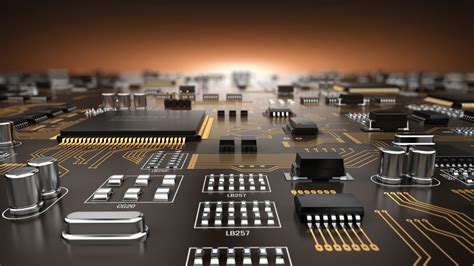
The versatility of custom PCB assembly (PCBA) solutions has made them essential across a wide range of industries. In the consumer electronics sector, for instance, tailored circuit boards enhance the performance and design of gadgets like smartphones, tablets, and wearables. These custom circuit boards allow manufacturers to implement innovative features while optimizing space and power usage. Similarly, in the automotive industry, pcb assembly plays a crucial role in modern vehicles by integrating advanced safety systems and infotainment features, leading to smarter and more efficient automobiles.
Furthermore, sectors such as medical devices and industrial automation benefit significantly from customized PCBA solutions. In healthcare, bespoke pcba solutions enable the development of specialized equipment such as patient monitors and diagnostic machines that require high precision and reliability. The pcb assembly process in these applications ensures compliance with stringent safety standards while fostering innovation. As industries continue to evolve with emerging technologies like IoT and AI, custom pcb assembly will further play a pivotal role in enhancing operational efficiency and propelling advancements across diverse fields. By embracing these tailored solutions, companies can achieve a competitive edge in an increasingly complex technological landscape.
Enhancing Design Flexibility with Custom Circuit Boards
Custom PCB assembly solutions are revolutionizing the way designers approach project development. By utilizing custom circuit boards, engineers gain unparalleled design flexibility, allowing for intricate layouts that can easily accommodate varying specifications and functionalities. This adaptability is particularly vital in today’s fast-paced environment, where rapid prototyping and modifications are often required. The ability to customize pcb assembly processes means that circuits can be designed to not only meet specific performance criteria but also to blend seamlessly with unique product designs. Moreover, the integration of advanced technologies into the pcba process streamlines production, reducing lead times and optimizing resource allocation. As manufacturers embrace these tailored solutions, they unlock new possibilities for innovation, ensuring that products stand out in a competitive marketplace while maintaining efficiency and quality. The strategic implementation of custom PCB assembly can ultimately shorten development cycles and enhance the overall performance of the final product, making it an essential tool for companies aiming to keep pace with ever-evolving market demands.
Case Studies: Successful Implementations of Custom PCB Assembly
The successful implementations of custom PCB assembly solutions highlight their transformative impact on various industries, demonstrating the significant advantages of PCBA beyond traditional manufacturing methods. One notable case involved a healthcare company that adopted custom circuit boards to enhance the functionality of diagnostic equipment. By tailoring their PCB assembly processes, they were able to integrate advanced features, resulting in improved accuracy and faster diagnostics. Additionally, a tech startup leveraged PCBA for a new wearable device, allowing for compact design while maintaining a high level of performance. This shift to custom circuit boards enabled the startup to differentiate itself in a crowded market and respond swiftly to consumer feedback. Such instances illustrate the flexibility and efficiency gained through custom PCB assembly, showcasing its essential role in facilitating innovation and tailored solutions for specific challenges faced across industries. These case studies not only underline the effectiveness of custom assemblies but also inspire other companies to consider how adopting similar strategies can lead to enhanced product offerings and competitive advantage in today’s dynamic landscape.
Future Trends in PCB Technology and Innovation
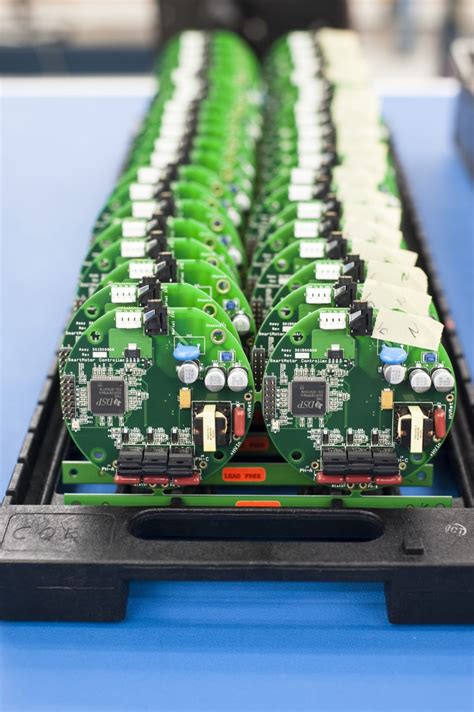
As industries continue to evolve, pcb assembly and pcba processes are witnessing significant advancements to meet growing demands for efficiency and adaptability. One emerging trend is the integration of smart technologies into custom PCB assembly solutions, enabling real-time monitoring and data analytics. This enhances not only performance but also the reliability of circuit boards across various applications. Furthermore, advancements in materials, such as the use of flexible substrates, are leading to lighter, thinner, and more robust designs that open new avenues for product innovation. The rise of additive manufacturing, or 3D printing, in the pcb assembly process allows for unprecedented levels of customization and design complexity that were previously unattainable. As companies strive for sustainability, eco-friendly materials are becoming increasingly prominent, offering both environmental benefits and compliance with regulatory standards. In this rapidly changing landscape, organizations that embrace these innovations in pcba will likely gain a competitive edge by enhancing both their product offerings and overall operational efficiency.
Conclusion: Embracing Customization for Competitive Advantage
In today’s fast-paced technological landscape, custom PCB assembly solutions provide a crucial pathway to innovation that allows businesses to differentiate themselves in a competitive market. The adaptability offered by tailored pcba can significantly impact product development timelines and overall performance. By focusing on pcb assembly, organizations can enhance their design capabilities, producing circuit boards that meet specific requirements unique to each project. This level of customization not only promotes efficiency but also contributes to improved functionality in diverse applications, ranging from consumer electronics to industrial automation. With the ability to quickly respond to market changes and customer needs, embracing custom PCB solutions not only establishes a solid foundation for future growth but also equips companies with the necessary tools to excel in an ever-evolving industry landscape. As businesses prioritize innovation and quality, leveraging the benefits of tailored circuit boards will undoubtedly confer a distinct advantage over those who rely on generic solutions.
Conclusion: Embracing Customization for Competitive Advantage
As industries continue to evolve, custom PCB assembly or PCBA has emerged as a key player in driving innovation and efficiency. Companies that adopt tailored circuit boards not only benefit from enhanced design flexibility but also gain a significant competitive edge. The ability to customize the PCB assembly process allows for the integration of advanced technologies and unique functionalities that standard solutions might not provide. By investing in PCBA, organizations can optimize their product performance while reducing time-to-market significantly. Moreover, this customization journey fosters collaboration between engineers and manufacturers, ensuring that the end product meets precise specifications and customer demands. As we look to the future, embracing these custom PCB solutions stands to redefine conventional manufacturing processes, positioning businesses at the forefront of their respective industries. This strategic focus on tailored assembly techniques is essential for fostering innovation and maintaining relevance in a rapidly changing marketplace.
FAQs
What is custom PCB assembly?
Custom PCB assembly, often abbreviated as PCBA, refers to the process of creating tailored printed circuit boards that meet specific design requirements. These circuit boards are assembled with precision to ensure optimal performance, making them integral to various electronic devices.
What are the advantages of using custom PCB assembly solutions?
The primary advantages include increased design flexibility, enhanced efficiency, and the ability to address unique functionality needs. Tailored circuit boards can optimize performance in applications ranging from consumer electronics to industrial machinery.
How does the PCB assembly process work?
The PCB assembly process typically involves several stages, including design and prototyping, component sourcing, soldering, and testing. Each step is crucial in ensuring that the final product meets quality standards and performs as intended.
In which industries are custom PCB solutions commonly used?
Custom PCB solutions find applications in numerous industries such as telecommunications, automotive, medical devices, and aerospace. Each sector benefits from tailored designs that enhance performance and reliability.
How can custom circuit boards enhance design flexibility?
Custom circuit boards allow designers to integrate various components and functionalities that are not possible with off-the-shelf products. This level of customization leads to innovative designs and improved product differentiation.
For more information on how custom PCB assembly can benefit your project or industry, please click here: Andwin PCB Assembly Solutions.