
Revolutionizing Innovation: The Future of Circuit Manufacturing Companies
Key Takeaways
In the rapidly evolving landscape of circuit manufacturing companies, there are several key takeaways that can guide you in understanding the current and future state of this industry. The first crucial point is the shift towards enhanced production techniques. This has become essential in optimizing pcb manufacturing processes, resulting in better efficiency and lower pcb manufacturing costs. As you delve into the realm of pcb manufacturing, you’ll find that innovation is fueled by continuous advancements in technology, which enhance not just the speed but also the accuracy of production methods.
The automation of these processes is now playing a pivotal role in reducing human error and streamlining workflows. You may also notice that many pcb manufacturing companies are implementing sustainable practices, focusing on eco-friendly solutions that minimize environmental impact. Furthermore, the introduction of advanced materials significantly influences pcb manufacturing business strategies, allowing manufacturers to create more complex and efficient designs.
Collaboration among industry players contributes to driving progress, ensuring that knowledge and best practices are shared for mutual benefit. Keeping an eye on future trends will be vital as they signal what’s next for these companies; understanding these shifts could offer you insights into where to invest or focus your efforts within this dynamic field. Ultimately, the emphasis on research and development (R&D) cannot be overlooked—it is this commitment that keeps circuit manufacturing at the forefront of technological advancement and innovation, paving the way for a more efficient electronics industry.
Revolutionizing Production Techniques in Circuit Manufacturing
In the rapidly evolving landscape of pcb manufacturing, staying ahead of the curve is critical for success. As you explore the transformative approaches adopted by pcb manufacturing companies, it’s essential to recognize how new production techniques are optimizing efficiency and reducing pcb manufacturing costs. Enhanced processes, such as the integration of advanced automation and state-of-the-art software tools, are reshaping how manufacturers operate. This not only boosts production speed but also ensures higher accuracy and quality in end products.
“Innovation is not just a trend; it’s a necessity in the pcb manufacturing business.”
By embracing techniques like additive manufacturing and modular production systems, you can lead your organization towards unprecedented agility. These methods allow for greater customization and flexibility, catering to a diverse array of client needs while minimizing waste. As you consider these advancements, think about how they can fit into your current operations. Engaging with new technologies can significantly streamline processes, fostering a culture of continuous improvement within your team.
Ultimately, the way forward involves a commitment to leveraging these modern practices while enhancing collaborative efforts across your organization and beyond. Fostering partnerships with leading tech firms can provide access to groundbreaking solutions that propel your pcb manufacturing business forward in an increasingly competitive market.
Technological Advancements Shaping the Future of Circuit Manufacturers
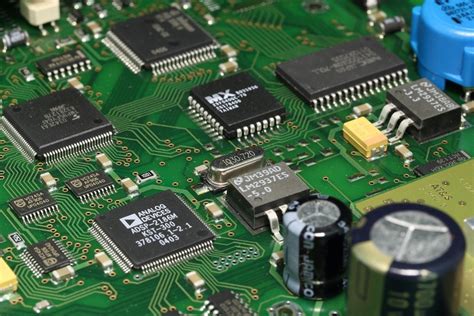
The landscape of pcb manufacturing is rapidly evolving, thanks to a series of groundbreaking technological advancements. As you delve into the world of pcb manufacturing companies, it’s essential to understand how these innovations are reshaping production processes and overall business strategies. For instance, the integration of automated systems and advanced machinery has significantly reduced the pcb manufacturing cost, while improving precision and speed in production. These improvements not only enhance productivity but also enable companies to respond swiftly to market demands, giving them a competitive edge.
Additionally, new software solutions are revolutionizing design processes. With capabilities such as computer-aided design (CAD) tools, manufacturers can create more complex and efficient circuit layouts that were previously unattainable. This not only streamlines workflows within your pcb manufacturing business but also results in higher quality outputs.
| Technology | Impact on PCB Manufacturing |
|---|---|
| Automation | Reduces costs, increases speed and accuracy |
| CAD Software | Enables complex designs and efficient workflows |
| 3D Printing | Facilitates rapid prototyping |
| Advanced Materials | Enhances durability and functionality |
Incorporating these innovations allows you as a manufacturer to not only optimize production techniques but also extend the horizons of what is possible within circuit design. This shift towards more sophisticated technologies signifies a new era for the pcb industry, where adaptability and innovation are paramount in achieving lasting success.
The Role of Automation in Enhancing Circuit Manufacturing Efficiency
In the ever-evolving landscape of pcb manufacturing, the integration of automation plays a pivotal role in driving efficiency. By implementing automated systems, pcb manufacturing companies can significantly reduce errors and improve overall throughput. Automation allows for precision in production processes, enabling manufacturers to maintain high-quality standards while also scaling operations to meet growing demands. This not only contributes to a reduction in pcb manufacturing cost but also enhances the consistency of the products, making them more reliable for end-users. Furthermore, automated machinery can streamline repetitive tasks, freeing up human resources for more complex and creative functions within the pcb manufacturing business. As you explore opportunities within this field, consider how embracing automation could transform your operations and elevate your competitive edge in the market. With these advancements, you will likely see improvements not only in efficiency but also in innovation capabilities, setting new benchmarks for what is possible in circuit manufacturing.
Sustainable Practices in Circuit Manufacturing: Embracing Eco-Friendly Solutions
In today’s rapidly evolving world, pcb manufacturing companies are increasingly recognizing the need for sustainable practices in their operations. You may find that the integration of eco-friendly solutions is not just a trend but a necessity for future growth and responsibility. Transitioning to more sustainable methods can significantly lower your pcb manufacturing cost, allowing for increased profitability while benefiting the environment. By investing in greener technologies, your pcb manufacturing business can lead the way in reducing waste and energy consumption, paving the path toward more efficient production processes. Many companies initiate this by sourcing materials that are recyclable or biodegradable, which helps minimize their ecological footprint. Additionally, adopting energy-efficient machines and utilizing digital prototyping can dramatically enhance production capabilities while saving resources. Embracing these sustainable practices not only elevates your brand’s reputation but also meets the growing consumer demand for environmentally responsible products. As you consider these changes, potential partnerships with organizations dedicated to sustainability could further amplify your efforts, driving innovation throughout the industry. For a closer look at some of these practices, explore what companies like Andwin PCB are implementing to stay ahead in eco-friendly circuit manufacturing.
Impact of Advanced Materials on Circuit Manufacturing Innovations
In recent years, the landscape of pcb manufacturing has been significantly reshaped by the introduction of advanced materials. These materials enhance not only the performance but also the longevity and reliability of printed circuit boards. As you navigate through the offerings of pcb manufacturing companies, it becomes evident that innovations in material science have allowed for the development of lightweight, robust substrates that can withstand extreme conditions. This evolution not only contributes to better performance in high-frequency applications, but also facilitates a reduction in pcb manufacturing cost due to increased efficiency in production processes. Furthermore, incorporating advanced materials enables pcb manufacturing businesses to offer solutions that are both cost-effective and environmentally friendly. The utilization of innovative materials such as flexible polymers and conductive inks has paved the way for more intricate designs and layouts, pushing boundaries on what is possible in electronic applications. As you delve deeper into the impact of these advancements, it becomes clear that they are not merely trends but fundamental shifts that are propelling circuit manufacturing companies into a new era of technological mastery and adaptability.

Collaboration and Partnerships in Driving Circuit Manufacturing Progress
In the fast-evolving world of circuit manufacturing, collaboration and partnerships have become essential for driving innovation and efficiency. You may find that pcb manufacturing companies are increasingly joining forces to tackle the challenges of today’s competitive landscape. These alliances allow for sharing resources, knowledge, and expertise, ultimately leading to enhanced production processes and reduced pcb manufacturing costs. By pooling their strengths, manufacturers can explore new avenues for innovation that individual companies might struggle to achieve alone. Furthermore, partnerships with research institutions and technology firms pave the way for breakthroughs in materials and automation techniques that can redefine what is feasible in the pcb manufacturing business. As these relationships flourish, they play a crucial role in shaping the strategies that will define the future of circuit manufacturers, ensuring they remain competitive in a rapidly changing environment. Embracing collaboration not only stimulates creativity but also establishes a robust framework for sustainable growth within the industry.
Future Trends: What’s Next for Circuit Manufacturing Companies
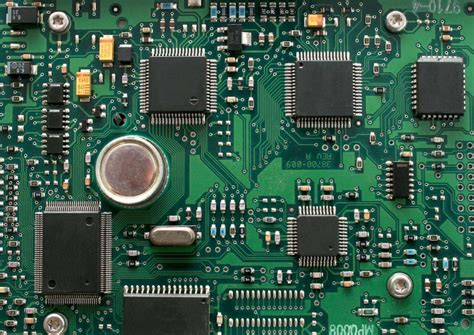
As the landscape of circuit manufacturing continues to evolve, you can expect several key trends to shape the future of pcb manufacturing. One major shift is the integration of advanced automation technologies, which can significantly lower pcb manufacturing costs while enhancing efficiency. These innovative systems not only speed up production but also minimize human error, ensuring that each batch meets the highest standards of quality. Moreover, pcb manufacturing companies are increasingly focusing on hybrid approaches that combine traditional methods with cutting-edge innovations. This shift allows for greater flexibility in production and adaptation to changing market demands.
Another trend to watch is the emphasis on sustainability. You may find that many pcb manufacturing businesses are taking proactive steps to implement eco-friendly practices and materials. This commitment not only caters to a growing consumer demand for sustainable products but also aligns with global regulations aimed at reducing environmental impact.
In terms of materials, the introduction of advanced substrates and laminates can revolutionize how circuits are designed and function. You may also notice that innovative materials contribute to lighter, more compact devices without compromising performance. Finally, partnerships among circuit manufacturing companies will likely accelerate progress as they pool resources and expertise for research and development, fostering a collaborative environment ripe for further advancements in technology.
By staying informed about these trends, you can position your business advantageously in a rapidly changing market landscape, ensuring long-term success in the world of circuit manufacturing.
The Importance of R&D in Evolving Circuit Manufacturing Companies
In the rapidly advancing world of pcb manufacturing, the significance of research and development (R&D) cannot be overstated. As you navigate through the evolving landscape of pcb manufacturing companies, you will find that R&D serves as a cornerstone that drives innovation and efficiency. Investing in R&D allows these companies to explore new materials, technologies, and processes that significantly impact pcb manufacturing cost. By continually pushing the boundaries of what is possible, your involvement in these developments can lead to enhanced product quality and reduced production times.
Moreover, through strategic R&D initiatives, pcb manufacturing businesses can better understand market needs and customer expectations, enabling them to deliver tailored solutions that align with industry demands. The emphasis on innovation not only fosters more sustainable practices but also enhances competitiveness in a crowded marketplace. Therefore, as circuit manufacturing evolves, your commitment to R&D will be integral in shaping the future landscape of this industry. This ongoing investment not only unlocks potential breakthroughs but also solidifies your position as a leader within the pcb manufacturing domain.
Conclusion
As you look towards the future of circuit manufacturing companies, you will notice an imperative evolution marked by cutting-edge technologies and innovative strategies. The advancements in pcb manufacturing are reshaping the landscape, enabling enhanced production techniques that not only improve pcb manufacturing cost efficiency but also drive significant innovations within the pcb manufacturing business. Through automation and smart manufacturing practices, these companies are transforming their operational workflows, thereby increasing productivity while maintaining high-quality standards. Moreover, as these organizations prioritize sustainable practices, they are not only reducing their environmental footprint but also appealing to a growing market segment that values eco-friendliness. Ultimately, your awareness of these trends will position you to better navigate the complexities of the electronics industry, making informed decisions as you engage with pcb manufacturing companies in the evolving marketplace.
FAQs
What is the significance of pcb manufacturing in the electronics industry?
The significance of pcb manufacturing lies in its pivotal role in creating the backbone of electronic devices. The quality and precision in pcb manufacturing determine the performance and reliability of products ranging from smartphones to complex industrial machinery.
How do I choose the right pcb manufacturing companies for my project?
When choosing pcb manufacturing companies, consider their experience, client testimonials, production capabilities, and quality assurance processes. It’s crucial to align their services with your specific project requirements and expected delivery timelines.
What factors influence pcb manufacturing cost?
Several factors influence pcb manufacturing cost, including material selection, design complexity, quantity ordered, and production techniques. Understanding these elements can help you manage costs effectively while ensuring high-quality outputs.
Is it profitable to start a pcb manufacturing business?
Starting a pcb manufacturing business can be profitable given the growing demand for electronic devices. However, thorough market research, investment in technology, and understanding customer needs are vital for sustained success.
For a more comprehensive understanding of how these elements interact within the industry, please click here: Explore PCB Manufacturing.