
Mira advance flex pcb
Understanding The Benefits Of Mira Advance Flex PCB In Modern Electronics
In the rapidly evolving landscape of modern electronics, the Mira Advance Flex PCB has emerged as a pivotal innovation, offering a multitude of benefits that cater to the increasing demands for compactness, flexibility, and reliability. As electronic devices become more sophisticated and miniaturized, the need for components that can adapt to these changes is paramount. The Mira Advance Flex PCB, with its unique properties, addresses these needs effectively, making it an indispensable component in contemporary electronic design.
To begin with, the flexibility of the Mira Advance Flex PCB is one of its most significant advantages.
Unlike traditional rigid PCBs, flex PCBs can bend and fold, allowing for more versatile applications. This flexibility is particularly beneficial in devices where space is at a premium, such as smartphones, wearable technology, and medical devices. By enabling the design of more compact and lightweight devices, the Mira Advance Flex PCB contributes to the ongoing trend of miniaturization in electronics. Moreover, this flexibility does not compromise the performance or reliability of the device, ensuring that the electronic components function optimally even in constrained spaces.
In addition to flexibility, the Mira Advance Flex PCB offers enhanced durability.
The materials used in its construction are designed to withstand harsh environmental conditions, including extreme temperatures and vibrations. This makes it an ideal choice for applications in automotive and aerospace industries, where reliability is crucial. Furthermore, the robust nature of the Mira Advance Flex PCB reduces the risk of mechanical failure, thereby extending the lifespan of the electronic device. This durability translates into cost savings over time, as devices require less frequent repairs and replacements.
Another noteworthy benefit of the Mira Advance Flex PCB is its ability to improve electrical performance.
The design of flex PCBs allows for shorter signal paths, which reduces the risk of signal loss and interference. This is particularly important in high-frequency applications, where maintaining signal integrity is critical. By minimizing signal degradation, the Mira Advance Flex PCB ensures that electronic devices operate with greater efficiency and accuracy. Additionally, the ability to integrate multiple functions into a single flex PCB reduces the need for additional components, further enhancing the performance of the device.
The Mira Advance Flex PCB also offers significant advantages in terms of design flexibility.
Engineers and designers have the freedom to create innovative and complex designs that were previously unattainable with rigid PCBs. This opens up new possibilities for product development, allowing for the creation of unique and cutting-edge electronic devices. The ability to customize the shape and layout of the PCB to fit specific design requirements is a game-changer in the electronics industry, fostering innovation and creativity.
In conclusion, the Mira Advance Flex PCB represents a significant advancement in the field of electronics, offering a range of benefits that address the challenges of modern device design. Its flexibility, durability, improved electrical performance, and design versatility make it an essential component in the development of next-generation electronic devices. As technology continues to advance, the role of the Mira Advance Flex PCB in shaping the future of electronics is set to become even more prominent, driving innovation and enabling the creation of more sophisticated and efficient devices
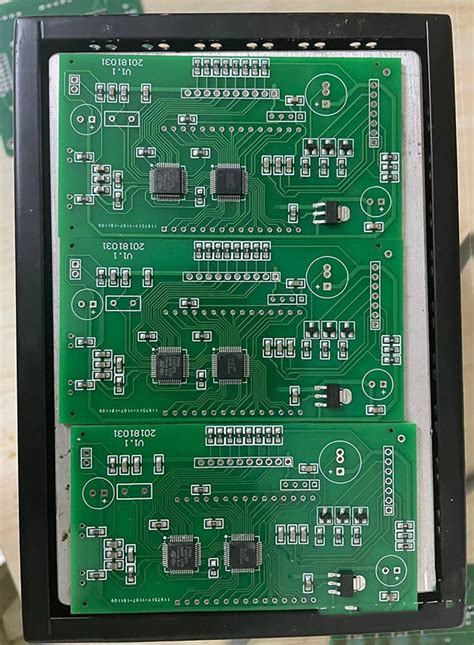
How Mira Advance Flex PCB Enhances Design Flexibility And Performance
The Mira Advance Flex PCB represents a significant advancement in the realm of printed circuit board technology, offering enhanced design flexibility and performance that cater to the evolving needs of modern electronics. As electronic devices become increasingly compact and complex, the demand for innovative solutions that can accommodate intricate designs without compromising functionality has grown. The Mira Advance Flex PCB addresses these challenges by providing a versatile platform that supports a wide range of applications, from consumer electronics to industrial machinery.
One of the primary advantages of the Mira Advance Flex PCB is its ability to conform to various shapes and sizes, which is a crucial factor in the design of compact electronic devices.
Traditional rigid PCBs often impose limitations on design due to their inflexible nature, making it difficult to fit them into unconventional spaces. In contrast, the flexible nature of the Mira Advance Flex PCB allows it to be bent, folded, or twisted to fit into tight spaces, thereby enabling more innovative and efficient designs. This flexibility not only enhances the aesthetic appeal of devices but also contributes to their overall functionality by allowing for more efficient use of space.
Moreover, the Mira Advance Flex PCB is engineered to withstand harsh environmental conditions, making it an ideal choice for applications that require durability and reliability.
Its robust construction ensures that it can endure extreme temperatures, vibrations, and mechanical stress without compromising performance. This resilience is particularly beneficial in industrial and automotive applications, where electronic components are often exposed to challenging conditions. By maintaining optimal performance in such environments, the Mira Advance Flex PCB ensures the longevity and reliability of the devices it powers.
In addition to its physical flexibility and durability, the Mira Advance Flex PCB also offers superior electrical performance.
The use of advanced materials and manufacturing techniques results in reduced signal loss and improved electrical conductivity, which are critical factors in high-speed and high-frequency applications. This enhanced performance is essential for modern electronic devices that require fast data transmission and efficient power management. By minimizing signal interference and power loss, the Mira Advance Flex PCB contributes to the overall efficiency and effectiveness of electronic systems.
Furthermore, the Mira Advance Flex PCB supports a high degree of customization, allowing designers to tailor the board to meet specific requirements.
This customization capability is facilitated by advanced design software and manufacturing processes that enable precise control over the layout and configuration of the PCB. As a result, designers can optimize the board for specific applications, ensuring that it meets the unique demands of each project. This level of customization not only enhances the performance of the final product but also streamlines the design and manufacturing process, reducing time and costs.
In conclusion, the Mira Advance Flex PCB offers a compelling solution for modern electronic design challenges by combining flexibility, durability, and superior electrical performance. Its ability to conform to various shapes and withstand harsh conditions makes it an invaluable asset in a wide range of applications. Additionally, its support for customization ensures that it can be tailored to meet the specific needs of any project, further enhancing its appeal. As technology continues to evolve, the Mira Advance Flex PCB stands out as a versatile and reliable option that empowers designers to push the boundaries of innovation.
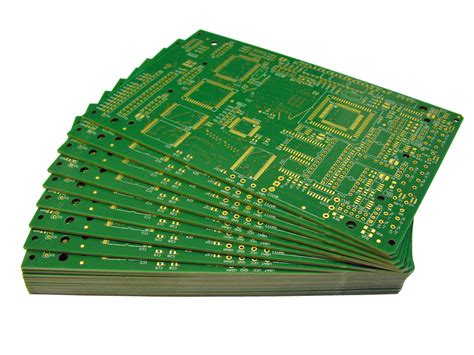
Key Applications Of Mira Advance Flex PCB In Various Industries
Mira Advance Flex PCBs, or flexible printed circuit boards, have emerged as a pivotal innovation in the electronics industry, offering a myriad of applications across various sectors. These advanced PCBs are characterized by their ability to bend and flex, which provides significant advantages over traditional rigid PCBs. As industries continue to evolve and demand more sophisticated electronic solutions, the role of Mira Advance Flex PCBs becomes increasingly crucial. Their unique properties enable them to be integrated into a wide range of applications, enhancing performance and functionality.
In the consumer electronics industry, Mira Advance Flex PCBs are instrumental in the development of compact and lightweight devices.
Smartphones, tablets, and wearable technology benefit immensely from the flexibility and durability of these PCBs. By allowing for more intricate designs and reducing the need for connectors, they contribute to the miniaturization of devices while maintaining high performance. This flexibility also facilitates the creation of innovative form factors, which are essential in a market that constantly seeks to push the boundaries of design and functionality.
Transitioning to the automotive industry, the application of Mira Advance Flex PCBs is equally transformative.
Modern vehicles are equipped with a plethora of electronic systems, from infotainment and navigation to advanced driver-assistance systems (ADAS). The ability of flex PCBs to withstand harsh environments, such as extreme temperatures and vibrations, makes them ideal for automotive applications. They enable the integration of complex electronic systems within the limited space of a vehicle, enhancing both safety and user experience. Moreover, as the industry moves towards electric and autonomous vehicles, the demand for reliable and efficient electronic components continues to grow, further solidifying the importance of Mira Advance Flex PCBs.
In the realm of healthcare, the impact of Mira Advance Flex PCBs is profound.
Medical devices, such as pacemakers, hearing aids, and diagnostic equipment, require high precision and reliability. The flexibility and lightweight nature of these PCBs allow for the development of smaller, more comfortable, and less invasive medical devices. This is particularly important in wearable health monitors, which need to be both unobtrusive and highly functional. The ability to conform to the human body without compromising performance is a significant advantage, facilitating continuous monitoring and improving patient outcomes.
Furthermore, the aerospace and defense industries also benefit from the unique properties of Mira Advance Flex PCBs.
In these sectors, the demand for lightweight and reliable components is paramount. Flex PCBs contribute to weight reduction in aircraft and spacecraft, which is crucial for fuel efficiency and payload capacity. Their resilience to extreme conditions, such as high altitudes and rapid temperature changes, ensures the reliability of critical systems. Additionally, in defense applications, the compact nature of flex PCBs allows for the development of advanced communication and surveillance equipment, which is essential for modern military operations.
In conclusion, the versatility and adaptability of Mira Advance Flex PCBs make them indispensable across a wide range of industries. Their ability to enhance the design, functionality, and reliability of electronic systems positions them as a key component in the advancement of technology. As industries continue to innovate and seek more efficient solutions, the role of Mira Advance Flex PCBs will undoubtedly expand, driving progress and enabling new possibilities in the ever-evolving landscape of electronics.
Innovations In Mira Advance Flex PCB Technology And Future Trends
Mira Advance Flex PCB technology represents a significant leap forward in the realm of electronic circuit design, offering a versatile and efficient solution for modern electronic devices. As the demand for smaller, more powerful, and flexible electronic components continues to grow, the innovations in Mira Advance Flex PCB technology are paving the way for a new era of electronic design and manufacturing. This technology, characterized by its ability to bend and flex without compromising performance, is increasingly being adopted across various industries, including consumer electronics, automotive, and healthcare.
One of the key innovations in Mira Advance Flex PCB technology is its enhanced material composition.
By utilizing advanced polymers and conductive materials, these PCBs can maintain high levels of conductivity and reliability even under mechanical stress. This is particularly beneficial in applications where space constraints and dynamic movement are prevalent, such as in wearable devices and foldable smartphones. The ability to withstand repeated bending and flexing without degradation in performance is a testament to the robustness of this technology.
Moreover, the miniaturization of electronic components has been a driving force behind the development of Mira Advance Flex PCBs.
As devices become more compact, the need for flexible circuit boards that can fit into tight spaces without sacrificing functionality becomes paramount. This has led to the integration of multi-layered designs within flex PCBs, allowing for more complex circuitry to be incorporated into a smaller footprint. Consequently, this innovation not only enhances the performance of electronic devices but also contributes to their aesthetic appeal by enabling sleeker and more streamlined designs.
In addition to material and design advancements, the manufacturing processes for Mira Advance Flex PCBs have also seen significant improvements.
Techniques such as laser direct imaging and precision etching have increased the accuracy and efficiency of PCB production, reducing waste and lowering costs. These advancements have made it feasible for manufacturers to produce high-quality flex PCBs at scale, thereby meeting the growing demand from various sectors. Furthermore, the adoption of automated assembly processes has minimized human error, ensuring consistent quality and reliability in the final product.
Looking towards the future, the trends in Mira Advance Flex PCB technology suggest a continued focus on enhancing flexibility and durability.
Researchers are exploring the use of novel materials, such as graphene and other nanomaterials, to further improve the electrical and mechanical properties of flex PCBs. These materials hold the promise of even greater flexibility and conductivity, potentially revolutionizing the way electronic devices are designed and manufactured.
Additionally, the integration of Mira Advance Flex PCBs with emerging technologies such as the Internet of Things (IoT) and artificial intelligence (AI) is expected to drive further innovation.
As devices become more interconnected and intelligent, the need for flexible and reliable circuit solutions will become increasingly critical. This integration will likely lead to the development of smart flex PCBs that can adapt to changing environmental conditions and user requirements, offering unprecedented levels of functionality and efficiency.
In conclusion, Mira Advance Flex PCB technology is at the forefront of electronic innovation, offering a versatile and robust solution for modern electronic devices. With ongoing advancements in materials, design, and manufacturing processes, this technology is poised to play a pivotal role in shaping the future of electronics. As industries continue to push the boundaries of what is possible, the innovations in Mira Advance Flex PCB technology will undoubtedly be a key enabler of future trends and developments.