
Advancements in Aerospace PCB Assembly Technology
Key Takeaways
The evolution of aerospace PCB assembly is pivotal in addressing the increasing demands of modern aircraft and space exploration. Recent innovations in pcb assembly techniques have placed a stronger emphasis on enhancing performance, reliability, and efficiency. Notably, advancements in pcba design, such as miniaturization and multi-layer configurations, are enabling engineers to create more compact and functionally diverse electronic systems. Additionally, improvements in materials—ranging from advanced substrates to high-temperature resins—are facilitating the development of reliable components that can withstand extreme operational environments. These innovations are complemented by rigorous reliability testing and quality assurance protocols tailored specifically for aerospace applications, ensuring that each pcb assembly meets stringent safety standards. As aircraft become more sophisticated, the integration of advanced technologies like automation and smart manufacturing processes in pcb assembly further enhances overall operational effectiveness. In conclusion, leveraging these key advancements not only promotes safety but also positions the aerospace sector for future success in both commercial and exploratory endeavors.
Introduction to Aerospace PCB Assembly Technology
Aerospace pcb assembly is a critical aspect of modern aerospace engineering, enabling the integration of complex electronic systems within aircraft and spacecraft. As the demand for reliable and high-performance components grows, innovations in pcba processes have emerged, substantially enhancing performance, efficiency, and safety. Aerospace applications often require that PCBs withstand extreme conditions, making pcb assembly a focus point for technological advancement. The merging of high-density interconnections with advanced materials ensures durability and functionality in challenging environments.
These advancements not only improve the operational capabilities of aerospace vehicles but also impact design flexibility and manufacturing efficiency. As noted by experts in the field:
“Evolving technologies in pcb assembly are reshaping how we approach aerospace challenges.”
This underscores a trend towards greater integration of advanced technologies that support lighter weight structures without compromising structural integrity. With an emphasis on sustainability, companies are also adopting eco-friendly materials and processes to minimize environmental impact in pcba production. Overall, understanding these innovations is essential for anyone involved in aerospace technology as it lays the foundation for future developments in aircraft design and space exploration endeavors.
Key Innovations in PCB Design for Aerospace Applications
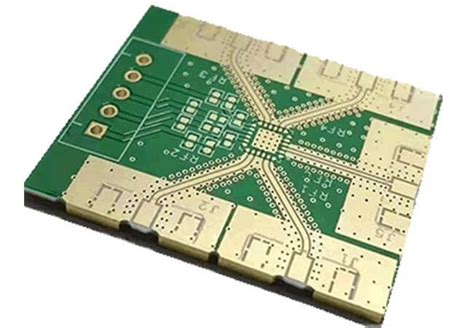
The landscape of PCB assembly for aerospace applications is rapidly evolving, driven by the demand for higher performance and reliability in increasingly complex systems. One of the key innovations in this field is the integration of advanced materials that contribute to lighter and more durable printed circuit boards (PCBs). For instance, the use of flexible substrates allows for pcba designs that support tighter configurations, particularly in areas where space is at a premium.
Moreover, enhanced thermal management solutions are being incorporated into PCB assembly, which are critical for maintaining performance under extreme conditions experienced during flight or space missions. These innovations encompass both passive cooling strategies—like improved heat sinks—and active systems that utilize cutting-edge thermal interface materials.
The advent of automated processes is another significant advancement within aerospace pcba technology. Automation not only improves precision but also enhances production efficiency, allowing manufacturers to meet stringent deadlines without sacrificing quality. By implementing smart tools and techniques—such as machine learning algorithms to predict potential faults—companies can significantly reduce costs and lead times.
| Innovation Type | Description |
|---|---|
| Advanced Materials | Use of lightweight and durable substrates that enhance flexibility and reliability |
| Thermal Management | Implementation of innovative cooling solutions to counteract extreme operating conditions |
| Automation | Incorporation of automated processes for greater precision and efficiency |
In summary, these innovations are crucial as they not only elevate the reliability standards required by aerospace engineers but also pave the way for the next generation of aircraft and space exploration missions, marking a significant step forward in aerospace PCB assembly technology.
Enhancements in Materials and Processes
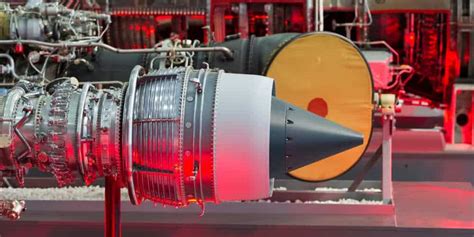
In recent years, significant advancements in materials and processes for aerospace PCB assembly (or PCBA) have driven remarkable improvements in the industry. The utilization of high-frequency laminates, coupled with lightweight composites, has led to more efficient designs that meet the stringent demands of aerospace applications. These innovations not only enhance performance but also contribute to improved thermal management, which is crucial in mitigating risks associated with overheating in various aircraft systems. Moreover, the introduction of advanced automated assembly techniques reduces the likelihood of human error, ensuring that each PCB assembly meets rigorous quality standards. The incorporation of environmentally friendly materials is also becoming more prevalent, addressing sustainability concerns while maintaining performance benchmarks. Additionally, newer processes such as additive manufacturing are enhancing the capability to create complex geometries that were previously unattainable, further driving innovation within the sector. As a result, these enhancements not only increase reliability but also provide a path toward more efficient production cycles and reduced costs, solidifying their significance for future aerospace endeavors.
Reliability Testing and Quality Assurance in Aerospace PCBs
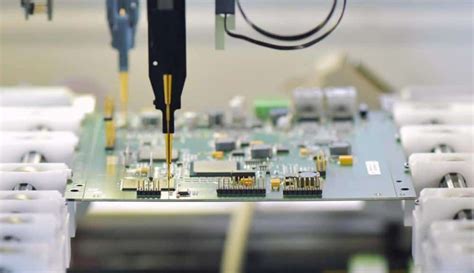
In the realm of aerospace PCB assembly, reliability testing and quality assurance are paramount to ensure that the printed circuit boards (PCBs) meet stringent safety and performance standards. The aerospace industry demands high reliability due to the critical nature of its applications, where failure can lead to catastrophic outcomes. Advanced reliability testing processes are employed to assess the durability of pcb assemblies under extreme environmental conditions, including variations in temperature, humidity, and vibration. The implementation of automated PCBA inspection technologies, such as X-ray and automated optical inspection (AOI), has significantly enhanced the ability to detect defects early in the production process. Furthermore, consistent quality assurance protocols contribute to a robust feedback loop, helping engineers refine designs and materials utilized in aerospace applications. Such advancements not only bolster confidence in system performance but also streamline compliance with regulatory requirements. By prioritizing reliability through rigorous testing and quality measures, manufacturers can ensure that their pcb assembly processes remain at the forefront of technology, capable of supporting the ambitious goals of next-generation aircraft and space exploration missions.
Impact of Advanced Technologies on Aircraft Performance
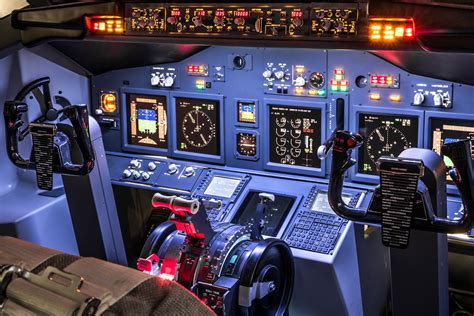
The integration of advanced technologies in PCB assembly processes has significantly enhanced aircraft performance. Innovations in pcba design, such as miniaturization and increased functionality, allow for more compact and efficient electronic systems. These improvements lead to reduced weight and enhanced aerodynamics, which are critical for fuel efficiency. Additionally, the use of advanced materials, including more resilient substrates and conductive inks, ensures that the pcb assembly exhibits superior thermal and mechanical properties. This not only contributes to the reliability of the components in harsh aerospace environments but also optimizes the overall performance of aircraft systems. Furthermore, sophisticated testing methods ensure that these assemblies meet rigorous safety standards, ultimately reducing maintenance costs and increasing operational efficiency. As a result, the contributions of next-gen pcb assembly technology play a pivotal role in elevating the capabilities of modern aircraft, paving the way for safer and more efficient aerospace operations.
Sustainability Challenges and Solutions in PCB Assembly
One of the pressing issues facing aerospace PCB assembly is sustainability. The production and disposal of PCBs can have significant environmental impacts, prompting the industry to seek innovative solutions. Sustainability challenges in pcb assembly often stem from material waste, high energy consumption, and the use of hazardous substances. However, advancements in materials science are paving the way for a greener approach. For instance, biodegradable materials and environmentally friendly laminates are being incorporated into pcba processes, reducing ecological footprints. Additionally, adopting more efficient manufacturing methods can lead to substantial energy savings while enhancing overall efficiency in production lines. Implementing recycling programs for obsolete PCBs also plays a crucial role in minimizing waste. By focusing on these sustainability solutions, the aerospace sector is not only improving its environmental performance but also contributing to a more sustainable future for aviation and space exploration.
Future Trends in Aerospace PCB Technology
As the aerospace industry evolves, pcb assembly technology is poised to undergo significant transformations. Emerging trends focus on integrating smart materials and advanced manufacturing techniques into PCBA processes, enabling a new class of lightweight, high-performance components. One notable trend is the adoption of additive manufacturing, which facilitates the creation of complex geometries that were previously unattainable with traditional methods. This innovation not only reduces material waste but also enhances the overall design flexibility critical for aerospace applications. Furthermore, advancements in automation are streamlining the pcb assembly process, ensuring higher precision and minimizing human error. As a result, manufacturers are achieving unprecedented levels of efficiency and reliability in their production lines. Another trend gaining traction is the implementation of real-time monitoring systems during the assembly process, which utilize IoT devices to collect data and provide insights into performance metrics. By leveraging such technologies, companies can proactively address potential issues before they escalate into significant problems. Ultimately, these developments indicate a promising future for aerospace PCB technology, paving the way for innovations that will support next-generation aircraft and space exploration initiatives.
Case Studies: Successful Applications of Advanced PCB Assembly Techniques
Recent innovations in pcb assembly technology have led to remarkable advancements in various aerospace applications, demonstrating their impact on both performance and reliability. One such case study involves a leading aerospace manufacturer that implemented advanced pcba methods to enhance the durability of avionics systems. By utilizing high-frequency materials and improved interconnect techniques, the manufacturer achieved a significant reduction in signal loss and enhanced thermal stability. Another example highlights the collaboration between an aerospace startup and a technology firm that focused on utilizing automated pcb assembly processes. This partnership resulted in a more streamlined production line, which not only reduced manufacturing times but also allowed for better quality control throughout the process.
Moreover, implementing sophisticated testing methodologies has proven essential in these applications. By integrating machine learning algorithms into the reliability testing phase of pcba, companies were able to predict potential failures with greater accuracy, thus improving safety standards dramatically. Furthermore, the exploration of flexible PCBs permitted engineers to design more compact and lightweight systems, which directly contribute to fuel efficiency in aircraft. As these case studies illustrate, embracing advanced pcb assembly techniques not only meets current industry demands but sets a benchmark for future innovations within aerospace technology.
Conclusion
In summary, the advancements in aerospace PCB assembly technology represent a significant leap forward in the fields of aviation and space exploration. The integration of innovative materials and advanced manufacturing processes has dramatically improved the capability of PCBA systems, ensuring they can withstand the rigorous demands of extreme environments. Companies are increasingly focusing on enhancing the reliability and performance of their designs, which is crucial for safety in aerospace applications. Techniques such as automated optical inspection (AOI) and advanced reliability testing are now standard practices to ensure that every aspect of pcb assembly meets stringent quality assurance standards. Furthermore, sustainability has emerged as a critical focus; manufacturers are exploring eco-friendly materials and efficient processes to minimize waste and energy consumption, aligning with global environmental goals. As these trends continue to evolve, we can expect further breakthroughs that will not only improve our aircraft but also pave the way for ambitious space exploration projects in the near future.
FAQs
What is aerospace PCB assembly?
Aerospace PCB assembly refers to the specialized process of manufacturing and assembling printed circuit boards (PCBs) specifically designed for aerospace applications, ensuring they meet stringent performance and reliability standards.
What role does reliability play in aerospace PCBA?
Reliability is crucial in aerospace PCBA, as even the tiniest failure can have significant consequences. Advanced technologies ensure that PCBs can withstand extreme conditions and maintain functionality during critical operations.
What materials are commonly used in aerospace PCB assembly?
Common materials include high-frequency laminates, thermally conductive substrates, and flexible circuit boards, all engineered to enhance performance while maintaining durability in challenging environments.
How do advances in technology impact aerospace PCB design?
Advances such as automated processes, 3D printing, and sophisticated testing methods are transforming aerospace PCB design, leading to more lightweight, efficient, and reliable solutions tailored for next-generation aircraft.
Are there sustainability challenges in PCB assembly for aerospace?
Yes, sustainability challenges exist due to the use of specialized materials and chemicals. However, innovations aimed at reducing waste and improving energy efficiency are being actively implemented within the industry.
How is quality assurance conducted in aerospace PCBs?
Quality assurance involves rigorous testing protocols to assess durability, thermal effects, and signal integrity. It ensures that every pcb assembly meets the exact specifications required for safety and performance.