
Is thermal pad good
Benefits Of Using Thermal Pads In Electronics Cooling
Thermal management is a critical aspect of modern electronics, as devices continue to become more powerful and compact. One of the most effective solutions for managing heat in electronic components is the use of thermal pads. These materials play a crucial role in ensuring the longevity and performance of electronic devices by facilitating efficient heat transfer. Understanding the benefits of thermal pads in electronics cooling can help in making informed decisions about their application.
To begin with, thermal pads are designed to fill the gaps between heat-generating components and heat sinks or other cooling solutions.
This is essential because, in many electronic assemblies, there are often microscopic air gaps due to surface irregularities. Air, being a poor conductor of heat, can significantly impede the transfer of thermal energy. By filling these gaps, thermal pads enhance the contact between surfaces, thereby improving the overall thermal conductivity. This leads to more efficient heat dissipation, which is vital for maintaining optimal operating temperatures in electronic devices.
Moreover, thermal pads offer a level of flexibility and ease of use that is particularly advantageous in various applications.
Unlike thermal pastes, which require precise application and can be messy, thermal pads are pre-formed and can be easily cut to size. This makes them an ideal choice for both large-scale manufacturing and small-scale DIY projects. Their ease of application reduces the risk of errors during installation, ensuring consistent performance across different devices. Additionally, thermal pads are available in various thicknesses and thermal conductivities, allowing for customization based on specific cooling requirements.
Another significant benefit of thermal pads is their ability to provide electrical insulation.
Many thermal pads are made from materials that not only conduct heat but also insulate against electrical currents. This dual functionality is particularly important in preventing short circuits and protecting sensitive electronic components. As electronic devices become more densely packed with components, the risk of electrical interference increases, making the insulating properties of thermal pads even more valuable.
Furthermore, thermal pads contribute to the overall reliability and lifespan of electronic devices.
By maintaining lower operating temperatures, they help prevent overheating, which can lead to component failure and reduced performance. Over time, excessive heat can cause materials to degrade, solder joints to weaken, and components to malfunction. By effectively managing heat, thermal pads help mitigate these risks, ensuring that devices operate smoothly and reliably over extended periods.
In addition to their functional benefits, thermal pads are also environmentally friendly.
Many are made from non-toxic materials and are designed to be durable and long-lasting, reducing the need for frequent replacements. This not only minimizes waste but also contributes to the sustainability of electronic products.
In conclusion, the use of thermal pads in electronics cooling offers numerous advantages, from improved thermal conductivity and ease of application to electrical insulation and enhanced device reliability. As electronic devices continue to evolve, the importance of effective thermal management solutions like thermal pads cannot be overstated. By understanding and leveraging these benefits, manufacturers and consumers alike can ensure that electronic devices perform optimally and have a longer operational life.

Thermal Pads Vs. Thermal Paste: Which Is Better For Your PC?
When it comes to building or upgrading a personal computer, ensuring efficient heat dissipation is crucial for maintaining optimal performance and longevity of the components. Two common solutions for enhancing thermal conductivity between a heat-generating component, such as a CPU or GPU, and its cooler are thermal pads and thermal paste. Each has its own set of advantages and disadvantages, making the choice between them dependent on specific needs and circumstances.
Thermal pads are solid, pre-formed sheets made from materials with good thermal conductivity, such as silicone or graphite.
They are designed to fill the gap between the heat source and the heat sink, providing a consistent and reliable thermal interface. One of the primary advantages of thermal pads is their ease of use. Unlike thermal paste, which requires careful application to avoid air bubbles and uneven distribution, thermal pads can simply be cut to size and placed directly onto the component. This makes them particularly appealing for beginners or those who prefer a straightforward installation process.
Moreover, thermal pads offer a clean and reusable solution.
They do not dry out or degrade over time as some thermal pastes can, which means they can be removed and reapplied without the need for cleaning or reapplication. This characteristic is especially beneficial in scenarios where components may need to be frequently swapped or upgraded. Additionally, thermal pads provide a uniform thickness, ensuring consistent contact and pressure across the entire surface, which can be advantageous in systems with uneven surfaces or varying component heights.
On the other hand, thermal paste, also known as thermal grease or compound, is a viscous substance that is applied in a thin layer between the heat source and the cooler.
It is renowned for its superior thermal conductivity compared to most thermal pads, making it the preferred choice for enthusiasts and professionals seeking maximum performance. The paste fills microscopic imperfections on the surfaces, creating a more intimate contact and thus improving heat transfer efficiency. This characteristic is particularly important in high-performance systems where every degree of temperature reduction can contribute to better stability and overclocking potential.
However, the application of thermal paste requires precision and care.
An improper application can lead to air pockets, which significantly reduce thermal conductivity. Furthermore, thermal paste can dry out over time, necessitating periodic reapplication to maintain its effectiveness. This maintenance aspect can be seen as a drawback for those who prefer a more hands-off approach.
In conclusion, the decision between thermal pads and thermal paste largely depends on the specific requirements and preferences of the user. For those seeking ease of use, cleanliness, and reusability, thermal pads offer a compelling solution. They are particularly suitable for systems where components are frequently changed or where ease of installation is a priority. Conversely, for users who prioritize maximum thermal performance and are comfortable with the meticulous application process, thermal paste remains the superior choice. Ultimately, both thermal pads and thermal paste have their place in the realm of PC building, and understanding their respective benefits can help users make an informed decision tailored to their individual needs.
How Thermal Pads Improve Heat Dissipation In Gaming Consoles
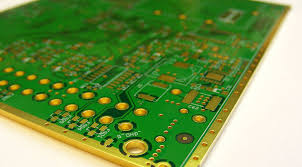
In the realm of gaming consoles, efficient heat dissipation is paramount to maintaining optimal performance and prolonging the lifespan of the device. As gaming consoles become more powerful, they generate significant amounts of heat, which, if not managed properly, can lead to thermal throttling or even hardware failure. One effective solution to this challenge is the use of thermal pads, which play a crucial role in enhancing heat dissipation.
Thermal pads are made from materials with high thermal conductivity, designed to bridge the gap between heat-generating components and heat sinks or other cooling solutions.
By filling these gaps, thermal pads ensure that heat is transferred away from critical components more efficiently. This is particularly important in gaming consoles, where space is limited, and components are densely packed. The use of thermal pads helps to create a more uniform thermal interface, reducing the thermal resistance that can occur when there are air gaps between surfaces.
Moreover, thermal pads offer several advantages over other thermal interface materials, such as thermal paste.
One of the primary benefits is their ease of application. Unlike thermal paste, which requires careful application to avoid air bubbles and uneven distribution, thermal pads can be easily cut to size and placed directly onto the components. This simplicity not only reduces the risk of application errors but also makes it easier for users to replace or upgrade the thermal interface material as needed.
In addition to ease of use, thermal pads provide consistent performance over time.
While thermal paste can dry out and lose its effectiveness, thermal pads maintain their thermal conductivity for extended periods. This reliability is particularly beneficial for gaming consoles, which are often used for long gaming sessions and require consistent cooling performance to prevent overheating.
Furthermore, thermal pads are available in various thicknesses and thermal conductivities, allowing for customization based on the specific needs of the gaming console.
This versatility ensures that the thermal pad can effectively fill the gap between components, regardless of the size or shape of the surfaces involved. By selecting the appropriate thermal pad, users can optimize the heat dissipation capabilities of their gaming consoles, leading to improved performance and stability.
Another significant advantage of thermal pads is their ability to provide electrical insulation.
This is particularly important in gaming consoles, where components are in close proximity, and the risk of short circuits must be minimized. Thermal pads are typically made from non-conductive materials, ensuring that they do not interfere with the electrical functionality of the device while still providing excellent thermal performance.
In conclusion, thermal pads are an essential component in the thermal management of gaming consoles. Their ability to improve heat dissipation, ease of application, consistent performance, and versatility make them an ideal choice for maintaining the optimal operation of these devices. As gaming consoles continue to evolve and become more powerful, the importance of effective thermal management solutions like thermal pads will only increase. By incorporating thermal pads into the design and maintenance of gaming consoles, manufacturers and users alike can ensure that these devices remain cool, efficient, and reliable, even during the most intense gaming sessions.
Choosing The Right Thermal Pad For Your Laptop’s Performance
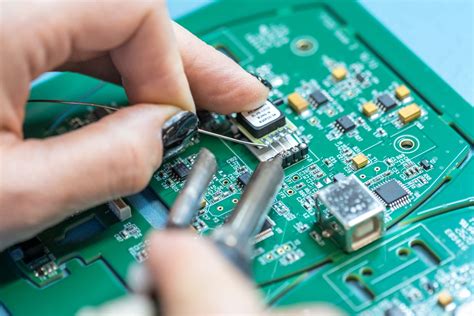
When it comes to optimizing your laptop’s performance, ensuring efficient heat dissipation is crucial. One of the key components in achieving this is the thermal pad, a material designed to facilitate the transfer of heat from the laptop’s internal components to the heat sink. The question arises: is a thermal pad good for your laptop? To answer this, it is essential to understand the role of thermal pads and how to choose the right one for your device.
Thermal pads are made from materials with high thermal conductivity, such as silicone or graphite, and are used to fill the gaps between heat-generating components and heat sinks.
This ensures that heat is effectively transferred away from critical components like the CPU and GPU, preventing overheating and maintaining optimal performance. Unlike thermal paste, which requires precise application, thermal pads offer a more straightforward installation process, making them an attractive option for many users.
However, not all thermal pads are created equal. The effectiveness of a thermal pad largely depends on its thermal conductivity, measured in watts per meter-kelvin (W/mK).
Higher thermal conductivity values indicate better heat transfer capabilities. Therefore, when selecting a thermal pad, it is important to consider the specific thermal requirements of your laptop. For high-performance laptops that generate significant heat, a thermal pad with a higher thermal conductivity rating is advisable.
In addition to thermal conductivity, the thickness of the thermal pad is another critical factor.
The gap between the heat source and the heat sink varies across different laptop models, and using a thermal pad that is too thick or too thin can impede heat transfer. It is essential to measure the gap accurately and choose a thermal pad that fits snugly without exerting excessive pressure on the components. This ensures that the pad can effectively fill the space and facilitate efficient heat dissipation.
Moreover, the material composition of the thermal pad can influence its performance.
Silicone-based pads are popular due to their flexibility and ease of use, while graphite pads offer superior thermal conductivity but may be more challenging to handle. Each material has its advantages and limitations, and the choice ultimately depends on the specific needs of your laptop and your comfort level with installation.
Furthermore, it is worth considering the longevity and durability of the thermal pad.
Over time, thermal pads can degrade, losing their effectiveness and necessitating replacement. High-quality thermal pads are designed to withstand prolonged use without significant degradation, ensuring consistent performance over time. Investing in a durable thermal pad can save you the hassle of frequent replacements and maintain your laptop’s performance in the long run.
In conclusion, a thermal pad can be a beneficial addition to your laptop’s cooling system, provided you choose the right one.
By considering factors such as thermal conductivity, thickness, material composition, and durability, you can select a thermal pad that meets your laptop’s specific needs and enhances its performance. While thermal pads offer a convenient and effective solution for heat management, it is crucial to ensure proper installation and maintenance to maximize their benefits. Ultimately, a well-chosen thermal pad can contribute significantly to your laptop’s longevity and efficiency, making it a worthwhile investment for any laptop user seeking to optimize their device’s performance.