
Ipc standard for pcb manufacturing
Understanding IPC Standards: A Guide to PCB Manufacturing Compliance
In the realm of printed circuit board (PCB) manufacturing, adherence to industry standards is paramount to ensure quality, reliability, and safety. Among these standards, the IPC standards hold a significant place, serving as a benchmark for manufacturers worldwide. Understanding these standards is crucial for anyone involved in the design, production, or inspection of PCBs, as they provide comprehensive guidelines that help maintain consistency and quality across the industry.
The IPC, originally known as the Institute for Printed Circuits, is a global trade association that has been instrumental in developing standards for the electronics manufacturing industry.
These standards cover a wide range of topics, from design and assembly to testing and inspection. By following IPC standards, manufacturers can ensure that their products meet the necessary quality and performance criteria, which is essential in today’s competitive market.
One of the most widely recognized IPC standards is IPC-A-610, which outlines the acceptability of electronic assemblies.
This standard provides detailed criteria for the evaluation of soldered connections, component placement, and other critical aspects of PCB assembly. By adhering to IPC-A-610, manufacturers can ensure that their products meet the high-quality standards expected by customers and regulatory bodies alike. Furthermore, this standard helps reduce the risk of defects and failures, which can lead to costly recalls and damage to a company’s reputation.
In addition to IPC-A-610, IPC-6012 is another crucial standard that focuses on the qualification and performance specification for rigid PCBs.
This standard sets forth the requirements for materials, workmanship, and testing, ensuring that PCBs can withstand the rigors of their intended applications. By complying with IPC-6012, manufacturers can demonstrate their commitment to producing reliable and durable products, which is particularly important in industries such as aerospace, automotive, and telecommunications, where failure is not an option.
Moreover, IPC standards are not static; they evolve to keep pace with technological advancements and emerging industry trends.
For instance, the increasing demand for miniaturization and high-density interconnects has led to the development of new standards that address these challenges. By staying up-to-date with the latest IPC standards, manufacturers can remain competitive and continue to meet the ever-changing needs of their customers.
Transitioning from understanding the importance of these standards, it is also essential to consider the role of training and certification in ensuring compliance.
IPC offers a range of training programs and certification courses designed to equip professionals with the knowledge and skills needed to implement these standards effectively. By investing in training, companies can ensure that their workforce is well-versed in the latest industry practices, thereby enhancing their ability to produce high-quality PCBs.
In conclusion, IPC standards play a vital role in the PCB manufacturing industry by providing a framework for quality and consistency. By adhering to these standards, manufacturers can ensure that their products meet the necessary performance and reliability criteria, thereby gaining a competitive edge in the market. Furthermore, by investing in training and staying abreast of the latest developments in IPC standards, companies can continue to innovate and meet the evolving demands of their customers. As the industry continues to advance, the importance of IPC standards in guiding PCB manufacturing compliance cannot be overstated.
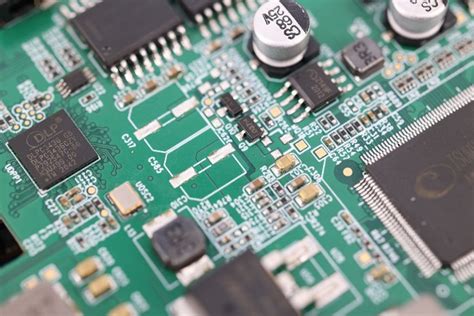
The Role of IPC-A-610 in Ensuring PCB Quality and Reliability
The IPC-A-610 standard plays a pivotal role in the realm of printed circuit board (PCB) manufacturing, serving as a cornerstone for ensuring quality and reliability. As the electronics industry continues to evolve, the demand for high-quality PCBs has become more pronounced, necessitating stringent standards to guide manufacturers. IPC-A-610, often referred to as the “Acceptability of Electronic Assemblies,” is one such standard that provides comprehensive criteria for the workmanship of electronic assemblies, thereby ensuring that PCBs meet the necessary quality benchmarks.
To begin with, IPC-A-610 is widely recognized as the most critical standard for the inspection of electronic assemblies.
It provides detailed guidelines on the acceptability of various aspects of PCB manufacturing, including soldering, component placement, and mechanical assembly. By adhering to these guidelines, manufacturers can ensure that their products meet the high standards required for performance and reliability. This is particularly important in industries such as aerospace, automotive, and medical devices, where the failure of electronic components can have dire consequences.
Moreover, IPC-A-610 is instrumental in standardizing the inspection process across different manufacturing facilities.
By providing a common language and set of criteria, it facilitates communication between manufacturers, suppliers, and customers. This standardization helps to minimize misunderstandings and discrepancies, thereby reducing the likelihood of defects and rework. Consequently, manufacturers can achieve greater consistency in their production processes, leading to improved product quality and customer satisfaction.
In addition to standardizing inspection criteria, IPC-A-610 also plays a crucial role in training and certifying personnel involved in PCB manufacturing.
The standard offers a certification program that equips individuals with the knowledge and skills necessary to assess the quality of electronic assemblies accurately. This training ensures that inspectors are well-versed in the latest industry standards and best practices, enabling them to identify potential issues before they escalate into significant problems. As a result, manufacturers can maintain high levels of quality control throughout the production process.
Furthermore, IPC-A-610 is continually updated to reflect the latest advancements in technology and manufacturing techniques.
This ensures that the standard remains relevant and applicable to modern manufacturing environments. By keeping pace with technological developments, IPC-A-610 helps manufacturers to incorporate new materials and processes into their production lines without compromising on quality. This adaptability is crucial in an industry characterized by rapid innovation and change.
In conclusion, the IPC-A-610 standard is indispensable in ensuring the quality and reliability of PCBs. By providing clear guidelines for inspection, standardizing processes across the industry, and offering comprehensive training programs, it helps manufacturers to produce high-quality electronic assemblies that meet the rigorous demands of today’s market. As technology continues to advance, the role of IPC-A-610 in maintaining quality and reliability will only become more significant, underscoring its importance as a foundational element in PCB manufacturing. Through its ongoing evolution and commitment to excellence, IPC-A-610 remains a vital tool for manufacturers striving to achieve the highest standards of quality in their products.
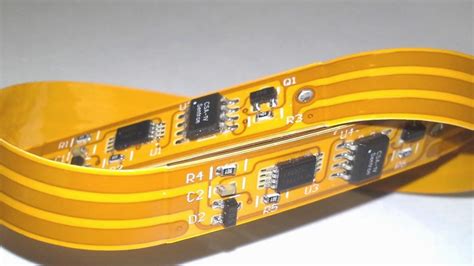
How IPC-6012 Impacts the Design and Fabrication of Rigid PCBs
The IPC-6012 standard plays a pivotal role in the design and fabrication of rigid printed circuit boards (PCBs), serving as a benchmark for quality and reliability in the electronics industry. As technology continues to advance, the demand for more sophisticated and reliable PCBs has increased, making adherence to established standards like IPC-6012 more crucial than ever. This standard outlines the performance and qualification requirements for rigid PCBs, ensuring that they meet the necessary criteria for various applications, from consumer electronics to aerospace systems.
One of the primary impacts of IPC-6012 on PCB design is its emphasis on quality assurance.
Designers must consider the standard’s specifications during the initial stages of development to ensure that the final product will comply with the required performance levels. This involves meticulous attention to detail in areas such as material selection, layer configuration, and trace routing. By adhering to IPC-6012 guidelines, designers can minimize the risk of defects and enhance the overall reliability of the PCB, which is critical in applications where failure is not an option.
Moreover, IPC-6012 influences the fabrication process by setting stringent criteria for manufacturing practices.
Fabricators must implement robust quality control measures to meet the standard’s requirements, which include thorough inspections and testing procedures. These measures help identify potential issues early in the production process, reducing the likelihood of costly rework or product recalls. Additionally, the standard’s focus on traceability ensures that each PCB can be tracked throughout its lifecycle, providing valuable data for continuous improvement and accountability.
Transitioning from design to fabrication, IPC-6012 also impacts the choice of materials used in PCB construction.
The standard specifies acceptable materials and their properties, such as dielectric constant and thermal conductivity, which are crucial for maintaining signal integrity and thermal management. By following these guidelines, manufacturers can produce PCBs that perform consistently under various environmental conditions, thereby extending their operational lifespan and reliability.
Furthermore, IPC-6012 addresses the need for rigorous testing to verify the performance of rigid PCBs.
This includes electrical testing to ensure proper functionality and mechanical testing to assess durability under stress. The standard’s comprehensive testing requirements help identify potential weaknesses in the design or fabrication process, allowing for corrective actions before the product reaches the end user. This proactive approach not only enhances product quality but also builds trust with customers who rely on these components for critical applications.
In addition to its technical specifications, IPC-6012 fosters collaboration between designers and manufacturers.
By providing a common framework for communication, the standard helps bridge the gap between these two essential phases of PCB production. This collaboration is vital for addressing any design challenges that may arise during fabrication and ensuring that the final product meets the intended specifications.
In conclusion, IPC-6012 significantly impacts the design and fabrication of rigid PCBs by establishing a comprehensive set of guidelines that ensure quality, reliability, and performance. By adhering to this standard, designers and manufacturers can produce PCBs that meet the demands of modern technology while minimizing the risk of failure. As the electronics industry continues to evolve, the importance of standards like IPC-6012 will only grow, underscoring their role in shaping the future of PCB manufacturing.
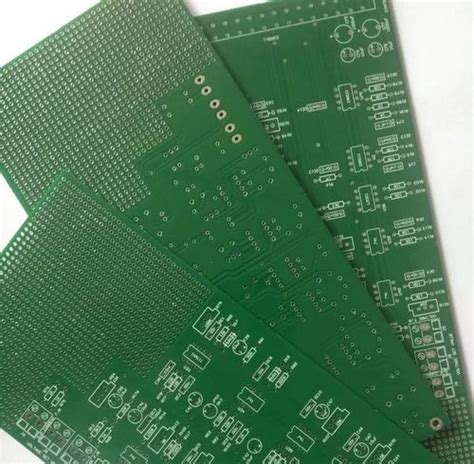
Implementing IPC-2221 for Effective PCB Design and Performance
Implementing IPC-2221 for effective PCB design and performance is a critical step in ensuring the reliability and functionality of printed circuit boards (PCBs) across various applications. IPC-2221, the Generic Standard on Printed Board Design, serves as a foundational guideline that provides comprehensive design principles and requirements for PCBs. By adhering to this standard, manufacturers and designers can achieve optimal performance, enhance product quality, and reduce the likelihood of costly errors during production.
To begin with, IPC-2221 outlines essential design considerations that encompass a wide range of factors, including material selection, mechanical properties, and electrical performance.
These considerations are crucial for creating PCBs that can withstand the demands of their intended applications. For instance, the standard provides guidance on selecting appropriate materials that offer the necessary thermal and mechanical stability, which is vital for maintaining the integrity of the PCB under various environmental conditions. By following these guidelines, designers can ensure that their PCBs are robust and capable of performing reliably over their expected lifespan.
Moreover, IPC-2221 emphasizes the importance of layout design in achieving effective PCB performance.
The standard provides detailed recommendations on component placement, trace routing, and layer stack-up, all of which are critical for minimizing signal interference and ensuring efficient power distribution. By adhering to these layout guidelines, designers can optimize the electrical performance of their PCBs, thereby reducing the risk of signal integrity issues and enhancing overall functionality. Additionally, the standard addresses the need for proper thermal management, which is essential for preventing overheating and ensuring the longevity of electronic components.
Transitioning to the aspect of manufacturability, IPC-2221 plays a pivotal role in streamlining the production process.
By standardizing design practices, the guideline facilitates better communication between designers and manufacturers, reducing the likelihood of misunderstandings and errors during fabrication. This standardization also enables manufacturers to implement more efficient production techniques, ultimately leading to cost savings and faster time-to-market for PCB products. Furthermore, by adhering to IPC-2221, manufacturers can ensure that their PCBs meet industry-accepted quality benchmarks, which is crucial for maintaining competitiveness in the global market.
In addition to design and manufacturability, IPC-2221 also addresses the importance of testing and inspection in ensuring PCB quality.
The standard provides guidelines for implementing effective testing protocols that can identify potential defects and performance issues before the PCBs are deployed in their final applications. By incorporating these testing procedures into the design and manufacturing process, companies can significantly reduce the risk of product failures and enhance customer satisfaction.
In conclusion, implementing IPC-2221 for effective PCB design and performance is an indispensable practice for manufacturers and designers aiming to produce high-quality, reliable printed circuit boards. By adhering to the comprehensive guidelines provided by this standard, companies can optimize their design processes, improve manufacturability, and ensure that their products meet the rigorous demands of modern electronic applications. As the electronics industry continues to evolve, the importance of standards like IPC-2221 in guiding PCB design and manufacturing practices cannot be overstated. By embracing these standards, companies can not only enhance their product offerings but also contribute to the advancement of technology and innovation in the field of electronics.