
Streamlining Board PCB Assembly for Enhanced Efficiency
Key Takeaways
In the world of pcb assembly, understanding the core components and processes is essential for effectively enhancing efficiency. One of the primary insights is that companies must leverage innovative techniques to streamline their pcba operations, which not only allows for improved productivity but also contributes significantly to cost reductions. By adopting advanced methodologies, such as automation and real-time monitoring, manufacturers can identify bottlenecks in their assembly lines and implement adjustments swiftly. Additionally, the integration of new technologies plays a crucial role in transforming the overall efficiency of pcb assembly processes. Utilizing smart analytics and machine learning can facilitate data-driven decision-making, which enhances operational performance. It is also vital to examine real-world applications through case studies that demonstrate successful pcba implementations, illustrating how certain firms have tackled obstacles effectively while achieving cost-efficiency and optimizing production timelines. As we look ahead, staying informed about emerging trends in board PCB assembly will ensure that manufacturers remain competitive in an ever-evolving electronics landscape.
Understanding the Basics of Board PCB Assembly
Board PCB assembly (often referred to as PCBA) is a critical step in the electronics manufacturing process, where various components are mounted onto a printed circuit board (PCB) to create functional electronic devices. Understanding the intricacies of this process is essential for both manufacturers and engineers. At its core, PCB assembly involves several key phases, including surface mount technology (SMT) and through-hole techniques, which determine how components are attached to the board. Each component, from resistors to microchips, plays a vital role in ensuring the device operates as intended.
Efficient pcba requires meticulous attention to detail; improper placement or soldering can lead to circuit failures that result in costly rework. Additionally, strict quality control measures must be implemented to ensure reliability and safety standards are met. As the demand for more sophisticated electronic devices continues to grow, manufacturers must embrace advanced methodologies that enhance not only the assembly process but also overall productivity.
“Investing in automated testing during the PCB assembly phase can significantly reduce errors and streamline production timelines.”
By understanding these foundational elements of board PCB assembly, stakeholders can explore innovative techniques and technologies designed to improve efficiency while simultaneously reducing costs. The integration of modern practices such as automation and real-time monitoring systems enhances both accuracy and speed, ultimately benefiting manufacturers aiming for excellence in their pcba operations.
Key Challenges in Current PCB Assembly Processes
The pcb assembly process plays a crucial role in the production of electronic devices, yet it is often fraught with challenges that hinder efficiency and productivity. One of the most significant issues manufacturers face is the increasing complexity of designs that incorporate more components densely packed onto printed circuit boards (PCBs). This complexity can lead to higher rates of errors during assembly, affecting the reliability of the final products. Additionally, cost inefficiencies can arise from lengthy production timelines due to manual soldering techniques and inefficient workflows.
Another challenge is the need for skilled labor. As technology evolves, the requirement for workers who are well-versed in sophisticated pcba techniques becomes paramount. The shortage of such talent can prolong manufacturing lead times and increase operational costs. Furthermore, with rapid advancements in technology, manufacturers must frequently adapt their processes to incorporate new components and assembly techniques, which can further complicate already established workflows.
To illustrate these challenges more clearly, consider the following table that highlights common issues encountered in pcb assembly:
| Challenge | Description |
|---|---|
| Increasing Design Complexity | More components on PCBs lead to greater error rates. |
| Manual Soldering Techniques | Lengthens production timelines and introduces variability. |
| Skilled Labor Shortage | Shortage of expertise can delay production processes. |
| Rapid Technological Advancements | Necessitates constant adaptation in manufacturing workflows. |
Addressing these challenges is essential for manufacturers looking to enhance their pcba processes and ultimately deliver high-quality products efficiently. Solutions may involve adopting automated systems or investing in training programs to improve workforce capabilities while adapting quickly to design changes within a demanding market landscape.
Innovative Techniques for Streamlining Production
Streamlining pcb assembly processes involves the adoption of various innovative techniques designed to enhance overall efficiency and productivity. One effective approach is the integration of automated systems, which significantly reduce human error and increase the speed of pcba operations. By incorporating advanced robotics for repetitive tasks, manufacturers can ensure consistent quality while freeing up skilled workers to focus on more complex and value-added activities. Additionally, implementing real-time monitoring systems allows for immediate adjustments in the production line, minimizing downtime and optimizing workflow. Another method is the use of modular assembly techniques, which enable easier transitions between different production runs, thus promoting flexibility in responding to market demands. Lastly, careful selection of materials and components is crucial; adopting components that are more compatible with pcb assembly can simplify processes and further reduce costs associated with rework or defects. Embracing these innovative strategies not only enhances production timelines but also positions manufacturers to remain competitive in a rapidly evolving electronics landscape.
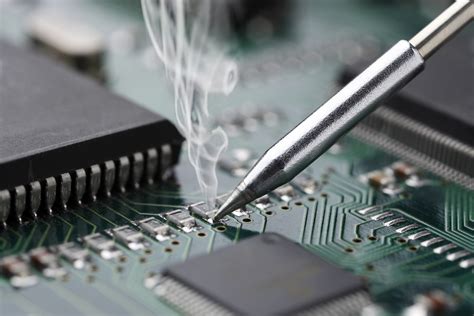
Technologies Transforming PCB Assembly Efficiency
The landscape of PCB assembly is undergoing a remarkable transformation due to the integration of advanced technologies. Automation is at the forefront, enabling manufacturers to implement streamlined processes that drastically reduce manual labor and human error. Automated Optical Inspection (AOI) systems enhance quality control by identifying defects in real-time, thereby ensuring that each PCBA meets rigorous standards before proceeding to the next production phase. The advent of robotics in PCB assembly has also revolutionized precision and speed, allowing for consistent placement of components with minimal deviation. Furthermore, the integration of Industry 4.0 principles—such as the Internet of Things (IoT) and big data analytics—facilitates smarter production lines that can anticipate bottlenecks and adjust operations dynamically. This shift not only improves efficiency but also contributes to a reduction in overall costs. Moreover, advancements in software tools for designing and managing assembly lines allow for enhanced collaboration among teams and more effective resource allocation. As these technologies continue to evolve, they promise not only to streamline processes but also to set a new standard for quality and efficiency in PCB assembly across the electronics industry.

Cost Reduction Strategies in Board PCB Assembly
Reducing costs in pcb assembly is vital for manufacturers striving to enhance their competitive edge in the electronics industry. One effective approach is optimizing the design for manufacturability (DFM), which involves creating designs that are easier and more cost-effective to produce. This includes minimizing the number of layers needed and selecting readily available components, thus reducing production complexities. Implementing automated testing during various stages of the pcba process can also significantly lower costs by catching defects early, preventing expensive rework or scrap later in the production cycle.
Utilizing advanced materials can lead to cost savings as well; choosing reliable yet economical materials helps maintain quality without inflating costs. Furthermore, fostering collaboration among suppliers can yield bulk purchasing benefits, translating into reduced material costs. Another strategy is embracing lean manufacturing principles, which focus on eliminating waste and optimizing resource utilization throughout the pcb assembly process. Incorporating training for workers on efficient assembly techniques ensures that teams are skilled in best practices, leading to a marked improvement in productivity while keeping labor costs manageable. By applying these strategic approaches, manufacturers can not only achieve substantial cost reductions but also improve overall effectiveness in their pcba operations.
Enhancing Production Timelines: Best Practices
In the realm of pcb assembly, achieving optimal production timelines is crucial for manufacturers striving to meet market demand and enhance competitiveness. To this end, several best practices can be employed in the pcba process. First, adopting automation can significantly streamline workflows by minimizing manual intervention and ensuring consistency, which can lead to faster turnaround times. Implementing a robust supply chain management system is equally essential; it ensures that components are available when needed, thereby reducing delays in production schedules. Additionally, conducting regular training sessions for employees promotes skill development and efficiency in handling pcb assembly tasks. Utilizing advanced technologies such as Machine Vision during inspection also enhances accuracy and reduces errors, allowing for quicker troubleshooting and less downtime. By focusing on these strategies, manufacturers can effectively enhance their production timelines while maintaining quality in their pcba operations. This holistic approach not only satisfies current market demands but also positions companies to adapt swiftly to future challenges in the electronics industry.
Case Studies in Efficient PCB Assembly Implementation
Implementing efficient PCB assembly processes has become crucial for manufacturers striving to stay competitive in the electronics industry. Various case studies shed light on successful PCBA transformations that underscore the importance of adopting innovative strategies. One notable example is a mid-sized electronics manufacturer that faced challenges with prolonged assembly times and high overhead costs. By integrating automation technologies, they significantly reduced manual labor and streamlined their PCB assembly line, leading to a 30% increase in production speed. This change not only enhanced their throughput but also lowered error rates during assembly, ultimately improving product reliability. Another case involved a startup that focused on rapid prototyping using advanced methodologies for PCBA development. By leveraging agile manufacturing techniques, they were able to cut down their production timelines by nearly half, thereby accelerating time-to-market for new products. These case studies highlight that investing in innovative technologies and methodologies can lead to remarkable improvements in efficiency, cost savings, and overall production timelines within the competitive landscape of board PCB assembly.
Future Trends in Board PCB Assembly and Manufacturing
As the demand for advanced electronics continues to rise, the future of board PCB assembly (or PCBA) holds exciting possibilities. One prominent trend is the integration of automation technologies into the pcb assembly process, which not only enhances precision but also significantly reduces human error. The development of smart factories employing IoT (Internet of Things) devices allows for real-time monitoring and data analysis, enabling manufacturers to optimize production cycles and improve overall efficiency. Moreover, advancements in robotics are paving the way for more flexible manufacturing systems, capable of adapting to various production requirements with minimal downtime. Additionally, there is a growing emphasis on eco-friendly practices within PCB manufacturing; utilizing sustainable materials and methods reflects a commitment to social responsibility while meeting regulatory standards. As emerging technologies such as artificial intelligence and machine learning are increasingly applied to analytics in pcba, manufacturers can anticipate fluctuations in demand and adjust their operations proactively. Consequently, these innovations not only represent a shift towards greater operational effectiveness but also set the stage for a more agile and responsive electronics industry, making future pcb assembly processes more robust and aligned with market needs.

Conclusion
In summary, optimizing pcb assembly processes is essential for manufacturers aiming to stay competitive in the rapidly evolving electronics landscape. The application of innovative techniques not only enhances the efficiency of pcba but also significantly reduces costs and improves production timelines. By adopting best practices and integrating advanced technologies, manufacturers can overcome key challenges often associated with traditional pcb assembly methods. Additionally, real-world case studies demonstrate how successful implementation of these strategies leads to tangible improvements in operational performance. Looking ahead, embracing future trends in board PCB assembly is vital for sustained growth and innovation in the industry, ensuring that companies can meet increasingly demanding market needs while maintaining high-quality manufacturing standards.
FAQs
What is PCB assembly?
PCB assembly, or PCBA, refers to the process of soldering electronic components onto a printed circuit board (PCB) to create a functional assembly. This process is critical in the electronics industry as it transforms a basic board into a complete electronic product.
What are the key challenges in PCB assembly?
Some key challenges in PCB assembly include managing complex designs, ensuring component compatibility, maintaining quality control, and navigating supply chain disruptions. Addressing these challenges is essential for enhancing overall efficiency.
How can manufacturers streamline their PCB assembly processes?
Manufacturers can streamline their PCBA processes by adopting lean manufacturing principles, automating tasks where possible, utilizing advanced technologies such as robotic soldering, and improving workforce training. These efforts collectively contribute to reducing production times and minimizing costs.
What technologies are transforming PCB assembly efficiency?
Innovative technologies like machine learning for quality inspection, automated pick-and-place machines for precise component placement, and IoT solutions for real-time monitoring are significantly enhancing the efficiency of pcb assembly processes.
Why is cost reduction important in PCB assembly?
Reducing costs in PCB assembly allows manufacturers to maintain competitive pricing while improving profit margins. Strategies might include optimizing materials usage, enhancing labor productivity, or switching to more cost-effective components without compromising quality.
For further information about optimizing your PCB Assembly processes, please click here: Andwin PCB Assembly.