
Innovations in Contract Electronic Assembly Solutions for Businesses
Key Takeaways
The landscape of contract electronic assembly has undergone significant transformation due to advancements in technology and evolving business needs. At the heart of this evolution lies pcb assembly techniques that not only enhance production efficiency but also improve the overall quality of the final product. Companies engaging in pcba processes can leverage automation and innovative machinery to streamline tasks that were once labor-intensive, allowing for quicker turnaround times and reduced error rates. Furthermore, customization has become increasingly important as businesses seek to provide tailored solutions that cater to specific market demands. In this context, flexibility in assembly processes is crucial; it empowers manufacturers to adapt quickly to changes in client requirements or technological developments. Finally, robust quality control measures ensure that each electronic component meets high standards, minimizing defects and reinforcing client trust. Collectively, these factors highlight the key trends shaping the future of contract electronic assembly, making it essential for businesses to stay informed about emerging technologies and methodologies in this dynamic sector.
Understanding Contract Electronic Assembly: An Overview
In today’s fast-paced electronics industry, contract electronic assembly plays a pivotal role in facilitating the production of high-quality electronic devices. Companies often outsource their manufacturing needs to specialized providers who offer PCB assembly services, allowing businesses to focus on core competencies while benefiting from economies of scale. This partnership not only accelerates time-to-market but also enhances innovation by integrating advanced technologies in the assembly process. With the rise of PCBA—or Printed Circuit Board Assembly—businesses can leverage cutting-edge techniques such as selective soldering and surface-mount technology, which ensure precision and reliability in their products. As companies seek to adapt to fluctuating market demands, understanding the intricacies of contract electronic assembly becomes crucial. Organizations that harness these innovative solutions can minimize operational costs and mitigate risks associated with production while ensuring that they maintain high standards of quality and compliance across their supply chain. Ultimately, a strategic approach to contract electronic assembly not only streamlines manufacturing processes but also provides a competitive edge in an ever-evolving electronics landscape.
Key Technologies Driving Innovations in Electronic Assembly
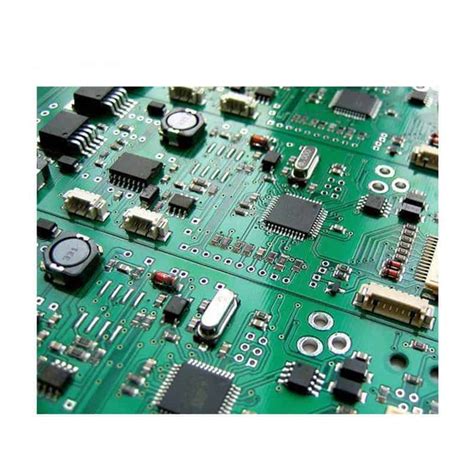
The field of contract electronic assembly continues to evolve dramatically, influenced by emerging technologies that streamline processes and enhance productivity. One of the most significant advancements is in pcb assembly (PCBA) automation. Automated processes reduce human error and increase production rates, allowing companies to focus on quality and innovation. Moreover, advancements in surface mount technology (SMT) have revolutionized the way components are placed on pcba boards, enabling more intricate designs with greater precision.
Another crucial component driving innovation is the integration of artificial intelligence (AI) in manufacturing processes. AI tools optimize assembly lines by predicting equipment failures, thereby minimizing downtime. This leads to more efficient workflows, allowing businesses to meet escalating demand without compromising quality.
Here is a table summarizing key technologies influencing contract electronic assembly:
| Technology | Description | Benefits |
|---|---|---|
| Automation | Use of machines to perform tasks traditionally done by humans | Increased efficiency and reduced errors |
| Surface Mount Technology (SMT) | Allows for higher component density on boards | Compact designs and enhanced performance |
| Artificial Intelligence | Algorithms that optimize production parameters | Predictive maintenance and cost savings |
“The future of electronic assembly lies in embracing technology that not only streamlines operations but also contributes to sustainability.”
These technological innovations fundamentally change how businesses approach manufacturing, enabling them to produce high-quality products while adhering to tighter timelines. As the landscape of electronics manufacturing evolves, staying updated with these technological advancements will be crucial for companies aiming for longevity and competitiveness in the market.
Streamlining Processes: Automation in Contract Electronic Assembly
In the landscape of contract electronic assembly, the advent of automation technologies has revolutionized how businesses approach their pcb assembly and production processes. By integrating advanced automation systems, companies are now able to enhance their operational efficiency while significantly reducing human error in assembly lines. Automated solutions, such as robotic arms and smart sensors, enable precise handling of components during the pcba (Printed Circuit Board Assembly), thereby ensuring consistency in production quality. Furthermore, these technologies facilitate real-time monitoring of processes, allowing for immediate adjustments to be made if discrepancies are detected. This agile response capability not only boosts productivity but also minimizes downtime associated with manual inspections and adjustments.
Additionally, automation can streamline the supply chain logistics involved in contract electronic assembly, allowing for a quicker turnaround from component procurement to final assembly. Business units can now achieve higher throughput rates without compromising on quality due to the meticulousness of automated systems. As such, it is clear that adopting automation in electronic assembly processes is a strategic move that aligns with current market demands and technological advancements, ultimately leading to improved profitability and customer satisfaction for businesses involved in the electronics sector.
Cost Reduction Strategies for Businesses in Electronics Manufacturing
In the competitive landscape of electronics manufacturing, businesses are increasingly adopting cost reduction strategies that leverage advances in contract electronic assembly. One significant approach is the integration of automation technologies throughout the pcb assembly process. Automated systems not only enhance speed and efficiency but also minimize human error, leading to considerable savings. Moreover, choosing a reliable partner for pcba services can also yield significant cost benefits. By outsourcing certain aspects of production, companies can reduce overhead costs associated with labor, material waste, and equipment maintenance. Another effective strategy is the use of advanced materials that provide better performance at a lower cost. For instance, innovations in materials can yield lighter and more durable components that will ultimately lower shipping costs and improve the longevity of products. Increased collaboration between businesses and contract manufacturers enables tailored solutions that cater to specific needs while maintaining budget considerations. Ultimately, adopting these strategies not only aids in managing expenses but also positions companies to react swiftly to market demands in a constantly evolving industry landscape.
Customization and Flexibility: Meeting Diverse Business Needs
In today’s competitive market, businesses require contract electronic assembly services that offer customization and flexibility to address their specific needs. The rise of PCB assembly has made it possible for companies to tailor their products, ensuring that each project is designed to meet unique specifications. Whether it involves a small batch of custom-designed circuits or a large-scale PCBA production run, the ability to adapt and modify designs is essential for maintaining a competitive edge.
Innovative technologies in contract electronic assembly enable manufacturers to provide an array of services, from rapid prototyping to fully automated production lines. This adaptability allows businesses to scale their production quickly in response to market demands while minimizing downtime. Furthermore, advances in digitization and data analytics facilitate better decision-making processes, allowing for enhanced collaboration between clients and assembly service providers.
Additionally, the incorporation of advanced manufacturing processes ensures that challenges such as design errors or logistical setbacks can be efficiently addressed. By leveraging these innovative approaches, companies can maintain operational efficiency while also customizing their solutions according to client specifications. Ultimately, this emphasis on customization not only helps businesses achieve their individual goals but also drives the overall advancement of the contract electronic assembly industry as it evolves in step with technological progress.
The Role of Quality Control in Efficient Electronic Assembly Solutions
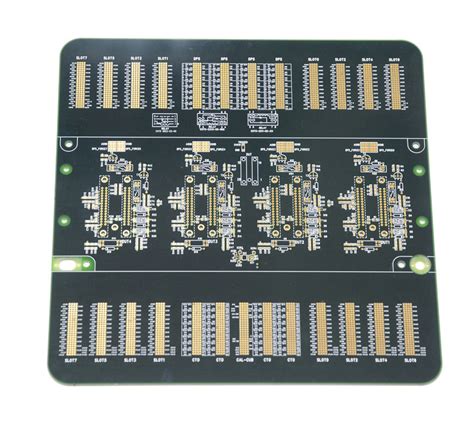
In the realm of contract electronic assembly, specifically in PCB assembly and PCBA processes, quality control serves as a critical backbone to ensure reliability and efficiency. Adequate quality control measures are essential not only for maintaining product integrity but also for streamlining the entire assembly process. By implementing rigorous testing protocols at various stages of production, businesses can identify potential faults early, thus minimizing waste and reducing overall costs. This proactive approach includes automated inspection systems that can detect anomalies with high precision, ensuring that each component meets strict performance standards before moving forward in the assembly line. Furthermore, robust quality control also enhances customer satisfaction by delivering products that consistently meet or exceed expectations. As industries increasingly demand high-quality and reliable products, the integration of innovative quality assurance techniques into pcb assembly processes will pave the way for more efficient electronic assembly solutions. Adopting these measures not only addresses immediate quality concerns but also supports long-term business growth by building trust with clients and stakeholders through consistent performance and adherence to industry standards.
Future Trends in Contract Electronic Assembly and Their Implications
As the electronics industry continues to evolve, contract electronic assembly (CEA) is witnessing transformative trends that are reshaping how businesses operate. One notable trend is the increasing integration of advanced technologies such as artificial intelligence and machine learning into the pcb assembly processes. These innovations facilitate real-time data analysis, allowing for enhanced monitoring of production quality and speed. Moreover, as businesses demand more customization, the ability to adapt jigs and tooling for varied production runs has become critical. Trends towards sustainability are also emerging, with companies striving to implement eco-friendly practices in their pcba processes. This shift includes finding ways to reduce waste and optimize energy use during assembly. Furthermore, collaborative technologies are making it easier for organizations to work closely with their assembly partners, ensuring that both parties can respond quickly to changing market dynamics and client specifications. As these trends continue to unfold, they underscore the importance of flexibility and innovation in maintaining a competitive edge within the contract electronic assembly landscape.
Case Studies: Successful Implementations of Innovative Assembly Solutions
In today’s competitive market, businesses are increasingly turning to contract electronic assembly services as a strategic move to enhance production efficiency and adaptability. Notable case studies illustrate how companies have successfully implemented innovative assembly solutions, particularly in pcb assembly and pcba processes. For instance, a leading medical device manufacturer adopted a flexible contract electronic assembly model that utilized advanced automation technologies. This implementation not only streamlined their production line but also significantly reduced lead times, demonstrating the power of innovation in meeting specific business demands.
Another exemplary case involved an automotive company that embraced modular design principles within its pcba workflow. By incorporating scalable assembly solutions, they were able to customize their products swiftly and respond effectively to market changes. These implementations highlight how cutting-edge technologies, such as robotics and AI-driven quality control, can significantly improve output quality while minimizing errors and costs.
Furthermore, these success stories serve as a testament to the importance of partnering with experienced providers who understand the nuances of diverse industry requirements. In leveraging innovations in automation and flexible manufacturing systems, businesses not only enhance their overall efficiency but also position themselves favorably in an ever-evolving electronics landscape. Through embracing these revolutionary approaches in contract electronic assembly, organizations can unlock new levels of operational excellence and achieve sustainable growth.
Conclusion
In conclusion, the landscape of contract electronic assembly is rapidly evolving, driven by innovative technologies that significantly enhance operational efficiency and address the varying demands of businesses. As companies increasingly rely on PCB assembly and PCBA services, it is crucial for them to stay informed about the latest advancements in assembly processes. The integration of automation in electronic assembly not only streamlines production but also minimizes human error while achieving superior quality control standards. Furthermore, businesses have recognized the importance of customization and flexibility to cater to specific client requirements. By embracing these innovations, organizations can reduce costs while delivering high-quality products that meet market demands effectively. As the industry progresses, businesses that adapt to these cutting-edge solutions will have a competitive edge in a landscape characterized by rapid technological change and consumer expectations.
FAQs
What is contract electronic assembly?
Contract electronic assembly (CEA) refers to outsourcing the manufacturing of electronic components, including pcb assembly and related services, to specialized companies. This approach allows businesses to focus on their core competencies while leveraging expert knowledge in the assembly process.
How does automation enhance contract electronic assembly?
Automation plays a critical role in enhancing efficiency within contract electronic assembly. By utilizing state-of-the-art machinery and software, companies can achieve higher precision in pcba, reduce production time, and minimize human error.
What cost reduction strategies are effective in electronics manufacturing?
To reduce costs in electronics manufacturing, businesses can implement strategies such as optimized logistics, bulk purchasing of components, and leveraging contract electronic assembly partners who have streamlined processes. These measures can lead to substantial savings over time.
How important is customization in electronic assembly?
Customization is essential in meeting diverse business needs. Many modern pcb assembly processes allow for tailored solutions that adapt to specific project requirements, ensuring flexibility and satisfaction with the outcome.
What role does quality control play in electronic assembly?
Quality control is vital for maintaining high standards during the pcba process. Implementing robust quality assurance protocols ensures that each assembled product meets industry standards and minimizes the risk of defects.
For further information and assistance with your pcb assembly projects, please click here: Andwin PCB Assembly.