
Optimizing Multi Board Assembly with Altium Design Tools
Key Takeaways
Optimizing multi board assembly is essential for ensuring that the complexities of modern pcb assembly processes are managed effectively. Altium Design Tools provide a robust framework that helps tackle the various challenges faced during pcba design and implementation. One of the primary takeaways is the importance of leveraging advanced design capabilities within Altium to facilitate seamless integration among multiple boards, ultimately leading to reduced time-to-market and increased product reliability. Implementing best practices, such as maintaining clear communication channels among team members and utilizing version control systems, can significantly enhance collaboration in the design process. Additionally, adopting a modular design approach can help streamline workflows by allowing designers to focus on individual components before integrating them into a comprehensive system. In summary, utilizing these strategies not only improves efficiency but also fosters innovation in design, encouraging teams to explore new possibilities for their projects while ensuring high-quality results are consistently achieved.
Introduction to Multi Board Assembly in Altium Design Tools
In today’s rapidly evolving electronics landscape, multi board assembly has become a crucial aspect of PCB design and production. The complexity inherent in multiboard systems necessitates effective integration and design coordination, which can be efficiently achieved using Altium Design Tools. These tools provide a streamlined approach to managing the intricacies of multiple PCB assemblies (PCBA), ensuring that engineers can tackle challenges such as component placement, signal integrity, and thermal management.
One of the significant advantages of employing Altium for multi board assembly is its ability to facilitate real-time collaboration among design teams. By allowing multiple design engineers to work simultaneously on interconnected boards, Altium enhances coordination and reduces the chances of errors that can occur when transitioning designs between different teams. The software also supports version control, ensuring that everyone is working with the most up-to-date schematics and layouts.
Furthermore, Altium’s powerful simulation capabilities enable designers to test various scenarios before finalizing their designs. This proactive approach not only saves time but also drastically reduces prototyping costs typically associated with pcb assembly processes. As a result, organizations can efficiently navigate the complexities of multi board projects while improving overall productivity.
In summary, leveraging Altium Design Tools for multi board assembly allows teams to enhance collaboration, optimize workflows, and ultimately achieve a higher level of precision in their PCB projects. The integration of these aspects underscores Altium’s role as a pivotal facilitator in modern electronic design.
Key Challenges in Multi Board Assembly and Their Solutions
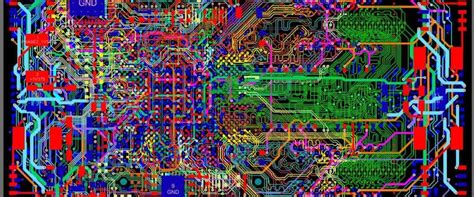
The process of multi board assembly (MBA) presents several key challenges that can impact the efficiency and effectiveness of a project. One significant issue is ensuring that all PCB assembly components are aligned with the specific requirements of each board within a system. Inconsistent specifications can lead to significant delays and costly errors during the PCBA process. Another challenge arises from the coordination among various teams involved in the design and assembly phases; miscommunication can result in discrepancies that complicate workflow and extend timelines.
To address these challenges, leveraging advanced design tools, such as those offered by Altium, can be highly beneficial. By utilizing features like real-time collaboration and version control, teams can enhance communication and ensure that everyone is on the same page throughout the design cycle. Additionally, implementing streamlined design processes through effective use of Altium’s capabilities helps minimize rework by facilitating early identification of potential design flaws.
“Effective communication is key to overcoming obstacles in multi board projects.”
By adopting best practices such as regular team meetings and utilizing centralized project management tools, companies can improve their approach to multi board assembly, ultimately leading to a more cohesive workflow. Furthermore, ensuring thorough documentation at every stage ensures that every stakeholder understands their responsibilities, further reducing misalignment as projects progress. In conclusion, while challenges in MBA are inevitable, proactive strategies combined with robust design tools like Altium can significantly mitigate issues while enhancing overall productivity within PCBA projects.
Streamlining Design Processes with Altium
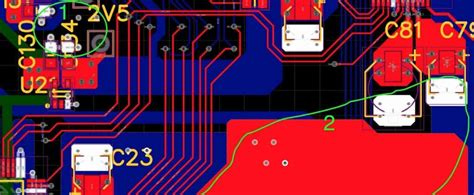
Effective multi board assembly (MBA) is a critical component of successful electronics design, necessitating robust methodologies that can streamline processes and enhance productivity. With Altium Design Tools, designers can leverage advanced features that significantly improve their pcb assembly workflows. For instance, the use of unified design environments allows teams to manage multiple pcba efficiently, minimizing the risk of errors associated with manual data handling across various platforms. Enhanced communication tools built into Altium facilitate real-time collaboration among design teams, ensuring that every member is aligned and can easily share updates on their progress. Additionally, implementing automated design rule checks within the Altium environment enables a faster identification of potential issues during the pcb assembly process, reducing the time spent on revisions. By adopting these strategies and utilizing Altium’s innovative solutions, teams can not only streamline their workflows but also achieve a higher level of precision in their designs, paving the way for more complex and successful projects in the realm of multi board assembly.
Enhancing Collaboration Among Design Teams
Effective collaboration among design teams is crucial for the success of multi board assembly projects, especially when utilizing Altium design tools. By leveraging these tools, teams can facilitate seamless communication and sharing of information, which is vital when multiple teams are working concurrently on complex designs. One strategy to enhance collaboration is the implementation of centralized project repositories, where all relevant files and documentation can be accessed in real-time. This ensures that every team member stays updated on any changes made to the pcb assembly files, minimizing confusion and miscommunication.
Furthermore, regular virtual meetings can be organized to discuss project milestones and challenges faced during the design process. These meetings serve as a platform for team members to share insights and propose solutions, thereby fostering a collaborative environment. Utilizing features such as design reviews within Altium allows teams to comment directly on designs, providing immediate feedback without the need for extensive emails or documentation.
Moreover, integrating pcba simulation tools within Altium can further enhance collaboration by allowing design teams to visualize how different components interact in real-time. This capability not only improves understanding among team members but also helps identify potential issues early in the development process. As a result, adopting these practices within multi board assembly projects can lead to more efficient workflows and ultimately contribute to higher quality outcomes in electronic design.
Best Practices for Effective Multi Board Assembly
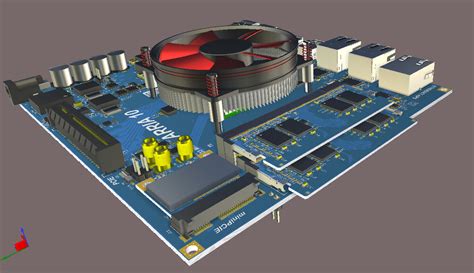
When it comes to multi board assembly, adopting best practices is crucial for ensuring a smooth and efficient workflow. First and foremost, it’s essential to foster an environment of clear communication within the design teams. This collaboration can significantly reduce errors, as team members can easily share insights and address potential issues early in the process. Utilizing Altium design tools effectively allows teams to visualize the entire pcb assembly process, which is key for identifying gaps or overlaps in design early on.
Moreover, employing standardized components can streamline the pcba process. By creating a library of commonly used parts, designers can save time and minimize inconsistencies across different boards. This approach not only enhances efficiency but also facilitates easier modifications or troubleshooting down the line.
It’s also beneficial to invest time in thorough planning before diving into design work. Outlining project requirements and establishing clear timelines can help keep everyone aligned and focused on project goals. Finally, regular reviews of the assembly process help identify bottlenecks or areas that could be improved, ensuring that each project builds upon the successes and lessons learned from previous endeavors. By implementing these best practices, teams can significantly enhance their multi board assembly efforts using Altium design tools.
Case Studies: Successful Implementations of Altium Tools
The integration of Altium Design Tools for multi board assembly has yielded significant benefits in various industries, illustrating its impact on enhancing the pcb assembly process. One notable case involved a leading electronics manufacturer that faced the challenge of coordinating multiple PCBA projects simultaneously. By utilizing Altium’s collaborative features, the team was able to standardize design protocols, which facilitated real-time updates and feedback among team members. Additionally, leveraging Altium’s advanced simulation capabilities allowed the engineers to identify potential issues early in the design phase, reducing costly reworks during manufacturing.
Another impressive implementation came from a healthcare technology firm that incorporated Altium Design Tools into its workflow for developing complex medical devices. The firm noted a remarkable improvement in efficiency; by employing Altium’s integrated tools for component management and design reuse, they decreased time-to-market by 30%. The seamless integration allowed for easier adjustments in component layout during the pcb assembly, ultimately resulting in superior performance and compliance with stringent industry standards.
These case studies underscore how strategic use of Altium Design Tools not only streamlines processes but also fosters an environment of collaboration that is crucial for navigating the complexities inherent in multi board projects. The adaptability and efficiency gained through these implementations demonstrate why Altium remains a preferred choice for organizations aiming to optimize their pcba workflows.
Future Trends in Multi Board Assembly Design
As technology continues to advance, the future trends in multi board assembly (MBA) design are evolving to meet the demands of increasingly complex projects. One significant trend is the integration of automation and artificial intelligence into the pcb assembly processes. This shift not only speeds up the design and production cycles but also enhances accuracy, reducing human errors associated with traditional methods. Moreover, there is a growing emphasis on the use of flexible PCBs, which allow for more compact and lightweight designs, catering to modern electronics’ miniaturization trends. With rising demands for sustainability, designers are also exploring eco-friendly materials and processes within pcba to minimize waste and energy consumption during production. Additionally, collaborative platforms are being adopted to improve communication among design teams, ensuring that all members can work together seamlessly on complex projects. This integration fosters a more agile workflow where changes can be implemented quickly without disrupting the overall assembly process. Ultimately, embracing these trends will not only enhance efficiency but also drive innovation in the multi board assembly landscape.
Conclusion: Achieving Efficiency with Altium Design Tools
In the realm of multi board assembly, using Altium Design Tools can significantly enhance the efficiency of the pcb assembly process. By leveraging these powerful tools, design engineers can create more sophisticated and interconnected systems that optimize performance while minimizing errors. The integration capabilities offered by Altium afford teams the ability to collaborate seamlessly, ensuring that each component of the pcba works harmoniously with others. Moreover, adopting best practices such as regular design reviews and utilizing simulation features not only streamlines the design process but also reduces time-to-market. Ultimately, by focusing on a collaborative approach within Altium’s framework, organizations can boost productivity and effectiveness in their assembly operations. As projects become increasingly complex, embracing these strategies will be crucial for staying ahead in a competitive landscape.
Conclusion: Achieving Efficiency with Altium Design Tools
In the realm of pcb assembly, the effective use of Altium design tools can significantly enhance the workflow of multi board assembly projects. By implementing best practices and leveraging the powerful features available within these tools, design teams can navigate common challenges associated with pcba. This process not only streamlines design but also fosters better communication among team members, creating a more collaborative environment. As aspects like error tracking and version control are enhanced, teams can devote more time to critical creative problem-solving rather than getting bogged down in administrative details. Furthermore, adopting these strategies ensures that complex projects are executed with improved precision and efficiency, ultimately leading to successful outcomes. The pursuit of efficiency in multi board assembly is not just about technology; it is about embracing an integrated approach that combines innovative design practices with robust tools like Altium. In doing so, organizations position themselves for sustained success in an ever-evolving landscape.Both novice and experienced designers will find that employing optimized workflows will yield significant improvements in productivity and project turnaround times.
FAQs
What is multi board assembly in the context of PCB design?
Multi board assembly refers to the process of assembling multiple printed circuit boards (PCBs) into a single unit or system. This approach is common in complex electronic devices where various boards serve distinct functions yet need to work seamlessly together.
How can Altium design tools improve the PCB assembly process?
Altium design tools offer an integrated platform that enhances the PCB assembly workflow through advanced design capabilities, real-time collaboration features, and automated processes. These tools facilitate smoother communication among design teams, allowing for quicker iterations and reducing errors during the assembly phase.
What are common challenges faced in multi board assembly?
Challenges include managing complex interconnections between boards, ensuring signal integrity, and coordinating timelines among different teams. Additionally, variations in components across boards can lead to compatibility issues during the PCB assembly process.
How does effective collaboration impact multi board assembly?
Effective collaboration improves decision-making and accelerates problem-solving by enabling team members to share insights and updates easily. This synergy is crucial for managing interdependencies between various PCBs, leading to a more efficient pcb assembly process.
What best practices should be followed for successful multi board assembly?
Best practices include thorough planning of the layout for inter-board connections, maintaining clear documentation of each board’s specifications, and utilizing simulation tools to preemptively identify potential issues. Regular check-ins among team members can also enhance communication surrounding the pcba process.