
Efficient Board PCB Assembly Techniques for Enhanced Performance

Key Takeaways
In the realm of pcb assembly, mastering advanced techniques is essential for driving efficiency and reliability. The integration of innovative practices into the pcba process not only optimizes manufacturing workflows but also enhances overall performance. A crucial aspect involves the adoption of automated solutions, which streamline procedures and minimize human error, fostering a more consistent output. Additionally, utilizing innovative materials can significantly impact the durability and robustness of PCBs, proving vital in today’s demanding applications. Quality control measures must remain a top priority, ensuring that each assembly meets rigorous standards before reaching the market. As trends continue to evolve within the industry, staying informed and adaptable is key to maintaining excellence in electronic manufacturing processes. The future of pcb assembly lies in embracing these transformative techniques to achieve superior results and drive technological advancement forward.
Introduction to PCB Assembly Techniques
In the realm of electronics manufacturing, PCB assembly (or PCBA) serves as a cornerstone for building reliable electronic devices. The nuances of board PCB assembly are essential in ensuring that electronic components are integrated smoothly and effectively onto printed circuit boards. The process encompasses various stages, beginning with precise design and layout, followed by component placement and soldering techniques. Among the most pivotal considerations are the assembly techniques employed, as they directly influence both the performance and reliability of the final product. For instance, methods like surface mount technology (SMT) allow for smaller and more efficient designs, while through-hole techniques provide added durability in certain applications. An understanding of these techniques not only optimizes the presence of electronic components but also mitigates common issues such as heat management and signal integrity. Moreover, advancements in technology, including automated assembly lines and sophisticated soldering processes, continue to revolutionize how PCBA is approached in modern manufacturing environments. Ultimately, a comprehensive grasp of these foundational principles can lead to enhanced product performance and longer-lived electronic devices through effective PCB assembly practices.
Key Factors Influencing PCB Performance
The performance of PCB assembly is influenced by several crucial factors that can significantly affect the overall reliability and efficiency of electronic devices. First and foremost, the design of the PCB plays a pivotal role; intricate layouts and optimal trace widths can enhance signal integrity and reduce electromagnetic interference. Next, the choice of components used in the pcba is critical. Selecting high-quality, compatible components ensures that the functionality is maximized while minimizing potential failures. Additionally, soldering techniques, whether manual or automated, impact connection strength and longevity; proper temperature control during soldering is essential to avoid damage to sensitive components.
Another key aspect is the environmental conditions during assembly. Factors such as humidity, temperature, and contamination can adversely affect solder joints and overall performance. As such, maintaining a controlled environment in manufacturing settings can yield better quality pcb assemblies. Moreover, adopting innovative assembly techniques—such as surface mount technology (SMT) or through-hole technology (THT)—can streamline the assembly process while supporting high-density designs.
“Investing in high-performance materials not only increases the reliability of pcba but also paves the way for future advancements.”
In this context, utilizing advanced materials such as low-loss dielectrics enhances performance characteristics significantly. Ultimately, understanding these factors contributes to creating more efficient PCB assemblies, enhancing performance across a variety of applications in modern electronics.
Advanced Assembly Techniques for Enhanced Efficiency
In the ever-evolving landscape of PCB assembly, the quest for efficiency and performance remains a top priority. Advanced techniques have emerged that not only streamline PCBA processes but also significantly enhance the overall output quality. One prominent method is the integration of automated assembly systems. These systems utilize robotics and precision machinery to minimize human error and optimize throughput, enabling a faster transition from design to completed board. Furthermore, implementing surface mount technology (SMT) allows for denser component placement, reducing board size while improving signal integrity.
Another critical aspect influencing the efficiency of pcb assembly is the strategic layout of components. Properly arranging components can lead to reduced signal paths, thereby enhancing data transmission speed and lowering power consumption. The use of intelligent software tools for layout design assists engineers in identifying optimal placements and reducing complexity.
In addition, the adoption of innovative soldering techniques, such as selective soldering and reflow soldering, ensures more reliable connections with less thermal stress on components. This not only extends the lifespan of electronic units but also minimizes defects related to thermal damage.
The table below summarizes some key advanced techniques in every PCBA process:
| Technique | Benefit |
|---|---|
| Automated Assembly Systems | Improved speed and accuracy |
| Surface Mount Technology | Smaller boards with better performance |
| Strategic Component Layout | Enhanced signal integrity |
| Innovative Soldering Techniques | Increased reliability |
By embracing these advanced assembly techniques, manufacturers can achieve significant improvements in their PCB production efficiency, setting a strong foundation for achieving enhanced product performance in today’s competitive market.
Innovative Materials and Their Impact on PCB Reliability
The reliability of PCB assembly (PCBA) is significantly influenced by the materials chosen during the manufacturing process. Cutting-edge materials, such as high-frequency laminates, flexible substrates, and low-loss dielectrics, offer substantial improvements in performance and durability. These innovative materials not only enhance the thermal management of the PCB assembly, allowing for better heat dissipation, but they also improve signal integrity by minimizing signal loss and cross-talk. The use of advanced adhesives can further bolster mechanical strength while accommodating various thermal expansions during operation. Additionally, surface treatments such as conformal coatings provide protective barriers against moisture and contaminants, ultimately increasing the lifespan and reliability of the assemblies. By integrating these modern materials into the PCBA process, manufacturers can achieve higher standards of quality and reliability, making it an essential factor in the ongoing quest for enhanced electronic performance. As technology continues to evolve, embracing these innovative solutions will be crucial for companies aiming to stay competitive in an ever-advancing market.
Automated Solutions in PCB Assembly Processes
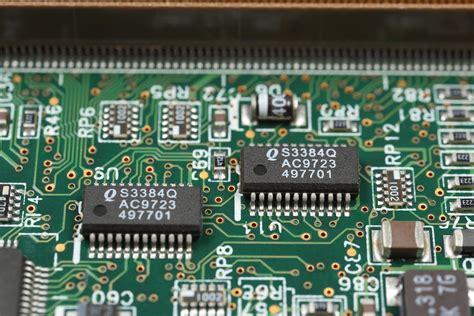
The integration of automated solutions in PCB assembly processes has revolutionized the electronic manufacturing landscape. These systems utilize advanced robotics and AI-driven algorithms to enhance the speed and precision of PCBA operations. For instance, automated pick-and-place machines can efficiently position components on circuit boards with a level of accuracy that surpasses manual assembly. This not only reduces the chances of human error but also significantly increases production throughput, enabling manufacturers to meet high-demand scenarios with ease. Moreover, automation facilitates real-time monitoring and data collection, which aids in early detection of defects and process inefficiencies. This proactive approach ensures that the quality of each PCB assembly is maintained throughout the manufacturing cycle, thereby enhancing overall reliability. As industries continue to adopt these cutting-edge technologies, the future of PCB assembly optimization looks increasingly promising, with automation playing a pivotal role in driving performance improvements and streamlining operations across various sectors.
Best Practices for Quality Control in PCB Manufacturing
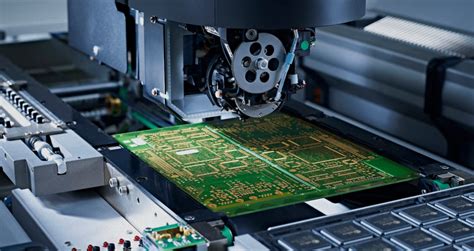
In the realm of PCB assembly, maintaining a high standard of quality control is paramount for ensuring the reliability and functionality of circuits. Implementing robust quality control measures involves several critical practices. Firstly, thorough incoming material inspection helps to identify any defects in the components before they are integrated into the PCBA process. This preemptive step minimizes errors and maximizes performance later on. Additionally, implementing automated inspection systems, such as automated optical inspection (AOI), enhances the ability to detect discrepancies during assembly, further ensuring that any potential issues are addressed promptly. Furthermore, establishing a comprehensive set of testing protocols, including functional testing and in-circuit testing, allows manufacturers to verify that each board meets stringent performance specifications before leaving the production line. Adopting standardized processes and adhering to industry certifications can also solidify quality benchmarks. By focusing on these best practices within quality control, manufacturers can significantly elevate the reliability and effectiveness of their pcb assembly, paving the way for superior product performance in various applications.
Future Trends in PCB Assembly Optimization
As the electronics industry continues to evolve, the future of PCB assembly (PCBA) optimization is poised for significant advancements. One of the most compelling trends is the integration of smart technologies, such as IoT and AI, within PCB assembly processes. These technologies enable real-time monitoring and data analysis, which not only enhances efficiency but also ensures that defects are minimized. Moreover, with the growing demand for miniaturization in electronic devices, there is a heightened focus on utilizing advanced materials that can improve performance while reducing size.
Additionally, sustainable practices are becoming paramount in pcb assembly. The industry is increasingly adopting green materials and processes that minimize waste and increase energy efficiency. Automation also plays a crucial role; robotic arms and advanced machinery streamline production workflows, making them faster and more reliable. As designers strive for high-density interconnections (HDI), innovative techniques such as laser direct imaging (LDI) are emerging as game-changers in ensuring precise layer alignment and reducing manufacturing costs.
Furthermore, collaborative robotics—known as cobots—are enhancing the human-robot interaction during pcba assembly operations. These trends indicate a dynamic shift in how pcb assembly will be conducted, ultimately leading to more robust and reliable electronic products suitable for various applications across industry sectors. The commitment to constant innovation ensures that the future of PCB assembly remains not just efficient but also adaptable to ever-changing market demands.
Conclusion: The Path Forward for PCB Assembly Excellence
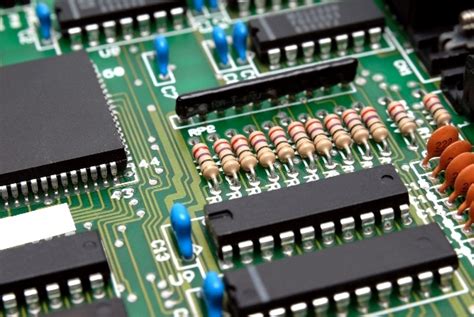
In the rapidly evolving field of pcb assembly, it is essential to embrace innovative techniques and practices that drive efficiency and performance. As manufacturers focus on the challenges posed by increasing complexity in electronic devices, adopting advanced pcba methods becomes paramount. Enhanced automation, for instance, allows for streamlined processes that minimize human error and improve throughput significantly. Furthermore, the introduction of innovative materials not only boosts the mechanical reliability of PCBs but also contributes to better thermal management, which is critical in high-performance applications. Ensuring rigorous quality control measures throughout the manufacturing process remains a cornerstone for achieving excellence in PCB assembly. As we look toward the future, stakeholders must remain vigilant about emerging trends that promise to further optimize pcb assembly. The commitment to continuous improvement in techniques and technology will surely shape a more reliable and efficient landscape in electronic manufacturing, paving the way for groundbreaking advancements that meet the demands of tomorrow’s consumers.
Conclusion: The Path Forward for PCB Assembly Excellence
In the ever-evolving field of PCB assembly, staying ahead requires embracing innovative strategies and technologies that not only streamline production but also ensure high performance and reliability. As we move toward a future defined by rapid technological advancements, the integration of advanced assembly techniques will play a pivotal role in enhancing the efficiency of PCBA processes. By prioritizing the use of cutting-edge materials and automated solutions, manufacturers can significantly reduce production times while maintaining stringent quality standards. Furthermore, implementing best practices in quality control is essential for achieving optimal performance in every pcb assembly project. Collectively, these measures will pave the way for outstanding reliability and sustainability within electronic manufacturing, ultimately leading to improved customer satisfaction and competitive advantage in the marketplace. The journey towards PCB assembly excellence is not just about adapting to trends; it involves proactively shaping the future through innovation and commitment to quality.
FAQs
What is PCB assembly?
PCB assembly, commonly referred to as PCBA, is the process of designing and manufacturing printed circuit boards with components mounted onto them to create fully functioning electronic assemblies.
What techniques enhance the efficiency of PCB assembly?
To enhance efficiency in pcb assembly, techniques such as surface mount technology (SMT), automated soldering processes, and the use of advanced pick-and-place machines are commonly employed.
How does material choice affect PCB reliability?
Selecting the right materials in pcba significantly impacts reliability; materials that withstand environmental stressors and facilitate better heat dissipation are crucial for ensuring longevity and performance.
What role does automation play in PCB assembly processes?
Automation plays a vital role by reducing manual errors, speeding up production times, and improving consistency, all of which are essential for achieving high-quality pcb assembly outcomes.
What are best practices for quality control in PCB manufacturing?
Best practices include implementing thorough inspection phases, using automated optical inspection (AOI) systems, and establishing strict quality guidelines to ensure each pcba meets industry standards.