
Top Circuit Card Assembly Manufacturers in the Industry
Key Takeaways
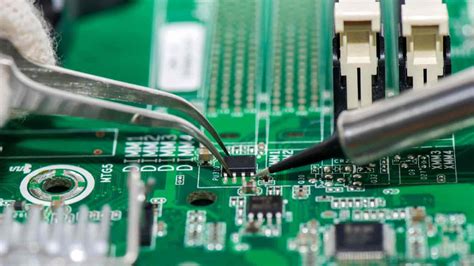
As the landscape of electronics continues to evolve, circuit card assembly manufacturers play a pivotal role in the efficiency and performance of numerous devices. The pcb assembly process is essential for integrating various electronic components onto a single substrate, enabling the creation of compact and high-performance products. Leading pcba companies are not only focused on scalability but also on introducing innovative technologies that enhance the quality and reliability of their assemblies. These manufacturers adhere to strict quality standards and certifications, ensuring that their processes meet industry regulations. Furthermore, they are instrumental in driving advancements in supply chain management, which significantly contributes to the overall productivity of electronics manufacturing. By leveraging automation and adopting best practices, top players in the circuit card assembly market are positioning themselves at the forefront of technology, ready to meet future demands for faster production times and increased customization options. This alignment with technological trends not only boosts their competitive advantage but also fosters sustainable growth within the industry.
Introduction to Circuit Card Assembly Manufacturing
Circuit card assembly, often referred to as PCBA (Printed Circuit Board Assembly), is a crucial process within the electronics manufacturing sector. It involves the assembly of electronic components onto a printed circuit board (PCB) to create functional electronic devices. The significance of pcb assembly cannot be overstated, as it serves as the foundation for virtually all electronic products, from consumer gadgets to industrial machinery.
In an industry marked by rapid innovation and technological advancements, circuit card assembly manufacturers are continually evolving their processes to enhance efficiency and precision. These manufacturers utilize advanced techniques such as surface mount technology (SMT) and through-hole technology, ensuring that each PCBA meets stringent performance specifications and customer requirements.
A closer look at the market reveals a diverse array of companies specializing in pcb assembly services. Here’s a table highlighting some key players in this sector:
| Company Name | Location | Specialization |
|---|---|---|
| Manufacturer A | USA | High-volume PCBAs |
| Manufacturer B | Germany | Customized PCB solutions |
| Manufacturer C | Japan | Precision electronics |
| Manufacturer D | China | Low-cost manufacturing |
The capacity of these companies to innovate is matched by their commitment to quality assurance. Most leading manufacturers are compliant with internationally recognized quality standards, such as ISO 9001 and IPC-A-610, ensuring that their PCBA processes adhere to global best practices.
In summary, the advancements in circuit card assembly manufacturing play a pivotal role in shaping the future of electronics, driving both efficiency and excellence across various applications. The fusion of innovative techniques with rigorous quality standards positions these manufacturers at the forefront of the electronics industry.
Key Players in the Circuit Card Assembly Market
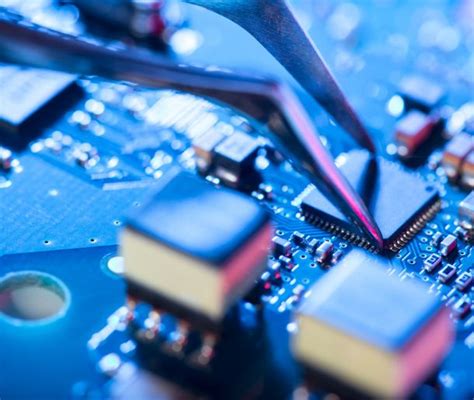
Within the circuit card assembly (CCA) market, several key manufacturers stand out for their contributions to pcb assembly and their innovations in pcba technology. These industry leaders are not only defined by their extensive experience but also by their commitment to quality and sustainability. Companies like Jabil, Flex, and Sanmina have established themselves as front-runners through their exceptional production capabilities, advanced technological processes, and adherence to the highest industry standards. They employ state-of-the-art methods in pcb assembly, ensuring that every component meets stringent performance requirements. The strategies implemented by these manufacturers also focus on reducing waste and boosting operational efficiency, setting benchmarks for best practices in the industry. Their ability to remain agile in a rapidly evolving market reflects a deep understanding of customer needs and technological advancements. As these key players continue to innovate, they are not just shaping the future of pcba, but also driving the overall success of the electronic manufacturing services sector.
Innovations in Circuit Card Assembly Technology
The landscape of pcb assembly is continuously evolving, driven by a need for greater efficiency and reliability. Leading pcba manufacturers are adopting cutting-edge technologies that enhance the precision and speed of circuit card production. Among these innovations, the integration of automation plays a pivotal role; advanced robotics and AI-driven processes allow for rapid assembly with minimal human intervention. This not only reduces production time but also mitigates the risk of errors associated with manual handling.
Furthermore, the advent of 3D printing in pcb assembly has revolutionized prototyping and small-scale production. By leveraging this technology, manufacturers can create complex geometric structures that traditional methods struggle to achieve, thereby pushing the boundaries of design capabilities. The implementation of flexible circuit boards also exemplifies innovation, offering enhanced performance in constrained spaces while meeting modern electronic demands.
“Staying at the forefront of technology is paramount for manufacturers to remain competitive in the rapidly evolving electronics industry.”
Additionally, advancements in materials science are leading to improved thermal management and electrical performance within pcba products. The focus on sustainability has prompted many companies to explore eco-friendly materials that not only support energy efficiency but also contribute to reduced environmental impact. In this dynamic sector, manufacturers that prioritize innovation are those paving the way for superior quality and functionality in circuit card assembly solutions.
Quality Standards and Certifications in the Industry
In the realm of pcb assembly and the production of printed circuit boards, adherence to rigorous quality standards and obtaining relevant certifications are paramount for manufacturers. The industry is governed by various international standards such as ISO 9001, IPC-A-600, and IPC-A-610, which set comprehensive requirements relating to product quality, reliability, and performance. These certifications not only ensure that pcba processes meet established benchmarks but also instill confidence in customers regarding the durability and functionality of their electronic products. Leading circuit card assembly manufacturers invest significantly in quality management systems that encompass robust inspection processes throughout the production cycle. Such practices involve meticulous testing procedures for materials and components to mitigate defects and enhance operational efficiency. Furthermore, certified companies are often engaged in continuous improvement initiatives that leverage emerging technologies to streamline production while maintaining or elevating their quality metrics. The commitment to quality standards serves as a cornerstone for sustained growth within this highly competitive market segment, positioning manufacturers as trustworthy partners in delivering reliable electronic solutions.
Contributions of Circuit Card Assembly Manufacturers to Electronics
The contributions of circuit card assembly manufacturers to the electronics industry are significant and multifaceted. These manufacturers specialize in pcb assembly, producing high-quality printed circuit boards that are crucial for the operation of a myriad of electronic devices. Their expertise in pcba (printed circuit board assembly) ensures that electronic components are efficiently integrated, leading to enhanced performance and reliability. By employing advanced manufacturing techniques, these companies contribute to the development of smaller, lighter, and more efficient electronic products, fostering innovation across various sectors from consumer electronics to automotive technologies. Furthermore, their commitment to rigorous quality standards and certifications not only boosts consumer confidence but also strengthens supply chain dynamics within the industry. As a result, circuit card assembly manufacturers play an essential role in advancing technological capabilities while driving economic growth through excellence in circuit card solutions.
Driving Efficiency: Best Practices in Circuit Card Solutions
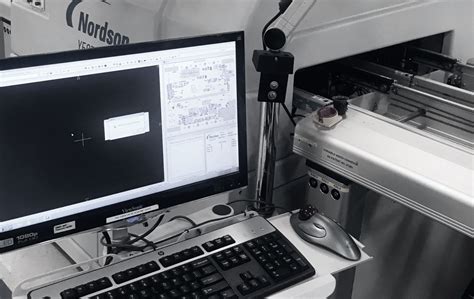
In the fast-paced world of circuit card assembly (CCA), efficiency is paramount for meeting the growing demands of the electronics industry. One of the best practices to drive efficiency in pcb assembly is to implement streamlined workflows that reduce waste and minimize production time. This can often be achieved through the integration of advanced automation technologies, which enhance precision while lowering labor costs. Furthermore, embracing Lean Manufacturing principles allows manufacturers to continuously identify and eliminate inefficiencies in their processes, ensuring optimal usage of resources. Adopting a robust supply chain management strategy is also critical; strong relationships with suppliers can ensure timely availability of materials, reducing delays that can lead to inefficiencies. Equally important are the quality control measures in place during the pcba process. Employing rigorous testing protocols ensures that defects are caught early, thereby reducing rework and improving overall output quality. Lastly, investing in employee training enhances skills relevant to modern circuit card solutions, promoting a culture of excellence and accountability. By focusing on these best practices, manufacturers can drive greater efficiency and deliver high-quality pcb assembly solutions that meet the dynamic needs of their clients.
Future Trends in Circuit Card Assembly Manufacturing
As the electronics industry continues to evolve, the landscape of circuit card assembly (often referred to as PCBA) is also undergoing significant transformations. One of the most notable trends is the increasing demand for miniaturized and high-density assemblies, driven by advancements in technology and consumer preferences for smaller, more efficient devices. This shift has prompted circuit card assembly manufacturers to innovate continually, embracing state-of-the-art techniques like surface mount technology (SMT) and advanced soldering processes that enhance reliability while reducing size.
Moreover, there is a heightened focus on smart manufacturing practices. Manufacturers are leveraging automation and data analytics to streamline operations and improve quality control in pcb assembly processes. These technologies not only boost productivity but also ensure that quality standards are met consistently, which is critical in meeting the stringent requirements of various industries including automotive, telecommunications, and medical devices.
Sustainability is another key driver shaping future trends in the pcb assembly field. As environmental concerns rise, manufacturers are increasingly adopting eco-friendly practices such as minimizing waste and utilizing recyclable materials in their production processes. These steps not only cater to regulatory requirements but also align with consumer expectations for responsible business practices.
Furthermore, collaboration across the supply chain is becoming vital. Manufacturers are forming strategic partnerships with component suppliers and other stakeholders to enhance their capabilities in delivering customized solutions that can address specific customer needs effectively. This trend reflects a shift toward a more integrated approach within the electronics ecosystem.
Overall, the future of circuit card assembly manufacturing promises innovation driven by technological advancement, sustainability efforts, and enhanced collaboration — all geared towards creating more efficient and effective PCBA solutions for an ever-evolving market landscape.
Conclusion
In the competitive landscape of electronics, circuit card assembly manufacturers play a pivotal role in ensuring the functionality and reliability of electronic devices. The expertise of these manufacturers in PCB assembly and PCBA processes directly impacts the quality and performance of a multitude of products ranging from consumer electronics to advanced industrial equipment. By focusing on innovative technology and stringent quality standards, these manufacturers not only drive efficiency but also enhance overall product integrity. Ongoing investments in process improvements and automation technologies have allowed top players to meet the ever-increasing demands for precision and speed in production. As we look to the future, it’s evident that these leaders will continue to shape industry practices, incorporating new methodologies to further elevate their contribution to electronics. The evolution of circuit card assembly is not just about manufacturing; it’s about creating a framework for progress that impacts countless applications globally.
FAQs
What is circuit card assembly?
Circuit card assembly (CCA) is the process of mounting electronic components onto a printed circuit board (PCB). This process is critical for the production of electronic devices and is commonly referred to as PCB assembly or PCBA.
Why are quality standards important in PCB assembly?
Quality standards ensure that the assembled circuit boards meet the required performance and reliability criteria. Manufacturers adhere to these standards to minimize defects and ensure that their pcba products meet customer expectations.
What technologies are used in circuit card assembly?
The industry utilizes various technologies, including surface mount technology (SMT), through-hole technology, and advanced robotic systems for automated assembly. These innovations significantly enhance the efficiency and precision of pcb assembly processes.
Who are the leading manufacturers in the circuit card assembly market?
Some of the top players include well-known companies that specialize in high-quality pcba, offering innovative solutions that cater to a wide range of industries from consumer electronics to aerospace.
How do circuit card assembly manufacturers contribute to advancements in electronics?
These manufacturers play a crucial role by developing cutting-edge technologies and materials, which ultimately leads to improved product performance, reduced costs, and enhanced reliability in electronic devices.
For more detailed insights about professional pcb assembly, please click here: Andwin PCB Assembly