
China high frequency pcb
Innovations In High Frequency PCB Manufacturing In China
China has emerged as a global leader in the manufacturing of high-frequency printed circuit boards (PCBs), a critical component in the rapidly evolving electronics industry. The demand for high-frequency PCBs has surged due to their essential role in enabling high-speed communication and advanced electronic applications. As technology continues to advance, the need for efficient and reliable high-frequency PCBs has become more pronounced, prompting Chinese manufacturers to innovate and refine their production processes.
One of the key innovations in high-frequency PCB manufacturing in China is the adoption of advanced materials.
Traditional PCBs often use FR-4 material, which is not suitable for high-frequency applications due to its dielectric properties. In contrast, Chinese manufacturers have increasingly turned to materials such as PTFE (polytetrafluoroethylene) and ceramic-filled laminates, which offer superior performance at high frequencies. These materials provide lower dielectric loss and better signal integrity, making them ideal for applications in telecommunications, aerospace, and automotive industries.
Moreover, Chinese manufacturers have invested heavily in state-of-the-art production facilities and equipment to enhance the precision and efficiency of high-frequency PCB manufacturing.
The use of automated processes and advanced machinery has significantly reduced production times and improved the quality of the final product. For instance, laser direct imaging (LDI) technology is now commonly employed to achieve higher accuracy in the patterning of PCBs, ensuring that even the most complex designs can be realized with minimal error.
In addition to material and technological advancements, Chinese manufacturers have also focused on improving the design capabilities of high-frequency PCBs.
The integration of computer-aided design (CAD) software has allowed for more sophisticated and intricate PCB designs, which are essential for meeting the demands of modern electronic devices. This software enables engineers to simulate and optimize PCB layouts before production, reducing the likelihood of costly errors and ensuring that the final product meets the required specifications.
Furthermore, the emphasis on research and development has been a driving force behind the innovations in high-frequency PCB manufacturing in China.
Many companies have established dedicated R&D centers to explore new materials, processes, and technologies that can further enhance the performance of high-frequency PCBs. This commitment to innovation has not only improved the quality of Chinese-manufactured PCBs but has also positioned China as a key player in the global electronics supply chain.
The competitive pricing of high-frequency PCBs produced in China is another factor contributing to their widespread adoption.
By leveraging economies of scale and efficient production methods, Chinese manufacturers are able to offer high-quality PCBs at a lower cost compared to their international counterparts. This affordability, combined with the advancements in technology and design, has made China an attractive destination for companies seeking reliable high-frequency PCBs.
In conclusion, the innovations in high-frequency PCB manufacturing in China have been driven by a combination of advanced materials, cutting-edge technology, improved design capabilities, and a strong focus on research and development. These factors have enabled Chinese manufacturers to produce high-quality, cost-effective PCBs that meet the demands of a rapidly evolving electronics industry. As the global demand for high-frequency PCBs continues to grow, China is well-positioned to maintain its leadership in this critical sector, providing essential components for a wide range of high-tech applications.
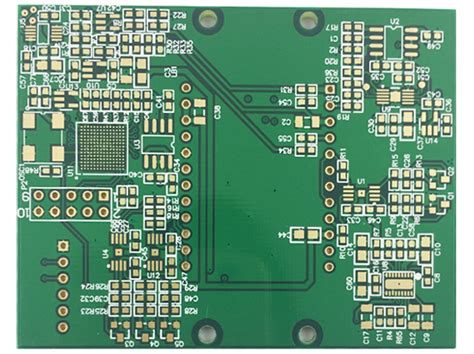
Key Benefits Of Sourcing High Frequency PCBs From China
Sourcing high frequency printed circuit boards (PCBs) from China offers a multitude of benefits that are increasingly being recognized by businesses worldwide. As the demand for high frequency PCBs continues to grow, driven by advancements in telecommunications, automotive, and consumer electronics, China has emerged as a leading supplier, providing both cost-effective and high-quality solutions.
One of the primary advantages of sourcing these PCBs from China is the cost efficiency that Chinese manufacturers can offer.
Due to economies of scale, lower labor costs, and a well-established supply chain, Chinese companies are able to produce high frequency PCBs at a significantly lower cost compared to their counterparts in other regions. This cost advantage does not come at the expense of quality, as many Chinese manufacturers have invested heavily in state-of-the-art technology and equipment to ensure that their products meet international standards.
In addition to cost efficiency, the expertise and experience of Chinese manufacturers in the field of high frequency PCBs cannot be overstated.
Over the years, China has developed a robust ecosystem of skilled engineers and technicians who specialize in PCB design and manufacturing. This expertise is complemented by a strong focus on research and development, enabling Chinese companies to stay at the forefront of technological advancements. As a result, businesses sourcing high frequency PCBs from China can benefit from innovative solutions that are tailored to meet their specific needs. Furthermore, the ability of Chinese manufacturers to produce PCBs with high precision and reliability ensures that the end products perform optimally in demanding applications.
Another key benefit of sourcing high frequency PCBs from China is the flexibility and scalability that Chinese manufacturers offer.
Whether a business requires a small batch of prototypes or a large volume of production units, Chinese suppliers are equipped to handle orders of varying sizes with ease. This flexibility is particularly advantageous for companies that need to quickly adapt to changing market demands or technological advancements. Moreover, the scalability of Chinese manufacturing facilities allows businesses to ramp up production without significant delays, ensuring that they can meet tight deadlines and maintain a competitive edge in the market.
The strategic location of China also plays a crucial role in its appeal as a source for high frequency PCBs.
With its proximity to major global markets and well-developed logistics infrastructure, China offers efficient shipping and reduced lead times. This geographical advantage enables businesses to streamline their supply chain operations and reduce the time it takes to bring products to market. Additionally, many Chinese manufacturers have established partnerships with international logistics providers, further enhancing their ability to deliver products promptly and reliably.
Finally, the commitment of Chinese manufacturers to quality assurance and compliance with international standards is a significant benefit for businesses sourcing high frequency PCBs from China.
Many manufacturers have obtained certifications such as ISO 9001, ISO 14001, and IPC standards, which attest to their adherence to rigorous quality control processes. This commitment to quality ensures that businesses receive PCBs that are not only cost-effective but also meet the highest standards of performance and reliability. In conclusion, the combination of cost efficiency, expertise, flexibility, strategic location, and quality assurance makes China an attractive destination for sourcing high frequency PCBs, offering businesses a competitive advantage in today’s fast-paced technological landscape.
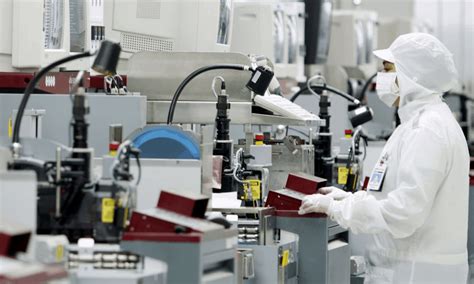
Challenges And Solutions In Designing High Frequency PCBs In China
Designing high frequency printed circuit boards (PCBs) in China presents a unique set of challenges and opportunities, reflecting the broader dynamics of the global electronics industry. As the demand for high-speed communication and advanced electronic devices continues to grow, the need for high frequency PCBs has become increasingly critical. These PCBs are essential for applications that require rapid signal transmission, such as in telecommunications, aerospace, and advanced computing. However, the design and manufacturing of high frequency PCBs involve several complexities that must be addressed to ensure optimal performance and reliability.
One of the primary challenges in designing high frequency PCBs is managing signal integrity.
At high frequencies, even minor design flaws can lead to significant signal degradation, resulting in performance issues. This is particularly problematic in applications where precision and reliability are paramount. To mitigate these issues, designers must carefully consider factors such as impedance control, crosstalk, and electromagnetic interference (EMI). In China, where the electronics manufacturing industry is highly competitive, companies are investing in advanced simulation tools and design software to predict and address potential signal integrity issues before they arise.
Another significant challenge is the selection of appropriate materials.
High frequency PCBs require materials with specific dielectric properties to minimize signal loss and ensure efficient transmission. Traditional materials used in standard PCBs may not be suitable for high frequency applications due to their higher dielectric losses. Consequently, Chinese manufacturers are increasingly turning to advanced materials such as PTFE (polytetrafluoroethylene) and ceramic-filled laminates, which offer superior performance at high frequencies. However, these materials can be more expensive and challenging to work with, necessitating specialized manufacturing processes and expertise.
Thermal management is also a critical consideration in the design of high frequency PCBs.
As frequencies increase, so does the potential for heat generation, which can adversely affect the performance and longevity of the PCB. Effective thermal management strategies, such as the use of thermal vias, heat sinks, and advanced cooling techniques, are essential to dissipate heat efficiently. In China, where manufacturing efficiency is a key competitive advantage, companies are exploring innovative thermal management solutions to enhance the performance of high frequency PCBs while maintaining cost-effectiveness.
Despite these challenges, the Chinese electronics industry is well-positioned to address them through a combination of technological innovation and strategic collaboration.
Chinese manufacturers are increasingly partnering with international companies and research institutions to leverage global expertise and access cutting-edge technologies. This collaborative approach is fostering the development of new design methodologies and manufacturing techniques that are tailored to the specific requirements of high frequency PCBs.
Moreover, the Chinese government’s support for the electronics industry, through initiatives such as the Made in China 2025 plan, is providing a conducive environment for innovation and growth. By prioritizing research and development, and offering incentives for technological advancements, the government is helping to drive the evolution of high frequency PCB design and manufacturing in China.
In conclusion, while designing high frequency PCBs in China presents several challenges, the industry is actively developing solutions to overcome them. Through a combination of advanced technology, strategic partnerships, and government support, Chinese manufacturers are enhancing their capabilities to meet the growing demand for high frequency PCBs. As a result, China is poised to play a leading role in the global high frequency PCB market, driving innovation and setting new standards for performance and reliability.
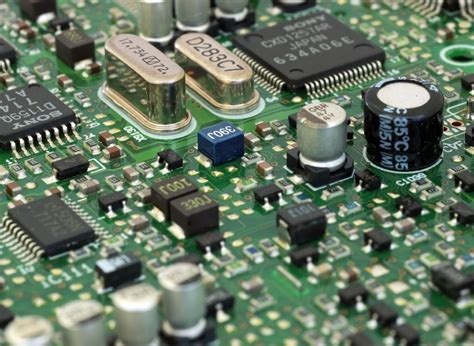
Future Trends In China’s High Frequency PCB Industry
The future of China’s high frequency printed circuit board (PCB) industry is poised for significant transformation, driven by technological advancements and evolving market demands. As the global electronics landscape continues to shift towards more sophisticated and high-performance applications, the role of high frequency PCBs becomes increasingly critical. These PCBs are essential for supporting the rapid transmission of signals in advanced communication systems, including 5G networks, satellite communications, and radar systems. Consequently, the demand for high frequency PCBs is expected to rise, positioning China as a key player in this burgeoning sector.
One of the primary trends shaping the future of China’s high frequency PCB industry is the integration of advanced materials.
Traditional materials such as FR-4 are gradually being replaced by high-performance substrates like PTFE (polytetrafluoroethylene) and ceramic-filled laminates. These materials offer superior electrical properties, such as lower dielectric loss and higher thermal stability, which are crucial for maintaining signal integrity at high frequencies. As Chinese manufacturers continue to invest in research and development, the adoption of these advanced materials is likely to accelerate, enhancing the performance and reliability of high frequency PCBs.
In addition to material innovation, the miniaturization of electronic components is another trend influencing the industry.
As devices become smaller and more compact, the need for PCBs that can accommodate high-density interconnections without compromising performance becomes paramount. This has led to the development of multilayer and flexible PCBs, which offer greater design flexibility and improved space utilization. Chinese manufacturers are increasingly focusing on these advanced PCB designs to meet the demands of modern electronic devices, thereby expanding their market reach and competitiveness.
Moreover, the rise of the Internet of Things (IoT) and the proliferation of connected devices are expected to drive further growth in the high frequency PCB market.
IoT applications require efficient and reliable communication between devices, necessitating the use of high frequency PCBs to ensure seamless data transmission. As China continues to invest in IoT infrastructure and smart city initiatives, the demand for high frequency PCBs is anticipated to grow, providing new opportunities for domestic manufacturers to innovate and expand their product offerings.
Furthermore, the global push towards sustainable and environmentally friendly manufacturing practices is likely to impact the high frequency PCB industry in China.
As environmental regulations become more stringent, manufacturers are being compelled to adopt greener production methods and materials. This includes the use of lead-free soldering techniques and the development of recyclable PCB materials. By embracing sustainable practices, Chinese manufacturers can not only comply with international standards but also enhance their reputation and appeal in the global market.
In conclusion, the future of China’s high frequency PCB industry is characterized by a confluence of technological advancements, market demands, and regulatory changes. The integration of advanced materials, the trend towards miniaturization, the growth of IoT applications, and the emphasis on sustainability are all shaping the trajectory of this dynamic sector. As Chinese manufacturers continue to innovate and adapt to these trends, they are well-positioned to capitalize on the growing demand for high frequency PCBs, solidifying China’s status as a leader in the global electronics industry.