
Core pcb
Understanding Core PCB Materials: A Comprehensive Guide
Printed Circuit Boards (PCBs) are the backbone of modern electronic devices, serving as the foundation upon which electronic components are mounted and interconnected. At the heart of these PCBs lies the core material, which plays a crucial role in determining the board’s performance, reliability, and suitability for specific applications. Understanding the various core PCB materials is essential for engineers and designers who aim to optimize their electronic designs.
To begin with, the core of a PCB is typically composed of a dielectric substrate, which provides mechanical support and electrical insulation between the conductive layers.
The most common material used for this purpose is FR-4, a composite made of woven fiberglass cloth with an epoxy resin binder. FR-4 is favored for its excellent balance of mechanical strength, thermal resistance, and electrical insulation properties. Moreover, its cost-effectiveness makes it a popular choice for a wide range of applications, from consumer electronics to industrial equipment.
However, as electronic devices become more sophisticated and demand higher performance, alternative core materials are gaining attention.
For instance, high-frequency applications, such as RF and microwave circuits, often require materials with lower dielectric constants and loss tangents. In such cases, materials like Rogers laminates, which are engineered to provide superior electrical performance at high frequencies, are preferred. These materials offer reduced signal loss and improved impedance control, which are critical for maintaining signal integrity in high-speed applications.
In addition to electrical properties, thermal management is another critical consideration when selecting core PCB materials.
As electronic components become more densely packed and power consumption increases, effective heat dissipation becomes paramount. Metal-core PCBs, which incorporate a metal layer (usually aluminum or copper) within the core, are designed to address this challenge. The metal layer acts as a heat sink, efficiently dissipating heat away from critical components and enhancing the overall thermal performance of the board. This makes metal-core PCBs ideal for applications such as LED lighting, power electronics, and automotive systems, where thermal management is a top priority.
Furthermore, the choice of core material can also impact the manufacturability and cost of the PCB.
Materials that are easy to process and compatible with standard fabrication techniques can reduce production costs and lead times. For example, FR-4’s widespread use is partly due to its compatibility with conventional PCB manufacturing processes.
On the other hand, specialized materials like ceramics or PTFE-based laminates may require more complex and costly fabrication methods, which can affect the overall project budget.
In conclusion, selecting the appropriate core PCB material is a multifaceted decision that involves balancing electrical performance, thermal management, manufacturability, and cost considerations. As technology continues to evolve, the demand for advanced materials that can meet the stringent requirements of modern electronic applications will only increase. By understanding the properties and trade-offs of different core materials, engineers and designers can make informed decisions that enhance the performance and reliability of their electronic products. This comprehensive understanding of core PCB materials is essential for staying competitive in the ever-changing landscape of electronics design and manufacturing.

The Role of Core PCB in Modern Electronics Design
In the rapidly evolving landscape of modern electronics design, the core printed circuit board (PCB) plays a pivotal role in ensuring the functionality, reliability, and efficiency of electronic devices. As the backbone of electronic systems, core PCBs provide the essential framework for mounting and interconnecting various electronic components, thereby facilitating the seamless operation of complex circuits.
Understanding the significance of core PCBs in contemporary electronics design requires an exploration of their structure, functionality, and the technological advancements that have enhanced their capabilities.
At the heart of any electronic device, the core PCB serves as the foundational platform upon which components such as resistors, capacitors, and integrated circuits are mounted.
Typically composed of multiple layers of conductive and insulating materials, core PCBs are designed to support intricate circuit patterns that enable the flow of electrical signals. The multilayer structure of core PCBs allows for the integration of complex circuits within a compact space, a feature that is particularly crucial in the design of modern electronic devices where miniaturization is a key objective. By providing a stable and reliable medium for electrical connections, core PCBs ensure that electronic devices function as intended, even under demanding conditions.
Moreover, the role of core PCBs extends beyond mere connectivity.
They are instrumental in managing heat dissipation, a critical aspect of electronics design that directly impacts device performance and longevity. As electronic components generate heat during operation, core PCBs are engineered to efficiently dissipate this heat, thereby preventing overheating and potential damage. This is achieved through the use of thermally conductive materials and innovative design techniques that enhance heat transfer.
Consequently, core PCBs contribute significantly to the thermal management of electronic systems, ensuring that devices operate within safe temperature ranges.
In addition to their structural and thermal management functions, core PCBs are central to the advancement of high-speed and high-frequency applications.
As the demand for faster and more efficient electronic devices continues to grow, the design of core PCBs has evolved to accommodate the requirements of high-speed data transmission. This involves the use of advanced materials and precision manufacturing processes that minimize signal loss and interference, thereby enabling the reliable transmission of high-frequency signals. The ability of core PCBs to support high-speed applications is a testament to the ongoing innovation in PCB technology, which continues to push the boundaries of what is possible in electronics design.
Furthermore, the integration of core PCBs with emerging technologies such as flexible electronics and Internet of Things (IoT) devices underscores their versatility and adaptability
Flexible PCBs, which are an extension of core PCB technology, offer the advantage of being bendable and conformable, making them ideal for applications where traditional rigid PCBs would be unsuitable. Similarly, the proliferation of IoT devices, which require compact and efficient circuit designs, has driven the development of core PCBs that can accommodate the unique demands of these applications. As a result, core PCBs are at the forefront of enabling the next generation of electronic devices that are smarter, more connected, and more efficient.
In conclusion, the role of core PCBs in modern electronics design is multifaceted and indispensable.
From providing the structural foundation for electronic components to facilitating high-speed data transmission and supporting emerging technologies, core PCBs are integral to the advancement of electronic systems. As technology continues to evolve, the importance of core PCBs in shaping the future of electronics design will undoubtedly remain paramount.
Core PCB Manufacturing: Techniques and Best Practices
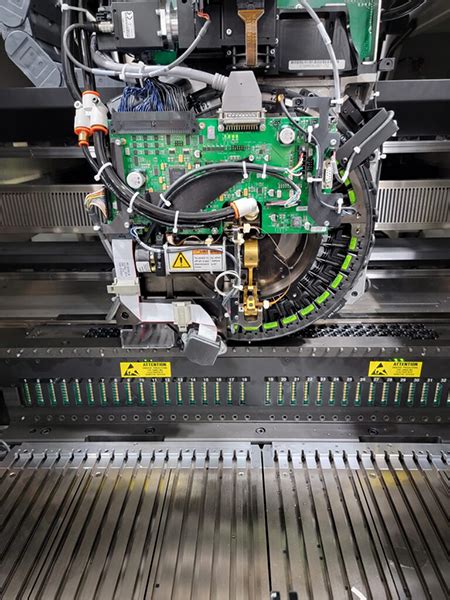
In the realm of electronics, the core printed circuit board (PCB) serves as the backbone of modern electronic devices, providing the essential framework for electrical connectivity and component support. The manufacturing of core PCBs is a complex process that requires precision, expertise, and adherence to best practices to ensure optimal performance and reliability. Understanding the techniques involved in core PCB manufacturing is crucial for professionals in the electronics industry, as it directly impacts the functionality and longevity of electronic products.
To begin with, the selection of materials is a fundamental step in core PCB manufacturing.
The choice of substrate material, typically fiberglass-reinforced epoxy resin, known as FR-4, is critical due to its excellent electrical insulation properties and mechanical strength. However, depending on the specific application, other materials such as polyimide or ceramic may be used to meet particular thermal or electrical requirements. The copper foil, which forms the conductive pathways, is laminated onto the substrate, and its thickness is determined by the current-carrying capacity needed for the circuit.
Following material selection, the design phase involves creating a detailed layout of the circuit, which is translated into a photomask.
This photomask is used in the photolithography process, where ultraviolet light is projected through the mask onto a photosensitive layer applied to the copper-clad substrate. The exposed areas are then developed, revealing the desired circuit pattern. This step is crucial as it defines the precision and accuracy of the circuit paths, which are essential for the board’s performance.
Subsequently, the etching process removes the unwanted copper, leaving behind the circuit pattern.
This is typically achieved using chemical solutions, although more environmentally friendly methods such as laser etching are gaining popularity. The etched board undergoes a series of cleaning and inspection processes to ensure that no defects are present, as even minor imperfections can lead to significant issues in the final product.
Drilling is another critical step, where holes are created for component leads and vias, which are used to connect different layers of the PCB.
Precision drilling machines equipped with carbide drill bits are employed to achieve the necessary accuracy and consistency. Once drilled, the holes are plated with copper to establish electrical connectivity between layers, a process known as through-hole plating.
The final stages of core PCB manufacturing involve solder mask application, silkscreen printing, and surface finish.
The solder mask, typically green, is applied to protect the copper traces from oxidation and to prevent solder bridges during component assembly. Silkscreen printing adds labels and identifiers to the board, aiding in assembly and troubleshooting. The surface finish, such as HASL (Hot Air Solder Leveling) or ENIG (Electroless Nickel Immersion Gold), is applied to enhance solderability and protect exposed copper areas.
Throughout the manufacturing process, rigorous testing and quality control measures are implemented to ensure that the core PCB meets the required specifications and standards. Techniques such as automated optical inspection (AOI) and electrical testing are employed to detect any defects or inconsistencies.
In conclusion, core PCB manufacturing is a meticulous process that demands attention to detail and adherence to best practices. By understanding the techniques involved and implementing stringent quality control measures, manufacturers can produce reliable and high-performance PCBs that form the foundation of modern electronic devices. As technology continues to advance, the importance of precision and innovation in core PCB manufacturing will only grow, underscoring its critical role in the electronics industry.
Innovations in Core PCB Technology: What to Expect in the Future
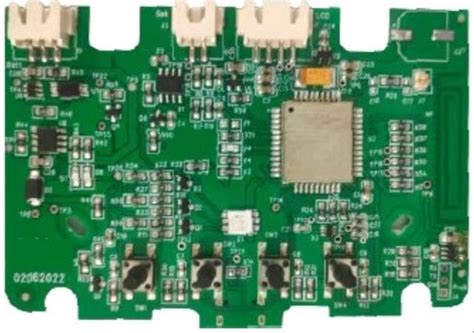
In recent years, the field of printed circuit boards (PCBs) has witnessed significant advancements, particularly in the realm of core PCB technology. As the backbone of electronic devices, PCBs are crucial for the functionality and efficiency of modern electronics. The core of a PCB, which typically consists of a dielectric material sandwiched between conductive layers, plays a pivotal role in determining the board’s overall performance. As technology continues to evolve, innovations in core PCB technology are poised to revolutionize the electronics industry, offering enhanced capabilities and new possibilities.
One of the most promising developments in core PCB technology is the advent of advanced materials.
Traditional PCBs have relied heavily on materials like FR-4, a composite of woven fiberglass cloth with an epoxy resin binder. However, the demand for higher performance and miniaturization has led to the exploration of alternative materials. For instance, ceramic-based cores are gaining traction due to their superior thermal conductivity and electrical insulation properties. These materials are particularly beneficial in high-frequency applications, where minimizing signal loss and managing heat dissipation are critical.
Moreover, the integration of flexible and rigid-flex PCBs is another area where core technology is making strides.
Flexible PCBs, which can bend and fold, are increasingly being used in applications where space constraints and dynamic movement are factors, such as in wearable technology and medical devices. The development of core materials that can maintain their integrity under stress and flexing is essential for these applications.
Rigid-flex PCBs, which combine the benefits of both rigid and flexible circuits, are also becoming more prevalent, offering designers greater versatility and reliability.
In addition to material innovations, advancements in manufacturing processes are set to transform core PCB technology. Techniques such as additive manufacturing and 3D printing are being explored to create more complex and precise PCB structures. These methods allow for the production of PCBs with intricate geometries and embedded components, which were previously challenging to achieve with traditional subtractive manufacturing processes. As these technologies mature, they promise to reduce production costs and lead times, while also enabling more sustainable manufacturing practices by minimizing material waste.
Furthermore, the push towards miniaturization and increased functionality in electronic devices is driving the need for multi-layer PCBs with more complex core structures.
The ability to stack multiple layers of circuitry within a single board allows for greater component density and improved performance. Innovations in core materials and bonding techniques are critical to ensuring the reliability and efficiency of these multi-layer configurations. As a result, research into new bonding agents and thermal management solutions is ongoing, with the aim of enhancing the durability and performance of these advanced PCBs.
Looking ahead, the future of core PCB technology is likely to be shaped by the growing demand for high-speed and high-frequency applications, such as 5G telecommunications and advanced computing systems. As these technologies become more widespread, the need for PCBs that can support faster data transmission and higher power levels will become increasingly important. Consequently, ongoing research and development efforts are focused on creating core materials and designs that can meet these demanding requirements.
In conclusion, the landscape of core PCB technology is undergoing a transformation, driven by innovations in materials, manufacturing processes, and design techniques. As these advancements continue to unfold, they hold the potential to significantly enhance the performance and capabilities of electronic devices, paving the way for a new era of technological innovation. The future of core PCB technology is bright, with exciting possibilities on the horizon that promise to redefine the boundaries of what is possible in the world of electronics.