
Understanding SMT PCB Board Technology and Its Applications
Key Takeaways
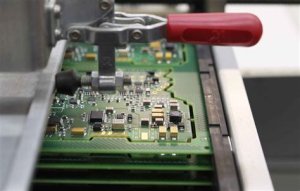
The evolution of SMT PCB (Surface Mount Technology Printed Circuit Board) has significantly transformed the way electronic devices are designed and manufactured. Understanding the nuances of this technology is crucial for industries seeking improved efficiency and reliability. One of the essential aspects of PCB assembly is the increased density of components that can be mounted directly onto the board, enabling smaller, lighter, and more efficient devices. Unlike traditional through-hole technology, SMT allows for a greater number of components in a smaller footprint, optimizing the use of space in various applications.
Moreover, pcba (printed circuit board assembly) processes benefit from automated techniques that enhance production speed and accuracy. The combination of these advantages means that manufacturers can achieve higher production rates while maintaining lower costs, making it an appealing choice for both small-scale and large-scale production.
| Benefit | Description |
|---|---|
| Increased Component Density | Allows for more components in a compact area |
| Enhanced Reliability | Improved solder joint methods reduce failure rates |
| Reduced Production Costs | Automation reduces labor costs and speeds up processes |
“Embracing SMT not only improves product quality but also fosters innovation in design.”
As industries look to streamline their manufacturing processes while meeting consumer demands for compact and efficient electronic devices, SMT PCB technology remains at the forefront of changing how products are engineered. Adopting this technology serves as a strategic move for businesses aiming to enhance their competitive edge in today’s fast-paced market environment.
Introduction to SMT PCB Board Technology
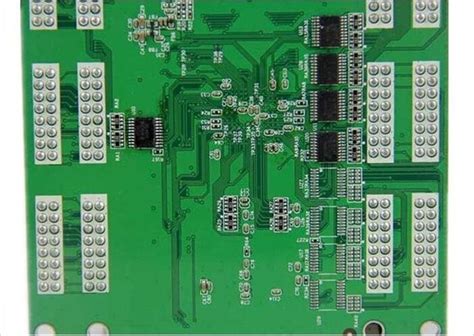
Surface Mount Technology (SMT) has revolutionized the field of PCB assembly, allowing for more efficient and compact production of electronic circuits. At its core, SMT utilizes surface mount devices (SMDs) that are soldered onto the surface of a PCB rather than through holes as seen in traditional methods. This shift towards a more streamlined approach in PCB manufacturing has multiple advantages, notably in enhancing performance and reliability in electronic devices.
During the pcb assembly process, components are mounted directly onto the board surface, which not only reduces the size of the circuits but also significantly improves assembly speed. The use of automated placement machines ensures high precision and consistency in component placement, minimizing human error and maximizing productivity. As industries continue to demand smaller and more powerful electronic devices, the role of SMT becomes increasingly pivotal.
The benefits of SMT extend beyond just physical dimensions; it also contributes to better electrical performance. The shorter electrical paths inherent in SMT technology reduce inductance and capacitance effects, leading to improved signal integrity—critical for high-frequency applications. Furthermore, techniques such as reflow soldering enhance connection quality, making SMT PCBs highly dependable for various applications.
With these advancements, industries are embracing SMT across diverse sectors—from consumer electronics to automotive systems—ultimately driving innovation and efficiency in product development. As we delve deeper into this technology throughout this article, we will explore its manufacturing processes, challenges faced during production, and future trends that indicate where SMT PCB technology is headed next.
The Manufacturing Process of SMT PCB Boards
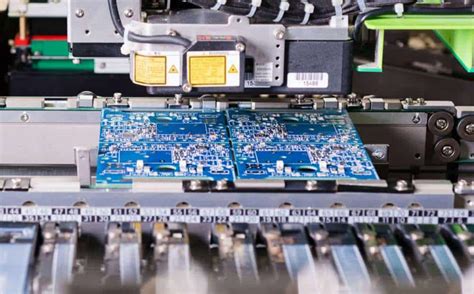
The manufacturing process of SMT PCB boards (Surface Mount Technology Printed Circuit Boards) is a sophisticated sequence of steps that ensures high-quality pcb assembly. It begins with the design phase, where engineers create digital schematics that determine the layout and routing of the circuit. This schematic is used to create a PCBA (Printed Circuit Board Assembly) design, which specifies where each component will be placed. Once the design is finalized, the next step involves fabricating the PCB itself. This typically includes applying a copper layer to a substrate and etching it to form traces that will electrically connect components.
After fabricating the base PCB, the assembly process begins with solder paste printing, where paste is applied to designated pads on the board. This is followed by pick-and-place operations, where automated machines precisely position surface mount components onto the pasted pads. Heat is then applied in a reflow oven to melt the solder and create robust electromagnetic connections between components and the board.
Advanced inspection techniques like Automated Optical Inspection (AOI) are used throughout this process to ensure quality and accuracy at each stage, significantly reducing defects in final products. The completion of this meticulous manufacturing process ultimately leads to highly reliable SMT PCB boards, ready for integration into various electronic devices, enhancing their performance and longevity in different industrial applications while maintaining an efficient production timeline.
Key Benefits of SMT PCB Technology
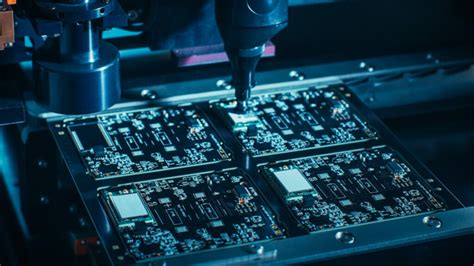
Surface Mount Technology (SMT) has revolutionized the pcb assembly process by allowing components to be mounted directly onto the surface of printed circuit boards (PCBs). This advancement enables pcba to achieve a higher component density, which is essential in today’s miniaturized electronic devices. One of the key benefits of SMT PCB technology is its ability to significantly reduce the overall size and weight of electronic assemblies, making it an ideal choice for portable devices, such as smartphones and laptops. Furthermore, the use of automated processes in SMT manufacturing enhances precision and reduces the likelihood of human error, ultimately leading to improved product reliability. Another advantage is that SMT allows for a faster assembly process compared to traditional through-hole technology; as a result, production timelines can be shorted while maintaining high standards of quality.
Additionally, SMT PCBs are less susceptible to mechanical stress due to their low-profile components which can help improve durability. The technology also supports a wider variety of components, including those that are more complex or advanced. This versatility enables designers to employ innovative solutions in their products without being constrained by board space or component compatibility. Overall, the integration of SMT PCB technology in industries such as consumer electronics, automotive, and telecommunications not only enhances device performance but also drives efficiency and innovation across various applications.
Applications of SMT PCBs in Various Industries
Surface Mount Technology (SMT) PCB boards play a crucial role across a multitude of industries, transforming the landscape of electronic manufacturing and assembly. In the consumer electronics sector, devices such as smartphones, tablets, and laptops benefit significantly from the compact design and high-density packing offered by SMT. The ability to achieve smaller and lighter PCBs aids manufacturers in creating sleek devices while maximizing functionality. Similarly, in the automotive industry, SMT PCB assembly is integral for modern vehicle systems, such as braking controls, navigation systems, and infotainment solutions. These applications require dependable performance as well as durability, driven by the rigorous environmental conditions vehicles face.
In the realm of medical technology, SMT PCAs, or printed circuit assemblies, are critical for devices requiring high reliability and precision, including diagnostic machines and medical monitoring equipment. The increased integration of features with SMT allows for enhanced operational capabilities while complying with stringent industry standards. Furthermore, the telecommunications sector leverages SMT technology for its ability to support complex networking equipment that demands high performance and low latency. As businesses increasingly seek cost-effective budget solutions without compromising quality, SMT PCB technology remains pivotal to driving innovation in countless applications while ensuring that electronic device performance remains steadfast.
Enhancing Electronic Device Performance with SMT
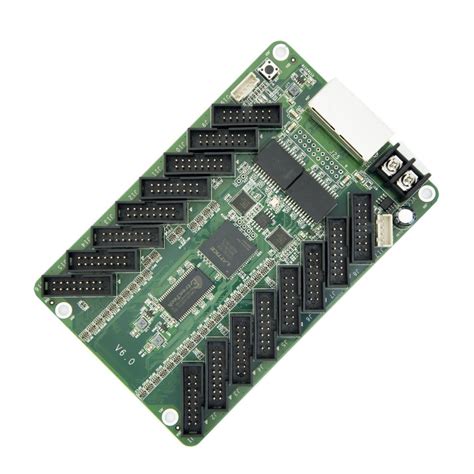
Surface Mount Technology (SMT) significantly contributes to improving the performance of electronic devices through its advanced PCB assembly techniques. By utilizing SMT PCB boards, manufacturers can achieve higher density for electronic components, which allows for improved functional integration within devices. This translates to smaller sizes and lighter weights, essential factors in today’s portable technology market. The pcba process of placing components directly onto the surface of the PCB enhances mechanical stability and reduces the overall likelihood of failure, thereby increasing reliability in various applications—from consumer electronics to critical industrial equipment. Moreover, SMT enables faster production cycles, leading to more efficient manufacturing processes that meet high-demand market needs without compromising quality. Additionally, the improved thermal performance and electrical efficiency provided by SMT can further enhance device lifespan and energy consumption metrics, making it an indispensable technology in the ever-evolving landscape of electronics.
Challenges in SMT PCB Manufacturing
While Surface Mount Technology (SMT) has revolutionized the production of PCB (Printed Circuit Board) assemblies, it is not without its challenges. One of the primary obstacles faced during SMT PCB assembly is the complexity of the components involved. Modern electronic devices often require densely packed boards, which can lead to issues such as solder bridging and alignment errors. Improper alignment during the pcba process can result in poor performance or even failure of the final product.
Another significant challenge lies in the need for precision within a shrinking footprint. As devices become smaller and more intricate, maintaining high-quality solder joints becomes increasingly difficult. This necessitates rigorous testing protocols and quality assurance measures throughout manufacturing to ensure reliability. Furthermore, manufacturers often have to deal with varying thermal profiles used during reflow soldering, which can affect component integrity and performance.
Additionally, sourcing high-quality materials that meet stringent industry standards poses a logistical challenge for SMT manufacturing operations. The consistency of components is critical; variations in part geometries or material compositions can lead to significant performance discrepancies in the final pcb assembly. With these factors at play, manufacturers must invest in advanced technology and robust processes to mitigate risks associated with SMT PCB production while striving to deliver reliable and innovative electronic solutions.
Future Trends in SMT PCB Technology
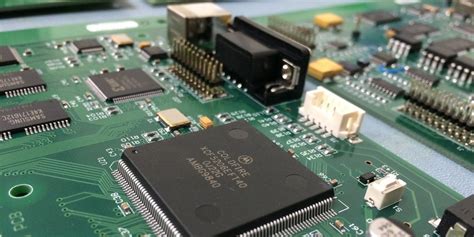
As technology continues to advance, the Surface Mount Technology (SMT) used in PCB assembly is evolving to meet new demands and challenges. One notable trend is the increasing miniaturization of electronic components, which is pushing the boundaries of PCBA capabilities. Manufacturers are exploring innovative materials and techniques to create even smaller, yet more efficient PCBs, ensuring they can accommodate the ever-shrinking form factors of consumer and industrial electronics. Furthermore, automation in the SMT PCB manufacturing process is becoming more prevalent, enhancing precision and efficiency while reducing labor costs.
Another significant trend is the integration of intelligent manufacturing practices, which utilize data analytics and machine learning to optimize production. This approach not only improves yield rates but also enables real-time monitoring and adjustment of processes to enhance quality control. Additionally, there is a growing focus on sustainability within SMT technology; companies are increasingly adopting eco-friendly materials and processes to minimize waste and reduce their environmental footprint.
In various sectors—including automotive, healthcare, and telecommunications—the demand for advanced SMT PCBs continues to accelerate. The rise of Internet of Things (IoT) devices exemplifies this shift as these applications require highly reliable, compact PCBs that can support complex functionality without compromising space or performance.
Overall, as industries embrace technological advancements, the future landscape of SMT PCB technology promises innovations that will enhance performance while catering to the evolving needs of a dynamically changing marketplace.
Conclusion
In summary, SMT PCB board technology plays a pivotal role in the advancement of modern electronics. By utilizing Surface Mount Technology (SMT), manufacturers have seen a significant enhancement in the efficiency and density of pcb assembly processes, leading to smaller and more sophisticated electronic devices. The reduction in component size without compromising performance has catalyzed innovations across various industries including telecommunications, automotive, and consumer electronics. Furthermore, the automated nature of pcba processes allows for greater precision and reduced labor costs, making it an attractive choice for businesses looking to optimize production. As technology continues to evolve, the integration of advanced materials and techniques into SMT PCB board design is expected to further improve reliability and performance, ensuring that electronic devices remain at the cutting edge of technology. Overall, understanding the complexities of SMT will enable stakeholders to leverage its advantages effectively in an increasingly competitive landscape.
FAQs
What is SMT PCB technology?
SMT (Surface Mount Technology) PCB technology refers to a method of mounting electronic components directly onto the surface of a pcb board. This process allows for a more efficient design and faster pcb assembly compared to traditional through-hole mounting techniques.
What are the advantages of using SMT PCBs?
The key advantages of using SMT PCBs include reduced space requirements, enhanced performance, and improved reliability. Since components are mounted on both sides of the pcb board, designers can achieve more compact circuit designs that optimize space utilization in electronic devices.
In what industries is SMT technology commonly used?
SMT technology is widely employed across various industries, including consumer electronics, automotive, medical devices, and telecommunications. Its versatility in pcba makes it suitable for any sector that demands high-performance electronic devices.
How does SMT enhance electronic device performance?
SMT enhances device performance by allowing for higher component density and improved thermal management. This results in faster signal transmission and better electrical performance, which are critical for modern electronics.
What challenges are associated with SMT PCB manufacturing?
Manufacturing SMT PCBs can present challenges such as handling small components, maintaining precise alignment during soldering, and ensuring the integrity of solder joints. Addressing these challenges requires specialized equipment and skilled technicians.