
Hackrf pcb
Introduction To HackRF PCB Design And Functionality
The HackRF is a versatile software-defined radio (SDR) platform that has gained significant attention in the field of wireless communication. At the heart of this device lies the printed circuit board (PCB), which plays a crucial role in its functionality and performance. Understanding the design and functionality of the HackRF PCB is essential for those interested in exploring the capabilities of this powerful tool.
The HackRF PCB is meticulously designed to accommodate a wide range of frequencies, from 1 MHz to 6 GHz, making it suitable for various applications, including radio frequency (RF) research, experimentation, and development. This broad frequency range is achieved through a combination of carefully selected components and a well-thought-out layout, which ensures minimal signal loss and optimal performance across the spectrum.
One of the key aspects of the HackRF PCB design is its use of a high-quality, multi-layer board.
This design choice is critical for managing the complex routing of signals and power distribution required by the device. The multi-layer approach allows for the separation of different signal paths, reducing interference and crosstalk, which are common challenges in RF design. Additionally, the use of a ground plane in the PCB design helps to further minimize noise and improve signal integrity, which is vital for maintaining the accuracy and reliability of the HackRF’s performance.
Transitioning to the components used in the HackRF PCB, it is important to note that each component is selected with precision to ensure compatibility and efficiency.
The board features a combination of active and passive components, including amplifiers, filters, and mixers, which work together to process incoming and outgoing signals. These components are strategically placed on the PCB to optimize signal flow and minimize potential interference. Furthermore, the HackRF PCB incorporates a field-programmable gate array (FPGA), which provides the flexibility needed to handle various signal processing tasks. The FPGA is a critical component that allows users to customize and adapt the HackRF to their specific needs, making it a highly versatile tool for RF experimentation.
Moreover, the HackRF PCB design includes provisions for external connections, such as USB and SMA connectors, which facilitate easy integration with other devices and systems.
These connectors are carefully positioned to ensure robust connectivity while maintaining the compact form factor of the HackRF. The inclusion of these interfaces highlights the PCB’s role in enabling seamless communication between the HackRF and external equipment, further enhancing its functionality and usability.
In addition to its technical features, the HackRF PCB is designed with manufacturability in mind.
The layout and component selection are optimized for efficient production, ensuring that the device can be produced at scale without compromising quality. This consideration is crucial for making the HackRF accessible to a wide audience, from hobbyists to professional researchers.
In conclusion, the HackRF PCB is a testament to the intricate balance of design, functionality, and manufacturability required in modern RF devices. Its thoughtful design and high-quality components enable it to perform across a wide frequency range, making it an invaluable tool for those interested in exploring the world of wireless communication. By understanding the intricacies of the HackRF PCB, users can better appreciate the capabilities of this remarkable SDR platform and leverage its potential for a variety of applications.
Step-By-Step Guide To Building A Custom HackRF PCB
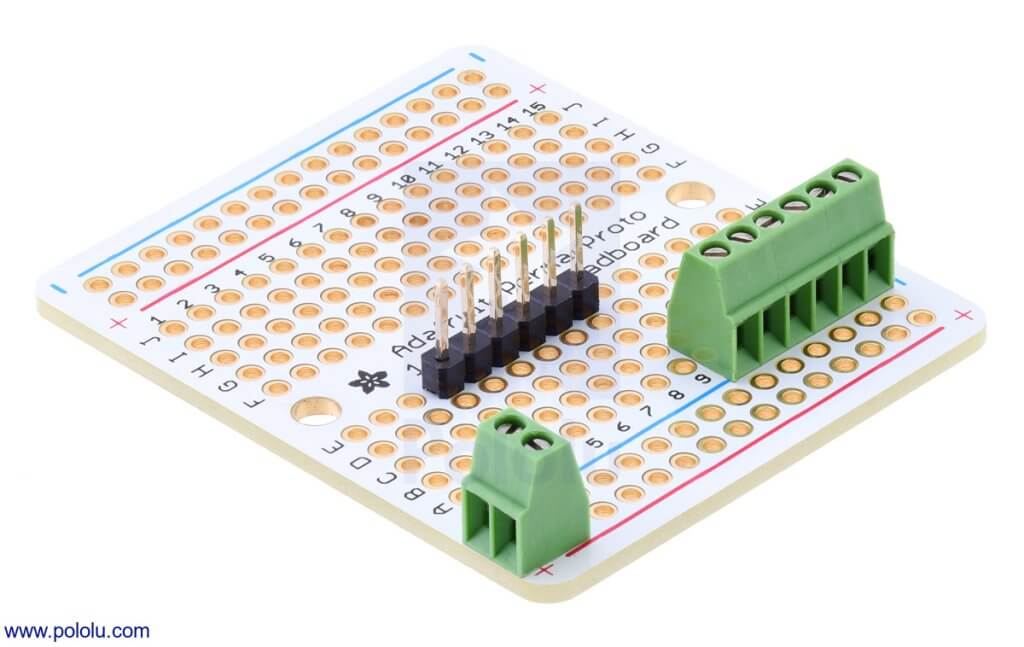
Building a custom HackRF PCB can be an intriguing project for those interested in radio frequency technology and electronics. The HackRF One is a popular software-defined radio (SDR) platform that allows users to experiment with a wide range of radio frequencies. By creating a custom PCB, enthusiasts can tailor the device to their specific needs, potentially enhancing performance or adding unique features. This step-by-step guide aims to provide a comprehensive overview of the process, ensuring that even those with moderate experience in electronics can successfully undertake this project.
To begin with, it is essential to gather all necessary materials and tools.
This includes a high-quality PCB design software, such as KiCad or Eagle, which will be used to create the schematic and layout of the board. Additionally, a reliable PCB manufacturer is required to fabricate the board once the design is complete. Other essential tools include a soldering iron, multimeter, and various electronic components specified in the HackRF design files, which are typically available in open-source repositories.
The first step in the process is to familiarize oneself with the HackRF design files.
These files contain the schematic and layout of the original HackRF One, providing a solid foundation for customization. By studying these files, one can understand the various components and their interconnections, which is crucial for making informed modifications. Once comfortable with the design, the next step is to open the files in the chosen PCB design software.
With the design files open, modifications can begin.
This may involve altering the layout to fit a specific form factor, adding additional components, or improving existing circuitry. For instance, one might choose to enhance the power supply section to support higher power output or integrate additional connectors for external devices. Throughout this process, it is vital to ensure that all changes are electrically sound and do not compromise the functionality of the device.
After finalizing the design, the next step is to generate the necessary files for PCB fabrication.
This typically includes Gerber files, which contain the information needed by manufacturers to produce the board. It is crucial to double-check these files for errors, as mistakes at this stage can lead to costly manufacturing issues. Once satisfied with the design, the files can be sent to a PCB manufacturer for production.
Upon receiving the fabricated PCB, the next phase involves assembling the board.
This requires soldering the various components onto the PCB, following the schematic as a guide. It is important to work methodically, starting with smaller components and progressing to larger ones, to ensure a clean and functional assembly. During this process, a multimeter can be used to verify connections and check for shorts or other issues.
Finally, once assembly is complete, the custom HackRF PCB can be tested.
This involves connecting the device to a computer and using SDR software to verify its functionality. It is advisable to conduct a range of tests, covering different frequencies and modes, to ensure that the device operates as expected. Any issues identified during testing can often be traced back to assembly errors or design flaws, which can then be rectified.
In conclusion, building a custom HackRF PCB is a rewarding endeavor that combines creativity with technical skill. By following this step-by-step guide, individuals can create a tailored SDR platform that meets their specific requirements, opening up new possibilities in the world of radio frequency experimentation.
Troubleshooting Common Issues In HackRF PCB Projects
When working on HackRF PCB projects, enthusiasts and professionals alike may encounter a variety of challenges that can impede progress and affect the performance of their devices. Understanding these common issues and knowing how to troubleshoot them effectively is crucial for ensuring the success of any HackRF project.
One of the most frequent problems encountered is related to power supply issues.
Ensuring that the HackRF board receives a stable and adequate power supply is essential for its proper functioning. Inadequate power can lead to erratic behavior or complete failure of the device. To address this, it is advisable to check the power supply connections and verify that the voltage levels are within the specified range. Additionally, using a high-quality power source can mitigate potential power-related issues.
Another common issue is related to signal integrity.
Poor signal quality can result from a variety of factors, including improper grounding, interference from nearby electronic devices, or suboptimal PCB design. To improve signal integrity, it is important to ensure that the PCB layout follows best practices, such as minimizing trace lengths and using proper grounding techniques. Furthermore, shielding the HackRF board from external interference can help maintain signal quality. If signal issues persist, using a spectrum analyzer to identify and isolate sources of interference can be beneficial.
Component soldering is another area where problems frequently arise.
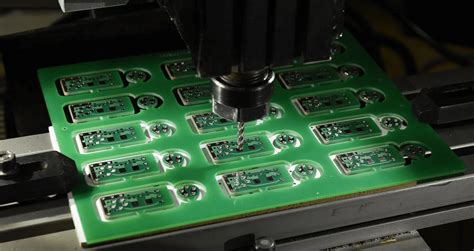
Cold solder joints or improperly soldered components can lead to intermittent connections or complete circuit failures. To troubleshoot soldering issues, it is recommended to inspect the PCB visually for any signs of poor soldering, such as dull or cracked joints. Reflowing the solder or resoldering the affected components can often resolve these issues. Additionally, using a magnifying glass or microscope can aid in identifying problematic solder joints that may not be visible to the naked eye.
Firmware and software-related issues can also pose challenges in HackRF PCB projects.
Ensuring that the latest firmware is installed on the HackRF board is crucial for optimal performance and compatibility with various software applications. If the device is not functioning as expected, checking for firmware updates and applying them can often resolve the issue. Moreover, verifying that the software being used is compatible with the HackRF board and is configured correctly is essential. Consulting the software documentation and community forums can provide valuable insights and solutions to common software-related problems.
Connectivity issues, such as problems with USB connections, can also hinder the functionality of HackRF projects.
Ensuring that the USB cable and ports are functioning correctly is a fundamental step in troubleshooting connectivity problems. Trying different USB cables or ports can help identify the source of the issue. Additionally, checking the device manager on the computer to ensure that the HackRF board is recognized and properly installed can provide further clues.
In conclusion, troubleshooting common issues in HackRF PCB projects requires a systematic approach and attention to detail. By addressing power supply concerns, ensuring signal integrity, inspecting soldering quality, updating firmware, and resolving connectivity issues, one can effectively overcome the challenges that may arise. With careful analysis and methodical troubleshooting, HackRF enthusiasts can ensure the successful completion of their projects and the optimal performance of their devices.
Enhancing HackRF PCB Performance With Advanced Modifications
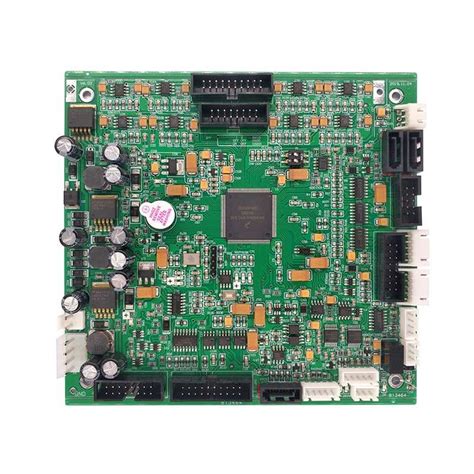
The HackRF, a versatile software-defined radio (SDR) platform, has gained significant popularity among hobbyists and professionals alike for its wide frequency range and open-source nature. At the heart of this device lies the printed circuit board (PCB), which plays a crucial role in its overall performance. Enhancing the HackRF PCB’s performance through advanced modifications can lead to improved functionality and expanded capabilities, making it an even more powerful tool for radio frequency experimentation.
To begin with, one of the most effective ways to enhance the HackRF PCB is by addressing its power supply.
The original design, while functional, can be susceptible to noise and voltage fluctuations, which may affect the device’s performance. By upgrading the power supply components, such as replacing the voltage regulators with low-noise alternatives, users can achieve a more stable and cleaner power delivery. This modification not only reduces the noise floor but also enhances the overall signal integrity, leading to more accurate and reliable results.
In addition to power supply improvements, another area of focus is the RF front end.
The HackRF’s wide frequency range, spanning from 1 MHz to 6 GHz, is one of its most attractive features. However, this broad spectrum can also introduce challenges, particularly in terms of selectivity and sensitivity. By incorporating bandpass filters tailored to specific frequency ranges, users can significantly improve the selectivity of the device. These filters help in attenuating unwanted signals and noise, thereby enhancing the sensitivity and dynamic range of the HackRF. Consequently, users can achieve better performance in crowded frequency environments, making the device more effective for applications such as spectrum analysis and signal interception.
Moreover, the HackRF PCB can benefit from modifications aimed at improving its thermal management.
The device’s high processing capabilities can lead to significant heat generation, which, if not properly managed, can affect performance and longevity. By adding heat sinks or thermal pads to critical components, users can effectively dissipate heat, ensuring that the device operates within optimal temperature ranges. This not only enhances performance but also contributes to the longevity of the HackRF, making it a more reliable tool for long-term use.
Furthermore, enhancing the HackRF PCB’s performance can also involve upgrading its connectivity options.
The original design includes a USB interface for data transfer, which, while adequate for many applications, may not suffice for high-speed data requirements. By integrating a faster interface, such as USB 3.0 or even Ethernet, users can achieve higher data throughput, enabling more complex and data-intensive applications. This modification can be particularly beneficial for users engaged in real-time signal processing or those requiring rapid data acquisition and analysis.
In conclusion, the HackRF PCB, as a central component of this versatile SDR platform, offers numerous opportunities for performance enhancement through advanced modifications. By focusing on areas such as power supply, RF front end, thermal management, and connectivity, users can unlock the full potential of the HackRF, transforming it into an even more powerful and reliable tool for radio frequency experimentation. These modifications not only improve the device’s performance but also expand its capabilities, making it an invaluable asset for both amateur radio enthusiasts and professional researchers. As technology continues to evolve, the HackRF PCB remains a testament to the possibilities of open-source hardware and the endless potential for innovation and improvement.