
Optimizing Board PCBA Designs for Enhanced Performance and Efficiency
Key Takeaways
When embarking on the journey of optimizing board PCBA designs, there are several pivotal aspects to keep in mind that can significantly impact both performance and efficiency. Understanding the fundamentals of pcb assembly is essential, as it lays the groundwork for identifying how different components interact within the board. Key factors, such as signal integrity, power distribution, and component placement, play critical roles in determining a design’s overall effectiveness.
To maximize efficiency during pcb assembly, it’s vital to adhere to best practices for component placement. For instance, grouping similar components can reduce routing complexity and enhance signal integrity. Additionally, incorporating design for manufacturability principles from inception can streamline the production process.
Moreover, innovative techniques for thermal management are increasingly important; effective heat dissipation ensures optimal performance under varying operational conditions. Leveraging simulation tools during the design phase can help identify potential thermal issues early on.
“A well-thought-out approach to pcb assembly ensures that your final product meets both performance criteria and market demands.”
Lastly, continuous testing and validation play a crucial role in maintaining design integrity and ensuring that all requirements are met before moving into mass production. Keeping an eye on future trends in PCBA design technology is equally essential, enabling designers to adopt new methodologies that could lead to more efficient production cycles and enhanced product reliability.
Understanding the Basics of Board PCBA Designs
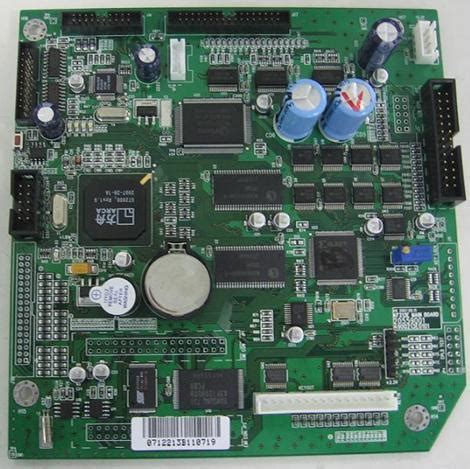
When it comes to pcb assembly, a solid understanding of the fundamentals of PCBA (Printed Circuit Board Assembly) designs is essential. At its core, a PCBA involves integrating various electronic components onto a printed circuit board to create functional electronic devices. The design process is crucial and affects how well the final product will perform.
Key aspects include selecting the right materials and components, determining the optimal layout for efficient signal integrity, and ensuring compatibility among all elements involved. For instance, designers must consider factors such as trace width, layer count, and the location of mounting pads, as these will significantly influence both performance and cost-effectiveness in production.
Moreover, understanding the basic electrical characteristics, such as impedance and capacitance, allows designers to mitigate potential issues that could arise during the assembly or operational phases. Below is a summary table that outlines some primary design considerations for effective board PCBA designs:
| Design Factor | Description |
|---|---|
| Material Selection | Choose appropriate substrates like FR-4 for heat resistance |
| Component Placement | Strategically position components for optimal performance |
| Trace Routing | Maintain controlled impedance and minimize interference |
| Via Design | Use vias judiciously to connect layers without compromising integrity |
By focusing on these core elements, engineers can enhance the overall effectiveness of their pcb assembly projects, paving the way for subsequent advancements in efficiency and technological integration in future designs. Understanding these fundamentals sets a solid foundation for implementing best practices in more advanced aspects of PCBA design.
Key Factors Influencing Performance in Board PCBA
When considering the performance of PCBAs, several key factors come into play that significantly impact the effectiveness and reliability of the final product. One of the most critical aspects is the selection of appropriate components during the pcb assembly process. Choosing components that are compatible with each other and suitable for the intended application can greatly enhance both performance and efficiency. Additionally, trace routing on the board must be optimized to minimize resistance and avoid interference, ensuring that signals are transmitted swiftly and without loss.
Another important factor is thermal management; excess heat can adversely affect component functionality, leading to reduced efficiency and potential failure. Incorporating innovative techniques, such as utilizing thermal vias or strategically placing heat sinks, can aid in dissipating heat effectively across the PCBA. Furthermore, high-frequency performance must be considered during design to ensure that signal integrity is maintained at higher operational speeds.
Lastly, adherence to best practices in design for manufacturability plays a significant role in influencing overall performance. By streamlining processes and ensuring consistency in production standards, manufacturers can achieve a higher yield of quality PCBAs. These factors together contribute to the enhanced performance of board PCBA designs, establishing a foundation for reliable electronic component integration in various applications.
Best Practices for Efficient Component Placement
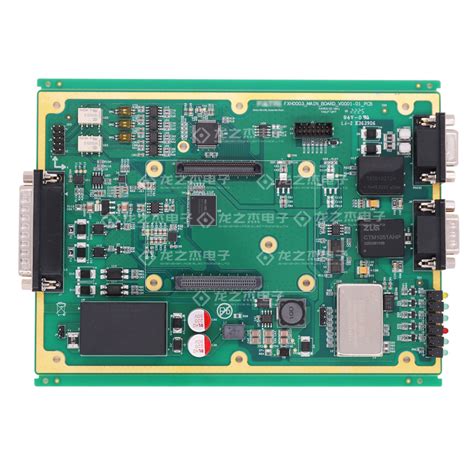
Efficient component placement is crucial in pcb assembly and plays a significant role in the overall performance of printed circuit board assemblies (PCBAs). One of the primary best practices involves maximizing space utilization while minimizing signal interference and optimizing the routing of connections. Components should be positioned to create short, direct paths between nodes, thereby reducing electromagnetic interference and enhancing operational speed. Grouping related components together not only simplifies the design but also improves accessibility for testing and repairs.
Moreover, considering thermal management during the placement process can lead to significant performance gains. Placing components that generate heat away from sensitive parts can help maintain optimal operating temperatures, thereby increasing reliability and lifespan. Careful attention to the layout will also facilitate better thermal dissipation through proper spacing and orientation.
Implementing design software tools with smart placement algorithms can greatly aid in this process by providing recommendations based on established criteria such as component weight, size, and function. Finally, regular consultation of design guidelines specific to pcba fabrication will ensure that placement practices align with manufacturing capabilities, thereby streamlining production processes and reducing costs while achieving high-quality results.
Innovative Techniques for Thermal Management in PCBAs
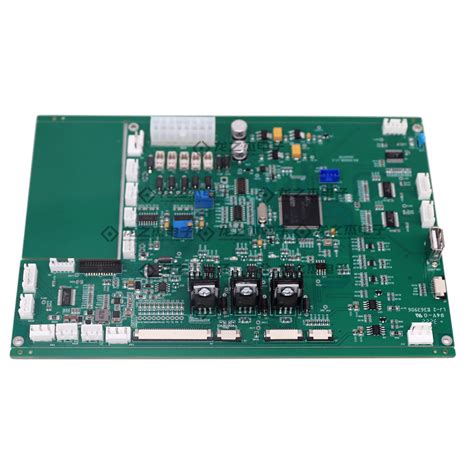
Thermal management is a critical aspect of PCB assembly and PCBA design that directly impacts the overall performance and reliability of electronic devices. Effective thermal solutions are imperative as modern components tend to generate significant heat due to increased functionality and compact sizes. One innovative technique involves the use of advanced heat sinks and thermal vias, which aid in dissipating heat more efficiently. By optimizing the placement of these elements within the board layout, designers can create pathways that facilitate better heat flow. Additionally, integrating thermal interface materials (TIMs) can bridge the gap between components and heat spreaders, ensuring that thermal conduction is maximized.
Another approach focuses on leveraging thermal modeling software tools during the design phase to predict temperature distributions across the PCBA. This allows engineers to identify hotspots and make informed decisions regarding component placement and circuit design before physical prototypes are created. Furthermore, techniques such as integrating active cooling systems—like fans or liquid cooling—can also enhance thermal efficiency in high-demand applications.
Implementing these innovative practices not only ensures that PCBA designs can withstand operational stress but also prolongs device lifespan and boosts overall efficiency. As electronic technology continues to advance at a rapid pace, prioritizing effective thermal management techniques becomes increasingly vital in achieving superior performance in PCBA applications.
Design for Manufacturability: Streamlining the PCBA Process
In the competitive landscape of electronic manufacturing, ensuring that pcba designs are efficiently executed is paramount. Design for Manufacturability (DFM) focuses on creating pcb assembly layouts that not only meet performance expectations but also facilitate streamlined production processes. By applying DFM principles, designers can mitigate potential issues during the pcba process, reducing the need for costly reworks and delays. One effective method is to optimize component placement; grouping related components and minimizing trace lengths can significantly enhance signal integrity and reduce assembly time. Additionally, incorporating assembly-friendly features, such as clearly defined pads and minimizing components with low tolerances, plays a critical role in achieving efficient manufacturing outcomes. By integrating pcb assembly best practices during the design phase, engineers can enhance workflow efficiency while maintaining high standards of quality in their pcba products. This proactive approach not only boosts overall performance but also ensures a more reliable and cost-effective production cycle, paving the way for innovative designs that meet evolving market demands.
Testing and Validation Strategies for Enhanced Performance
To ensure optimal performance of PCB Assembly, effective testing and validation strategies play a crucial role. Implementing a robust testing protocol allows designers to identify potential issues early in the PCBA lifecycle, significantly reducing the risk of failures in the final product. One effective strategy is the use of Automated Optical Inspection (AOI) systems, which enable precise examination of solder joints and component placement, ensuring that each component aligns with design specifications. Additionally, functional testing is essential to verify that each PCBA performs as intended under various operational conditions. This can include both bench testing and in-circuit testing (ICT), which further enhances reliability by checking for defects at the component level.
Moreover, employing simulation tools during the design phase can help predict performance issues before physical assembly occurs. This proactive approach allows engineers to make necessary adjustments early on, leading to improved efficiency in both production and functionality. Documenting test results and establishing a feedback loop between design modifications and testing outcomes ensures continuous improvement in design strategy. By prioritizing comprehensive testing and validation methodologies, companies can achieve not only enhanced performance but also increased efficiency in their pcb assembly processes, ultimately leading to higher quality products that meet market demands effectively.
Future Trends in PCBA Design and Technology
As technology evolves, the landscape of PCB assembly and PCBA design is undergoing significant transformations. One of the most prominent trends is the increasing use of automation in the manufacturing processes, which enhances efficiency and reduces human error. Automation not only streamlines production but also allows for tighter tolerances and higher levels of consistency in pcba outcomes. Additionally, advancements in materials science are paving the way for more efficient power management solutions, enabling PCBA designs to support sustainability and reduce energy consumption significantly.
Emerging technologies like artificial intelligence (AI) are becoming instrumental in predictive analysis, aiding engineers in identifying potential design flaws during the early stages of development. This proactive approach minimizes costly revisions and accelerates time-to-market. Furthermore, the rise of Internet of Things (IoT) devices is pushing pcb assembly technology towards miniaturization, leading to more compact designs that can accommodate an increasing number of features without sacrificing performance.
As we look ahead, embracing these trends will be crucial for companies aiming to maintain a competitive edge in the ever-evolving pcba industry. The integration of smart technologies combined with innovative manufacturing solutions holds the promise for heightened performance and efficiency, shaping a new era for electronic component integration.
Conclusion
In summary, optimizing board PCBA designs plays a vital role in enhancing both performance and efficiency in electronic applications. The key takeaway from this discussion is that attention to detail during the pcb assembly process can significantly impact the overall functionality of the final product. Factors such as effective component placement, thermal management strategies, and prioritization of manufacturability are crucial for achieving superior results in pcba projects. As technology continues to advance, a focus on innovative techniques and robust testing methodologies will serve to refine these designs further. Staying informed about future trends will also ensure that designers are well-equipped to meet evolving industry demands. By implementing best practices and focusing on performance-oriented design principles, companies can elevate their board PCBA projects to new heights of efficiency and reliability.
FAQs
What is PCBA and why is it important?
PCBA, or printed circuit board assembly, is a crucial part of electronic device manufacturing, serving as the foundation for electronic component integration. A well-designed PCBA ensures reliability and performance in various applications.
What factors influence the performance of board PCBA designs?
Key factors include component placement, trace routing, and thermal management. Each of these aspects can significantly impact the overall efficiency and effectiveness of the pcb assembly process.
How can I optimize component placement on a PCBA?
Efficient component placement can be achieved by prioritizing shorter signal paths, minimizing electromagnetic interference (EMI), and ensuring optimal spacing between components for thermal dissipation. Adopting best practices in this area directly enhances performance.
What innovative techniques exist for managing heat in PCBAs?
Implementing solutions such as heat sinks, thermal vias, and strategically placed traces can help manage heat more effectively. Utilizing materials with excellent thermal conductivity is also essential for improving pcb assembly performance.
Why is design for manufacturability important in PCBA processes?
Designing with manufacturability in mind streamlines production, reduces costs, and enhances quality control. By considering manufacturing constraints early, designers can achieve more efficient and reliable pcb assembly.
For more detailed insights into improving your PCBAs, please click here: Optimize Your PCBA Designs