
Understanding PCB Printed Circuit Board Assembly Processes
Key Takeaways
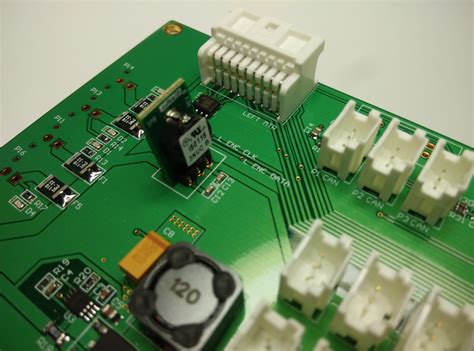
The field of PCB assembly is essential for creating reliable and efficient electronic devices. Understanding the complexities of printed circuit board assembly (PCBA) processes is crucial for any manufacturer or engineer involved in electronics. Key components such as soldering techniques, component placement, and the selection of materials play a significant role in achieving high-quality results in PCB production. Each stage of the pcba process must be carefully controlled to ensure that the final product meets industry standards while maintaining functionality.
In the assembly process, wave soldering, reflow soldering, and hand soldering are among the most prevalent methods used to bond components onto the PCB. Additionally, choosing the right materials—such as solder paste, substrates, and protective coatings—is vital for enhancing durability and performance. Quality control measures are implemented throughout to identify defects early in the production cycle.
Current trends indicate that advanced technologies like automation, robotics, and machine learning are becoming increasingly integral to PCB assembly operations. These innovations not only increase productivity but also contribute to reduced error rates, leading to more consistent outputs.
| Key Component | Description |
|---|---|
| Soldering Techniques | Methods used to join electronic components with the circuit board |
| Quality Control | Systems in place to ensure defect-free production |
| Materials Used | Components required for assembly including substrates and solders |
In conclusion, comprehending these concepts is imperative for anyone looking to excel in the realm of PCB printed circuit board assembly. Understanding how all these elements interconnect will allow professionals to make informed decisions that enhance both efficiency and quality in electronic manufacturing processes.
Introduction to PCB Printed Circuit Board Assembly
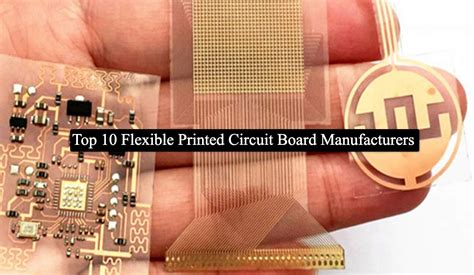
The PCB assembly process is a critical aspect of electronics manufacturing, involving several stages that transform a mere printed circuit board into a fully functional electronic component. This intricate procedure starts with the careful selection of raw materials and components, ensuring that only the highest quality parts are utilized. The assembly methods vary, employing techniques such as surface mount technology (SMT) and through-hole soldering to ensure robust connections. In PCBA, precision is paramount; slight deviations can compromise the reliability of the final product. Therefore, meticulous attention to detail is essential throughout each stage of production. Moreover, advancements in automation and robotics have significantly enhanced efficiency in PCB assembly, leading to faster turnaround times without sacrificing quality. As a result, understanding these processes not only benefits manufacturers but also equips consumers with knowledge about the reliability and functionality of their devices. By exploring these intricate PCBA processes, one can appreciate the complexity involved in crafting these vital components that power countless devices in our modern world.
Key Components of PCB Assembly
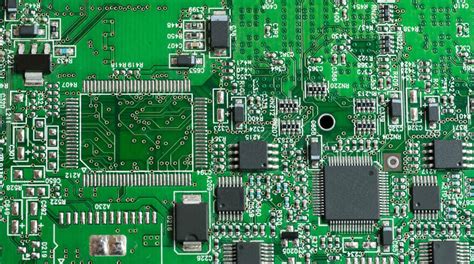
The pcb assembly process incorporates multiple key components that contribute to the overall functionality and reliability of the final product. Central to this process is the printed circuit board itself, which acts as a backbone for electrical connections among various components. Essential elements in pcba include resistors, capacitors, integrated circuits, and connectors, each playing a crucial role in ensuring optimal performance.
Utilizing high-quality materials is vital; for example, copper is commonly used for conductive traces due to its excellent conductivity, while epoxy resins often provide necessary insulation properties. Moreover, the arrangement and placement of these components are meticulously planned based on specific design considerations to minimize interference and enhance signal integrity.
“A successful pcb assembly relies on precision in both design and execution; even minor errors can lead to significant operational issues,” an industry expert states.
Effective communication between design engineers and assembly operators also proves important in addressing any potential challenges during production. In addition, understanding the properties of various component types aids in selecting appropriate soldering methods—such as surface mount technology (SMT) or through-hole technology (THT)—which directly impact the assembly’s success.
In summary, focusing on these key components, coupled with thorough quality assurance practices throughout every stage of the pcba process, ensures that the assembled boards meet stringent performance standards across diverse applications.
PCB Design Considerations for Assembly
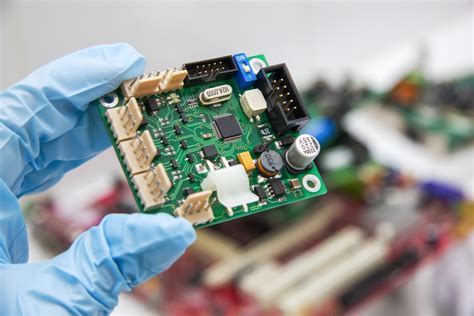
When embarking on the pcb assembly process, several design considerations play a crucial role in ensuring the efficiency and reliability of the final product. First and foremost, the layout of the printed circuit board (PCB) must facilitate optimal component placement. This involves strategically positioning components to support effective soldering and minimize interference, which is particularly significant for high-density assemblies. Engineers must also consider the thermal management aspects when designing boards for pcba, as improper heat dissipation can lead to premature failure of electronic devices.
In addition, the choice of materials—both for the PCB and its components—directly influences the assembly process. Selecting materials with appropriate thermal and electrical properties ensures that the pcb assembly can withstand various environmental conditions without degrading performance. Another key aspect is the design’s ability to accommodate different soldering techniques, which might vary based on component types such as surface mount or through-hole devices.
Moreover, incorporating features like test points can significantly enhance post-assembly diagnostics, allowing for easier troubleshooting during production or after deployment. Therefore, before finalizing a design for pcba, engineers must thoroughly assess these considerations to optimize both functionality and manufacturability—essentially paving the way for a seamless transition from design to production.
Assembly Processes: Soldering Techniques and Methods
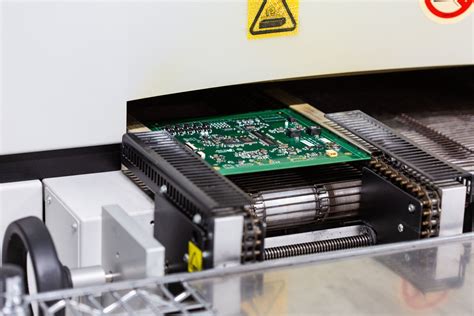
In the realm of PCB assembly or PCBA, soldering techniques play a crucial role in ensuring the reliability and efficiency of the final product. Various methods are employed to achieve robust electrical connections between the components and the printed circuit board. Among the most common techniques are wave soldering, reflow soldering, and hand soldering.
Wave soldering is often utilized for through-hole components; it involves passing the PCB through a wave of molten solder, creating strong mechanical and electrical bonds. On the other hand, reflow soldering is primarily used for surface-mount devices (SMDs) where solder paste is applied to pads on the PCB before components are placed on top. This assembly method follows with heating in an oven, causing the paste to melt and form connections as it cools. Both techniques provide distinct advantages depending on production volume, component type, and assembly design.
In addition to these methods, hand soldering remains essential for prototyping or repair work, allowing for precision adjustments that automated processes may not cater to as effectively. Ultimately, mastering these soldering techniques is fundamental for successful PCB printed circuit board assembly, influencing not only yield rates but also the overall quality of electronic devices in which these circuit boards are integrated.
Materials Used in PCB Assembly
In the realm of PCB assembly (often referred to as PCBA), the selection of materials plays a critical role in determining the overall performance and reliability of the final product. Printed circuit boards (PCBs) are typically manufactured from a variety of substrates, with FR-4 being one of the most commonly used materials due to its excellent electrical insulation properties and mechanical strength. Beyond the substrate, various conductors, such as copper, are utilized for creating electrical pathways on the board. The thickness and surface finish of these copper layers can significantly influence solderability and resistance to oxidation, which are vital for ensuring durability over time.
In addition to conducting materials, solder pastes are integral to the assembly process. These pastes consist of a mix of metals—primarily tin and lead or lead-free alternatives like silver and copper—which melt during reflow soldering to create strong electrical connections. The choice between traditional and lead-free solder affects not just performance but also compliance with international environmental standards.
Moreover, there are numerous components involved in PCB assembly, including passive components like resistors and capacitors, as well as active components such as integrated circuits (ICs) and microcontrollers. The material quality of these components is essential; for instance, high-frequency applications might require specialized capacitors that can handle rapid signal changes without significant loss.
Adhesives and encapsulants also play crucial roles in advanced PCBA processes. They provide mechanical support for components that might experience stress during thermal cycling or vibration. Furthermore, protective coatings can enhance reliability by shielding sensitive parts from moisture, dust, or chemical exposure.
Ultimately, the interplay between these materials—substrates, conductors, solder pastes, components, adhesives—determines the efficacy and longevity of printed circuit boards across a multitude of applications in various industries. Understanding these materials is fundamental for anyone involved in PCB assembly, paving the way for innovations that push technological boundaries.
Quality Control in PCB Production
Quality control is a critical aspect of PCB assembly processes, ensuring that each printed circuit board assembly (PCBA) meets stringent standards of reliability and performance. It involves a comprehensive evaluation of materials, processes, and finished products to identify defects and guarantee that the functionality and integrity of the pcb meet required specifications. Various methods, such as Automated Optical Inspection (AOI), X-Ray inspection, and Functional Testing are employed to scrutinize the assembly at different stages. These techniques enable manufacturers to detect issues like soldering defects, incorrect component placements, and overall circuit functionality before the PCs are deployed in real-world applications. Additionally, implementing a robust quality management system (QMS) helps link quality practices with production efficiency, thereby reducing costs related to rework and returns. By prioritizing quality control in the pcb assembly process, manufacturers enhance product reliability and foster customer satisfaction across various sectors that rely on PCBs for essential operations.
Advanced Technologies in PCB Assembly
The world of PCB assembly has witnessed significant advancements in recent years, leading to enhanced production capabilities and improved quality of Printed Circuit Board Assembly (PCBA). One prominent technology reshaping the landscape is surface mount technology (SMT), which facilitates the placement of components directly onto the surface of the PCB, thereby allowing for denser layouts and reduced manufacturing times. Additionally, the integration of automated optical inspection (AOI) systems ensures the detection of defects during various stages of assembly, promoting higher production standards.
Moreover, the use of robotics and machine learning in assembly lines is becoming more prevalent, optimizing both speed and precision in the PCB assembly process. These technologies not only enhance efficiency but also minimize labor costs. Advanced materials such as lead-free solder and flexible substrates are also being developed to meet increasing environmental regulations while maintaining high performance in pcba applications.
Furthermore, innovations such as 3D printing are starting to play a crucial role in prototyping PCBs faster than traditional methods permit. These advancements collectively represent a paradigm shift towards smarter, more reliable manufacturing processes that hold promise for various applications—from consumer electronics to complex aerospace systems. As companies continue to invest in cutting-edge technologies, the future is bright for PCB assembly, paving the way for even more groundbreaking developments in circuit board production.
Future Trends in PCB Printed Circuit Board Assembly
As technology advances, pcb assembly processes are evolving to meet the increasing demands for efficiency and reliability in electronic manufacturing. One significant trend is the integration of automation in pcba workflows. Automated systems not only enhance precision but also reduce human error, resulting in higher quality boards. Additionally, the rise of IoT (Internet of Things) applications is pushing manufacturers to adopt more sophisticated assembly methods that cater to smaller, more complex designs. New materials, such as flexible substrates and lead-free solders, are becoming standard to comply with global regulations and meet the needs of diverse applications. Furthermore, Industry 4.0 concepts are being integrated into pcb assembly, allowing for real-time monitoring and data analysis throughout the production process. This shift enables manufacturers to identify inefficiencies and respond rapidly to changing production demands, ultimately driving improvements in overall productivity and reducing costs. In conclusion, the future of pcb printed circuit board assembly is poised for significant transformation as it embraces cutting-edge technologies and materials that ensure superior performance and adaptability in an ever-evolving market landscape.
Conclusion
In the realm of electronics, PCB assembly or PCBA plays a pivotal role in ensuring the functionality and reliability of electronic devices. Through the intricate processes of assembling printed circuit boards, manufacturers can effectively integrate various components while adhering to stringent quality control measures. The combination of advanced technologies and meticulous design considerations enables the production of PCBA that meets industry standards for a multitude of applications, from consumer electronics to industrial machinery. As technology continually evolves, innovations in pcb assembly will likely lead to enhanced methods that improve efficiency and reduce production costs. Reflecting on the significance of materials used in PCB assembly, along with a keen focus on soldering techniques, showcases how manufacturers strive for excellence in their production processes. As we look towards future trends, it’s crucial to recognize how these developments will shape the landscape of electronic manufacturing and influence the next generation of devices that power our daily lives. Understanding these complexities not only highlights the importance of PCBA but also underscores its foundational role in modern technology.
FAQs
What is PCB assembly?
PCB assembly, commonly referred to as PCBA, is the process of connecting electronic components to a printed circuit board. This process transforms a bare PCB into a functional electronic device, involving soldering components and ensuring reliable connections.
What are the common methods used in PCB assembly?
The two primary methods of PCB assembly are through-hole and surface mount technology. Through-hole involves inserting components into holes on the board, while surface mount technology places components directly onto the surface of the board.
What materials are typically used in PCB assembly?
Various materials play key roles in PCBA, including substrates like FR-4, solder paste, and various types of solder. These materials ensure durability, conductivity, and overall performance of the assembled circuit board.
How is quality control managed in PCB production?
Quality control in pcb assembly involves several techniques such as automated optical inspection (AOI), functional testing, and X-ray inspections to detect any faulty connections or components and ensure compliance with industry standards.
What advancements are being made in PCB assembly technologies?
Recent advancements in PCBA include the use of automation for increased efficiency, improved soldering techniques such as selective soldering, and innovations like robotics that enhance production speed and accuracy.