
Understanding Electronic Circuit Board Assembly Processes
Key Takeaways
Understanding pcb assembly processes is essential for anyone involved in electronics manufacturing. PCBA incorporates a series of intricate steps that determine the reliability and efficiency of the final product. Key components include the bare circuit board, electronic components such as resistors, capacitors, and integrated circuits, along with solder that binds these elements together. The assembly techniques employed can significantly affect performance; for instance, through-hole soldering and surface mount technology (SMT) each have their unique advantages and applications.
It is also critical to adhere to best practices during production to streamline the process and minimize defects. This encompasses proper handling of solder paste, maintaining an optimal environment for assembly, and ensuring precise alignment of components. Enhanced quality control measures at each stage, including inspection processes like Automated Optical Inspection (AOI), play a pivotal role in identifying potential errors early on.
Challenges in circuit board manufacturing, such as managing component obsolescence or supply chain issues, require innovative solutions and adaptability from manufacturers. Furthermore, staying informed about future trends in electronics—like the increasing miniaturization of components or advancements in materials—can help professionals in the field make proactive decisions.
| Key Component | Function |
|---|---|
| Bare Board | Foundation for electrical connections |
| Solder | Electrically connects components |
| Capacitors | Store electrical energy |
| Resistors | Limit current flow through circuits |
By keeping these points in mind, stakeholders can better navigate the complexities associated with pcb assembly, ensuring they contribute effectively to creating high-performance electronic devices that meet today’s technological demands.
Introduction to Electronic Circuit Board Assembly
Electronic Circuit Board Assembly (often abbreviated as PCB assembly or PCBA) is a fundamental process in the manufacturing of electronic devices that underpins much of today’s technology-driven world. This process involves several intricate steps that transform raw materials into fully functional circuit boards ready for installation in various electronic products. At the heart of PCB assembly is the combination of key components, including resistors, capacitors, and integrated circuits, which interact to enable functionality. The techniques employed in this assembly can range from manual soldering to advanced automated surface-mount technology (SMT) and through-hole assembly methods, each contributing to the reliability and efficiency of the final product. Best practices in circuit board production not only enhance productivity but also ensure that each assembly meets the stringent quality standards required for performance. The adherence to these practices is crucial for minimizing defects and optimizing yield rates, factors that significantly impact production cost-effectiveness. As technology continues to evolve, so too do the methods and materials employed in PCBA, paving the way for innovations that enhance performance and sustainability in electronics manufacturing. Understanding these multifaceted processes is essential for engineers and manufacturers looking to develop reliable electronic devices capable of meeting contemporary demands.
Key Components of Electronic Circuit Boards
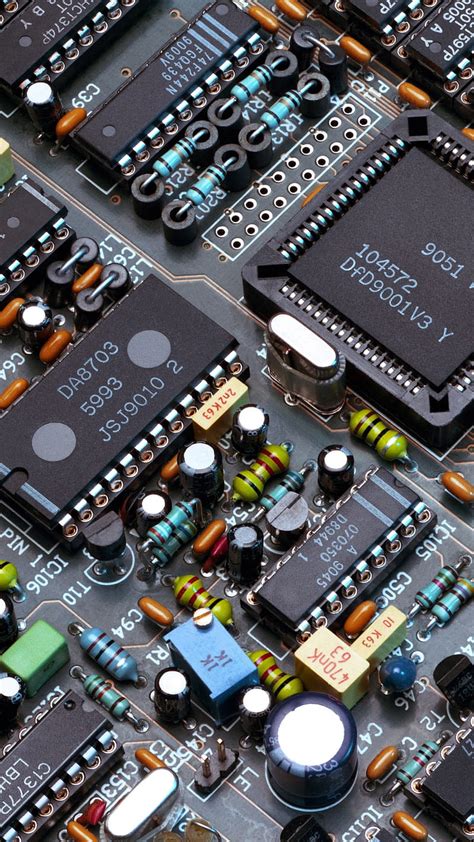
The assembly of electronic devices hinges significantly on the essential components found within printed circuit boards (PCBs). Understanding these fundamental elements is crucial for ensuring successful pcb assembly and overall device functionality. At the core, the substrate serves as the backbone, providing the necessary support for other components. This layer is typically made from materials such as fiberglass or epoxy, which offer durability and electrical insulation.
Next, we have the conductive traces, which are etched onto the substrate to establish electrical pathways between components. These traces are usually made of copper and need to be designed with precision to prevent circuit malfunctions. Additionally, electronic components like resistors, capacitors, and integrated circuits (ICs) are essential for regulating currents, storing energy, and processing data, respectively.
Moreover, connectors play a pivotal role in ensuring that various parts of a device communicate effectively. They facilitate connections with other circuits or devices and contribute to the overall modularity of electronic products. During the pcba process, ensuring that all these components are correctly soldered and tested is vital for achieving optimum performance.
“When assembling PCBs, investing in high-quality components can significantly reduce failure rates in the field.”
Each element has its own specific function but must work cohesively to produce reliable electronic devices. By understanding these key components of electronic circuit boards, designers and manufacturers can enhance their processes and deliver products that meet increasing consumer demands in today’s fast-paced technology landscape.
Techniques and Methods in PCB Assembly
The process of pcb assembly is critical in ensuring that electronic devices function reliably and efficiently. Various techniques and methods play a significant role in the assembly of printed circuit boards (PCBs), each crucial for different aspects of production. One popular method is Surface Mount Technology (SMT), where electronic components are mounted directly onto the surface of the pcb, allowing for higher component density and reduced manufacturing costs. Conversely, through-hole technology, which involves inserting components into pre-drilled holes, remains relevant for specific applications requiring enhanced mechanical strength.
Additionally, a combination of both methods, known as mixed technology, is frequently employed to take advantage of the strengths each method offers. Automation has revolutionized pcba by integrating pick-and-place machines, which swiftly position components onto the circuit board with exceptional precision. Assembling techniques are further complemented by soldering methods that secure components firmly; options include wave soldering for batch production and reflow soldering for SMT processes.
Incorporating quality practices during assembly is paramount. Adopting techniques such as automated optical inspection (AOI) allows manufacturers to detect defects early in the assembly process, thereby enhancing overall efficiency while ensuring reliability in the final product. Ultimately, these techniques and methods not only streamline production but also provide a robust foundation for developing advanced electronic devices that meet today’s technological demands.
Best Practices for Efficient Circuit Board Production
In the realm of pcb assembly, efficiency is paramount for optimizing production timelines and cost-effectiveness. One of the best practices involves meticulous planning, where manufacturers should prioritize a well-structured design for the pcba. This includes using design for manufacturability (DFM) principles, which streamline the assembly process and minimize errors during production. Another critical practice is to implement advanced automation technologies, such as pick-and-place machines and automated inspection systems, which significantly enhance precision and reduce human error. Moreover, regular training of staff in latest manufacturing techniques ensures that operators are well-versed in pcb assembly methods, contributing to better overall quality. Additionally, maintaining robust communication between design engineers and production teams fosters a collaborative environment that addresses potential issues before they impact production efficiency. Lastly, adopting a continuous improvement mindset through methodologies like Lean manufacturing can help identify bottlenecks in the pcba process and drive ongoing enhancements in productivity. By adhering to these best practices, manufacturers can create reliable and efficient electronic devices that meet the demands of today’s technology-driven market.
Quality Control and Testing in PCB Assembly
Quality control and testing are crucial components of the pcb assembly process, ensuring that every unit meets the stringent standards required for reliable performance. In the realm of pcba, rigorous quality assurance methodologies are employed to detect any potential defects early in the assembly phase. Techniques such as Automated Optical Inspection (AOI) and X-Ray Inspection play a pivotal role in assessing the integrity of solder joints and component placements. These testing methods allow manufacturers to identify discrepancies that could lead to failure in end-use applications. Additionally, functional testing processes ensure that the electronic circuit boards operate correctly under various conditions, validating their performance against predefined specifications. By integrating quality control measures throughout the pcb assembly workflow, manufacturers can significantly reduce production costs associated with rework and enhance overall product reliability. Ultimately, effective quality control not only improves consumer trust but also contributes to the optimal functionality of pcba products in an increasingly technology-driven marketplace.
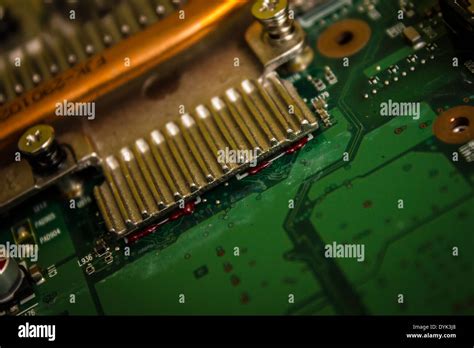
Challenges and Solutions in Circuit Board Manufacturing
The landscape of pcb assembly is constantly evolving, presenting myriad challenges for manufacturers striving to deliver high-quality products. One of the most significant hurdles is the complexity of designs, especially with the push towards miniaturization and increased functionality in compact spaces. These intricate layouts can complicate the pcba process, leading to difficulties in component placement, soldering, and overall assembly accuracy. Moreover, adhering to strict industry standards and regulations adds another layer of complexity, requiring manufacturers to stay updated with compliance laws while ensuring product reliability.
To tackle these challenges, innovative solutions are being implemented. Advanced technologies such as automated inspection systems enhance quality control by identifying defects early in the pcb assembly process. These systems utilize artificial intelligence and machine learning algorithms to detect anomalies that human inspectors might overlook, significantly reducing error rates. Additionally, leveraging computer-aided design (CAD) tools optimizes layout planning before production begins, allowing engineers to foresee potential issues related to thermal management and signal integrity.
Collaboration with suppliers for high-quality materials also plays a crucial role in overcoming manufacturing challenges. Selecting appropriate substrates and soldering materials ensures that the final product can endure various operational stresses. Furthermore, establishing comprehensive training programs for personnel involved in pcba processes ensures a skilled workforce capable of effectively managing complex assembly tasks.
By adopting these proactive approaches and continuously seeking improvements in technology and processes, manufacturers can navigate the challenges in electronic circuit board assembly more effectively while contributing to the production of reliable electronic devices that meet the demands of today’s fast-paced technological environment.
Future Trends in Electronic Circuit Board Technologies
As we look ahead, several trends are shaping the future of PCB assembly and influencing how PCBA processes evolve. The integration of advanced materials, such as flexible circuits and high-frequency substrates, is becoming increasingly common, supporting the development of more compact and efficient electronic devices. The rise of the Internet of Things (IoT) demands greater connectivity and multitasking capabilities, pushing manufacturers to innovate in their circuit board design and assembly techniques. Furthermore, automation through robotics and artificial intelligence is poised to revolutionize production lines by enhancing precision and reducing manufacturing times. These technologies not only improve efficiency but also significantly contribute to quality control during the PCB assembly process. As sustainability becomes a focal point in electronics manufacturing, eco-friendly practices are also expected to gain traction. This shift includes using recyclable materials in PCBA, leading to a more circular economy within the electronics industry. Overall, these future trends indicate a move toward more resilient, efficient, and environmentally conscious electronics production practices.
Conclusion
In summary, the world of pcb assembly and its various components serves as the backbone of modern electronics. Understanding the nuances of pcb assembly processes is crucial for ensuring that electronic devices function optimally and reliably. Through this exploration, we have highlighted several significant aspects, including the importance of selecting quality materials, employing advanced techniques, and adhering to best practices throughout the pcba lifecycle. The meticulous approach taken in every phase of pcb assembly not only enhances the durability of electronic products but also significantly reduces potential failures. Furthermore, as technology continues to evolve, staying informed about emerging trends will be vital for manufacturers looking to maintain a competitive edge in the ever-changing landscape of electronic circuit board assembly. Emphasizing quality control and embracing innovative solutions will pave the way for future advancements that can redefine standards in pcba processes across various industries.
FAQs
What is PCB assembly?
PCB Assembly (PCBA) refers to the process of combining various electronic components onto a printed circuit board (PCB) to create a functional electronic assembly.
What are the main techniques used in PCBA?
Common techniques include surface mount technology (SMT), through-hole technology, and mixed technology, where both SMT and through-hole components are used.
What are the key components involved in PCB assembly?
Key components typically include resistors, capacitors, integrated circuits, and connectors, all of which play crucial roles in the electronic circuit’s performance.
How is quality control maintained during PCB assembly?
Quality control is maintained through various methods such as automated optical inspection (AOI), functional testing, and regular auditing of the production process.
What common challenges occur during PCBA?
Challenges can include misalignment of components, soldering defects, and environmental impacts which can affect reliability.
How can these challenges be mitigated?
Implementing robust quality assurance protocols and investing in advanced manufacturing technologies can greatly reduce potential issues in PCB assembly.
If you want to learn more about printed circuit board assembly processes or explore services related to PCB, please visit our page at Andwin PCB Assembly Services.