
Innovative Solutions for Flexible PCB Prototyping
Key Takeaways
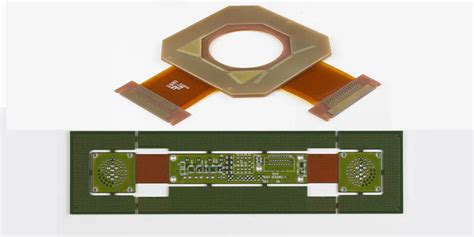
Understanding the intricacies of flexible PCB prototyping is crucial for anyone involved in the pcb manufacturing industry. As you delve into this innovative realm, you will find that the benefits of flexible PCBs are not just limited to their design versatility but also extend to significant cost efficiencies. The typical pcb manufacturing cost is often optimized when employing advanced prototyping methods. Engaging with pcb manufacturing companies that specialize in flexible designs can accelerate your prototyping processes and enhance product performance across various applications.
Utilizing innovative techniques in flexible PCB development allows for a more agile approach to your pcb manufacturing business, effectively speeding up the time from concept to finished product. You may explore labyrinthine applications that span multiple industries, from electronics to automotive systems, and witness how flexible designs can adapt seamlessly within previously rigid frameworks.
| Key Considerations | Details |
|---|---|
| Benefits of Flex PCBs | Versatility, Reduced Weight, Enhanced Performance |
| Cost Optimization | Efficient Prototyping Methods |
| Top Industries | Consumer Electronics, Automotive |
| Recommended Companies | Andwin PCB |
In conclusion, embracing flexible PCB technology propels your projects into a new era of design efficiency. Keep these key takeaways in mind as you navigate the diverse landscape of pcb manufacturing, ensuring you leverage the full potential of innovative solutions available today.
Understanding Flexible PCB Prototyping: An Overview
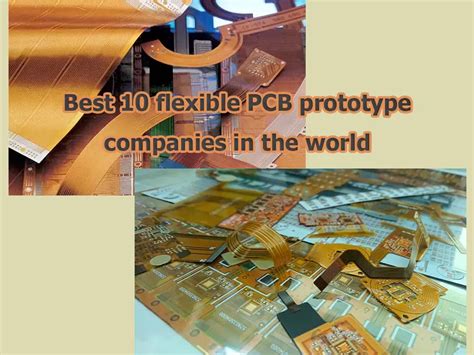
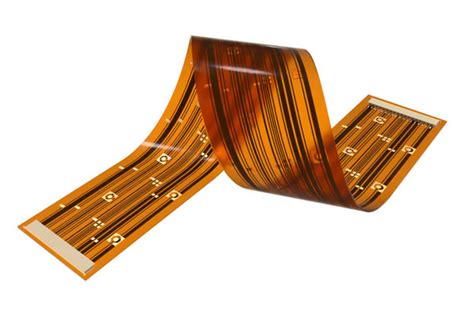
Flexible printed circuit boards (PCBs) represent a significant advancement in electronic design and production. Unlike traditional rigid PCB designs, flexible PCBs can bend, twist, and fit into compact spaces, making them essential for modern electronics. In the realm of pcb manufacturing, flexible PCBs require unique approaches and techniques that differ from standard methods. By collaborating with specialized pcb manufacturing companies, you can ensure that the prototype not only meets your design specifications but also stays within a reasonable pcb manufacturing cost. This efficient prototyping process enables faster iterations, allowing you to test and refine your design more quickly than with rigid alternatives. Understanding the nuances of flexible PCB prototyping is crucial to harnessing their benefits—such as reduced weight and increased reliability—ultimately enhancing product performance in various applications. As you explore flexible PCB prototyping, consider how these innovations can redefine your projects and expand your competitive edge in the pcb manufacturing business landscape.
Key Benefits of Flexible PCBs in Modern Design
Flexible PCBs (Printed Circuit Boards) have revolutionized the design landscape by offering numerous advantages that are increasingly essential in today’s competitive market. One of the major benefits lies in their adaptability; they can bend and flex without compromising functionality, making them ideal for compact and intricate designs. This flexibility allows you to explore innovative configurations that might not be feasible with traditional rigid PCBs, enhancing the overall design freedom. Furthermore, flexible PCBs contribute to reduced pcb manufacturing cost by minimizing the need for multiple components and reducing the weight of devices, which is crucial for mobile technology.
Additionally, pcb manufacturing companies are witnessing a surge in demand for these adaptable boards across various industries. With applications ranging from wearable technology to automotive systems, the versatility of flexible PCBs supports more compact designs without sacrificing performance or efficiency. It’s essential to stay informed about design efficiency, as this can influence not only production timelines but also pcb manufacturing business success.
“Innovative design leads to innovative solutions.”
This thought encapsulates the transformational potential of embracing flexible PCB technology, encouraging you to consider how incorporating these advanced boards could revolutionize your product development strategies while enhancing performance and customer satisfaction. In today’s fast-paced market, harnessing the benefits of flexible PCBs will undoubtedly position your projects at the forefront of innovation.
Innovative Techniques for Fast Prototyping
In the realm of flexible PCB prototyping, it’s essential to leverage innovative techniques that not only speed up the process but also improve the overall quality of the final product. Employing methods such as rapid prototyping allows you to validate designs quickly, making adjustments in real time. This agility is particularly beneficial in a competitive landscape where pcb manufacturing needs to respond swiftly to market demands. Utilizing advanced manufacturing technologies like 3D printing for initial prototypes can significantly reduce pcb manufacturing costs, providing a more economical pathway for small batches before taking on larger-scale production.
Furthermore, engaging with reputable pcb manufacturing companies can enhance your design’s accuracy and functionality through specialized techniques that cater specifically to flexible PCBs. These companies often utilize design software that simulates electronic performance under various conditions, ensuring that your flexible PCB operates as intended. As you navigate through the options available in the pcb manufacturing business, exploring these innovative techniques will enable you to streamline your prototyping process, ultimately leading to faster turnaround times and improved efficiencies across your projects. By focusing on these strategies, you position yourself at the forefront of flexible PCB technology, enhancing both design efficiency and product performance effectively.
Applications of Flexible PCBs Across Industries
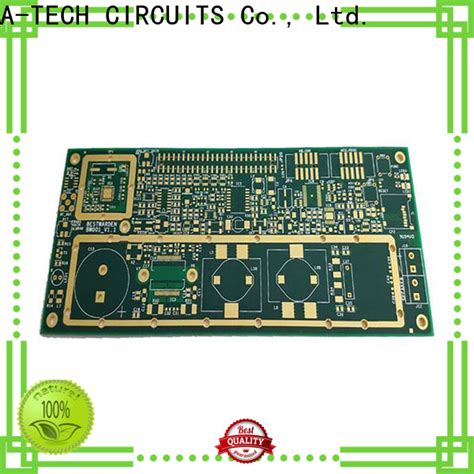
Flexible PCBs are revolutionizing various industries by providing versatile solutions tailored to specific needs. In the consumer electronics sector, you will find flexible PCBs enabling the development of slim, lightweight devices, enhancing portability without compromising performance. Automotive applications increasingly rely on these innovative circuit designs for advanced systems like navigation and infotainment, contributing to overall vehicle efficiency and safety. Additionally, in the medical field, flexible PCBs facilitate the creation of compact devices such as wearables and diagnostic equipment that must conform to the body’s shape while delivering optimal functionality. If you’re involved in pcb manufacturing, understanding these applications can help you align your production methods with current market demands and trends. Furthermore, many pcb manufacturing companies are investing in flexible technology to reduce pcb manufacturing costs while delivering high-quality products. This strategic shift not only improves production efficiency but also opens new avenues for businesses willing to adapt to the growing market for flexible PCB solutions. Exploring these applications can enhance your insight into the potential of flexible PCBs and their role in shaping the future of technology across various sectors.
Selecting the Right Materials for Flex PCB Fabrication
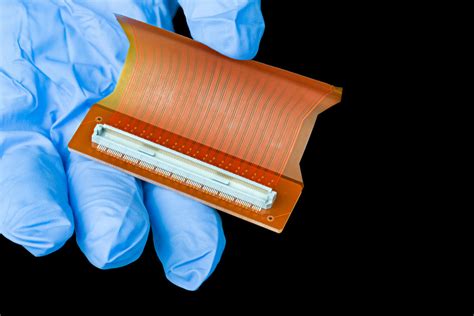
When embarking on the journey of flexible PCB prototyping, selecting the right materials is crucial to ensure the highest quality output and performance. In pcb manufacturing, engineers must take into account various factors, such as conductivity, flexibility, durability, and thermal stability. Materials like polyimide and polyester are popular choices for flexible substrates due to their exceptional attributes. These materials not only enhance the overall flexibility of your design but also lower the pcb manufacturing cost by minimizing waste during the fabrication process.
Moreover, effective collaboration with pcb manufacturing companies can provide you with insights into innovative materials that can elevate your project. When engaging with these companies, it’s vital to communicate your specific requirements and expectations to select materials that align with your design goals and budget. Investing in high-quality materials ultimately ensures that your flexible PCB can withstand environmental factors and mechanical stresses in its intended application.
Additionally, consider how different material choices can influence aspects like signal integrity and EMI shielding—elements critical to modern electronic devices. By making informed decisions early on about material selection in your pcb manufacturing business, you set a foundation for enhanced reliability and performance in your final product. Thus, understanding material properties not only aids in achieving superior designs but also contributes significantly to cost-effective production and timely project execution.
Enhancing Design Efficiency: Best Practices
To improve your design efficiency in flexible PCB prototyping, it is essential to adopt several best practices throughout the PCB manufacturing process. Start by thoroughly understanding the requirements of your project to select the appropriate design software. This will significantly influence your ability to create adaptable layouts for your flex PCBs. Next, consider collaborating with experienced PCB manufacturing companies that specialize in this area. Their expertise can help you navigate common pitfalls and gain insights into the latest technologies that enhance production quality and speed.
Additionally, always prioritize cost-effective solutions during the design phase. Analyze the total cost of ownership associated with different materials and processes, which can directly impact your overall PCB manufacturing cost. By optimizing each component of your project, you can significantly reduce time-to-market without compromising performance. Lastly, establish a feedback loop with your manufacturers; this continuous communication will ensure that any design changes are efficiently translated into production workflows, thus maintaining high standards of quality while keeping efficiency at its peak.
Incorporating these best practices not only enhances your workflow but also aligns your project goals with viable business outcomes within the competitive landscape of the PCB manufacturing business. Whether you are designing for consumer electronics or complex industrial applications, applying these strategies will lead to more successful and adaptable product designs in today’s dynamic market.
Case Studies: Successful Deployments of Flexible PCBs
Examining real-world case studies can provide valuable insights into the successful deployment of flexible PCBs across various industries. For instance, a pioneering wearables company utilized flexible PCB technology to create lightweight and compact smart devices. By partnering with reputable PCB manufacturing companies, they were able to reduce the PCB manufacturing cost significantly, enabling them to bring their innovative product to market faster and more efficiently. Furthermore, this use of flexible PCBs improved the overall durability and performance of their devices, which is crucial in an environment where reliability is paramount. Another notable example is in the automotive sector, where flexible circuit boards have been integrated into advanced driver-assistance systems (ADAS). These applications demand high levels of precision and reliability, and selecting the right materials from trusted PCB manufacturing businesses played a critical role in achieving these standards. With the right approach to pcb manufacturing, including considerations such as material choices and design optimization, companies have successfully enhanced both efficiency and performance in their products. This illustrates not only the versatility of flexible PCBs but also their essential role in driving innovation across diverse fields.
Future Trends in Flexible PCB Technology
As the pcb manufacturing sector continues to evolve, future trends in flexible PCB technology signal exciting possibilities for design and functionality. In the coming years, you can expect to see advances in materials science that will enhance the performance and durability of flexible circuits. The integration of smart materials into flexible PCBs is increasingly becoming a focus, allowing for more adaptive and responsive electronic designs. Additionally, developments in pcb manufacturing companies are paving the way for more sustainable practices, reducing both waste and production time. This shift not only aims to lower the pcb manufacturing cost, but also enhances overall efficiency across various applications. You will likely notice that businesses are adopting more agile manufacturing processes, which allow for quicker iterations a response to market demands. This responsiveness can greatly benefit your own projects by enabling rapid prototyping and validation phases. The expanding use of flexible PCBs in wearable technology, IoT devices, and even medical applications creates avenues for innovation that’s tailored to meet specific industry needs. Ultimately, understanding these trends can empower you to make informed decisions that elevate your pcb manufacturing business into a more competitive position in the marketplace.
Conclusion
In an era where technology is rapidly evolving, understanding the intricacies of flexible PCB prototyping becomes essential for designers and engineers alike. Flexible PCBs offer remarkable versatility, enabling the development of lightweight and adaptable circuits that can fit into various applications, from consumer electronics to medical devices. As you explore the pcb manufacturing landscape, consider collaborating with reputable pcb manufacturing companies that specialize in flexible designs to ensure adherence to quality standards while optimizing production costs. Engaging with these experts not only streamlines your pcb manufacturing business but also enhances your prototyping process, allowing for more innovative solutions in product design. By focusing on reducing the overall pcb manufacturing cost, you can achieve better margins while delivering high-performance products to your customers. Therefore, investing time in understanding the potential of flexible PCB prototypes is crucial; it paves the way for future advancements and success in various high-tech industries.
FAQs
What are flexible PCBs and how do they differ from traditional PCBs?
Flexible PCBs, or flex PCBs, are designed to bend and flex, enabling better integration into compact spaces. Unlike traditional PCBs, which are rigid, flexible ones allow for more versatility in design and can be used in complex applications that demand reduced weight and spatial efficiency.
What are the advantages of using flexible PCBs in various applications?
The primary advantages include their lightweight nature, ability to fit into tight spaces, and enhanced reliability due to fewer interconnections. Moreover, flexible pcb manufacturing often leads to lower overall pcb manufacturing costs since fewer materials may be required.
How can I choose the right PCB manufacturing companies for my prototype needs?
When selecting pcb manufacturing companies, consider factors such as their experience in flex PCB technologies, client testimonials, production capabilities, and customer support. Choosing a reputable company can lead to significant enhancements in your product performance.
What factors affect the pcb manufacturing cost?
Several factors affect the pcb manufacturing cost, including material selection, complexity of the circuit design, layer count, and quantity of units produced. For prototype quantities, costs tend to be higher per unit due to set-up expenses.
What should I consider when starting a pcb manufacturing business?
Starting a pcb manufacturing business requires knowledge of market needs, investment in advanced technology for production efficiency, and effective supply chain management. Building relationships with reliable suppliers also plays a crucial role in ensuring quality materials for your products.