
Optimizing Gerber Fabrication for Clear Component Outlines
Key Takeaways
When navigating the complexities of Gerber fabrication, it’s essential to understand the significance of achieving clear component outlines. Optimizing your PCB manufacturing process begins with effectively personalizing your output settings. By doing so, you not only enhance the clarity of your designs but also facilitate a smoother workflow. As you delve into the realm of PCB manufacturing companies, consider implementing tailored techniques that minimize clutter in your Gerber files. This fosters an environment where precision meets efficiency, ultimately impacting the PCB manufacturing cost positively.
| Technique | Benefit |
|---|---|
| Output Setting Adjustments | Ensure clear delineation of component features |
| Layer Management | Reduces visual noise and enhances understanding |
| Clear Naming Conventions | Improves communication among teams and with manufacturers |
Effectively managing these aspects allows you to streamline your designs, leading to reduced production errors and more cost-effective solutions in your PCB manufacturing business. Utilizing these strategies can pave the way for successful outcomes in your projects and stand out among competitors in today’s fast-paced market.
Introduction to Gerber Fabrication Best Practices
To fully grasp the intricacies of Gerber fabrication, it is essential to recognize best practices that enhance the overall quality of your designs. Understanding the various Gerber file types is a critical first step; these files play an instrumental role in the PCB manufacturing process. By knowing the significance of each type, you can ensure that your designs are aligned with the expectations of PCB manufacturing companies. When you customize your output settings, focus on generating clear component outlines, as this simplifies communication with manufacturing teams and facilitates a smoother production flow.
Moreover, adopting techniques to reduce clutter in your Gerber files can lead to significant efficiencies during production, thereby potentially lowering your overall PCB manufacturing cost. Streamlining this process not only improves clarity but can also make a noticeable difference in your PCB manufacturing business, allowing it to stand out in a competitive industry. As you explore these best practices, remember that clarity in design translates into more effective production outputs and can lead to higher customer satisfaction. For more resources on optimizing your fabrication processes, consider visiting Andwin PCB for additional insights and support.
Understanding Gerber File Types and Their Importance
In the realm of PCB manufacturing, understanding Gerber file types is crucial for achieving optimal results in your designs. These files serve as the blueprint for producing printed circuit boards (PCBs), allowing PCB manufacturing companies to interpret your design intent accurately. The most common formats include RS-274X, which offers a comprehensive set of features for describing PCB artwork with precision, and X-Gerber, which incorporates additional metadata to enhance the output process. Utilizing the correct file type can significantly impact the PCB manufacturing cost since it affects how manufacturers process and interpret data. By selecting the appropriate Gerber format, you not only ensure clarity in your designs but also streamline communication with manufacturers, minimizing potential errors that could increase costs. As you venture into your PCB manufacturing business, being adept at utilizing various Gerber file types will not only enhance clarity but also contribute to achieving a smoother workflow from design to production. It is these small yet significant details that can make a notable difference in the success of your projects in this competitive landscape.
Customizing Output Settings for Clear Component Outlines
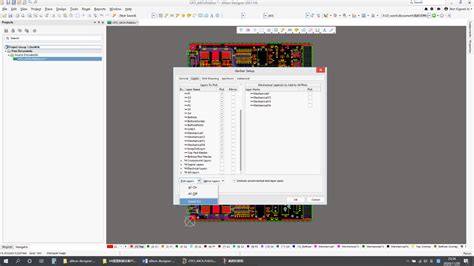
When you are engaged in pcb manufacturing, one of the pivotal aspects to ensure the efficiency of your designs is customizing output settings. By carefully adjusting these settings, you can create clear component outlines that enhance the readability and functionality of your Gerber files. Begin by selecting the appropriate layer types that best represent the components in your design; this step is crucial as different pcb manufacturing companies may have varying requirements for layer organization.
You should pay special attention to settings like line thickness and resolution, as these factors directly affect the clarity of your outlines. Additionally, using color-coding techniques within your files can greatly reduce confusion during production, ensuring that each component is distinctly represented without overwhelming clutter. Streamlining these output parameters not only helps in reducing eventual pcb manufacturing costs, but it also streamlines the workflow in your pcb manufacturing business.
To achieve optimal results, it may also be beneficial to simulate your designs using software tools that allow you to visualize how adjustments will impact the final product. This proactive approach empowers you to make informed decisions before sending files for production, ultimately saving time and resources while ensuring that your component outlines are as clear and precise as possible.
Techniques for Reducing Clutter in Gerber Files
Reducing clutter in Gerber files is essential for enhancing the clarity of your designs, particularly in the realm of PCB manufacturing. One effective method is to carefully utilize layers; by grouping similar components or functionalities into specific layers, you can create a more organized file structure. This not only minimizes confusion but also aids PCB manufacturing companies in streamlining their processes. Additionally, consider adjusting the visibility settings of certain elements; hiding non-essential graphics or annotations can significantly declutter your output. Utilizing proper naming conventions for layers and components helps maintain a neat organization, making it easier for engineers to interpret the files accurately. Moreover, optimizing trace widths and clearance settings ensures that your designs remain concise without compromising functionality. Reducing PCB manufacturing costs also involves less time spent on revisions due to unclear outlines, thereby promoting a more efficient workflow within your PCB manufacturing business. Prioritizing clarity from the outset will ultimately lead to fewer errors and a better overall product quality. By applying these techniques, you can ensure that your Gerber files are not only functional but also highly effective for successful production runs.
Comparison of Different Layer Outputs and Their Uses
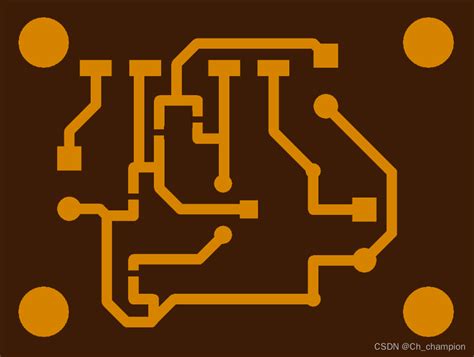
When it comes to Gerber fabrication, understanding the various layer outputs is crucial for achieving optimal results in PCB manufacturing. Each layer within your design serves a distinct purpose; for instance, the top and bottom copper layers are responsible for the actual electrical pathways, while silkscreen layers provide important labeling. By utilizing different output options effectively, you can streamline your designs and enhance clarity, which plays a significant role in reducing the pcb manufacturing cost. Moreover, distinguishing between what’s necessary and what is extraneous is essential, especially when working with complex designs. You may find that specific PCB manufacturing companies offer features that allow for customized layer outputs, which can minimize clutter and improve the visibility of critical component outlines. This not only aids in preventing fabrication errors but also makes it easier to interpret and work with your files later on. Considering these elements will not only elevate your design quality but also contribute positively to the success of your pcb manufacturing business, ensuring that you deliver clear and professional results every time. Emphasizing well-structured layer outputs as part of your optimization strategy helps position you favorably in an increasingly competitive market.
Troubleshooting Common Issues in Gerber Fabrication
When delving into Gerber fabrication, you may encounter several common issues that can impact the overall pcb manufacturing process. One major challenge is the inconsistency in component outlines which can lead to misalignment or confusion during assembly. To address this, ensure that your output settings are properly configured to enhance clarity. You might also want to investigate how different pcb manufacturing companies manage their output layers; each layer should be distinct and well-defined to minimize errors.
Another frequent problem arises from excessive clutter within your Gerber files. Streamlining these files is essential as it not only improves readability but also affects the pcb manufacturing cost by reducing the chances of fabrication errors and unnecessary material usage. As a best practice, regularly review your designs for unnecessary elements and aim for minimalistic layouts.
“Simplicity is the soul of efficiency.”
Finally, consider leveraging feedback from multiple sources within your pcb manufacturing business when troubleshooting issues, as this collaborative approach often leads to innovative solutions and improved techniques for fabricating PCB designs more effectively. Keeping these strategies in mind will assist you in navigating common pitfalls within Gerber fabrication and enhance the overall quality of your projects.
Case Studies: Successful Optimization of Gerber Files
In the world of PCB manufacturing, optimizing your Gerber files can lead to significant improvements in production efficiency and output quality. Many PCB manufacturing companies have reported outstanding results after implementing specific techniques to enhance their Gerber fabrication processes. For instance, a leading pcb manufacturing business revised its output settings to focus on creating cleaner and more distinct component outlines. This adjustment not only facilitated better clarity in the design phase but also reduced the chances of misinterpretation during production, ultimately leading to a lower pcb manufacturing cost.
Another case study highlights the importance of layer management in Gerber files. By refining the layering strategy—ensuring that essential components were highlighted and non-essential details were minimized—clients experienced less clutter and confusion in their designs. This approach not only streamlined communication with manufacturers but also made it easier to identify potential issues before they became costly mistakes. Through these examples, it’s evident that successful optimization of Gerber files is integral for maintaining high standards in quality and efficiency within the competitive landscape of PCB manufacturing. By focusing on clear component outlines and effective customization techniques, you can elevate your business outcomes and position your offerings more favorably in an evolving market.
Conclusion and Future Trends in PCB Fabrication
In the ever-evolving world of pcb manufacturing, the emphasis on optimizing Gerber fabrication processes has never been more critical. As pcb manufacturing companies strive to meet increasing demands for precision and clarity in designs, the role of clear component outlines becomes central. By focusing on techniques that enhance clarity and reduce clutter in Gerber files, you can effectively streamline your designs, thereby lowering pcb manufacturing costs while improving overall quality. Additionally, advancements in technology are likely to yield more sophisticated tools that facilitate easier customization of output settings for better visibility. Observing these trends can provide insights into how you can remain competitive within the pcb manufacturing business landscape. Embracing these practices not only benefits your workflows but also positions you as a forward-thinking player in a highly competitive industry, ultimately influencing future developments in PCB fabrication techniques.
Conclusion
As you reflect on the various aspects of Gerber fabrication, it’s evident that achieving clear component outlines is essential for efficient pcb manufacturing. By adopting best practices and utilizing the right tools, you can significantly enhance the clarity of your designs. Choosing the right pcb manufacturing companies will allow you to leverage their expertise in customizing output settings, ensuring that your files are not only well-organized but also free of unnecessary clutter. This attention to detail can lead to a noticeable reduction in pcb manufacturing cost, offering you more competitive options in today’s market.
In addition, staying informed about emerging trends and techniques in pcb manufacturing business can empower you to optimize your processes further. Engaging with case studies and real-world applications will equip you with insights on successful optimizations that may inspire your future designs. In summary, the combination of thoughtful customization and a strategic approach to file organization will support your goals in achieving high-quality Gerber files, ultimately leading to successful outcomes in your PCB projects.
FAQs
What is Gerber fabrication and why is it important for pcb manufacturing?
Gerber fabrication serves as a pivotal process in pcb manufacturing, allowing for the precise definition of printed circuit boards through files that specify layer information and component placement. It ensures that your designs translate accurately into the physical components needed for your project.
How do I optimize my Gerber files for clarity?
To optimize your Gerber files for clear component outlines, you can customize output settings such as line thickness and the use of silkscreen layers. This reduces visual clutter, enabling you to see your design’s essentials without extraneous details that might confuse the assembly process.
Can customizing my Gerber files reduce my pcb manufacturing cost?
Yes, by streamlining your designs to enhance clarity and reduce clutter, you can decrease potential errors during production. Fewer errors lead to less rework, which in turn can lower your overall pcb manufacturing cost.
What should I look for when choosing pcb manufacturing companies?
When selecting pcb manufacturing companies, consider their experience with tailored services like Gerber optimization. Check their portfolio, customer reviews, and their capability to handle complex designs efficiently.
How do I ensure my designs conform to industry standards in pcb manufacturing business?
To ensure conformity with industry standards in the pcb manufacturing business, always check that your Gerber files adhere to formats like RS-274X or ODB++, and validate them using industry-standard tools before submission.