
Innovative IMS PCB Manufacturers for High-Performance Solutions
Key Takeaways
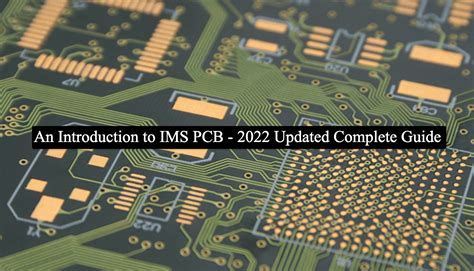
When exploring the realm of IMS PCB manufacturing, it’s vital to understand the technology behind insulated metal substrates and their significance in today’s high-performance solutions. These substrates play an essential role, particularly in industries like automotive and aerospace, where reliability is paramount. By focusing on pcb manufacturing companies that specialize in IMS PCB technology, you can identify those that prioritize quality and performance.
Aluminum and copper are commonly utilized materials in this sector due to their superior thermal conductivity. This leads to significant advantages such as enhanced performance and longevity of electronic devices, as well as reduced costs associated with heat management solutions.
Tables summarizing these benefits can be highly informative, with one potential format being:
| Material | Thermal Conductivity (W/mK) | Applications |
|---|---|---|
| Aluminum | 200 | Automotive, Consumer Electronics |
| Copper | 400 | Aerospace, Medical Devices |
You’ll find that many leading companies in the pcb manufacturing business are innovating ways to further enhance their offerings. This includes advancements in thermal management solutions, which are critical for devices requiring optimal performance under varying conditions.
To succeed in this competitive market, staying informed about current trends and quality control standards is essential. > “Investing in material quality not only reduces pcb manufacturing costs, but also enhances product durability.”
Remember, exploring customization options available from various manufacturers will allow you to meet your specific needs effectively. For further insights on specific manufacturers leading this innovation wave, you can visit Andwin PCB.
Understanding IMS PCBs: The Technology Behind Insulated Metal Substrates
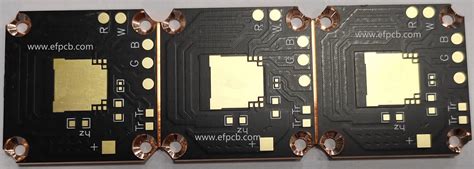
When diving into the realm of IMS PCBs (Insulated Metal Substrates), it’s essential to grasp the underlying technology that sets them apart from traditional printed circuit boards. IMS PCB manufacturing integrates a layer of dielectric insulation between a metal substrate, typically aluminum or copper, and the copper circuitry laid out on the surface. This unique construction not only enhances thermal conductivity but also improves overall mechanical strength and reliability. By offering superior heat dissipation, these substrates are particularly valuable in high-performance environments, such as in the automotive, medical, and aerospace sectors. In fact, choosing the right pcb manufacturing companies can significantly influence your project outcomes, as they bring specialized expertise to the creation of these advanced substrates. The initial pcb manufacturing cost may be higher compared to standard options; however, the long-term benefits—such as reduced failures and increased longevity—often justify this investment. As you explore various suppliers, consider how their distinct approaches to pcb manufacturing business can tailor solutions that meet your unique performance requirements while ensuring exceptional durability and reliability across applications.
Key Applications of IMS PCBs in Automotive and Aerospace Industries
IMS PCBs have emerged as a vital technology in the automotive and aerospace sectors, providing reliable solutions where efficient thermal management and compact designs are essential. In your exploration of pcb manufacturing, it becomes clear that these insulated metal substrates are particularly well-suited for applications such as power electronics, LED lighting, and communication systems. With the increasing demand for high-performance electronic devices, you will find that pcb manufacturing companies are optimizing their processes to create advanced IMS PCBs that meet rigorous industry standards.
In the automotive sector, for instance, the implementation of IMS PCBs significantly enhances the performance of electric vehicles (EVs) and critical components like battery management systems, ensuring higher efficiency and longer lifespans. Similarly, in aviation and aerospace applications, these substrates withstand harsh conditions while maintaining their structural integrity. This results in a reduction of pcb manufacturing costs due to fewer failures and maintenance issues.
As you delve deeper into the world of pcb manufacturing business, consider how innovations surrounding IMS PCBs not only improve product performance but also lead to reduced weight and size—essential factors in both automotive efficiency and aerospace safety. Each application reflects an intersection of sophisticated design engineering with precise pcb manufacturing, proving indispensable in driving technological advancements.
The Advantages of Using Aluminum and Copper in IMS PCB Manufacturing
When it comes to IMS PCB manufacturing, the choice of materials significantly affects overall performance and reliability. Aluminum and copper are two popular materials, each bringing unique advantages to the table. For instance, aluminum is renowned for its excellent thermal conductivity, making it an ideal choice for applications that require efficient heat dissipation. This is particularly important in sectors like automotive and aerospace where thermal management is crucial for both safety and performance. On the other hand, copper offers superior electrical conductivity as well as a higher thermal conductivity than aluminum, which can lead to enhanced performance in high-power applications. Choosing the right material can also impact your pcb manufacturing cost, so it’s essential to consider not just the short-term expenses but also long-term benefits in terms of reliability and efficiency. By teaming up with reputable pcb manufacturing companies adept at utilizing these materials effectively, you can ensure that your designs meet strict industry standards while maximizing performance across various applications. Ultimately, your selection between aluminum and copper can determine the success of your pcb manufacturing business, helping you stand out in a highly competitive marketplace focused on innovation and high-performance solutions.
Innovations in IMS PCB Manufacturing: What the Future Holds
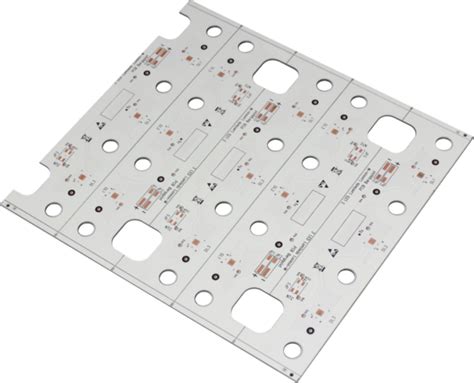
The landscape of pcb manufacturing is evolving rapidly, particularly in the realm of IMS (Insulated Metal Substrate) PCBs. As a crucial component in high-performance electronics, the innovations in this sector highlight enhanced thermal management capabilities and improved integration with various technologies. Future advancements are likely to embrace new materials and manufacturing techniques, driving down pcb manufacturing costs while increasing reliability. These innovations will empower pcb manufacturing companies to cater to diverse industries, with heightened demand for efficient thermal conduction and durability in automotive and aerospace applications. Furthermore, automation and smart technology in the pcb manufacturing business will streamline processes, allowing for more customized solutions that can meet specific client needs. As you explore these developments, consider how they might influence both your current projects and future opportunities in the ever-evolving marketplace of IMS PCB solutions.
Leading IMS PCB Manufacturers: A Comparative Overview
When navigating the landscape of IMS PCB manufacturing, it’s essential to recognize the key players that elevate industry standards. Numerous pcb manufacturing companies specialize in producing insulated metal substrates, each bringing unique capabilities and innovations to the table. Some of the leading manufacturers focus heavily on quality control and advanced thermal management solutions, which are crucial in high-performance applications such as automotive and aerospace sectors. Moreover, when examining pcb manufacturing cost, you will find variations based on materials such as aluminum and copper, which are favored for their thermal conductivity and efficiency. As you explore your options in the pcb manufacturing business, consider how these vendors not only meet your specific needs but also push the boundaries with cutting-edge technologies. The reliability and performance of their products can significantly impact your application’s success, ensuring that you don’t compromise on quality while optimizing for cost efficiency.
Thermal Management Solutions in High-Performance PCB Design
In the realm of pcb manufacturing, effective thermal management has become a critical focus, especially for high-performance applications. As you dive into the world of IMS PCBs, or Insulated Metal Substrates, you’ll discover that these innovative materials significantly contribute to maintaining optimal operating temperatures in various electronic devices. With advancements in technology, pcb manufacturing companies are now able to design and produce substrates that offer exceptional heat dissipation and reliability. The choice between raw materials, such as aluminum and copper, is particularly important in this process, influencing both the pcb manufacturing cost and the overall performance of the end product. When selecting an appropriate manufacturer for your pcb manufacturing business, it is essential to incorporate solutions that address thermal challenges, ensuring your products can withstand demanding conditions found in automotive, medical, and aerospace sectors. Adopting these solutions not only enhances product lifespan but also leads to improved efficiency and safety in electronic applications.
Quality Control Standards for IMS PCB Production
When it comes to IMS PCB manufacturing, maintaining high-quality standards is paramount to ensuring reliability and performance. The processes employed by leading pcb manufacturing companies incorporate rigorous quality control measures at every stage of production. From the selection of raw materials, such as aluminum and copper, to the final inspection of finished products, each step is closely monitored to meet industry benchmarks. Insulated metal substrates must undergo specific tests to assess their thermal management capabilities, dielectric properties, and mechanical strength, thus ensuring they can withstand various applications in automotive, medical, and aerospace sectors. Additionally, effective pcb manufacturing cost management hinges on these quality assurances; a focus on delivering exceptional products can lead to reduced waste and improved efficiency in production cycles. Ultimately, adopting stringent quality control standards not only benefits manufacturers but also enhances customer confidence in these pcb manufacturing businesses, as they consistently provide high-performance solutions that clients can rely on. By prioritizing quality throughout the production process, you position your developments for success in a competitive marketplace where performance is non-negotiable.
Customization Options in IMS PCB Manufacturing for Diverse Needs
When it comes to IMS PCB manufacturing, customization plays a pivotal role in meeting the unique demands of various industries. As you explore PCB manufacturing companies, you’ll find that many of them offer tailored solutions designed to enhance performance and reliability. Whether you’re in the automotive sector looking for durable substrates that withstand high temperatures, or in aerospace needing lightweight solutions without compromising strength, the PCB manufacturing cost can often be optimized through these customized options. For instance, different material choices, such as aluminum and copper, can be selected based on thermal conductivity requirements or budget constraints, resulting in a more efficient pcb manufacturing business operation. Additionally, design flexibility allows for modifications to trace widths and surface finishes so that your specific application needs are addressed. By leveraging these customization options, you can ensure that your insulated metal substrates are not only reliable but also align perfectly with the performance expectations of your projects.
Conclusion
In conclusion, the world of IMS PCB manufacturing is rapidly evolving, driven by the need for enhanced performance and reliability in various applications. Companies engaged in pcb manufacturing must stay ahead by partnering with leading pcb manufacturing companies that specialize in insulated metal substrates. This ensures that you benefit from cutting-edge technologies that promise high-performance solutions suitable for demanding sectors such as automotive, medical, and aerospace. Understanding the factors influencing pcb manufacturing costs is vital as well; it enables you to make informed decisions about your projects while optimizing your investments. As the landscape of the pcb manufacturing business continues to change, prioritizing quality, innovation, and customization will help you meet unique requirements effectively. Embrace these advancements to propel your projects toward success while fostering long-term partnerships with reputable manufacturers dedicated to excellence in IMS PCB production.
FAQs
What are IMS PCBs?
IMS PCBs, or Insulated Metal Substrates, are a type of circuit board that integrates a metal base with insulating layers. They are widely used in applications requiring efficient thermal management, making them popular among pcb manufacturing companies.
Why should I consider IMS PCBs for my projects?
Adopting IMS PCBs can enhance reliability and performance in various applications, including automotive and aerospace industries. Their ability to dissipate heat effectively can lead to improved overall efficiency and reduced failures in electronic devices.
What factors influence the cost of PCB manufacturing?
The pcb manufacturing cost can be affected by various elements such as material choice, complexity of design, batch size, and the specific capabilities offered by different pcb manufacturing companies. When considering an investment in a pcb manufacturing business, it’s vital to understand these factors.
How do I choose the right IMS PCB manufacturer?
To select the best IMS PCB manufacturer, consider aspects such as technological expertise, reputation in the industry, quality control standards, and customization options offered. Conducting thorough research will help ensure that you partner with a manufacturer that meets your specific requirements for high-performance solutions.
Can IMS PCBs be customized for specific applications?
Yes! Many pcb manufacturing companies provide customization options tailored to your specific needs. This flexibility ensures that you achieve optimal performance in diverse applications by utilizing suitable materials like aluminum or copper.