
Top Printed Circuit Board Assembly Companies You Should Know
Key Takeaways
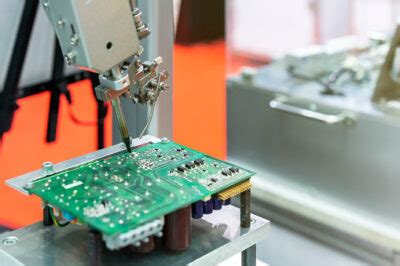
In the landscape of pcb assembly, several characteristics differentiate the leading printed circuit board assembly companies from the rest. First and foremost, these industry leaders often emphasize innovation, incorporating advanced technologies and methodologies that enhance production efficiency and product functionality. For instance, many companies utilize automated processes to ensure precision during the pcba process, which not only improves output quality but also reduces lead times significantly. Additionally, quality assurance practices play a crucial role in maintaining high standards. Top firms typically implement rigorous inspection protocols throughout their operations to ensure that every board meets stringent specifications.
Furthermore, as the market continues to evolve, industry players are increasingly adopting sustainable practices in their manufacturing processes. This commitment to environmentally friendly methods not only aids in compliance with global regulations but also resonates with a growing segment of eco-conscious consumers.
“Embracing new technologies and sustainability will set apart those who lead the industry from those who merely follow.”
Finally, understanding emerging trends within the pcb assembly sector is essential for both manufacturers and clients to remain competitive. As companies respond to the continuing advancements in technology and changes in consumer demand, they must remain agile and adaptable to thrive in this dynamic market landscape.
Introduction to Printed Circuit Board Assembly
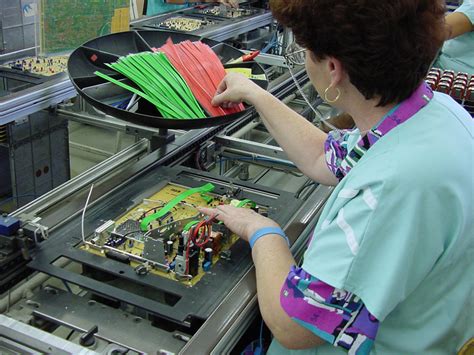
Printed Circuit Board Assembly, commonly referred to as PCB assembly or PCBA, is a critical element in the manufacturing of electronic devices. This process involves the assembly of various electronic components onto a printed circuit board to create a functional electronic circuit. As technology continues to evolve, the demand for efficient and high-quality PCB assemblies has surged, prompting companies to innovate in their manufacturing techniques.
At its core, pcba is not merely about placing components on a board; it encompasses various processes, including surface-mount technology (SMT), through-hole technology, and various soldering techniques. Each of these processes has its own set of advantages, making it essential for companies to choose the right approach based on their specific needs. The quality of materials, precision in manufacturing, and expertise of personnel all play significant roles in determining the overall success of a PCB assembly.
Many industry leaders are continuously pushing the boundaries by investing in advanced technologies like automated assembly lines and quality inspection systems. These innovations not only enhance quality assurance practices but also reduce production costs and timeframes, making it possible to deliver exceptional products to market rapidly.
In addition to technical expertise, the best PCB assembly companies distinguish themselves through their customer service and ability to handle custom projects. Whether it’s small-batch prototypes or large-scale production runs, flexibility and responsiveness are key attributes that clients look for when selecting their manufacturing partners.
As we delve deeper into this topic, it becomes evident that understanding the intricacies of printed circuit board assembly is essential for anyone involved in electronics manufacturing today.
Criteria for Selecting the Best PCB Assembly Companies
When it comes to choosing the right pcb assembly company, several key factors should be considered to ensure that you partner with an organization that meets your specific needs. First and foremost, quality should always take precedence; look for companies that adhere to industry standards and have robust quality assurance processes in place. This often includes certifications such as ISO 9001, which indicate a commitment to maintaining high manufacturing standards. Additionally, the company’s experience in the pcba industry can be a telling sign of reliability—those with a proven track record are typically better equipped to handle various challenges in the manufacturing process.
Another critical criterion is technological capability. Today’s pcb assembly processes benefit immensely from advanced technologies such as automated assembly and sophisticated testing systems, which enhance efficiency and accuracy. Assessing whether potential firms invest in cutting-edge equipment is essential for ensuring high-quality production and timely delivery.
Furthermore, excellent customer service can significantly impact your experience as a client. Companies that prioritize communication and collaboration tend to foster better relationships and are more likely to meet your project requirements effectively. Lastly, consider the company’s ability to cater to customization needs; flexibility in adapting designs or volumes allows for a more tailored solution suitable for your specific applications. By evaluating these criteria, you can confidently choose a pcba provider that aligns with your project goals and expectations.
Industry Leaders in PCB Assembly: A Closer Look
In the competitive landscape of pcb assembly, several companies have emerged as leaders due to their commitment to quality, innovation, and customer satisfaction. These printed circuit board assembly firms, often referred to as PCBA manufacturers, leverage cutting-edge technologies and best practices to deliver exceptional results. Companies like Flex, Jabil, and TTM Technologies stand out not only for their scale but also for their ability to adapt to changing market demands. They employ automated processes that enhance efficiency while maintaining rigorous quality checks throughout the production line. Furthermore, these industry leaders implement advanced techniques such as surface mount technology (SMT) and through-hole technology (THT), providing flexibility in manufacturing various types of electronic components. Their dedication to continuous improvement and innovation has positioned them at the forefront of the PCBA market, driving advancements that benefit both their clients and the wider technology sector. By choosing a pcb assembly partner from this elite group, businesses can ensure they are collaborating with organizations that prioritize excellence and responsiveness in a dynamic environment.
Innovative Solutions in PCB Manufacturing
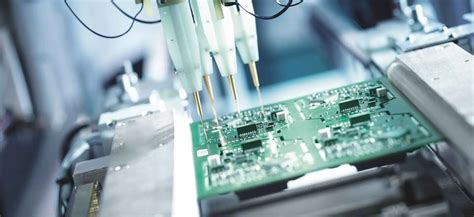
In the dynamic realm of PCB assembly, companies are continuously striving to develop innovative solutions that enhance efficiency and quality. The integration of advanced technologies such as automation and artificial intelligence has revolutionized the way PCBA processes are executed. For instance, the utilization of robotic arms in assembly lines minimizes human error while maximizing precision, leading to faster production cycles. Additionally, companies are increasingly adopting environmentally friendly materials and processes, aligning their operations with global sustainability goals. The rise of the Internet of Things (IoT) has also significantly influenced PCB assembly practices, enabling smarter design and real-time tracking of components throughout the manufacturing journey. These advancements not only improve operational efficiency but also ensure that finished products meet rigorous standards for performance and reliability. As this sector evolves, it becomes evident that understanding these innovative solutions is crucial for staying competitive in the ever-changing market landscape. The commitment to continual improvement and adaptation positions leading PCB assembly firms at the forefront of technological advancement, setting benchmarks for quality and innovation across industries.
Quality Assurance Practices in Top PCB Companies
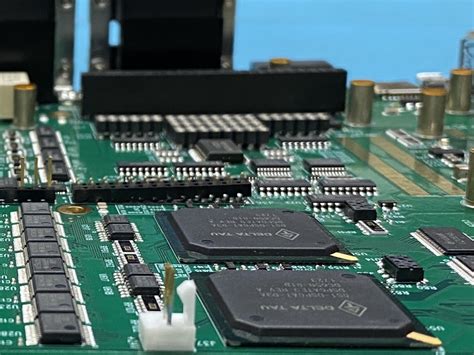
In the competitive landscape of printed circuit board assembly (PCB Assembly), maintaining high standards of quality assurance is paramount. Leading PCBA companies employ a range of stringent practices designed to ensure their products meet the highest industry standards. At the forefront, these companies implement meticulous testing protocols throughout the manufacturing process, including in-circuit testing, functional testing, and visual inspections. These methods not only help in identifying defects at an early stage but also assist in maintaining the integrity of the overall design. Furthermore, many industry leaders utilize automation to enhance quality control, thereby reducing human error and increasing efficiency. The commitment to continuous improvement is also evident through regular training programs for employees that emphasize the importance of accuracy and precision. By integrating advanced technologies such as robotics and artificial intelligence into their PCBA processes, these companies are not only enhancing their quality assurance practices but also setting new benchmarks for excellence in the field. As market demand evolves, the focus on robust quality assurance will remain a cornerstone for success among top PCB assembly firms, ensuring they provide not just products but reliable solutions that resonate with their clients’ needs.
Emerging Trends in the PCB Assembly Market
The pcb assembly market is witnessing dynamic shifts driven by technological advancements and evolving customer demands. Companies are increasingly adopting automation and robotics in their pcba processes, enhancing efficiency and minimizing human error. Moreover, there is a growing emphasis on sustainable practices, with firms seeking environmentally friendly materials and processes to meet regulatory requirements and consumer expectations. Another significant trend is the miniaturization of components, as devices become smaller yet more powerful; this necessitates innovative pcb assembly techniques to ensure reliability without compromising quality. The integration of Internet of Things (IoT) capabilities into PCB designs further illustrates the market’s evolution, facilitating smarter devices that respond to real-time data. As a result, leading manufacturers are not only focusing on pcba efficiency but also on delivering solutions that align with the future of technology, ensuring they remain competitive in this fast-paced market.
Case Studies: Success Stories from Leading PCB Firms
In the realm of PCB assembly, numerous companies have distinguished themselves through remarkable success stories that highlight their capabilities and innovations. One such example is Company A, renowned for its pioneering smart technology integrations within their PCBA processes. This company utilized advanced automation to enhance production efficiency, significantly reducing lead times while maintaining exceptional quality standards. Similarly, Company B showcased its adaptability by swiftly transitioning to pcb assembly for electric vehicle components, demonstrating agility in response to emerging market demands. Their strategic investments in R&D led to the development of eco-friendly materials, setting a benchmark for sustainability in the industry. Additionally, Company C’s implementation of stringent quality assurance protocols has resulted in a dramatic decrease in defect rates, earning them certifications that resonate with clients seeking reliability. Each case exemplifies how these leading firms leverage innovative solutions and unwavering commitment to quality to gain a competitive edge. As we delve into these success stories, it becomes evident that adaptability and forward-thinking are pivotal elements driving the growth and reputation of today’s top PCB assembly companies.
Conclusion: The Future of Printed Circuit Board Assembly
The future of pcb assembly is poised for significant evolution, shaped by technological advances and shifting market demands. As we look ahead, the integration of automation and artificial intelligence within the pcba process stands out as a pivotal trend. This technology offers enhanced precision and efficiency, enabling companies to produce printed circuit boards faster and with fewer errors. Additionally, the drive towards sustainability is influencing pcb assembly practices; manufacturers are increasingly adopting eco-friendly materials and processes to minimize their environmental impact.
In this competitive landscape, companies that prioritize innovation while maintaining high standards of quality will likely emerge as leaders. The emphasis on customization is also growing as clients seek more tailored solutions to meet their specific needs. Furthermore, the rise of the Internet of Things (IoT) requires manufacturers to adapt by creating more complex and compact pcba designs to support interconnected devices. As these trends converge, the future points towards a more interconnected, efficient, and sustainable printed circuit board assembly industry that meets the demands of tomorrow’s technology landscape.
Conclusion: The Future of Printed Circuit Board Assembly
As we look toward the future of pcb assembly, it becomes increasingly clear that innovation will be the cornerstone of success in this dynamic industry. Leading pcb assembly firms are continually exploring advancements in technology, ensuring they remain competitive and relevant. The shift towards automation and AI-driven processes is gaining momentum, allowing companies to enhance efficiency, reduce errors, and improve production timelines in the pcba lifecycle. Furthermore, sustainability is becoming a key focus for many of these organizations, with initiatives aimed at reducing waste and increasing the recyclability of materials used in pcb assembly.
To sustain their growth, companies are also emphasizing flexible manufacturing practices that allow for rapid adaptation to changing customer demands. By leveraging state-of-the-art techniques such as surface mount technology (SMT) and through-hole technology (THT), they can cater to a diverse range of industries—from consumer electronics to aerospace. As these pcba leaders forge ahead, their commitment to quality assurance practices will remain paramount, ensuring that products not only meet but exceed market standards. Therefore, the future looks promising for printed circuit board assembly companies as they embrace innovation while maintaining exceptional quality that sets them apart in today’s competitive market.
FAQs
What is PCB assembly?
PCB assembly, or PCBA, is the process of connecting electronic components to a bare printed circuit board (PCB) to create a functional electronic device. This involves soldering components onto the PCB, ensuring electrical connections are made.
Why should I choose a professional pcb assembly company?
Choosing a professional pcb assembly company ensures high-quality production, adherence to industry standards, and access to advanced technology. This expertise can result in better product performance and reliability.
What factors should I consider when selecting a pcba provider?
Consider factors such as experience, certifications, quality assurance practices, turnaround time, and the types of services offered. A reputable company will provide transparent processes and effective communication throughout the project.
How do quality assurance practices impact PCBA?
Quality assurance practices ensure that products meet defined standards and specifications. Companies that implement strict quality checks reduce the risk of defects and enhance the overall reliability of their pcba offerings.
What are some emerging trends in the pcb assembly industry?
Emerging trends include increased automation in production lines, advancements in materials used for PCBs, and a focus on sustainable manufacturing processes. Companies are also exploring design for manufacturability to improve efficiency.
If you’re looking for reliable solutions in pcb assembly, please click here: Andwin PCB Assembly