
Understanding Printed Circuit Board Assembly PCBA Basics
Key Takeaways
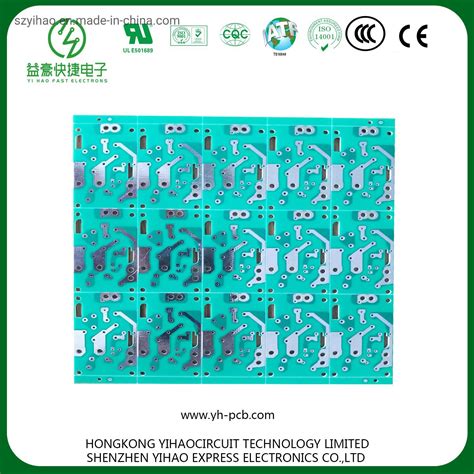
Understanding Printed Circuit Board Assembly (PCBA) is crucial for anyone engaged in electronics manufacturing. The pcba process encompasses several key components, such as substrates, solders, and components that work together to form a functional electronic device. It typically begins with the design and development of the printed circuit board (PCB), followed by the assembly process that includes placing components on the PCB’s surface and interconnecting them using various methods.
A deeper comprehension of this assembly process enables manufacturers to improve efficiency and reduce production costs. Among the essential stages, soldering plays a pivotal role, serving as the glue that holds various elements together. As a result, adopting advanced soldering techniques can enhance durability and performance.
Furthermore, integrating robust quality control measures throughout the PCBA process ensures that potential challenges are identified and addressed promptly. A thorough awareness of these challenges allows manufacturers to devise effective solutions, therefore optimizing overall production.
In summary, grasping these key takeaways not only emphasizes the importance of effective PCBA but also highlights best practices for efficient production while keeping abreast of emerging trends in this vital field.
| Component | Function |
|---|---|
| Substrate | The base material for soldering parts |
| Components | Various electronic parts (resistors, capacitors) |
| Solder | Material used to join components |
| Quality Control Techniques | Methods used to ensure product integrity |
Introduction to Printed Circuit Board Assembly (PCBA)
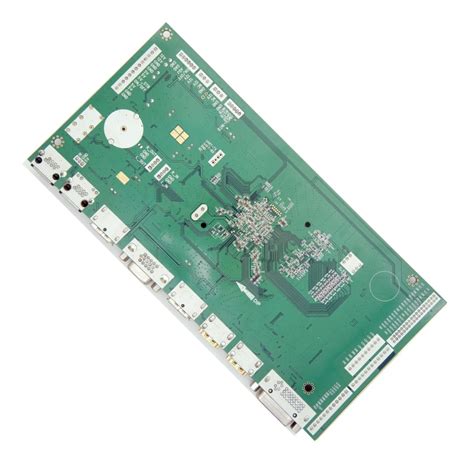
Printed Circuit Board Assembly, commonly referred to as PCBA, represents a crucial phase in the electronics manufacturing process. It involves the integration of various electrical components onto a printed circuit board (PCB), which serves as the foundation for electronic devices. Understanding the details of pcb assembly requires familiarity with the diverse elements involved, including resistors, capacitors, integrated circuits, and more. Each component must be meticulously placed and soldered onto the PCB to ensure proper functionality. The assembly process can vary significantly based on factors such as production volume and complexity of the circuit design. Employing advanced techniques like surface-mount technology (SMT) alongside traditional through-hole methods plays a vital role in enhancing pcba efficiency and reliability. Additionally, quality assurance practices throughout the assembly process are essential for minimizing defects and ensuring that each unit meets rigorous performance standards. This foundational knowledge prepares individuals to navigate the complexities of modern electronics production effectively. Understanding these core aspects of PCBA will ultimately facilitate a deeper appreciation for the sophisticated devices we rely on in our daily lives.
Key Components of PCBAs
Understanding the key components of Printed Circuit Board Assemblies (PCBA) is crucial for anyone involved in the electronics manufacturing industry. At its core, a pcb assembly consists of several fundamental elements that work together to ensure functionality. The most prominent component is the printed circuit board itself, made from materials such as FR-4 or polyimide, which provides support and electrical interconnections.
Next are the passive components, including resistors, capacitors, and inductors, which manage the flow of electrical current within the circuit. Alongside these are active components like integrated circuits (ICs), which are crucial for processing signals and data. The significance of connectors and sockets cannot be understated either, as they facilitate connections to external devices or power sources.
“When considering component selection for your pcba, always prioritize reliability and compatibility,” suggests an industry expert. This selection not only influences performance but also impacts production efficiency during assembly.
Additionally, implementing high-quality solder joints—the primary method for securing components to a PCB—ensures robust electrical connections. The choice between through-hole and surface mount technology (SMT) for assembling these components can affect size constraints and overall efficiency.
In essence, a comprehensive grasp of these core components and their functions within pcb assembly is vital for optimizing designs and enhancing product performance in today’s competitive electronics landscape.
The PCBA Assembly Process: A Step-by-Step Guide
The pcba assembly process is a meticulous series of steps that transforms a bare printed circuit board into a fully functional electronic device. It begins with sourcing components, where manufacturers procure all necessary parts, including resistors, capacitors, and integrated circuits. The next crucial step is designing the layout; here, engineers create a detailed schematic that illustrates how each component will be positioned on the board. Following the design phase, the stencil printing process applies solder paste to designated areas of the board, ensuring that solder will secure components in place during assembly.
Once the solder paste is applied, the component placement occurs. Automated machines known as pick-and-place machines position each component accurately on the board. Subsequently, boards enter the reflow soldering stage, where heat is applied to melt the solder paste, thus creating robust electrical connections between components and the PCB. After cooling, each assembly undergoes thorough inspections, often utilizing automated optical inspection (AOI) techniques to detect any potential defects.
Finally, any required post-assembly processes, such as functional testing and conformal coating application for moisture protection, come into play. Addressing these stages diligently ensures that every pcb assembly meets quality standards before reaching consumers. Through this structured approach to PCBA manufacturing, companies can achieve high levels of efficiency and product reliability in today’s competitive electronics market.
Soldering Techniques in PCB Assembly
Soldering is a crucial technique in printed circuit board assembly (PCBA), playing a significant role in ensuring the reliability and functionality of electronic devices. It involves joining various electronic components to the pcb assembly through the use of molten solder, which creates a permanent electrical connection. There are several soldering methods employed in PCBA, each suited to different applications and production environments.
One of the most common techniques is surface mount technology (SMT) soldering, where components are placed directly onto the surface of the printed circuit board. This method allows for higher component density and greater efficiency in manufacturing. Another prevalent approach is through-hole soldering, where component leads are inserted into drilled holes on the PCB and soldered on the opposite side. This technique is particularly useful for components that require stronger mechanical connections.
In addition to these techniques, it is essential to use proper soldering tools and materials to achieve optimal results. Factors such as solder type—lead-based or lead-free—and solder paste application can significantly impact the quality of the connections made during pcb assembly. Furthermore, implementing effective thermal management practices during soldering can help prevent damage to sensitive components.
Ultimately, mastering different soldering techniques is vital for ensuring quality in PCBA processes, significantly affecting both performance and reliability of electronic products. As technology continues to evolve, so too will these fundamental methods, making it imperative for manufacturers to stay updated on best practices and new innovations within this area.
Quality Control in PCBA Manufacturing
Ensuring high standards in PCB assembly is critical for the reliability and performance of electronic devices. Quality control in PCBA manufacturing involves a comprehensive set of techniques and protocols aimed at maintaining the integrity of the assembly process. One of the key strategies employed is the use of automated optical inspection (AOI), which allows manufacturers to identify defects on printed circuit boards before they progress to later stages of production. This technology not only enhances accuracy but can also significantly reduce the time and labor costs associated with manual inspection.
Furthermore, process controls are implemented at various stages, including solder paste application, component placement, and soldering. By ensuring each of these steps meets strict specifications, manufacturers can achieve consistent quality and minimize errors that could lead to product failure. Training for personnel involved in PCBA manufacturing is also vital. Skilled operators who understand how to handle components and follow best practices significantly contribute to maintaining high-quality standards.
Regular audits and testing phases help verify that production adheres to industry standards, thus ensuring customer satisfaction post-production. In addition, employing Statistical Process Control (SPC) can provide insights into process variations, allowing for timely interventions should any discrepancies arise. Ultimately, a robust quality control framework is essential not only for enhancing product reliability but also for fostering customer trust in electronic manufacturing capabilities.
Challenges in PCBA and How to Overcome Them
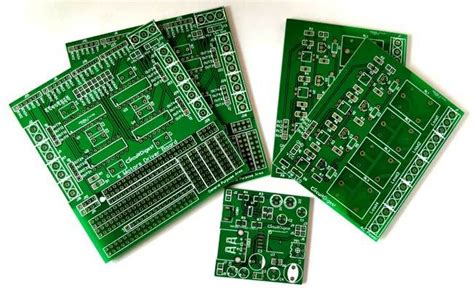
In the realm of printed circuit board assembly (PCBA), manufacturers encounter a variety of challenges that can impact the efficiency and quality of production. One significant issue is the complexity of design specifications, which may lead to difficulties during the assembly process. Complex designs often require advanced soldering techniques and precise positioning of components, increasing the probability of errors. To mitigate this challenge, investing in robust design for manufacturability (DFM) practices is essential; ensuring that designs are optimized for ease of assembly can significantly reduce complications.
Another prevalent challenge is maintaining quality control throughout the production process. Variability in component quality can cause inconsistencies in the final product. Implementing rigorous testing procedures at every stage—from component acceptance to final assembly—helps identify defects early on. Organizations should leverage automated inspection technologies such as automated optical inspection (AOI) systems to enhance quality assurance measures.
Additionally, supply chain disruptions pose a substantial threat to timely PCBA delivery. Fluctuations in component availability can lead to production delays, negatively affecting project timelines. To navigate such issues effectively, firms are encouraged to establish strong relationships with multiple suppliers and maintain a buffer stock for critical components.
In summary, addressing the challenges associated with pcba requires a multi-faceted approach that includes optimizing design processes, enhancing quality control measures, and ensuring supply chain resilience. By proactively tackling these obstacles, manufacturers not only uphold high standards but also streamline their pcb assembly operations for better outcomes.
Best Practices for Efficient PCBA Production
Achieving efficiency in pcb assembly involves a combination of strategic planning and adherence to best practices throughout the production process. One of the most crucial aspects is the design of the printed circuit board assembly (PCBA) itself; a well-optimized PCBA layout minimizes material waste and reduces assembly time. Incorporating clear documentation and standardized procedures ensures that all team members are on the same page, which is essential for maintaining consistency. Furthermore, investing in high-quality components from reliable suppliers can significantly impact overall efficiency, reducing rework caused by defective parts.
Implementing advanced soldering techniques is also paramount for enhancing production speed while maintaining quality; techniques such as wave or reflow soldering can automate parts of the process, which ultimately increases output. Additionally, regular training sessions for personnel on the latest best practices in pcba techniques can lead to better performance and fewer errors on the production floor. Quality control measures should be integrated into every phase of production, employing methods like automated optical inspection (AOI) to quickly identify potential issues before they escalate. By adhering to these best practices, manufacturers can not only improve their PCBA efficiency but also contribute to cost savings and better product reliability over time.

Future Trends in Printed Circuit Board Assembly
As technology evolves, the landscape of Printed Circuit Board Assembly (PCBA) is undergoing significant transformations. One noticeable trend is the increasing integration of automation in the pcb assembly process. Automated assembly lines are enhancing efficiency and precision, which are critical in meeting high-demand production needs. Additionally, innovation in materials science is leading to the development of lightweight and flexible substrates that allow manufacturers to create more sophisticated designs without compromising performance. The rise of smart electronics and the Internet of Things (IoT) is pushing for smaller, more complex pcb assembly solutions that incorporate multiple functionalities into a single board. This trend necessitates advanced techniques and tools for designing and assembling these intricate PCBs effectively. Environmental concerns are also shaping future directions; sustainable practices in pcba production—including recycling initiatives and reducing harmful substances—are becoming prioritized as manufacturers seek to meet regulatory standards and consumer expectations for eco-friendly products. Lastly, advancements in testing technologies ensure that as PCBAs become more complex, their reliability can be thoroughly assessed before they enter the marketplace, thus securing their overall quality and functionality. These developments indicate a dynamic future for Printed Circuit Board Assembly, reflecting ongoing innovation within the electronics manufacturing industry.
Conclusion
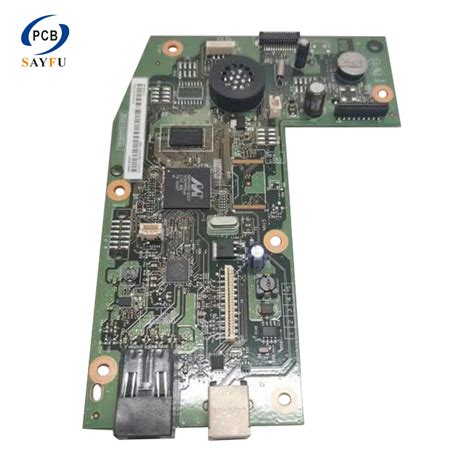
In summary, understanding PCBA and its critical roles in electronics manufacturing can significantly enhance one’s perspective on the modern technological landscape. Throughout this article, we have explored the various facets of pcb assembly, emphasizing its varied components and processes. The journey from a simple printed circuit board to a fully assembled product involves intricate steps, including soldering techniques, quality control measures, and adherence to best practices that ensure efficiency and reliability. As manufacturers navigate the challenges associated with PCBA, recognizing the importance of innovation and continuous improvement will be essential. Looking ahead, staying informed about emerging trends in pcb assembly will be crucial for those seeking to operate effectively in an increasingly competitive environment. Ultimately, a comprehensive grasp of these fundamentals not only aids in better production outcomes but also lays the groundwork for advancements that can shape the future of electronics as we know it.
FAQs
What is PCBA?
PCBA, or Printed Circuit Board Assembly, refers to the process of soldering various electronic components onto a printed circuit board (PCB) to create a functional electronic circuit.
What are the main components of PCBAs?
The primary components of pcb assembly include resistors, capacitors, integrated circuits (ICs), connectors, and other electronic elements that are mounted onto the PCB.
What is involved in the PCBA assembly process?
The pcba assembly process typically includes designing the PCB layout, fabricating the PCB, placing components, soldering, and performing quality checks to ensure functionality.
Why is quality control important in PCBA manufacturing?
Quality control is critical in pcba manufacturing to identify defects early, ensure reliability and performance of the electronic product, and comply with industry standards.
What are common challenges faced in PCB assembly?
Common challenges include managing component tolerances, ensuring proper soldering techniques, and minimizing defects during the assembly process.
How can one improve efficiency in PCBA production?
Adopting automated processes, regular training for staff on soldering techniques, and implementing strict quality control measures can significantly enhance efficiency in pcb assembly production.