
Understanding PCBA: What It Is and Its Importance in Electronics
Key Takeaways
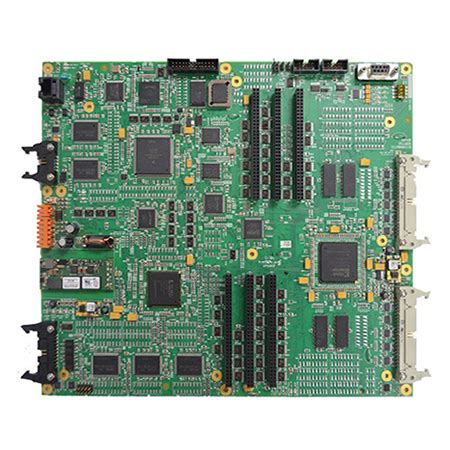
Understanding PCBA (Printed Circuit Board Assembly) is essential for grasping its critical role in the electronics sector. At its core, pcb assembly involves the connection of electronic components to a printed circuit board to create a functional device. Given the escalating demand for compact, efficient, and multifunctional electronics, the importance of pcba cannot be overstated. It serves as the backbone of a wide array of devices, from simple gadgets to complex systems used in telecommunications and healthcare. Additionally, mastering the intricacies of pcb assembly ensures enhanced performance, reliability, and longevity of electronic products. Thus, both manufacturers and designers must remain informed about advancements in PCBA technology and best practices to ensure that they deliver high-quality electronic solutions that meet consumer expectations.
Introduction to PCBA: Definition and Overview
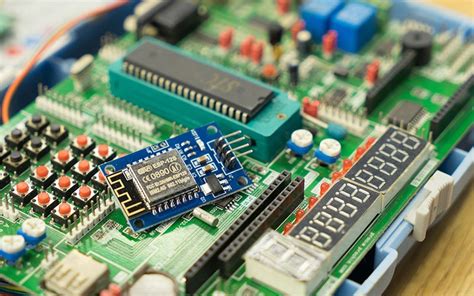
Printed Circuit Board Assembly, commonly known as PCBA, is a vital process in the manufacturing of electronic devices. Essentially, PCB assembly refers to the technique of soldering electronic components onto a printed circuit board (PCB), thereby enabling electrical connections and functionality in various electronic products. This process serves as the backbone of modern electronics, ranging from simple gadgets to sophisticated machinery. Understanding PCBA is crucial because it not only involves multiple steps, including component placement, soldering, and testing, but also emphasizes the quality and reliability of the final product. Effective pcb assembly ensures that electronic devices operate efficiently and meet performance standards. As technology evolves, so do the methods and materials used in PCBA, leading to innovations that enhance functionality and reduce costs. It is important for industry stakeholders to stay informed about these developments as they can significantly impact production timelines and end-product quality.
“A well-executed PCBA can be the difference between a successful product launch and costly recalls.”

The Process of Printed Circuit Board Assembly
The process of pcb assembly, commonly referred to as PCBA, is a critical phase in the production of electronic devices. It involves several meticulously organized steps, starting from the design of the printed circuit board (PCB) to the final assembly and testing of the electronic components.
At the onset, the PCB is designed using computer-aided design (CAD) software, where engineers layout both the circuitry and component placement. Once this design is finalized, it transitions into manufacturing where raw materials are procured. The first step in assembly is to apply a solder paste onto the designated areas of the PCB.
Following this, components such as resistors, capacitors, and integrated circuits are placed on the PCB using either manual techniques or automated equipment. The precision at which components are placed can significantly affect functionality; hence advanced machinery like pick-and-place robots are often employed to ensure accuracy.
Next comes soldering—this can be accomplished through various methods including wave soldering or reflow soldering techniques, depending on component type and quantity. After soldering, PCBAs undergo thorough inspections to identify any potential errors that may have arisen during production.
In summary, the steps incorporated in pcb assembly are not only integral but also define product integrity and performance across various electronic devices. A well-executed PCBA ensures seamless operation in applications ranging from consumer electronics to critical medical devices.
| Step | Description |
|---|---|
| 1 | Design using CAD software |
| 2 | Applying solder paste |
| 3 | Placing components |
| 4 | Soldering using wave or reflow techniques |
| 5 | Conducting inspections for quality assurance |
The meticulous adherence to these steps during PCBA ensures high-quality assemblies that meet industry standards and specifications.
Key Components of PCBA: Understanding the Basics
The printed circuit board assembly (PCBA) is a fundamental aspect of modern electronics, consisting of several crucial components that work together to create functional devices. At the heart of PCBA are the printed circuit boards (PCBs) themselves, which serve as the foundation where electronic components are mounted and interconnected. These components typically include resistors, capacitors, integrated circuits (ICs), and various types of connectors. Each component plays a specific role; for instance, resistors limit current flow, while capacitors store electrical energy temporarily. Additionally, the electronic components are soldered onto the PCB using various methods such as wave soldering or reflow soldering, ensuring that they remain securely in place during operation.
Understanding these key components is vital in maintaining and troubleshooting electronic devices. The choice of materials used for the substrate in a PCB, including options like FR-4 or polyimide, also influences performance characteristics such as thermal stability and conductivity. Furthermore, modern advancements in technology have allowed for the miniaturization of these components, resulting in more compact and powerful electronic devices. As such, mastering the basics of each component involved in pcb assembly equips professionals with the knowledge needed to innovate and enhance electronic applications across various industries.
Applications of PCBA in Various Industries
Printed Circuit Board Assembly (PCBA) plays a pivotal role across various sectors, showcasing its versatility and essential function in modern technology. In the consumer electronics industry, PCBA is integral to devices such as smartphones, tablets, and laptops, where it ensures smooth operation and connectivity. The automotive sector also heavily relies on pcb assembly for critical applications including navigation systems, engine control units, and advanced driver-assistance systems (ADAS), where precision and reliability are paramount. Similarly, in the medical field, PCBA is crucial for devices like patient monitors and imaging systems that demand high functionality and adherence to safety standards. Moreover, the telecommunications industry harnesses pcb assembly for infrastructure such as routers and base stations, which require robust performance to support ever-increasing data traffic. As industries continue to evolve with advancing technologies, the applications of PCBA expand further into fields like aerospace and robotics, showcasing its fundamental significance in driving innovation and efficiency across diverse domains.
The Significance of PCBA in Modern Electronics
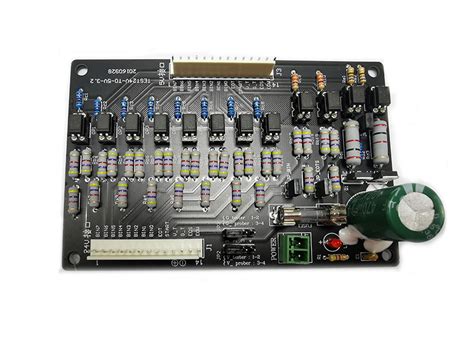
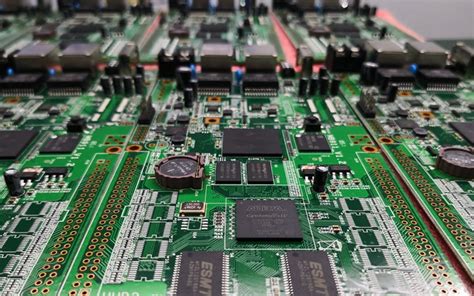
The role of PCBA (printed circuit board assembly) in modern electronics cannot be overstated. This critical process serves as the backbone for nearly all electronic devices, enabling functionality and reliability through meticulously crafted pcb assembly techniques. At its core, PCBA involves the precise placement and soldering of electronic components onto a substrate, transforming a simple circuit board into a fully operational device. As technology continually advances, the demand for more compact, efficient, and high-performance electronics increases, pushing pcba to evolve as well. Today’s devices—ranging from smartphones to sophisticated medical equipment—rely heavily on advanced pcb assembly processes that ensure high quality and durability. Furthermore, the integration of emerging technologies such as automation and artificial intelligence in pcba enhances production efficiency while reducing errors. This makes PCBA not just significant but essential for meeting the rapid pace of innovation in industries globally. Thus, understanding the importance of pcba is key for anyone involved in electronics design and manufacturing, as it directly impacts product quality and overall market competitiveness.
Challenges and Innovations in PCBA Technology
The landscape of PCBA technology is continually evolving, characterized by specific challenges and innovative solutions. As electronic devices become increasingly complex, the pcb assembly process faces difficulties such as miniaturization, which demands smaller components and tighter tolerances. This poses a challenge for manufacturers to ensure that the integrity of the pcba is maintained while conforming to these new standards. Moreover, the demand for faster production times requires improved automation and streamlined processes that can enhance efficiency without compromising quality.
To combat these challenges, industries are embracing innovative technologies such as advanced robotics and artificial intelligence in their pcb assembly lines. These innovations enable precise placement of components and optimize workflows. Additionally, new materials—including flexible substrates—are being explored to meet diverse application requirements while balancing performance characteristics. The integration of these technologies not only addresses current challenges but also sets a foundation for future advancements in pcba, ensuring that manufacturers remain competitive in a rapidly changing marketplace.
As businesses navigate through these complexities, maintaining high standards of quality control becomes paramount. Continuous improvements within the pcba realm are crucial for sustaining reliability and functionality of electronic devices across various industries. Ultimately, overcoming these challenges through innovation will propel the electronics industry forward, reinforcing the pivotal role that pcb assembly plays in our digital age.
Quality Control and Testing in PCB Assembly
Ensuring the integrity and reliability of pcb assembly is paramount in the electronics industry. Quality control measures are integrated throughout the entire PCBA process, from the initial design phase to the final testing of assembled boards. Various methodologies, including Automated Optical Inspection (AOI) and Functional Testing, are employed to detect any anomalies or defects that may compromise the performance of electronic devices. These testing procedures play a critical role in minimizing errors that could lead to costly recalls or failures in the field. As technology advances, manufacturers continue to refine their quality control protocols, implementing sophisticated tools like X-ray Inspection for detecting hidden solder issues. This commitment to quality not only enhances customer satisfaction but also contributes to the overall reputation of companies within the pcba sector. Therefore, understanding and prioritizing quality control and testing in pcb assembly processes is essential for maintaining high standards and ensuring that products meet industry regulations and consumer expectations.
Future Trends in the PCBA Sector
The PCBA sector is poised for significant transformation, driven by advancements in technology and the increasing demand for more sophisticated electronic devices. One of the most notable trends is the move towards miniaturization, wherein manufacturers strive to create smaller and more efficient pcb assembly solutions. This shift not only allows for more compact product designs but also enhances the overall performance and power efficiency of electronic devices. Moreover, there is an ongoing emphasis on automation and smart manufacturing processes, which are expected to reduce production costs while improving quality control in pcb assembly lines. Sustainability also plays a pivotal role, with a growing focus on eco-friendly materials and recycling processes in the PCBA industry. As consumers become more environmentally conscious, manufacturers are compelled to adapt to these preferences by integrating sustainable practices into their operations. Furthermore, innovations such as artificial intelligence and machine learning are beginning to make their way into pcba production processes, enabling predictive maintenance and more streamlined workflows. These trends collectively underscore the dynamic nature of the PCBA sector as it evolves to meet emerging challenges and opportunities in the electronics landscape.
Conclusion
In summary, PCBA or Printed Circuit Board Assembly is a fundamental aspect of modern electronics, intricately linked to the performance and functionality of a vast array of devices. Its significance cannot be overstated, as it serves as the backbone for everything from simple gadgets to complex industrial machinery. The process of pcb assembly involves precise integration of electronic components onto a printed circuit board, ensuring that they function harmoniously. This delicate operation requires not only advanced technology but also rigorous quality control measures to guarantee reliability and efficiency in the final product. As we look ahead, innovations in PCBA technology promise to further enhance the capabilities and applications of electronic devices, paving the way for advancements in various sectors. Consequently, understanding PCBA is essential for anyone involved in electronics, as it provides critical insights into both current trends and future developments in the industry.
FAQs
What is PCBA?
PCBA stands for Printed Circuit Board Assembly, which refers to the process of assembling electronic components onto a printed circuit board (PCB). This process is essential for creating functioning electronic devices.
Why is PCBA important in electronics?
PCBA is vital in the electronics industry because it ensures that components are correctly placed and soldered onto the PCB, facilitating reliable performance in electronic devices. Without this process, devices would not function as intended.
What are the key components of a PCBA?
The key components of a pcba include resistors, capacitors, integrated circuits, and other electronic parts that are crucial for the functionality of an electronic device.
What industries use PCB assembly?
PCB assembly is employed across various industries, including consumer electronics, automotive, medical devices, and telecommunications. Each sector relies on pcba for developing efficient and reliable products.
How does quality control affect PCBA?
Quality control in pcb assembly is critical as it ensures that each component meets specific standards and works correctly. This mitigates risks of malfunction and supports the production of high-quality electronic devices.